How to Tell If Cod Is Cooked

To tell if cod is cooked, check that the flesh is opaque rather than translucent and flakes easily when tested with a fork. You can also use a food thermometer to ensure the thickest part of the fillet reaches an internal temperature of 145°F (63°C).
Cod is a staple in many kitchens for its mild flavor and versatility, but its lean structure makes it notoriously easy to overcook. Learning how to tell if cod is cooked ensures you achieve that perfect, buttery flake every time, whether you are preparing a quick weeknight meal or a special Belizean-inspired seafood dish.
- Visual check: Look for the flesh to turn from translucent to opaque white.
- Texture test: Use a fork to gently twist the flesh; it should separate into flakes with.
- Temperature safety: Use a digital thermometer to verify an internal temperature of 145°F (63°C).
- Carry-over cooking: Remove the fish from the heat just before it reaches perfect doneness to prevent.
How to Tell If Cod Is Cooked: The Ultimate Guide to Perfect Flakiness
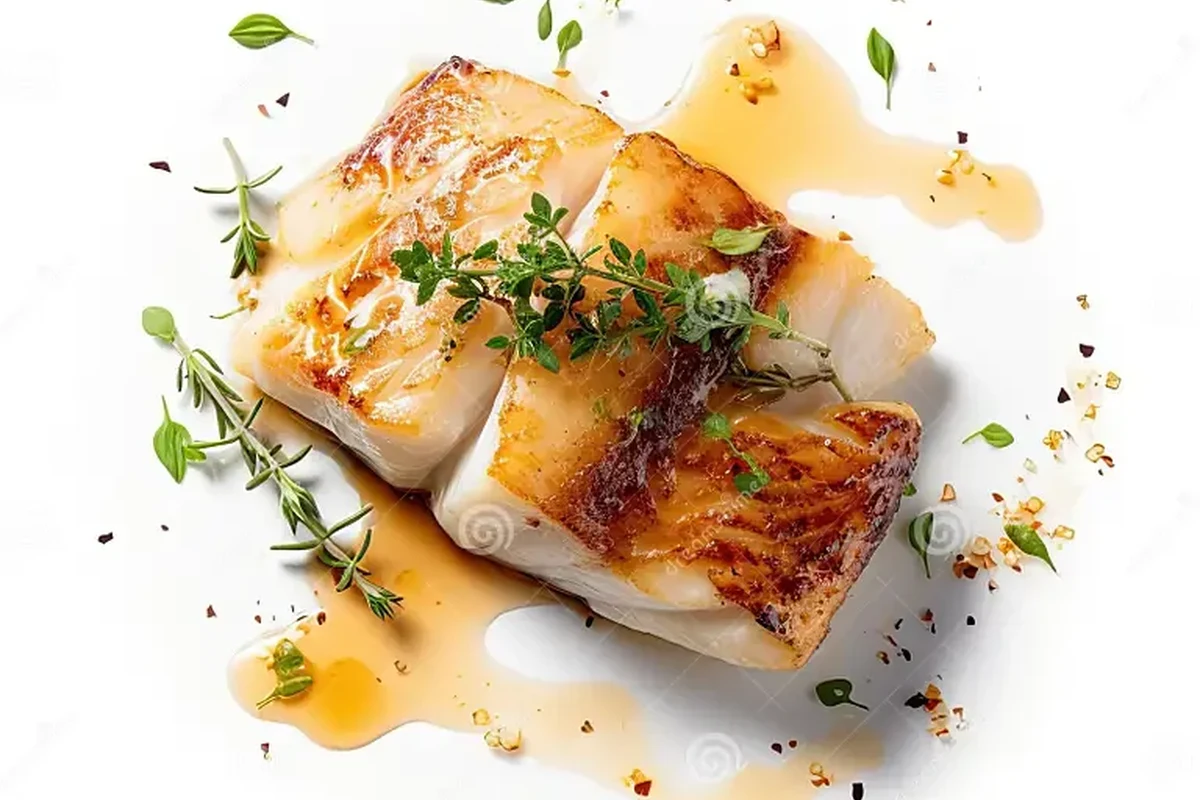
Achieving the right level of doneness for cod is a balance of heat management and observation. Because cod is a white, lean fish, it lacks the high fat content of salmon, meaning it can transition from succulent to dry in a matter of seconds. By using a combination of visual, tactile, and temperature-based checks, you can take the guesswork out of your cooking process in 2026 and beyond.
The Golden Rule: Identifying Perfectly Cooked Cod
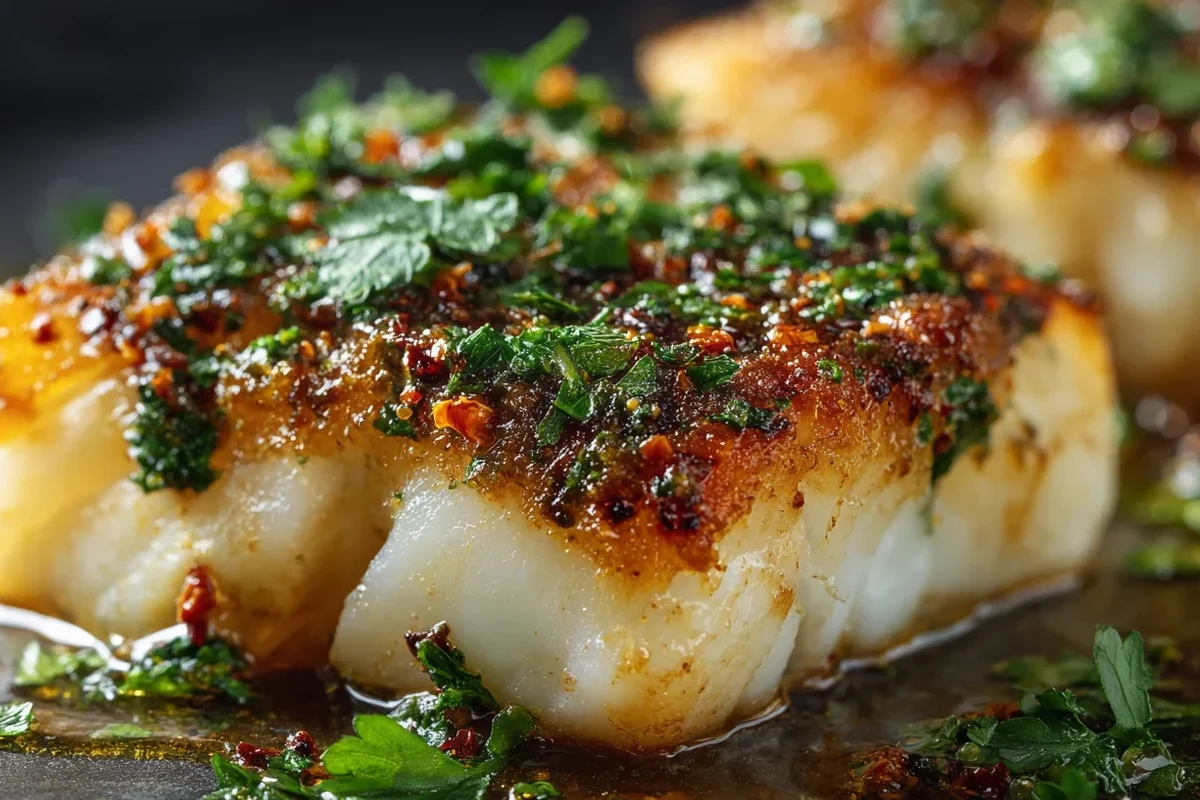
Visual Cues: The Opaque Transformation
The most immediate sign that your cod is nearing completion is a change in color. Raw cod has a translucent, glassy appearance. As it cooks, the proteins denature, causing the flesh to become opaque and pearly white. If you see any remaining translucent spots in the center of the thickest part of the fillet, it requires a bit more time.
The Texture Test: Flaking with a Fork
The most reliable physical test is to gently insert a fork into the thickest part of the fillet and give it a slight twist. If the fish is properly cooked, the flesh will offer little resistance and will naturally separate along its flake lines. If the flesh feels rubbery or refuses to separate, keep it on the heat for another minute.
Internal Temperature: The Scientific Standard for Safety
According to food safety standards, fish should reach an internal temperature of 145°F (63°C). Use an instant-read thermometer inserted into the thickest part of the fish to ensure you have reached this safe threshold.
Understanding Cod: Why Precision Matters for This Delicate Fish
The Unique Structure of Cod Fillets
Cod is composed of large, distinct flakes held together by delicate connective tissue. Unlike denser meats, this structure is fragile. When you cook it too quickly or at too high a temperature, these flakes can break apart before the center is cooked, or conversely, the exterior can become chalky while the interior remains underdone.
Why Overcooking Ruins the Belizean Flavor Profile
In Belizean cooking, we often pair fish with vibrant, aromatic seasonings. When cod is overcooked, it loses its ability to absorb these flavors and becomes dry. Proper moisture retention is essential to ensure that your fish remains the star of the plate, especially when served alongside sides like aloo chop or hearty soups.
Step-by-Step: Testing Doneness Across Cooking Techniques
Pan-Searing: Monitoring the Crust-to-Center Ratio
When pan-searing, you are looking for a golden-brown crust. Because the direct heat is intense, monitor the sides of the fillet. You will see the opacity move upward from the bottom of the pan. Flip only once the bottom half looks cooked, and finish until the top is opaque.
Baking and Roasting: Managing Gentle Heat
Baking is more forgiving than searing. To keep the fish moist, consider adding a splash of liquid or covering it loosely with foil for the first half of the cooking time.
Poaching and Steaming: Preventing Over-Softening
These methods are very gentle. Because they do not create a crust, you must rely entirely on the fork-flaking test. Since these methods add moisture, pay close attention so the fish does not become mushy or lose its structural integrity.
Selecting and Preparing Your Cod for Success
What to Look for at the Fish Market
Choose fillets that look moist and bright, not dull or dry. If the fish has a strong, “fishy” odor, it is likely past its prime. Fresh cod should smell clean, like the ocean.
Proper Thawing and Moisture Control Techniques
Always thaw frozen cod in the refrigerator overnight. Before cooking, pat the fillets thoroughly dry with paper towels. Excess surface moisture creates steam, which prevents the fish from browning properly and can lead to uneven cooking.
Essential Seasonings for Belizean-Style Cod
Once you master the doneness, you can experiment with flavors. Many home cooks in Belize use a blend of recado, garlic, lime, and fresh herbs. Just like you might use soup packets to enhance a broth, a well-balanced seasoning rub can elevate a simple cod fillet into a restaurant-quality meal.
Common Mistakes That Lead to Dry or Underdone Fish
The Danger of “Carry-Over” Cooking
Fish continues to cook for a minute or two after being removed from the heat. If you pull the fish off the stove only after it looks perfectly done, it will likely be overcooked by the time it reaches the table. Pull it when it is just slightly under your desired state.
Misreading the Thickness of the Fillet
A thin tail section will cook much faster than the thick loin. If cooking a whole fillet, tuck the thin tail end under the rest of the fish to create a uniform thickness, ensuring the entire piece cooks evenly.
Equipment Pitfalls: Using the Wrong Pan or Heat Setting
- Use a heavy-bottomed pan for even heat distribution.
- Use a reliable digital thermometer.
- Crowding the pan, which lowers the temperature and causes steaming.
- Guessing the time without checking the internal temperature.
Food Safety, Storage, and Reheating Best Practices
Safe Handling and Avoiding Cross-Contamination
Always wash your hands and surfaces after handling raw fish. Keep raw fish separate from ready-to-eat ingredients like those you might use when calculating how many ounces in a bowl of soup for your next gathering.
Short-Term Storage for Fresh and Cooked Cod
Store fresh cod in the coldest part of your refrigerator for no more than 1–2 days. Cooked cod can be stored in an airtight container for 3 days.
How to Reheat Cod Without Sacrificing Texture
Reheat fish gently in a low-temperature oven or a covered skillet with a teaspoon of water. Avoid the microwave, which often creates rubbery, unevenly heated fish.
Final Recommendations for the Home Cook
Mastering cod is all about patience and observation. By focusing on the visual cue of opacity and confirming with the fork-flaking test, you can consistently serve fish that is moist and flavorful. Start by using a digital thermometer to calibrate your eyes, and soon you will be able to tell if your cod is cooked just by looking at it.
Common Questions
Yes, cod will continue to cook for a minute or two due to residual heat, so remove it slightly before it hits 145°F.
Yes, because it is a very lean fish, it can dry out quickly if left on high heat for even a minute too long.
Glassy or translucent spots indicate the fish is still raw and requires more cooking time.
Yes, the change from a raw, translucent appearance to a solid, pearly white color is a key indicator of properly cooked protein.
Medium heat is generally best to allow the fish to cook through to the center without burning the exterior.
Frequently Asked Questions
The most effective way is the fork test. Gently twist a fork into the thickest part of the fillet; if it flakes easily and the color has turned from translucent to opaque white, it is done.
According to food safety guidelines, the internal temperature should reach 145°F (63°C). Always measure this at the thickest part of the fish.
Cod is a very lean fish and dries out quickly if overcooked. This is often caused by leaving it on the heat for too long or failing to account for carry-over cooking.
It is a matter of preference. Cooking with the skin on can help hold the fillet together, but many people prefer to remove it before cooking or just after, depending on the recipe.
No, it is best to ensure the fish is opaque all the way through to ensure it is properly cooked and safe to consume.
Cooked cod should be stored in an airtight container and consumed within 3 days for the best quality and safety.