Soup Packets: How to Use Them for Better Flavor in Homemade Soups

Soup packets are dehydrated seasoning and stock bases designed to add instant depth, salt, and aromatics to soups, stews, and braises. In a modern Belizean kitchen, these packets act as a versatile bridge between traditional scratch-based cooking and the need for efficient, flavor-packed meals.
- Balance Sodium: Always taste before adding extra salt, as these packets are often high in sodium.
- Prevent Clumping: Whisk the powder into a small amount of liquid to create a slurry before.
- Store Properly: Use airtight containers to protect the contents from humidity and heat.
- Enhance, Don’t Replace: Use them as a foundation for quick meals, but rely on fresh ingredients for.
What Are Soup Packets and Why Should They Be in Your Belizean Pantry?
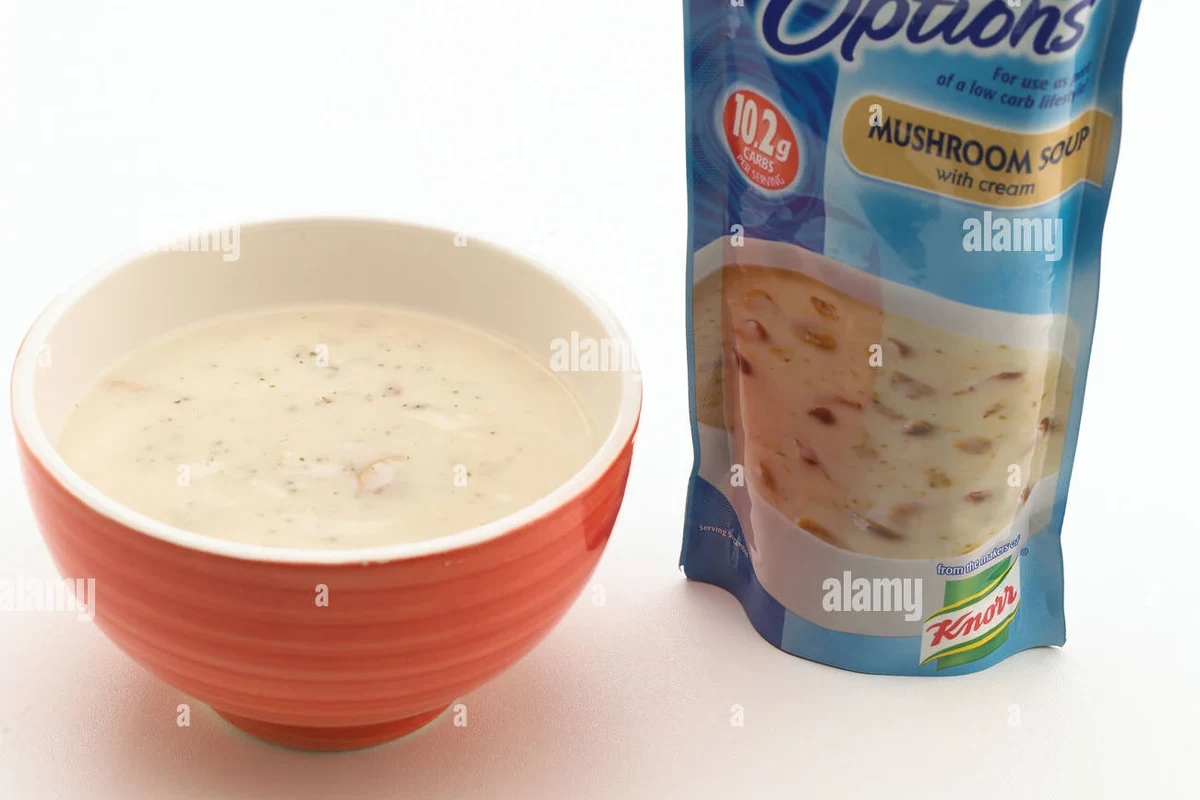
At their core, soup packets are concentrated blends of dried herbs, dehydrated vegetables, spices, salt, and often a thickening agent like starch. While traditional Belizean cooking relies heavily on fresh recado, coconut milk, and slow-simmered bone broths, soup packets offer a reliable “flavor insurance” policy. Whether you are living in 2026 and juggling a busy work week or simply looking to bolster a thin broth that lacks depth, these packets provide a standardized baseline of seasoning that remains shelf-stable for months.
The Evolution of Convenience: How Modern Soup Packets Fit Into Traditional Cooking

The culinary landscape has shifted to favor efficiency without requiring a total abandonment of heritage flavors. In traditional Belizean kitchens, the “base” is everything. Modern soup packets have evolved to include more refined ingredient profiles, often mimicking the flavor notes of bouillon, poultry, or vegetable stocks. By integrating these into a pot of red kidney beans or a hearty fish soup, you are essentially layering flavors—using the packet as a foundation while still folding in fresh cilantro, habanero, or culantro to maintain that signature Belizean profile.
Key Ingredients to Look For: Navigating Quality in Dehydrated Bases

Flavor Enhancers vs. Natural Bases: Understanding the Label
When selecting soup packets, the ingredient list is your best indicator of quality. Look for bases that prioritize identifiable ingredients like dehydrated onions, garlic, turmeric, or celery over long lists of chemical flavor enhancers. While some level of yeast extract or hydrolyzed vegetable protein is common to provide umami, excessive focus on artificial coloring or synthetic flavorings often results in a one-dimensional, overly “chemical” taste that can clash with the natural sweetness of fresh local produce. Soup Packets
Sodium Content and Dietary Considerations for the Health-Conscious Cook
Sodium is the primary preservative and flavor driver in almost all dehydrated soup bases. It is vital to recognize that these packets are rarely “low sodium” by default. If you are managing your salt intake, check the labels specifically for “reduced sodium” variants or use only half a packet, compensating for the lost salt with fresh lime juice or extra aromatics like roasted garlic and onions.
Real-Kitchen Benefits: When to Use Packets to Elevate Your Soups and Stews
Strategic Uses: Boosting Body, Depth, and Umami in Slow-Cooked Dishes
Packets are particularly effective when you are working with leaner proteins or vegetables that don’t release much natural gelatin or fat during cooking. A small amount of a chicken or vegetable-based packet can add a necessary “savoriness” to a vegetable soup, effectively rounding out the palate. They act as a binder, helping to marry the flavors of the liquid and the solids more quickly than a long, slow simmer might achieve alone.
Time-Saving Hacks for Busy Weeknights Without Sacrificing Belizean Flavor
For a quick weeknight meal, a soup packet can serve as the primary seasoning for a “quick stew.” By sautéing your trinity of onion, sweet pepper, and garlic, then adding a packet dissolved in water, you create an instant, flavorful poaching liquid for chicken or shrimp. This method saves you the hours required to render a traditional stock while still providing a comforting, aromatic result.
Common Mistakes to Avoid When Cooking with Soup Packets
The Over-Salting Trap: How to Balance Flavors Properly
The cardinal sin of using soup packets is adding them to a dish that already contains salted meat or other salty seasonings (like soy sauce or seasoned salt) without adjusting. Always season your dish after the packet has been incorporated and simmered for a few minutes. Taste your broth before adding any additional salt to ensure you don’t cross the threshold from savory to inedible.
Texture Issues: Avoiding Clumping and Ensuring Proper Dissolution
To avoid lumps of concentrated seasoning, never dump the packet directly into a boiling pot. Instead, whisk the contents into a small amount of room-temperature water or broth in a separate bowl to create a smooth slurry. Once fully dissolved, stir this mixture into your main pot. This ensures an even distribution of flavor and prevents those surprise “salty pockets” that can ruin a spoon of soup.
- Use a whisk to incorporate the powder into a small amount of liquid before adding to the pot.
- Always taste your broth after adding the packet but before adding extra salt.
- Pair packet bases with fresh lime or fresh herbs at the very end of cooking to “brighten” the flavor profile.
Storage, Shelf Life, and Food Safety: Keeping Your Pantry Staples Fresh
The Ideal Environment: Protecting Packets from Humidity and Heat
Dehydrated packets are highly susceptible to moisture. In the humid climate of Belize, a packet that isn’t airtight will quickly harden into a brick or become clumpy. Store your packets in an airtight container or a resealable plastic bag in a cool, dark cupboard far from the stove. If you notice a packet has started to clump, it is usually a sign that moisture has compromised the seal.
Recognizing Signs of Spoilage and Understanding Expiration Cycles
While dehydrated items have a long shelf life, they are not immortal. If a packet shows signs of discoloration, an off-smell, or evidence of pests, discard it immediately. By 2026, many manufacturers have improved packaging technology, but the rule remains: if the integrity of the foil seal is breached, the risk of oxidation and spoilage increases significantly.
The Substitution Guide: When to Use Packets vs. Homemade Stocks
When to Rely on Packets: Emergency Pantry Solutions
Rely on packets during emergency pantry situations, camping trips, or when you simply don’t have the time to boil bones for 4-6 hours. They are excellent for boosting the flavor of rice or beans when you need a quick side dish that tastes more complex than plain boiled water.
When to Prioritize Scratch-Made Bases for Authentic Belizean Dishes
For iconic dishes like traditional Boil Up or a slow-cooked Cow Foot soup, there is no substitute for the real thing. Homemade bone broth provides a viscosity and depth of flavor that dehydrated packets simply cannot replicate. Use scratch-made stocks for the foundation of your most important meals and save the packets for everyday utility.
- Use packets as a flavor booster, not as the sole foundation for traditional, long-cooked dishes.
- Always dissolve the powder in a separate small amount of water to avoid clumping.
- Be mindful of sodium levels and taste your food before adding extra salt.
- Store packets in airtight containers to prevent moisture absorption in humid environments.
Frequently Asked Questions
While they provide a quick flavor base, they lack the gelatin and nutritional complexity of authentic homemade stock. Use them as a supplement or a time-saving alternative rather than a complete replacement for traditional long-simmered broths.
Most soup packets contain a high concentration of salt as a preservative and flavor carrier. Always add the packet first, simmer, and taste before adding any additional salt or salty seasonings to your dish.
Whisk the powder into a small amount of room-temperature liquid in a separate bowl to create a smooth slurry. Once lump-free, stir this mixture into your main pot to ensure even distribution.
Keep them in an airtight container or a heavy-duty resealable plastic bag in a cool, dark cupboard. Avoid storing them near the stove, as the heat and humidity will cause the contents to clump and harden.
Look for low-sodium versions or packets with cleaner ingredient lists that minimize artificial additives. You can also make your own dried seasoning blends using dehydrated garlic, onion, and herbs to control exactly what goes into your pot.
Check for changes in color, a strange odor, or physical hardening of the powder. If the packaging seal is broken or the product appears unusually clumped despite proper storage, it is safer to discard it.