How Long to Cook Stew Meat on Stove

Cook stew meat on the stove for a minimum of two to three hours on low heat to ensure the connective tissues break down properly. This slow, gentle simmering process is the only way to achieve a fork-tender, melt-in-your-mouth texture.
Achieving the perfect texture in a stovetop stew requires patience, as the meat must break down slowly over several hours. To ensure your dish is tender and flavorful, plan for a cooking time of at least two to three hours on low heat.
- Time Requirement: Plan for 2 to 3 hours of simmering for maximum tenderness.
- Heat Control: Always use a low simmer; boiling will make the meat tough and dry.
- Cut Selection: Choose cuts like chuck roast that are rich in collagen for the best results.
- Technique: Sear the meat first to build flavor and always deglaze the pot with liquid.
How Long to Cook Stew Meat on the Stove: The Golden Rule for Tenderness
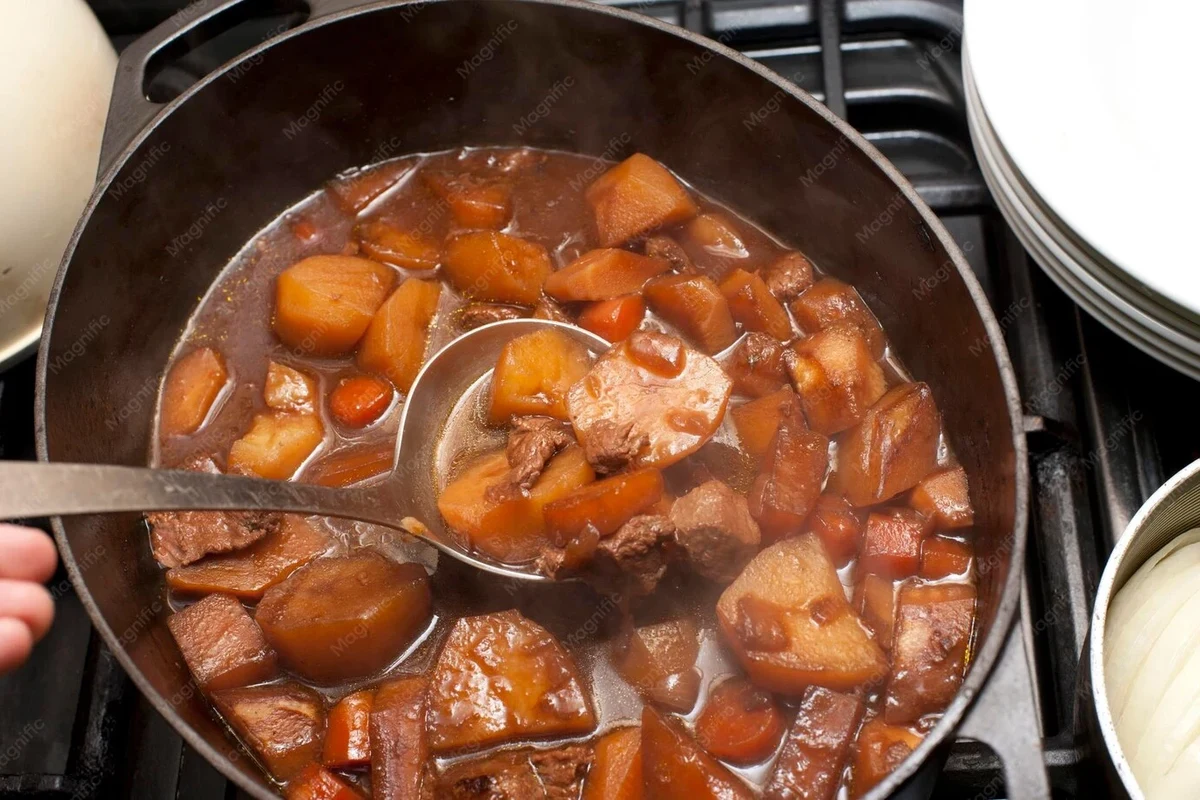
Cooking stew meat on the stovetop is a fundamental skill for any home cook looking to master hearty, comforting meals. Unlike quick-cooking proteins, stew meat—typically cut from tougher parts of the animal—requires a specific approach to transform it from chewy to melt-in-your-mouth tender. In 2026, many home cooks are returning to these slow-cooking methods to maximize flavor and value in their kitchens.
What is Stew Meat and Why Does It Require Low and Slow Cooking?
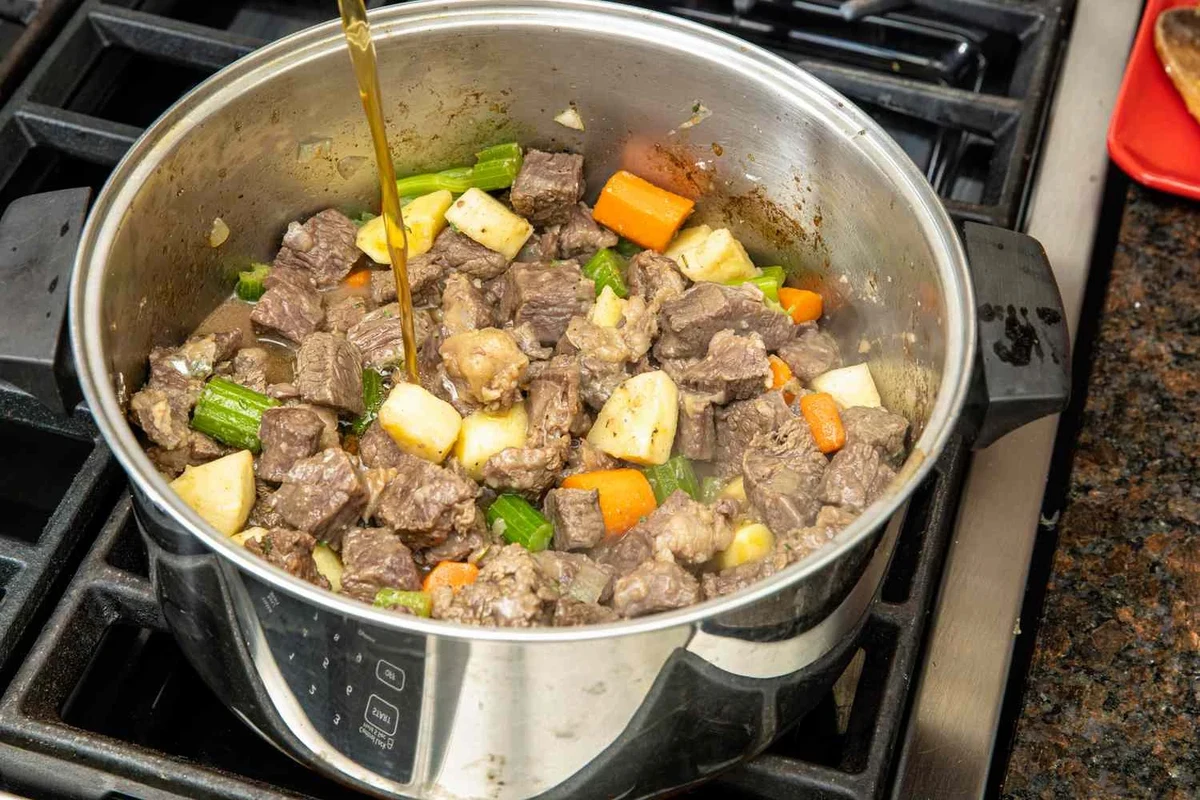
Stew meat is usually sourced from muscles that do a lot of work, such as the shoulder or leg. These cuts are packed with connective tissue and collagen, which are nature’s way of holding the animal together but are notoriously tough to chew when cooked quickly.
Understanding Connective Tissue and Collagen Breakdown
Collagen is a structural protein that turns into gelatin when exposed to moist heat over an extended period. This process is the secret to a rich, silky gravy and tender meat. If you rush the process, the collagen remains intact, resulting in meat that feels rubbery or stringy regardless of the quality of the cut.
Why “Fast Cooking” Ruins Stew Meat
High-heat methods, like frying or grilling, are designed for tender cuts. When applied to stew meat, high heat causes muscle fibers to tighten and contract rapidly, squeezing out moisture and leaving you with a dry, tough result. The “low and slow” method is not just a suggestion; it is the only way to effectively dissolve the connective tissues that make these cuts challenging.
If you find yourself needing to prepare a meal more quickly, consider how you might use soup packets in your Belizean kitchen to build a deep, aromatic base that complements the slow-cooking time of your meat.
The Ideal Cooking Time: Precision for the Perfect Texture
While the exact time can vary based on the size of the meat cubes and the specific cut, the stove is a forgiving environment if managed correctly.
The 2-Hour Benchmark vs. The 3-Hour Sweet Spot
For most beef or hearty meat stews, two hours is the absolute minimum to start seeing a change in texture. However, the three-hour mark is often where the magic happens. At this stage, the fibers relax fully, and the meat begins to pull apart with the slightest pressure from a fork.
How to Identify “Fork-Tender” Doneness
The best indicator of doneness is physical feedback. Use a fork to press against a piece of meat; if it yields easily or begins to flake apart without resistance, it is ready. If it feels firm or bounces back, it needs more time on the stove.
Essential Ingredients and Prep for Belizean-Style Stews
Selecting the Best Cuts: Chuck vs. Round
Chuck roast is widely considered the gold standard for stews because of its ideal fat-to-connective-tissue ratio. Round cuts are leaner and can sometimes become dry if not monitored closely. When choosing your equipment, ensure you are using a heavy-bottomed pot, which helps distribute heat evenly—a feature you might look for when upgrading to the best 30-inch gas stove top in 2026.
The Importance of Marination and Aromatics
Marinating your meat in citrus, garlic, and local spices not only infuses flavor but can also help tenderize the exterior of the meat before it even hits the pot. Aromatics like onions, bell peppers, and thyme are essential for building the foundation of a traditional stew.
Step-by-Step Technique: Achieving Flavor Depth on the Stovetop
Pat the meat dry and brown it in batches over medium-high heat. Do not crowd the pan, as this causes the meat to steam rather than caramelize.
Pour in your liquid—stock, water, or wine—and scrape the browned bits (fond) from the bottom of the pot. These bits are pure flavor.
Reduce the heat to the lowest setting. You want a gentle bubble, not a rolling boil, to keep the meat from toughening.
Common Mistakes That Lead to Tough or Bland Stews
- Keep the pot covered to retain moisture.
- Rest the stew for 10-15 minutes before serving.
- Adding cold liquid during the simmer, which drops the temperature.
- Boiling the meat, which ruins the texture.
Always remember that adding cold ingredients mid-cook causes a “stall” in the process. If you need to add more liquid, warm it up in a separate vessel first to maintain the internal temperature of your stew.
Safety, Storage, and Reheating Best Practices
According to standard food safety guidelines, never leave cooked stew at room temperature for more than two hours. Once cooled, store in shallow containers in the refrigerator for up to 3-4 days.
When reheating, do so slowly on the stove. If you are portioning out your meals, keep in mind how many ounces in a bowl of soup or stew you typically consume to avoid repeated cooling and reheating cycles, which degrade the quality of the meat.
Troubleshooting: Saving Your Stew When Things Go Wrong
If your meat remains tough after three hours, simply add a splash more liquid, cover tightly, and continue to simmer. Toughness at this stage almost always indicates that the collagen has not yet fully converted to gelatin. If your gravy is too thin, you can remove the lid for the final 20 minutes of cooking to allow the liquid to reduce, or whisk in a small amount of cornstarch slurry.
Final Recommendations for the Home Cook
The secret to a great stew is not a complex recipe, but a commitment to the timeline. By choosing high-quality chuck meat, searing it properly, and allowing it to simmer gently for at least three hours, you ensure a delicious result. Always prioritize a low, steady heat and avoid the temptation to rush the process, and you will consistently produce tender, flavorful meals.
Common Questions
Yes, smaller cubes may cook slightly faster, but the collagen breakdown process still requires significant time regardless of size.
It is better to add vegetables in the last 45-60 minutes of cooking to prevent them from becoming mushy while the meat finishes.
Searing creates a flavorful crust through the Maillard reaction, which adds depth and complexity to the final gravy.
A heavy-bottomed pot, like a Dutch oven, is ideal because it retains heat steadily and prevents hot spots that can scorch the bottom.
Yes, provided you are home to monitor the pot and ensure the liquid level remains sufficient to prevent burning.
Frequently Asked Questions
It is generally not recommended. Stew meat requires at least two hours to break down the connective tissue; anything less will likely result in chewy, tough meat.
The meat is done when it is fork-tender. This means it should easily pull apart or flake when pressed with a fork.
No, you should avoid boiling. A gentle simmer is best because high-heat boiling can cause the muscle fibers to tighten and become dry.
Chuck roast is widely considered the best choice due to its balance of fat and connective tissue, which yields the most tender results after slow cooking.
You can store leftover stew in the refrigerator for 3 to 4 days. Ensure it is kept in an airtight container and cooled promptly after cooking.
If the meat is still tough, it likely needs more time. Continue simmering on low heat, ensuring there is enough liquid, until the connective tissue breaks down.