How Long to Broil Chicken Thighs

Boneless chicken thighs typically require 8 to 12 minutes to broil, while bone-in thighs take 18 to 22 minutes. Always use a meat thermometer to ensure the thickest part of the meat reaches an internal temperature of 165°F (74°C).
Broiling chicken thighs is a high-heat cooking technique that delivers a restaurant-style char and crispy skin in a fraction of the time required for traditional baking. By utilizing the intense direct heat from your oven’s top element, you can achieve juicy, flavorful meat that pairs perfectly with your favorite sides.
- Timing: Bone-in thighs take significantly longer than boneless varieties.
- Safety: Always reach an internal temperature of 165°F for food safety.
- Technique: Pat the chicken dry to ensure the skin crisps properly.
- Placement: Keep the oven rack 5-6 inches from the broiler to prevent burning.
How Long to Broil Chicken Thighs: The Ultimate Timing Guide for 2026
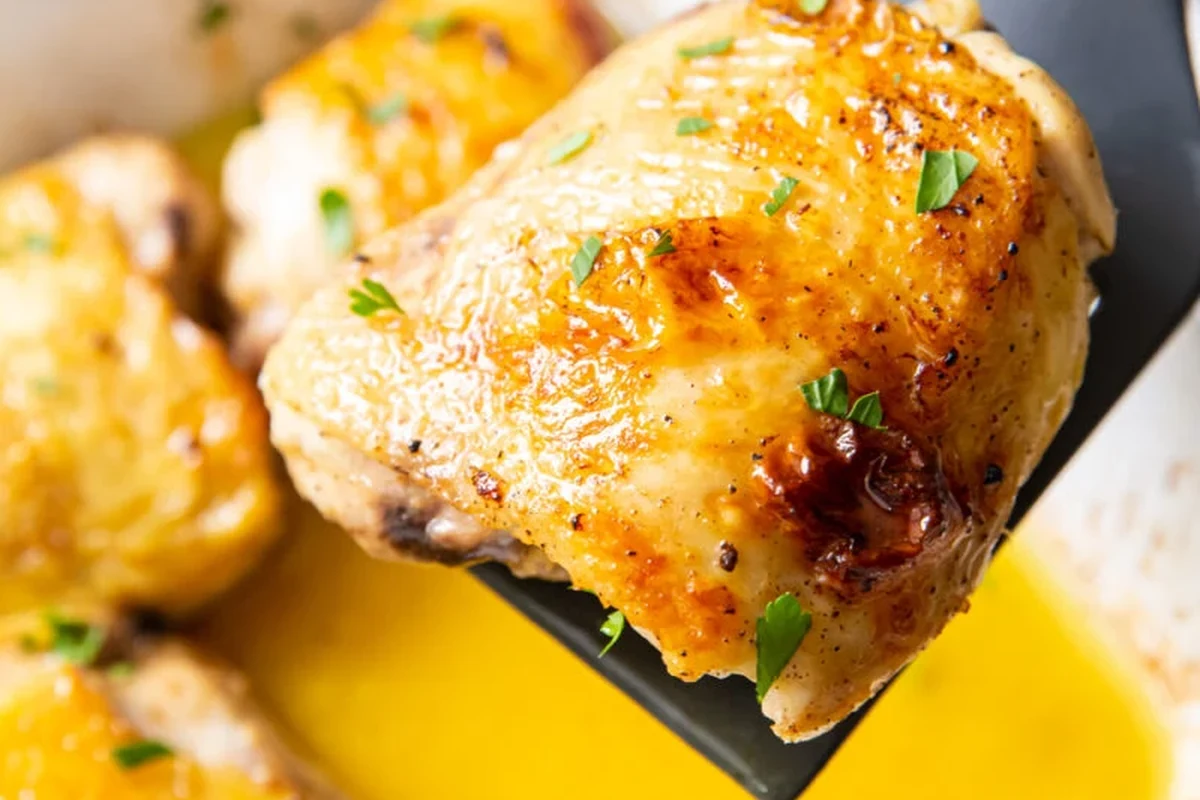
In 2026, home cooks are increasingly looking for ways to maximize flavor while minimizing time spent in the kitchen. Broiling is one of the most efficient methods to achieve a savory crust on poultry. Generally, boneless chicken thighs take approximately 8 to 12 minutes to broil, while bone-in, skin-on thighs require 18 to 22 minutes to ensure the center is fully cooked without burning the exterior.
Understanding the Broiling Method: Why It’s a Game Changer

What is Broiling and Why Use It for Chicken Thighs?
Broiling is essentially “upside-down grilling.” Instead of heat coming from below, the burner at the top of your oven radiates intense, direct heat onto the food. Because chicken thighs have a higher fat content than breasts, they are exceptionally well-suited for this method. The fat renders quickly, basting the meat from the inside while the high heat caramelizes the surface.
The Belizean Twist: Achieving That Perfect Char
Drawing from traditional Caribbean influences, many cooks prefer a deep, mahogany char on their chicken. To achieve this, ensure your dry rub or marinade is well-balanced. Using the best spices for chicken can elevate the natural richness of the thigh, creating a crust that is both smoky and aromatic when exposed to the broiler’s intense heat.
Always pat your chicken thighs dry with paper towels before seasoning. Excess moisture creates steam, which prevents the skin from getting that signature crispy texture.
The Essential Broiling Timing Chart
| Chicken Type | Estimated Time | Internal Temperature |
|---|---|---|
| Boneless, Skinless | 8–12 Minutes | 165°F (74°C) |
| Bone-in, Skin-on | 18–22 Minutes | 165°F (74°C) |
Bone-In vs. Boneless: Adjusting Your Clock
Bone-in thighs are denser and require more time for the heat to penetrate to the bone. If you are rushing, boneless options are the clear winner. However, bone-in cuts often yield a more succulent result. If you enjoy experimenting with different textures, you might also compare this to air fryer chicken thighs, which offer a different kind of crispiness.
Skin-On vs. Skinless: Managing the Fat Render
Skin-on thighs are the gold standard for broiling. As the skin renders, it protects the meat. Skinless thighs can dry out faster under the direct heat of the broiler, so keep a close eye on them during the final minutes of cooking.
Selecting the Best Chicken Thighs for the Broiler
What to Look for at the Butcher Shop
When shopping, look for thighs that are firm to the touch and have a consistent color. For skin-on varieties, ensure the skin is intact and covers the majority of the meat. If you are preparing a large batch for a week of meals, consider looking into effective meal prep ideas with chicken breast or thighs to make the most of your oven time.
Step-by-Step Technique: Achieving Restaurant-Quality Results
Common Mistakes to Avoid When Broiling Chicken
- Use a heavy-duty broiler pan or a rimmed baking sheet with a wire rack.
- Rotate the pan halfway through if your broiler heats unevenly.
- Do not place the chicken too close to the flame, or the sugar in your seasoning will burn before the meat is cooked.
- Do not crowd the pan, as this causes the chicken to steam rather than sear.
Food Safety, Storage, and Reheating
According to USDA guidelines, all poultry must reach an internal temperature of 165°F (74°C) to be considered safe for consumption. Use a calibrated food thermometer to confirm.
Leftover broiled thighs can be stored in an airtight container in the refrigerator for up to 3-4 days. To reheat without drying the meat out, use a low-heat setting in the oven or an air fryer, adding a splash of water or broth to the dish to maintain moisture.
Troubleshooting Your Broiler Experience
If you notice the skin is charring too quickly while the center remains raw, immediately move the oven rack down one level. If the cooking appears uneven, rotate your baking sheet 180 degrees midway through the process. Remember that every oven is different, so your first time using the broiler may require active observation.
Final Verdict: Is Broiling the Best Way to Cook Chicken Thighs?
Broiling is the premier method for home cooks seeking a rapid, crispy, and flavorful chicken thigh with minimal cleanup. It is ideal for busy weeknights when you want a “grilled” flavor without firing up the outdoor barbecue. While it requires attentive monitoring to prevent burning, the results are well worth the effort for anyone prioritizing texture and taste.
Common Questions
Yes, preheating the broiler for 5-10 minutes is essential to ensure the heat is intense enough to sear the chicken surface immediately.
You can, but be careful with sugary marinades as they will burn quickly under direct heat. Apply thicker glazes only during the last few minutes of cooking.
A heavy-duty broiler pan or a rimmed baking sheet fitted with a wire rack is best to allow air circulation and fat drainage.
Chicken thighs are forgiving due to their fat content, but monitor them closely to prevent overcooking once the internal temperature hits 165°F.
Soaking the pan in hot, soapy water immediately after use helps loosen burnt-on grease and makes cleanup significantly easier.
Frequently Asked Questions
Place your oven rack about 5 to 6 inches away from the broiler element. This distance provides enough heat to crisp the skin without burning the surface too quickly.
Yes, flipping the chicken halfway through the cooking process ensures even browning on both sides. Use tongs to avoid piercing the meat and losing juices.
It is not recommended to broil frozen chicken. The exterior will burn before the interior reaches a safe temperature; always thaw chicken completely in the refrigerator first.
The only reliable way to check for doneness is using a meat thermometer. The chicken is safe to eat once the internal temperature reaches 165°F (74°C).
Smoking is usually caused by fat drippings hitting the hot bottom of the oven or an accumulation of grease on the broiler pan. Ensure your pan is clean and consider placing a piece of foil under the wire rack to catch drippings.
Yes, lining your baking sheet with foil makes cleanup much easier. Just ensure you use a wire rack on top of the foil so the chicken isn’t sitting in its own rendered fat.