High Protein Chicken Tenders

High protein chicken tenders are a lean, muscle-building alternative to traditional fried chicken that uses nutrient-dense coatings and efficient cooking methods. They provide a satisfying crunch while maintaining a favorable protein-to-calorie ratio for your fitness goals.
High protein chicken tenders offer a fitness-focused twist on a classic comfort food, providing a lean, muscle-building meal without the heavy deep-frying typical of restaurant versions. By utilizing nutrient-dense coatings and efficient cooking methods, you can enjoy a satisfying crunch that supports your dietary goals in 2026.
- Lean Protein: Uses breast or tenderloin for a high-quality, low-fat protein source.
- Smart Coating: Replaces refined flour with almond flour or parmesan for better macros.
- Efficient Cooking: Air-frying provides the perfect crisp without the need for deep-frying.
- Meal Prep Ready: Easily stored and reheated for quick, healthy meals throughout the week.
What Are High Protein Chicken Tenders?
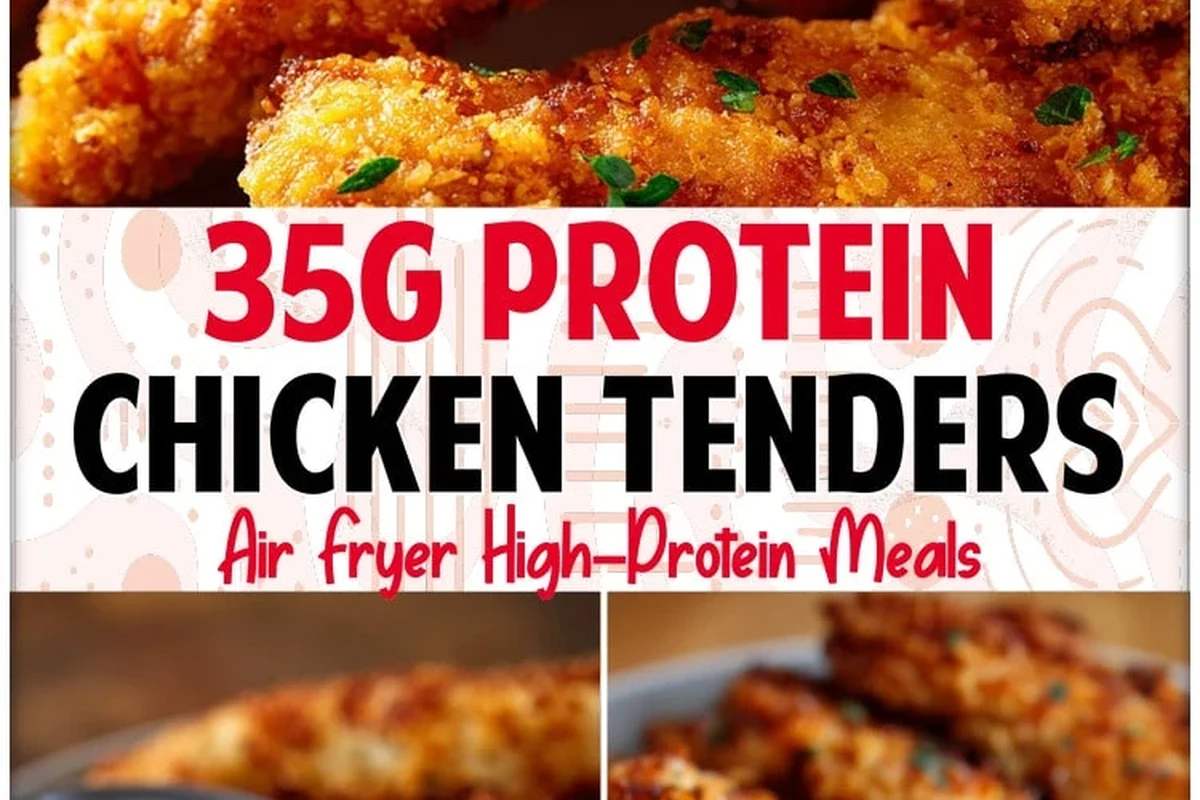
High protein chicken tenders are a modified version of traditional breaded chicken strips, designed to maximize protein content while minimizing refined carbohydrates and excess fats. Unlike standard tenders that rely on thick flour-based batters and deep-frying, these versions prioritize lean white meat and protein-forward coatings like almond flour, crushed seeds, or whey protein blends. This makes them a staple for those looking to maintain their macros without sacrificing the texture of a crispy, savory bite.
Why Choose High Protein Chicken Tenders for Your Fitness Goals
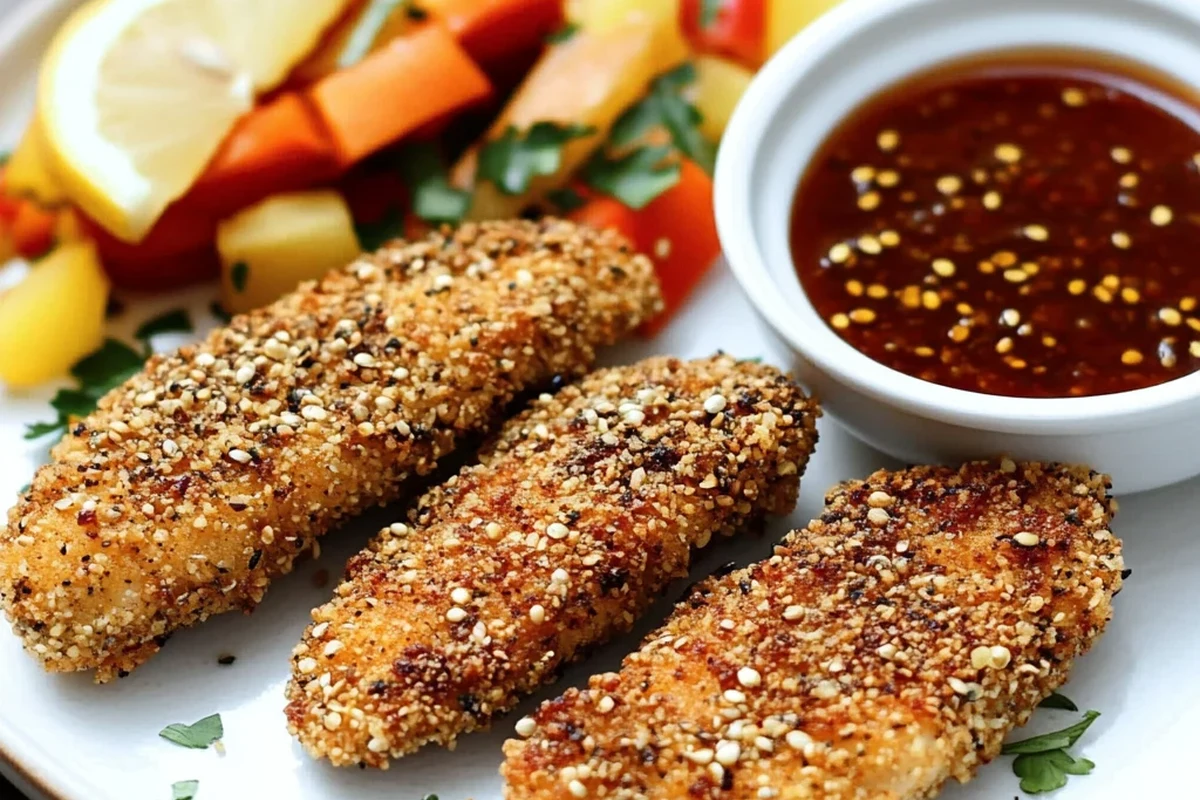
The Nutritional Breakdown: Protein vs. Calories
The primary advantage of this recipe is the favorable protein-to-calorie ratio. Chicken breast is naturally lean and high in quality amino acids. By replacing empty-calorie breading with functional ingredients like parmesan cheese, flaxseed meal, or panko-style protein crumbs, you create a dish that keeps you satiated for longer. This approach is significantly more efficient than standard breading, which often adds unnecessary simple sugars and processed starches.
Who Benefits Most from This Recipe?
These tenders are ideal for athletes, busy professionals, and home cooks who prioritize efficient meal prep. Whether you are fueling up after a workout or looking for a kid-friendly dinner that doesn’t compromise on nutrition, this dish provides a versatile baseline for a healthy diet. Much like a hearty chicken leek and potato soup recipe, this meal relies on clean ingredients to provide sustained energy.
Essential Ingredients for the Ultimate High-Protein Coating
Selecting the Right Cuts: Breast vs. Tenderloin
While the choice between breast meat and tenderloin often comes down to personal preference, tenderloins offer a softer, more uniform texture that cooks quickly. Chicken breast, when sliced into strips, allows for more control over the size and thickness of your pieces, ensuring even cooking. Both options are excellent, provided you trim away any excess fat or connective tissue to keep the protein quality high.
To ensure uniform cooking, try to slice your chicken strips to a consistent width. If using whole breasts, use a meat mallet to gently pound them to an even thickness before cutting.
The Science of the Protein-Dense Breading
The “crunch” in a healthy tender comes from the Maillard reaction—a chemical reaction between amino acids and reducing sugars that gives browned food its distinctive flavor. By using a coating of finely grated parmesan or crushed nuts, you provide the structure needed for this browning to occur without needing a heavy oil bath. This is a common technique used in many modern recipes to replicate the mouthfeel of fried food.
Step-by-Step Cooking Technique: Achieving the Perfect Crunch
Preparation and Marination for Maximum Moisture
Marination is the secret to preventing lean chicken from drying out. A short soak in a mixture of Greek yogurt or buttermilk not only tenderizes the meat but also acts as a binder for your breading. This technique is often seen in our popular Belizean BBQ chicken recipe, where marination ensures flavor depth throughout the protein.
The Baking vs. Air-Frying Debate
In 2026, air-frying has become the gold standard for home cooks seeking a crispy texture with minimal oil. The rapid circulation of hot air mimics the effect of a deep fryer, creating a golden crust that is difficult to replicate in a standard oven. While baking is a reliable alternative, air-frying significantly reduces the total cook time and provides a more uniform “fried” finish.
Mastering the Recipe: Ingredients and Instructions
Ingredients List
- 1 lb chicken tenderloins or sliced breast
- 1/2 cup Greek yogurt (for binding)
- 1/2 cup almond flour or protein-enriched panko
- 1/4 cup grated parmesan cheese
- 1 tsp paprika, garlic powder, and onion powder
- Salt and black pepper to taste
Cooking Instructions and Doneness Cues
According to USDA guidance, poultry must reach an internal temperature of 165°F (74°C) to be safe for consumption. Always use a digital meat thermometer to verify doneness.
Common Mistakes That Ruin Texture
The most common error is overcrowding the air fryer or oven rack. When pieces touch, they steam rather than crisp. Always work in batches to allow the hot air to circulate freely. Additionally, failing to dry the chicken before dipping it in the yogurt can lead to a soggy, falling-off coating.
Customizing Your Tenders: Substitutions and Flavor Profiles
Gluten-Free and Low-Carb Alternatives
If you are avoiding gluten or carbohydrates, shredded unsweetened coconut or crushed pork rinds can serve as excellent, crunchy alternatives to traditional breadcrumbs. These ingredients add healthy fats and protein, keeping the meal compliant with various dietary protocols.
Infusing Belizean Flavors into Your Tenders
To bring a touch of the Caribbean to your kitchen, consider incorporating a hint of habanero powder into your dry rub or serving the tenders with a side of citrus-infused dipping sauce. Much like our Belizean chicken tacos recipe, the key is balancing the heat with a bright, acidic element to cut through the richness of the breading.
Food Safety, Storage, and Reheating Best Practices
Safe Handling of Raw Poultry
Always keep raw chicken separate from other ingredients. Use a dedicated cutting board and wash your hands thoroughly with soap and water for at least 20 seconds after handling poultry. Never reuse the marinade as a sauce unless it has been boiled to a safe internal temperature.
Proper Storage for Meal Prep
Cooked tenders can be stored in an airtight container in the refrigerator for up to 3–4 days. For longer storage, freeze them in a single layer on a baking sheet before transferring them to a freezer-safe bag, where they will remain quality-stable for up to 2 months.
How to Reheat Without Sacrificing Crunch
Avoid the microwave, which will turn the breading soft and rubbery. Instead, reheat your tenders in an air fryer or toaster oven at 350°F for about 5 minutes. This restores the crispness of the coating while warming the chicken through.
Value and Efficiency: Why Homemade Tenders Win
Cost Comparison: Store-Bought vs. Homemade
While pre-packaged frozen tenders are convenient, they often contain hidden fillers, preservatives, and high sodium levels. Homemade tenders allow you to control the quality of the meat and the purity of the coating, often resulting in a lower cost per serving when bought in bulk, especially when utilizing versatile pantry staples.
Time-Saving Tips for Busy Schedules
You can bread a large batch of tenders ahead of time and keep them in the freezer. Simply pull out the number of pieces you need, add a minute or two to your cooking time, and enjoy a freshly cooked meal in under 15 minutes.
Final Recommendation: Elevating Your Weekly Meal Prep
High protein chicken tenders are an essential tool for any home cook looking to balance convenience with nutritional density. By focusing on simple, high-quality ingredients and utilizing efficient cooking methods like air-frying, you can create a reliable, delicious, and protein-packed meal that fits seamlessly into your weekly routine. Start with a basic batch this week and experiment with custom spice blends to find your favorite flavor profile.
Common Questions
They use lean chicken breast and protein-rich coatings like almond flour or parmesan instead of refined carbohydrates.
Yes, you can bread them and freeze them, or store the cooked tenders in the fridge for up to four days.
Homemade versions allow you to control the ingredients, significantly reducing sodium, preservatives, and processed fillers.
Pat the chicken dry before applying the binder and press the breading firmly into the surface of the meat.
Cook until the chicken reaches an internal temperature of 165°F, typically 10–12 minutes at 375°F in an air fryer.
Frequently Asked Questions
It is best to thaw chicken completely before breading to ensure even cooking and food safety. Using frozen chicken will prevent the coating from sticking properly and may lead to uneven internal temperatures.
An air fryer is the most effective tool for achieving a crispy texture without deep-frying. Ensure you don’t overcrowd the basket so air can circulate.
Store cooked tenders in an airtight container in the refrigerator for up to 3 to 4 days. Always ensure they are cooled before sealing to prevent moisture buildup.
The recipe is naturally gluten-free if you use almond flour or a certified gluten-free protein crumb. Always check labels on panko or breadcrumbs to ensure they meet your dietary needs.
Chicken must reach an internal temperature of 165°F (74°C) to be considered safe. Use a digital probe thermometer for the most accurate reading.
Yes, you can bake them in an oven at 400°F on a wire rack placed over a baking sheet. The rack helps air circulate under the chicken, promoting a crispier bottom.