High Protein Healthy Snacks

High protein healthy snacks work best when they combine a real protein source with fiber or healthy fat. For Belizean kitchens, the easiest choices are eggs, beans, tuna, yogurt, chicken, cheese, nuts, and seeds.
High protein healthy snacks help you stay full longer, bridge meals, and keep busy days from turning into random grazing. In Belizean kitchens, the best options are usually simple: eggs, beans, yogurt, tuna, chicken, cheese, nuts, seeds, and smart pantry staples that are easy to portion and easy to carry.
- Best formula: Pair protein with fiber or healthy fat for better fullness.
- Belize-friendly foods: Eggs, beans, tuna, tortillas, avocado, and chickpeas fit easily into local meals.
- Packaged snack rule: Check sugar, sodium, and serving size before buying.
- Safety matters: Keep perishables cold and follow safe cooking guidance for eggs, chicken, fish, and dairy.
High Protein Healthy Snacks: What They Are and Why They Matter

A good high-protein snack is not just “something with protein in it.” It should also be practical, satisfying, and balanced enough to hold you over until your next meal. For Belizean households in 2026, that usually means snacks that can work for school bags, office breaks, beach trips, after-practice hunger, and late-afternoon cravings without turning into a sugary crash.
Quick answer: the best high-protein snacks for busy Belizean households
The most reliable options are boiled eggs, Greek yogurt with seeds, tuna on corn tortillas, bean dip with vegetables, roasted chickpeas, chicken bites, cheese with fruit, and peanut or nut mixes in sensible portions. If you want the easiest path, choose one protein source plus one fiber-rich side and keep the portion small enough to feel like a snack, not a second meal.
Who this snack style fits: students, workers, athletes, and families
This style works well for students who need steady focus, workers who may not get a full lunch break, athletes who want a convenient recovery bite, and families trying to reduce constant snacking on low-satiety foods. It also helps anyone who prefers simple Belize-friendly foods over highly processed packaged snacks.
For street-food and snack lovers, the goal is not to remove flavor. It is to keep the snack satisfying, portable, and more balanced so it fits real life.
Key Ingredients for High Protein Healthy Snacks
Start with protein foods that are easy to store, easy to portion, and familiar in local cooking. Then add ingredients that improve texture, freshness, and staying power.
Protein sources: eggs, Greek yogurt, beans, chickpeas, tuna, chicken, cheese, nuts, seeds, and soy
Eggs are one of the simplest options because they cook quickly and pair with many Belizean flavors. Greek yogurt can work for sweet or savory snacks, depending on the brand and added sugar level. Beans and chickpeas are especially useful because they bring both protein and fiber, which helps the snack feel more complete. Tuna, chicken, and cheese are convenient for savory snack plates, while nuts, seeds, and soy foods such as tofu or roasted soy snacks can help when you need a shelf-stable option.
When you choose packaged yogurt, tuna, or roasted nuts, check the label for added sugar, sodium, and portion size. A snack can look healthy but still be too salty or too sweet for everyday use.
Belize-friendly add-ins: plantains, cassava, corn tortillas, avocado, citrus, peppers, and herbs
Belizean ingredients make protein snacks feel more like food and less like diet food. Corn tortillas can carry tuna, beans, or egg fillings. Avocado adds creaminess and helps the snack feel more satisfying. Citrus, peppers, onions, cilantro, and local herbs brighten heavier ingredients. Small portions of plantains or cassava can round out the snack when you need more energy for a long afternoon.
Combining protein with fiber-rich foods, like beans or vegetables, often makes a snack feel more filling than protein alone.
What to look for when buying packaged snacks
For packaged snacks, focus on the ingredient list and the nutrition panel rather than the front label. Look for a clear protein source near the top of the ingredient list, moderate sodium, and limited added sugar. For nut mixes, avoid oversized candy-coated blends if your goal is steady energy. For protein bars or drinks, verify the serving size, because one package may contain more than one serving.
- Choose a real protein source first, then add fiber or healthy fat.
- Check sugar, sodium, and serving size on packaged foods.
- Match the snack to your goal: quick energy, fullness, or recovery.
- Confirm storage needs if the snack will travel in heat.
How to Build a Balanced Snack That Actually Satisfies
The best snacks are built, not guessed. A simple formula helps you avoid snacks that are technically healthy but still leave you hungry an hour later.
The protein-plus-fiber-plus-fat formula
Protein helps with satiety, fiber slows digestion, and fat adds flavor and staying power. Together, they make a snack more stable than a carb-only option. For example, tuna alone is useful, but tuna with avocado and corn tortillas is usually more satisfying. Beans with vegetables, or yogurt with seeds, can follow the same pattern.
Portion sizes and calorie awareness for different goals
Portion size matters because even healthy foods can become heavy if the serving grows too large. A snack should usually tide you over, not replace your main meal unless that is the plan. If your goal is lighter eating, keep the portion modest and emphasize vegetables, broth-based items, or lean protein. If your goal is muscle gain or long work shifts, you may need a larger snack with more carbs and protein. Exact calorie needs vary by age, activity, body size, and health goals, so a registered dietitian can help if you need a more personalized plan.
How to adjust for weight loss, muscle gain, or all-day energy
For weight loss goals, prioritize lean protein, vegetables, and careful portions of nuts, cheese, and starchy sides. For muscle gain, include a stronger protein serving and pair it with a carb source such as corn tortillas, fruit, or cassava. For all-day energy, balance the snack so it is not too small to matter and not so large that it slows you down. The right version depends on when you are eating and what comes next in your day.
Easy High Protein Healthy Snack Ideas for Everyday Eating
These ideas are meant to be realistic, not fancy. They use ingredients that many Belizean shoppers already know how to find and prepare.
No-cook options for work, school, and travel
Boiled eggs, yogurt cups, tuna with crackers or tortillas, cheese cubes with fruit, and nut-and-seed mixes are all easy to pack. If you are traveling in heat, use an insulated bag with cold packs for dairy, eggs, tuna, chicken, and other perishables. For more street-food-style inspiration, you can also browse the site’s snacks collection and the street food snacks category for ideas that fit local eating habits.
Quick assembly snacks using Belizean pantry staples
Try mashed beans on corn tortillas with chopped onion and pepper, chickpeas with lime and herbs, or avocado topped with tuna and a squeeze of citrus. A small bowl of beans with cheese can also work when you need something fast and filling. If you want a more structured chicken option, the site’s high protein chicken tenders and protein chicken tenders guide can help you think through leaner, snack-friendly chicken preparations.
Warm snack options for street-food style cravings
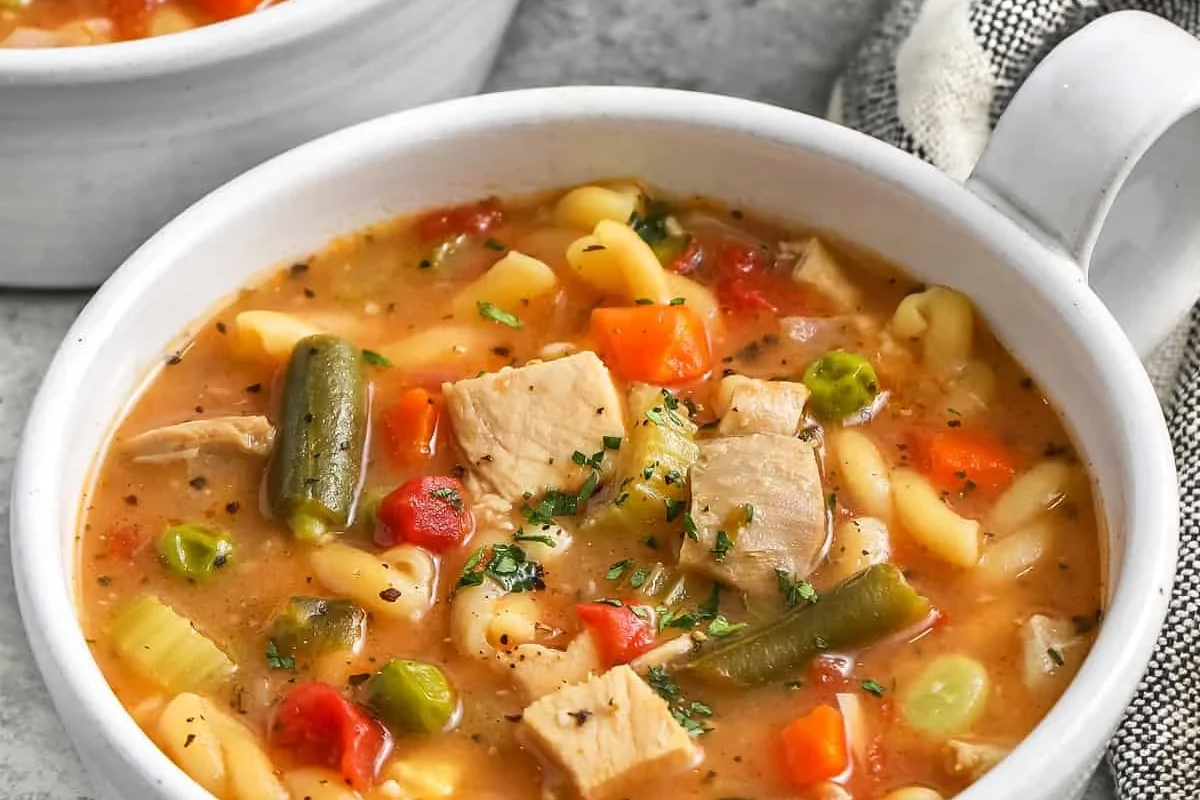
Warm snacks often feel more satisfying because they smell and taste more like a meal. Good options include baked or pan-warmed bean tacos, seasoned chickpeas, egg-and-cheese tortilla folds, or small portions of grilled chicken with peppers. If you prefer a spoonable option, a protein-rich soup can also bridge the gap between snack and light meal; see high protein butternut squash soup for another filling approach.
Cooking and Preparation Techniques That Improve Protein Snacks
Texture matters. A snack that is dry, mushy, or bland is much easier to skip, even if the ingredients are healthy. A few simple preparation habits make a big difference.
Batch-cooking beans, eggs, chicken, and chickpeas
Batch cooking saves time during the week. Cook beans until tender, boil eggs in advance, and prepare chicken in a safe, fully cooked form that can be portioned for snacks. Chickpeas can be cooked from dry or used from a can, then seasoned after draining. Store each item in clean, sealed containers and keep the portions small so they are easy to grab.
- Season beans and chickpeas after cooking so you can change the flavor later.
- Keep chopped herbs, citrus, and peppers separate until serving for fresher taste.
- Use small containers so snack portions stay controlled and portable.
Roasting, grilling, air-frying, and pan-searing for better texture
Roasting and air-frying can make chickpeas or chicken pieces crispier without relying on heavy oil. Grilling adds flavor to chicken and vegetables, while pan-searing works well for quick egg or tofu preparations. The goal is a texture that feels satisfying enough to replace chips or pastries when cravings hit.
How to keep snacks flavorful without relying on excess oil or salt
Use acid, herbs, garlic, onion, pepper, and spices to build flavor. Lime juice, orange juice, and vinegar can brighten beans, chicken, and tuna. Fresh herbs and chopped vegetables also help reduce the need for extra salt. When using packaged seasonings, check the sodium content and remember that strong flavor does not have to mean a salty snack.
Substitutions, Dietary Needs, and Budget-Friendly Swaps
Not every household eats the same way, and not every budget stretches the same distance. The best snack plan is flexible.
Dairy-free, gluten-free, and vegetarian substitutions
For dairy-free snacks, use beans, chickpeas, tuna, eggs, tofu, or seeds instead of yogurt and cheese. For gluten-free choices, corn tortillas, fruit, vegetables, and most plain proteins can work well, but always verify packaged labels because cross-contact and added ingredients vary by manufacturer. Vegetarian snackers can lean on beans, lentils, chickpeas, eggs, yogurt, cheese, soy, nuts, and seeds. If you have allergies or medical dietary needs, follow your clinician’s guidance and label-reading habits carefully.
Allergen risks are real. Check labels for milk, eggs, fish, soy, peanuts, tree nuts, wheat, and any “may contain” statements if cross-contact matters for your household.
Affordable protein swaps for tighter grocery budgets
When budgets are tight, beans, eggs, canned tuna, and peanut-based snacks are often the most practical starting points. Dry beans and chickpeas can stretch further than many ready-made snacks, and they are easy to season in different ways. If chicken or yogurt is too expensive in a given week, build around the lower-cost protein you can reliably find and add vegetables or tortillas to make the snack more complete.
How to adapt snacks for kids, seniors, and active adults
For kids, keep portions smaller, textures easy to chew, and flavors familiar. For seniors, softer foods like egg salad, bean mash, yogurt, or flaky fish may be easier to manage. For active adults, increase the protein slightly and add a carb source if the snack needs to support training or a long work shift. In every case, the safest snack is the one that is easy to eat, easy to digest, and appropriate for the person’s needs.
Food Safety, Storage, and Shelf Life
High-protein snacks often include perishable ingredients, so safe handling matters as much as flavor. When in doubt, follow guidance from recognized food-safety authorities and the manufacturer’s instructions for packaged foods.
Safe handling for eggs, dairy, fish, meat, and cooked beans
Keep raw meats separate from ready-to-eat foods, and wash hands, utensils, and cutting boards after contact with raw animal products. Cook eggs, chicken, and other meats to safe internal temperatures according to USDA or local food-safety guidance. Refrigerate dairy, tuna salads, cooked beans, and cooked chicken promptly, especially in Belize’s warm climate. Cooked beans also need proper cooling and storage to stay safe and maintain quality.
Discard any snack that smells off, looks slimy, has mold, or sat too long in unsafe temperatures. If you are unsure, it is safer to throw it out.
Storage rules for fridge, freezer, and pantry snacks
Perishable snacks belong in the refrigerator or cooler, not on a desk or in a backpack for long periods. Pantry snacks like plain nuts, seeds, and some roasted legumes keep better, but they still need airtight storage away from heat and humidity. Freezing can help with cooked chicken or bean portions if you want to prep ahead, but thaw them safely in the refrigerator or by another recognized safe method.
Signs a snack is no longer safe to eat
Trust your senses, but do not rely on them alone. Off odors, slimy surfaces, unusual color changes, mold, broken cold storage, and damaged packaging are warning signs. For canned tuna, damaged cans, bulging lids, or leaking containers are reasons to discard the product. If a snack has been left out too long, especially in heat, do not try to “save” it by reheating.
Common Mistakes, Value, and Final Recommendation
Many snacks called “healthy” fail because they are more marketing than substance. A little planning helps you avoid that trap and get better value from the food you buy or prepare.
Why some “healthy” snacks fail: hidden sugar, low protein, and oversized portions
Common problems include protein bars with too much sugar, yogurt with dessert-level sweetness, nut mixes with candy pieces, and portions that are large enough to become a full meal without the balance to match. Another issue is snacks that contain protein but almost no fiber or fat, which can leave you hungry again quickly. The label may look healthy, but the actual satiety may be weak.
- More filling than chips, sweets, or refined-carb snacks
- Easy to adapt to Belizean ingredients and local tastes
- Works for school, work, travel, and meal prep
- Perishables need proper cooling and handling
- Some packaged options hide sugar or sodium
- Portions can become too large if you are not careful
How to compare homemade vs. store-bought for cost and convenience
Homemade snacks usually give you better control over ingredients, flavor, and portion size. Store-bought snacks win on convenience, especially for travel or very busy days. The best choice depends on your schedule, budget, and storage access. If you have time to batch-cook, homemade often offers better value. If you need something portable and sealed, a carefully chosen packaged snack may be the better fit.
Best overall approach for BelizeanRecipe readers in 2026
For most households, the smartest approach is to keep a short list of dependable snack combinations and rotate them through the week. Build around eggs, beans, chickpeas, tuna, chicken, yogurt, cheese, nuts, or seeds, then add Belize-friendly extras like tortillas, avocado, citrus, peppers, or herbs. That gives you snacks that are practical, satisfying, and easier to keep safe in real-life conditions.
The best high protein healthy snacks are simple, balanced, and easy to repeat with ingredients you already know how to handle. For BelizeanRecipe readers, the strongest everyday strategy is to combine a real protein source with fiber or healthy fat, keep portions sensible, and choose the version that fits your budget, schedule, and storage situation.
Common Questions
It should contain a meaningful protein source and still be balanced enough to satisfy you. Add fiber or healthy fat when possible.
Boiled eggs, yogurt, tuna, cheese, or a nut mix are the simplest choices. Keep perishables cold until eating.
Yes. Beans and chickpeas are practical, filling, and easy to season with Belizean flavors.
Some are useful, but many have added sugar or small protein amounts. Always check the label.
Use a cooler or insulated bag with ice packs for perishable foods. Do not leave them out too long.
Frequently Asked Questions
Boiled eggs, Greek yogurt, tuna, beans, chickpeas, cheese, nuts, and chicken are dependable choices. The best snack also includes fiber or healthy fat so it keeps you full longer.
Use the protein-plus-fiber-plus-fat formula. For example, pair tuna with avocado and corn tortillas, or yogurt with seeds and fruit.
Not always. Check the label for added sugar, sodium, serving size, and a real protein source near the top of the ingredient list.
Beans, chickpeas, eggs, tuna, tofu, nuts, and seeds are useful dairy-free options. If you have allergies or medical dietary needs, read labels carefully and follow professional guidance.
Keep perishable snacks refrigerated or in a cooler with ice packs, especially in warm weather. Follow USDA or local food-safety guidance for safe storage times and cooking temperatures.
They often choose snacks that are low in protein, high in sugar, or too large to count as a snack. A balanced portion is usually more satisfying and easier to manage.