High Protein Butternut Squash Soup Recipe | Healthy & Creamy Fall Soup

High protein butternut squash soup transforms a traditional autumn favorite into a nutritionally dense meal suitable for any time of the year. By integrating lean protein sources and precise blending techniques, you can create a velvety, satisfying dish that supports your dietary goals without sacrificing the signature sweetness of the squash.
- Protein Boost: Use collagen, Greek yogurt, or tofu to add protein without altering the classic flavor.
- Roasting Matters: Always roast squash at high heat to achieve the best depth of flavor.
- Texture Control: Blend thoroughly and pass through a sieve for a restaurant-quality finish.
- Safe Storage: Refrigerate leftovers promptly and freeze in individual portions for easy meal prep.
High Protein Butternut Squash Soup: A Nutritional Powerhouse for 2026
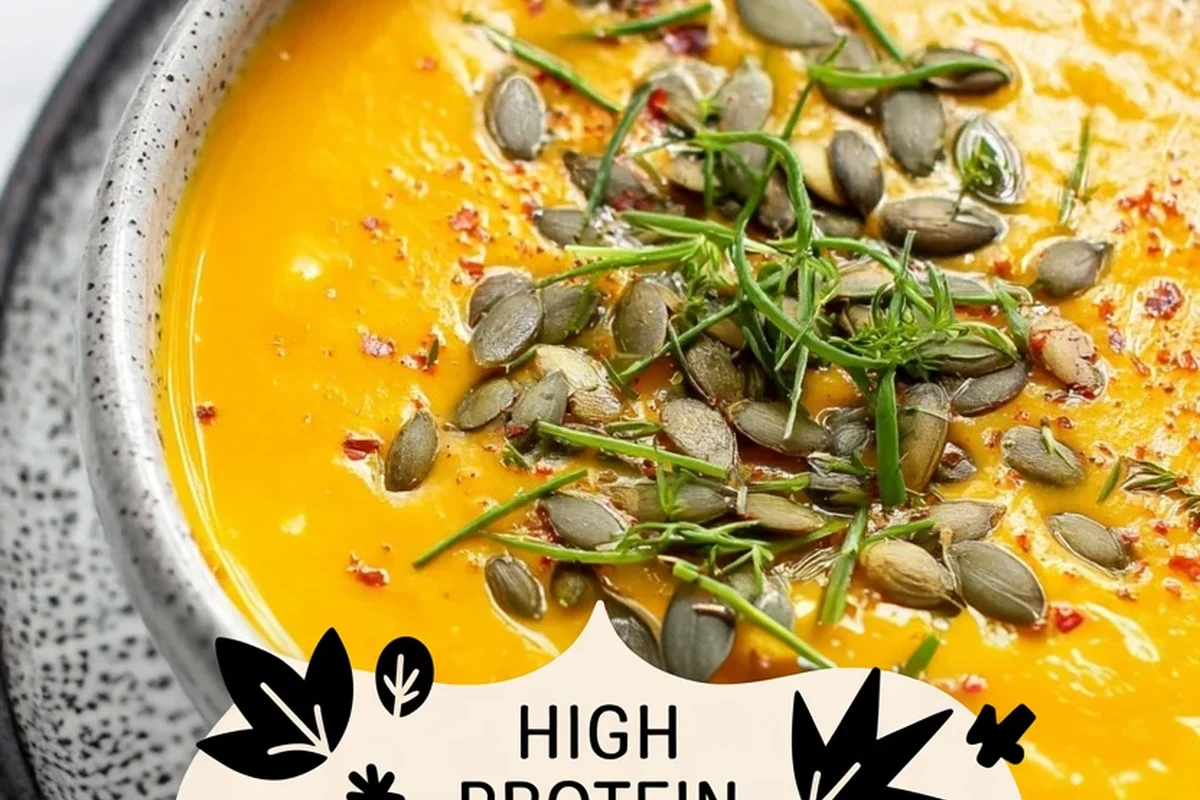
In the culinary landscape of 2026, home cooks are increasingly looking for ways to bolster comfort foods with functional nutrition. Butternut squash is naturally rich in vitamins A and C, but it is low in protein. Elevating this soup requires a thoughtful approach to balancing macronutrients while maintaining the delicate, earthy flavor profile that makes the dish a classic.
What Makes This Butternut Squash Soup High in Protein?

The Science of Boosting Soup Nutrition
Protein addition in pureed soups is a matter of emulsion and texture. Unlike chunky stews, the smooth nature of butternut squash soup allows for the incorporation of powders, dairy, or plant-based proteins that blend seamlessly into the base. The aim is to increase the protein-to-carbohydrate ratio without altering the viscosity or creating a gritty mouthfeel.
Key Ingredients for a Balanced Macro Profile
To achieve a high-protein profile, you must look beyond the vegetable base. Incorporating ingredients like Greek yogurt, unflavored collagen peptides, or silken tofu allows the soup to become a standalone meal rather than just a starter. These additions provide a neutral canvas that lets the roasted squash shine.
Read more: High Protein Butternut Squash Soup
Essential Ingredients and Nutritional Selection Guide

Choosing the Best Butternut Squash
Select squash that feels heavy for its size with a matte, firm skin. Avoid squash with deep gashes or soft spots, as these indicate moisture loss or decay. In 2026, sourcing seasonal, local produce remains the most effective way to ensure optimal flavor and nutrient density.
Protein Sources: Collagen, Greek Yogurt, and Plant-Based Alternatives
Collagen peptides are prized for their ability to dissolve completely without changing the soup’s flavor. For a vegetarian option, Greek yogurt adds a tangy brightness and a creamy texture. If you are preparing a vegan batch, silken tofu provides a neutral, high-protein base that mimics the richness of heavy cream.
Flavor Enhancers: Aromatics and Spices
Butternut squash pairs exceptionally well with warm, woody spices. Nutmeg, ginger, and sage are standard, but adding a hint of smoked paprika or cumin can provide a savory depth that balances the natural sweetness of the squash. High Protein Butternut Squash Soup
Mastering the Technique: How to Cook High Protein Butternut Squash Soup
Step-by-Step Preparation Guide
The Importance of Proper Roasting for Depth of Flavor
Roasting is non-negotiable. While boiling squash is faster, it results in a diluted flavor. High-heat roasting triggers the Maillard reaction, developing complex, roasted notes that contrast beautifully with the creamy texture of the finished soup.
Achieving the Perfect Creamy Texture
For the most luxurious mouthfeel, ensure your blender is powerful enough to break down the fibrous nature of the roasted squash. If you prefer a restaurant-style finish, pass the pureed soup through a fine-mesh sieve to remove any remaining stringy bits.
Common Mistakes to Avoid When Cooking Squash Soups
Preventing Curdling: How to Add Protein Safely
If using dairy-based proteins like Greek yogurt or cream, add them off the heat. Rapid temperature increases can cause dairy to curdle, ruining the appearance of your soup. Tempering the yogurt by whisking in a small amount of warm soup before adding it to the pot is a standard safety measure.
Avoiding Watery Consistency
It is easier to thin a soup than to thicken it. Start with less broth than you think you need, then adjust the consistency once the soup is blended and at its final stage.
- Roast squash until deeply caramelized.
- Temper dairy before adding to hot soup.
- Use low-sodium broth to control salt levels.
- Adding protein while the soup is at a rolling boil.
- Over-salting early in the cooking process.
- Using watery, flavorless squash.
Food Safety, Storage, and Reheating Best Practices
Handling and Prep Safety
Always wash the outside of the squash before cutting, as dirt from the field can transfer to the flesh via your knife. Once cooked, store the soup in airtight containers. According to standard food safety guidelines, leftover soup should be refrigerated within two hours of cooking and consumed within three to four days. High Protein Butternut Squash Soup
Refrigeration and Freezing Guidelines
This soup freezes exceptionally well. Portion it into individual containers to make meal prep easier. When freezing, leave about an inch of headspace at the top of the container to allow for expansion.
Substitution Guide: Adapting the Recipe for Dietary Needs
Value and Sustainability: Why This Soup Fits the 2026 Kitchen
Butternut squash is highly cost-effective, especially when purchased in season. By utilizing the entire squash, including roasting the seeds for a crunchy garnish, you minimize food waste. This approach aligns with modern kitchen practices that prioritize efficiency and sustainability, similar to how one might approach long-term maintenance for a vehicle—constant care and smart investment in quality components yield the best results.
Final Recommendation: Elevating Your Weekly Meal Prep
High protein butternut squash soup is an ideal candidate for weekly meal prep. Its flavors often improve after a day in the refrigerator, and the ease of reheating makes it a reliable lunch or dinner option. By focusing on quality protein sources and proper roasting techniques, you can ensure this dish remains a staple in your rotation throughout 2026.
Frequently Asked Questions
Collagen peptides are excellent for a smooth texture, while Greek yogurt or silken tofu add creaminess and significant protein content.
Yes, this soup freezes well. Store it in airtight containers for up to three months for best quality.
Start with less broth than the recipe suggests and add more only after blending to reach your preferred consistency.
Blandness often stems from not roasting the squash long enough or failing to season with enough aromatics like ginger, sage, or salt.
Reheat gently on the stovetop over low heat, stirring frequently. Avoid high-power microwave settings which can cause separation.
No, soup should be refrigerated within two hours. Leaving it out longer promotes bacterial growth, which is a significant food safety risk.