Protein Chicken Tenders

Protein chicken tenders are a nutrient-dense, high-protein alternative to traditional fried chicken, perfect for fitness-focused meal prep. By using air-frying techniques and protein-rich breading, you can achieve a satisfying crunch without the excess carbs of conventional recipes.
Protein chicken tenders are a refined take on the classic comfort food, engineered to maximize lean protein intake while maintaining the satisfying crunch home cooks crave. By swapping traditional high-carb breading for nutrient-dense alternatives and utilizing efficient cooking methods, these tenders serve as a staple for fitness-conscious meal prep in 2026.
- Lean Selection: Use chicken tenderloins for natural portion control and even cooking.
- Smart Breading: Swap refined flours for almond flour or whey protein to boost macronutrients.
- Moisture Control: Brine your chicken briefly to ensure tenderness before coating.
- Efficient Cooking: Utilize an air fryer to achieve a crisp texture without heavy oil.
What Are Protein Chicken Tenders and Why They Are a Fitness Game-Changer
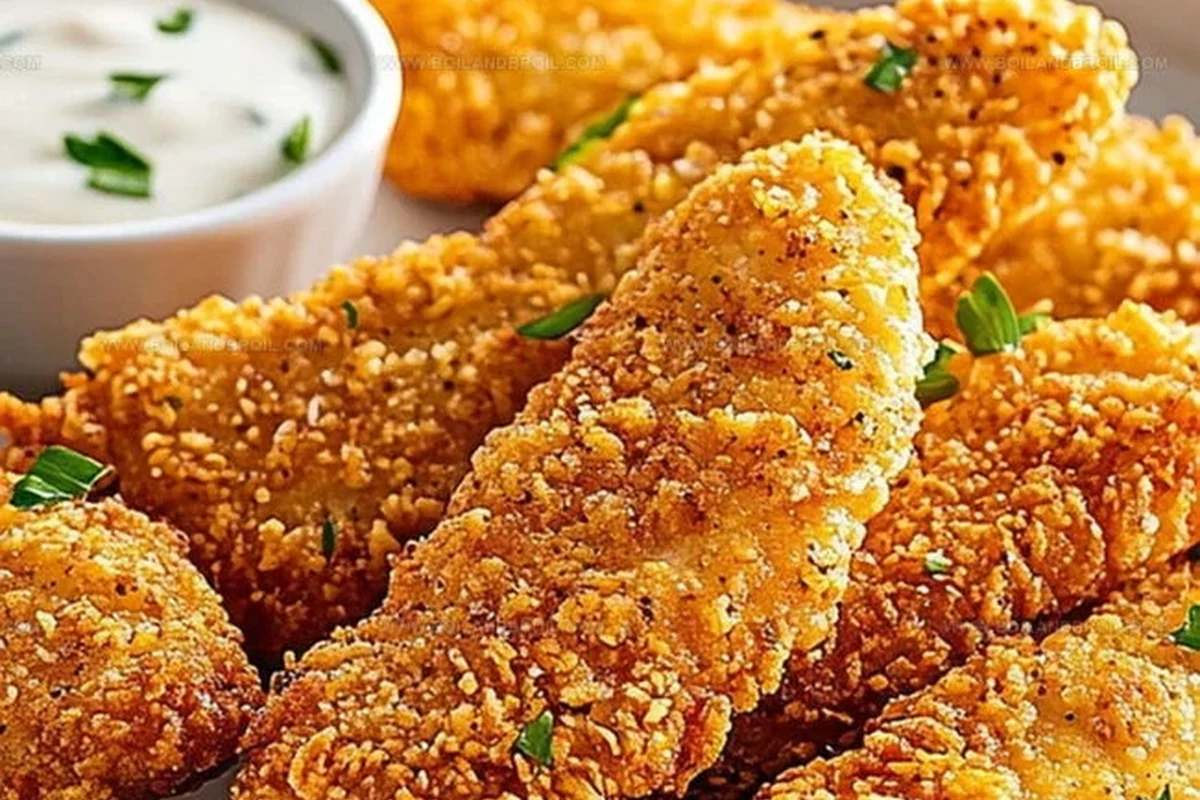
In the culinary landscape of 2026, the term “protein chicken tenders” refers to poultry strips prepared with a specific focus on macronutrient optimization. Unlike standard deep-fried versions that rely on refined flours and heavy oil absorption, these tenders utilize high-protein coatings and lean cooking techniques to deliver a cleaner, more fuel-efficient meal.
For those who enjoy the soul-warming comfort of a Belizean BBQ chicken recipe but need something quicker and more macro-focused for daily training, these tenders offer a versatile solution. They aren’t just about cutting calories; they are about increasing the satiety and nutritional density of a familiar favorite.
The Nutritional Edge: Why Athletes and Home Cooks Choose High-Protein Tenders

Macronutrient Breakdown: Comparing Standard Breaded Tenders to Protein-Enhanced Versions
Standard tenders often derive a significant portion of their caloric profile from refined carbohydrates in the breading and the oil used for frying. In contrast, protein-enhanced tenders shift this balance. By using ingredients like almond flour, crushed pork rinds, or whey protein isolate in the coating, you can significantly increase the protein-to-carb ratio. This shift is crucial for home cooks looking to sustain energy levels without the post-meal lethargy often associated with heavy, carb-laden comfort foods.
Who Benefits Most from This Culinary Approach?
This approach is ideal for busy parents managing household nutrition, athletes tracking daily intake, and anyone seeking to streamline their meal prep. Much like how a high-protein butternut squash soup provides comfort and fuel, these tenders bridge the gap between “healthy food” and “craveable food.”
Essential Ingredients for Crafting the Ultimate Protein Chicken Tender
Selecting the Right Cut: Why Tenderloins vs. Breast Strips Matter
The tenderloin—the small, strip-like muscle attached to the underside of the breast—is naturally the most succulent part of the bird. While you can slice chicken breasts into strips, tenderloins require less trimming and cook more evenly. If you have ever experimented with air fryer chicken thighs, you know that consistent sizing is the key to preventing dry, overcooked edges.
Beyond Flour: Exploring Protein-Rich Breading Alternatives
Standard white flour adds little nutritional value. Instead, look to ingredients that contribute to the protein count. Finely crushed nuts, seeds, or even nutritional yeast can provide a complex flavor profile while boosting the protein content. Combining these with a touch of whey protein isolate creates a crust that browns beautifully without the need for deep frying.
Binding Agents: Choosing Between Egg Whites, Greek Yogurt, and Protein-Infused Batters
The binding agent is the bridge between your chicken and its crust. While traditional recipes use whole eggs, using just the egg whites reduces the fat content. Alternatively, Greek yogurt acts as an excellent, protein-packed marinade that tenderizes the meat while helping the dry coating adhere firmly.
Step-by-Step Cooking Technique: Achieving the Perfect Crunch Without the Deep Fry
The Secret to Moisture: Brining and Preparation Tips
The biggest risk with lean chicken is dryness. A quick 30-minute brine in salt water or buttermilk can work wonders. This ensures the fibers remain hydrated throughout the cooking process, even when using high-heat methods like air frying.
Mastering the Protein-Rich Breading Station
Set up a classic three-station dredge: your binder, your protein-rich coating, and a clean plate for the finished tenders. Always use one hand for wet ingredients and one for dry to prevent the “clumping” effect that often leads to uneven browning.
Cooking Methods: Air Frying, Baking, and Pan-Searing for Maximum Texture
Air frying remains the gold standard for 2026 home cooks, as it mimics the crispness of deep frying with minimal oil. Baking is a solid alternative for batch cooking, provided you use a wire rack set over a baking sheet to allow airflow underneath the tenders, preventing a soggy bottom.
Common Mistakes and How to Avoid Them
- Use a meat thermometer to ensure an internal temp of 165°F (74°C).
- Give each tender space in the air fryer basket.
- Overcrowding the pan or fryer.
- Adding the coating to damp chicken.
The “Soggy Coating” Trap: Preventing Moisture Build-up
Soggy breading usually happens when steam is trapped. Ensure your chicken is completely dry before dipping, and never stack the cooked tenders on top of each other immediately after removing them from the heat.
Overcooking Risks: Identifying When Your Tenders Are Done
Small strips cook rapidly. Start checking for doneness at the 8-minute mark if air frying at 375°F. Relying on a digital meat thermometer is the only way to guarantee safety without sacrificing moisture.
Food Safety, Storage, and Reheating Protocols
Always store leftover cooked chicken in an airtight container in the refrigerator for no longer than 3-4 days. Ensure the internal temperature reaches 165°F (74°C) when reheating.
Value and Efficiency: Making Protein Tenders a Staple in Your Meal Prep
Homemade tenders are generally more cost-effective than pre-packaged, store-bought “fitness” versions. By purchasing tenderloins in bulk and utilizing pantry staples for the breading, you reduce the per-serving cost significantly. Batch cooking allows you to prepare a week’s worth of protein in roughly 30 minutes of active time.
Final Recommendations for the Modern Belizean Kitchen
Protein chicken tenders represent a practical evolution of home cooking. By focusing on high-quality ingredients and proper technique, you can elevate a simple meal into a high-performance dish. For the best results, prioritize consistent sizing, thorough drying of the chicken, and the use of a digital thermometer to manage moisture. Whether enjoyed as a post-workout snack or as part of a balanced dinner, these tenders offer the flexibility and nutrition needed for a busy lifestyle.
Common Questions
Tenderloins are naturally uniform in size, which ensures they cook through at the same time without drying out.
Yes, they are excellent for meal prep and can be stored in the refrigerator for up to four days or frozen for longer storage.
Reheat in an air fryer or oven at 350°F until crispy; avoid the microwave as it will soften the crust.
Many protein breading alternatives like almond flour are naturally gluten-free, but always check labels on ingredients like protein powder.
Ensure the chicken is patted completely dry before coating and avoid stacking the tenders while they cool.
Frequently Asked Questions
The best way to maintain crunch is to store them in an airtight container once completely cooled. When reheating, avoid the microwave and use an air fryer or oven to restore the crisp texture.
Yes, you can slice chicken breasts into uniform strips. Just ensure they are cut to a similar thickness to ensure they cook at the same rate.
Almond flour, crushed pork rinds, whey protein isolate, and nutritional yeast are excellent choices that increase the protein content of your coating.
The only reliable way to check is using a digital meat thermometer. The internal temperature must reach 165°F (74°C) for food safety.
Yes, they freeze well. After cooking and cooling, place them in a freezer-safe bag. Reheat directly from frozen in an air fryer for the best results.
Patting the chicken completely dry before dredging is essential. Pressing the coating firmly into the meat also helps create a strong bond during the cooking process.