Potato Soup Mix: How to Make It Better + Storage & Cooking Tips (2026)

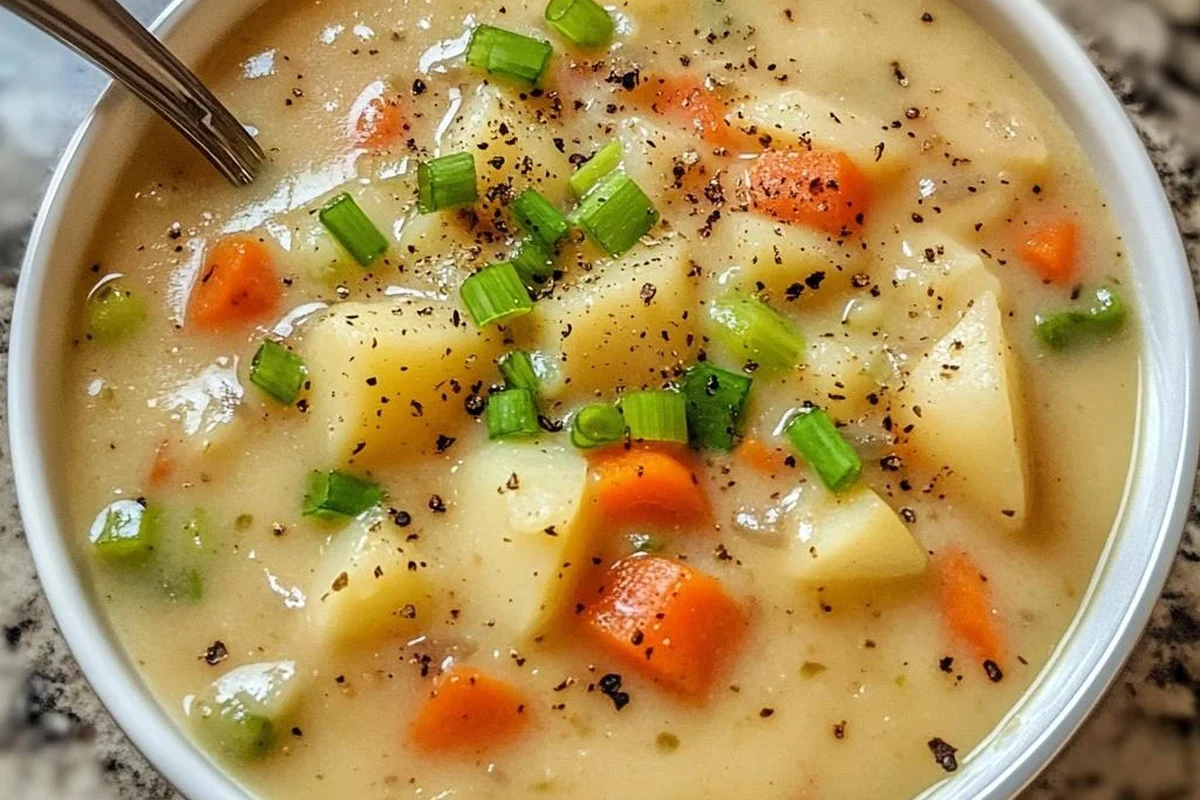
Potato soup mix is a shelf-stable, pre-blended base designed to streamline the creation of creamy, comforting potato soup. By combining dehydrated potato components with thickeners and seasonings, these mixes allow home cooks to prepare a hearty meal in minutes rather than hours.
- Preparation: Always whisk the dry mix into cool liquid first to prevent clumping.
- Customization: Elevate the base with fresh aromatics, proteins, or local spices to add depth.
- Storage: Keep mixes in an airtight container in a cool, dry place to prevent moisture-related.
- Balance: Use the mix as a shortcut, but supplement with fresh vegetables to ensure a.
What Is Potato Soup Mix and Why You Need It in Your Pantry

Defining the Modern Potato Soup Mix
In the culinary landscape of 2026, a potato soup mix is essentially a “convenience kit” for your kitchen. It typically contains a base of potato flakes or granules, dried aromatics like onion and garlic, and a thickening agent such as cornstarch or modified food starch. Some versions incorporate powdered dairy, such as buttermilk or heavy cream solids, to provide a shortcut to that classic, velvety mouthfeel without requiring a trip to the refrigerator for fresh milk.
Who Benefits Most from Having a Mix on Hand?
These mixes are invaluable for busy professionals, parents managing tight schedules, and those who prioritize having a reliable “emergency” meal option. Because they are shelf-stable, they serve as excellent pantry staples for quick weeknight dinners or as a base for campers and outdoor enthusiasts who want a warm, filling meal without the weight of fresh produce.
Key Ingredients: What Makes a High-Quality Potato Soup Mix
The Backbone: Dehydrated Potatoes vs. Potato Flour
The texture of your final soup depends heavily on how the potatoes were processed. Potato flakes or “granules” provide a rustic, slightly chunky consistency that mimics mashed potatoes, whereas potato flour or fine powder results in a completely smooth, velouté-like soup. High-quality mixes often use a proprietary blend of both to achieve a balance between body and texture.
Flavor Profiles: Seasonings, Thickeners, and Dairy Components
Beyond the potatoes, the quality of the mix is determined by the “flavor architecture.” Look for blends that use real dehydrated herbs—like chives, parsley, or thyme—rather than artificial flavorings. Thickeners such as xanthan gum or starch are essential for preventing the soup from feeling watered down, while high-quality dairy solids ensure a rich, creamy finish.
How to Transform Potato Soup Mix into a Gourmet Belizean-Inspired Meal

The Master Recipe: Crafting the Perfect Pot
To craft the perfect pot, treat the mix as your foundation rather than a complete meal. Start by sautéing fresh aromatics like diced white onion or local habanero peppers in a small amount of fat to build depth. Add your stock of choice—chicken or vegetable—before whisking in the soup mix to ensure no clumps form. Bring to a gentle simmer, stirring frequently, until the desired thickness is reached. potato soup mix
Essential Techniques for Achieving Creamy Texture
If you find the texture too thin, do not simply add more mix, as this can lead to a “pasty” mouthfeel. Instead, simmer the soup uncovered for an additional few minutes to allow moisture to evaporate. For a professional finish, stir in a splash of fresh heavy cream or a dollop of sour cream right before serving.
Creative Add-ins: Elevating the Base with Local Flair
To bring a touch of Belizean influence to your bowl, consider folding in cooked black beans, crispy bits of bacon, or a sprinkle of fresh cilantro. For a heartier meal, stir in some shredded rotisserie chicken or sautéed sweet corn. These additions transform a simple convenience product into a layered, restaurant-quality dish.
Buying Guide: How to Choose the Best Mix for Your Kitchen
Evaluating Quality: Reading Labels and Ingredient Lists
Always prioritize labels where the first ingredient is “potatoes” rather than “modified food starch” or “soybean oil.” Check for sodium content; many commercial mixes are heavily salted, so choosing a “low-sodium” variety gives you more control over the final seasoning of your dish.
Comparing Commercial Brands vs. DIY Homemade Blends
Commercial brands offer unmatched convenience, but DIY blends—made by mixing potato flakes with your own dried spices and powdered milk—allow you to avoid preservatives and adjust the flavor profile to your exact liking. In 2026, many home cooks are opting for DIY versions to reduce food waste by using bulk-purchased ingredients.
| Option | Best For | Key Consideration |
|---|---|---|
| Commercial Mix | Speed | High sodium content |
| DIY Blend | Customization | Requires storage space |
Cooking Troubleshooting and Common Mistakes
Fixing Texture Issues: Avoiding Lumpy or Grainy Results
Lumps are usually the result of adding the mix directly to boiling water. Always incorporate the powder into cool or lukewarm liquid first. If the soup becomes grainy, it may be due to the quality of the potato starch; whisking in a small amount of warm water or milk can often smooth out the texture. potato soup mix
Flavor Balancing: Adjusting Salt and Seasoning Levels
If your soup tastes “flat,” it likely needs acid rather than salt. A squeeze of fresh lime juice or a teaspoon of white vinegar can brighten the flavor significantly. Taste your soup *after* it has thickened fully, as the reduction process concentrates the salt levels.
Food Safety, Storage, and Shelf Life
Proper Storage Conditions to Prevent Clumping and Spoilage
Moisture is the enemy of dried soup mixes. Store your mix in an airtight container in a cool, dark, and dry pantry. Using a desiccant packet inside your container can help prevent clumping over time.
Safe Handling and Reheating Procedures for Leftover Soup
Leftover prepared soup should be cooled within two hours and stored in the refrigerator for no more than 3 to 4 days. When reheating, ensure the soup reaches an internal temperature of 165°F (74°C) as recommended by food safety standards.
The Verdict: Is Potato Soup Mix a Worthwhile Staple?
Balancing Convenience and Nutrition: Final Recommendations
While convenient, remember that these mixes are processed foods. To keep your meals nutritious, always pair your soup with a fresh side salad or steamed vegetables. By viewing the mix as a shortcut rather than the final product, you can enjoy the ease of a quick meal without sacrificing the quality and health benefits of a home-cooked dinner.
Frequently Asked Questions
Always whisk the dry mix into cool or room-temperature liquid before applying heat. This ensures the starches hydrate evenly without clumping.
Yes, you can boost nutrition by adding fresh vegetables, lean proteins like chicken, or by serving the soup with a nutrient-dense side salad.
When stored in an airtight, cool, and dry environment, most commercial mixes remain safe and flavorful for 12 to 18 months, though you should always check the package date.
Not necessarily. Many mixes use wheat-based thickeners, so it is essential to read the ingredient label carefully if you have a gluten sensitivity.
Absolutely. Adding diced, cooked potatoes can provide a better texture and freshness that complements the base of the mix.
Store leftovers in a sealed container in the refrigerator for up to 4 days. Always reheat to an internal temperature of 165°F before serving.