Convection Oven Chicken Roast (Crispy Skin, Juicy Meat)

A convection oven chicken roast uses circulating air to cook the bird faster while achieving perfectly crispy, golden skin. This method is ideal for home cooks looking to balance a succulent interior with a beautifully browned exterior.
Roasting a whole bird using convection technology is a game-changer for home cooks looking to achieve restaurant-quality results in their own kitchens. By utilizing consistent air circulation, a convection oven chicken roast delivers that elusive combination of impeccably crispy, golden-brown skin and succulent, tender meat every single time.
- Temperature Adjustment: Reduce your oven temperature by 25°F (15°C) when using the convection setting.
- Moisture Control: Pat the chicken skin completely dry to ensure the convection air can crisp the.
- Airflow is Key: Use a rack to elevate the bird and avoid overcrowding the roasting pan with.
- Safety First: Always use a digital thermometer to ensure the thickest part of the thigh reaches.
Convection Oven Chicken Roast: The Ultimate Belizean-Style Guide
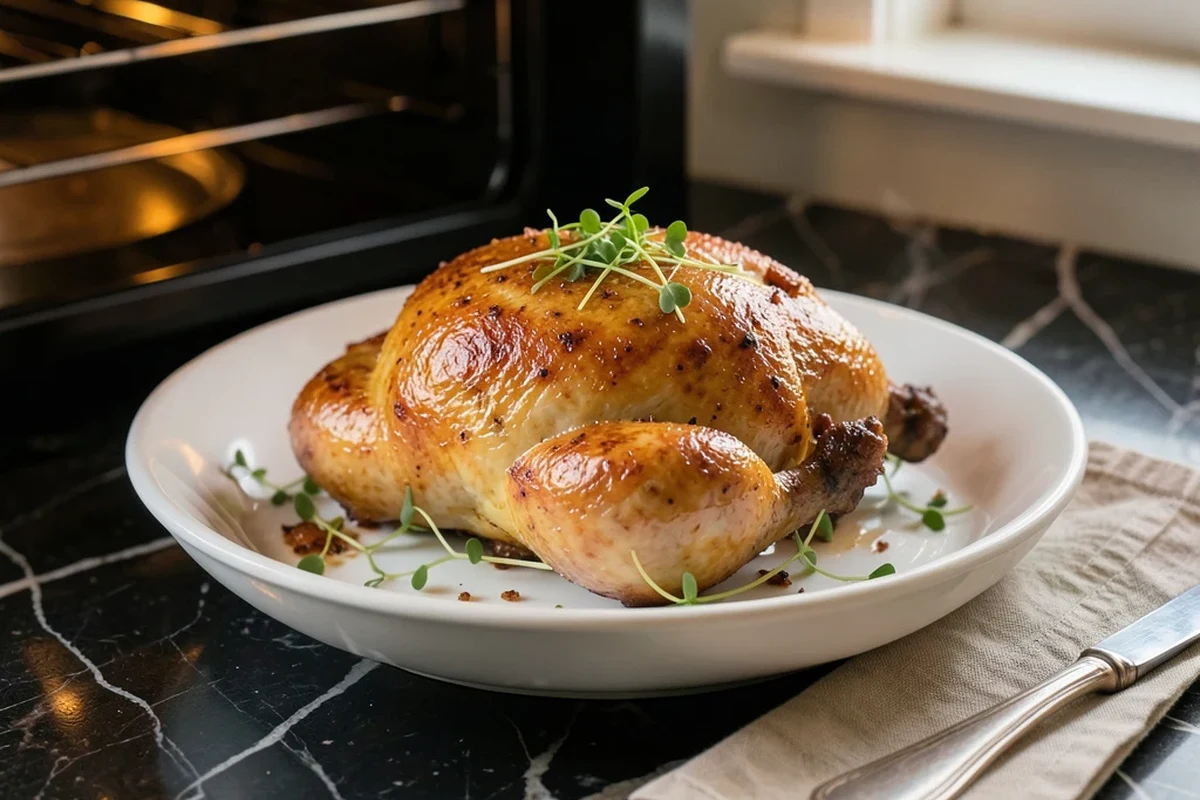
In Belizean kitchens, we value deep, bold flavors and textures that hold up to rich sides like rice and beans. While traditional roasting has its place, the convection setting allows for a more efficient transfer of heat, which is essential when working with poultry. Whether you are using a standard wall unit or a modern oven with advanced settings, the principles of convection remain the same: moving air creates faster, more even cooking.
What Makes a Convection Roast Superior for Poultry?
The Science of Air Circulation in Your Oven
Standard ovens rely on radiant heat, which can create “hot spots” where the air remains stagnant. A convection oven incorporates a fan and an exhaust system that forces hot air to circulate continuously around the food. This constant movement eliminates the cold air blanket that typically surrounds the bird, ensuring that every curve of the chicken is exposed to the same temperature.
Why Convection Equals Crispier Skin and Juicier Meat
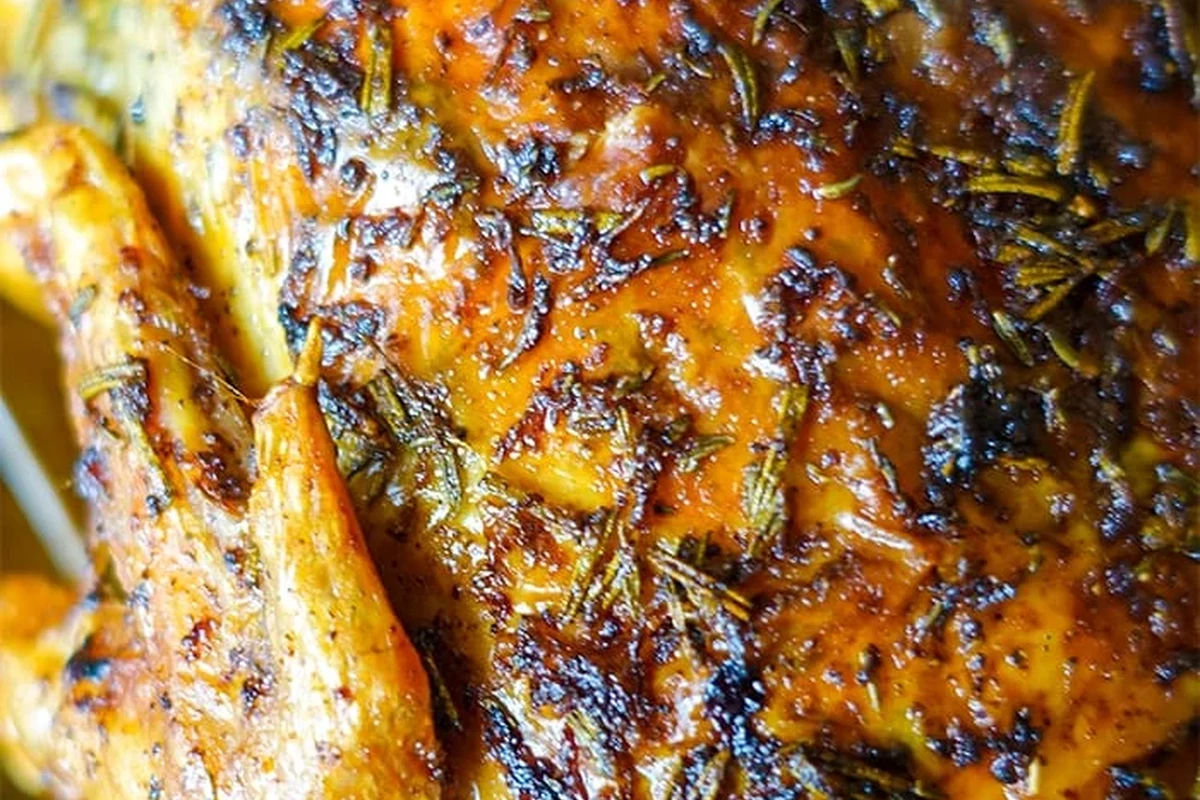
The primary benefit of convection for a whole chicken is moisture evaporation. Because the hot air is moving, it dries the skin surface much faster than a conventional oven. This rapid drying leads to the Maillard reaction—the chemical process that creates browning and complex flavor—at an accelerated rate. By the time the skin is perfectly crisp, the interior meat has not yet reached the stage of overcooking, resulting in a juicier final product.
Convection settings typically require you to lower your temperature by 25°F (15°C) compared to a standard recipe, as the circulating air is significantly more efficient at transferring heat.
Essential Ingredients for a Traditional Belizean-Inspired Roast
Selecting the Perfect Bird: Weight and Quality Guidelines
For an even roast, aim for a bird between 3.5 and 4.5 pounds. Smaller birds are easier to manage and cook more uniformly. Always look for a plump breast and firm skin, ensuring the bird is thoroughly thawed if you purchased it frozen. If you prefer a more specialized appliance for smaller batches, you might consider an air fryer chicken thighs method for weeknight meals, but for a whole Sunday roast, a conventional convection oven is the gold standard.
The Spice Rub: Balancing Recado and Local Aromatics
A true Belizean roast is defined by its seasoning. Recado rojo (achiote paste) is the cornerstone, providing a vibrant color and earthy undertones. Mix your recado with lime juice, crushed garlic, salt, black pepper, and a touch of dried oregano. This paste acts as a marinade that penetrates the skin, infusing the meat with the essence of the Caribbean.
Choosing Your Aromatics: Garlic, Onions, and Citrus
Stuffing the cavity is not just about flavor; it is about moisture. Add halved onions, whole cloves of garlic, and fresh sprigs of thyme or culantro inside the cavity. The steam generated by these aromatics during the convection process keeps the breast meat moist from the inside out.
Preparation Techniques: From Brining to Trussing
The Importance of a Dry Surface for Maximum Crispness
Before applying your rub, pat the chicken skin completely dry with paper towels. Moisture is the enemy of crispiness. If the skin is damp, the convection fan will spend the first 20 minutes of cooking time evaporating that surface water rather than browning the fat.
Mastering the Truss: Why It Matters for Even Cooking
Trussing—tying the legs and wings close to the body—is essential for a convection roast. By creating a compact shape, you prevent the extremities from drying out or burning before the thickest parts of the breast and thighs are fully cooked. It also ensures the bird cooks evenly as a single unit.
Flavor Infusion: Under-the-Skin Seasoning Methods
Gently loosen the skin over the breast meat using your fingers. Carefully slide small amounts of your seasoned butter or herb rub directly onto the meat. This ensures that even if the skin is removed during serving, the flavor has already permeated the muscle fibers.
- Let the bird sit at room temperature for 30 minutes before roasting to ensure even cooking.
- Use a V-rack in your roasting pan to allow air to circulate beneath the chicken, not just around it.
- Avoid using sugary glazes until the last 15 minutes of cooking to prevent burning.
Step-by-Step Convection Oven Roasting Instructions
Set your convection oven and ensure it is fully preheated before placing the chicken inside.
Place the bird breast-side up on a rack in a shallow roasting pan. Ensure it is centered in the oven for maximum airflow.
Roast for approximately 15-18 minutes per pound. Use a digital thermometer to check the thickest part of the thigh, aiming for an internal temperature of 165°F (74°C).
Allow the bird to rest for at least 15-20 minutes before carving. This lets the juices redistribute throughout the meat.
A roasting pan with a rack lifts the bird for even browning — see top-rated roasting pans here.
Common Mistakes and How to Avoid Them
One of the most frequent errors is overcrowding the pan. If you surround the chicken with too many vegetables, you block the airflow from the convection fan, essentially “steaming” the chicken rather than roasting it. Keep the roasting pan relatively clear, or place vegetables on a separate tray if you need more capacity.
Always use a reliable digital meat thermometer. Never rely on time alone, as oven calibration and bird size can vary significantly. Always verify the temperature at the deepest part of the thigh, away from the bone.
Safe Handling, Storage, and Reheating
After your meal, promptly refrigerate leftovers within two hours. Chicken can be safely stored in an airtight container in the refrigerator for up to 3-4 days. When reheating, avoid the microwave if you want to maintain texture. Instead, place the meat in a small pan with a splash of broth and reheat covered in a low-temperature oven until warmed through.
Verdict: Is a Convection Roast Right for Your Kitchen?
A convection oven chicken roast is ideal for any home cook who prioritizes efficiency and texture. While conventional ovens are perfectly capable, the convection setting provides a superior, crispy finish that is difficult to achieve otherwise. If you are in the market for an upgrade, exploring options like an electric range with double oven can offer the flexibility to roast a bird while preparing sides simultaneously, making your Sunday dinner routine much more manageable.
More chicken timing help: how long to bake chicken legs in the oven.
Common Questions
Generally, it takes 15-18 minutes per pound at 375°F (190°C), but always verify doneness with a meat thermometer.
Yes, keeping the fan on throughout the entire cooking process ensures consistent heat distribution and uniform browning.
Basting is generally unnecessary in a convection oven and can actually soften the skin, which defeats the purpose of the fan’s drying effect.
While possible, metal roasting pans are better for heat conduction and durability when roasting at higher temperatures.
For larger birds, maintain the same temperature but increase the total time; monitor the internal temperature closely to prevent the breast from drying out.
Frequently Asked Questions
Yes, you should typically lower the temperature by 25°F (15°C) compared to standard recipes. The efficient air circulation cooks the bird faster, so a lower heat prevents the exterior from burning before the interior is done.
Use a digital meat thermometer inserted into the thickest part of the thigh. The chicken is safe to eat when it reaches an internal temperature of 165°F (74°C).
You can, but avoid overcrowding the pan. Too many vegetables can block the airflow, which reduces the effectiveness of the convection fan and may result in steamed rather than roasted vegetables.
The most common reason is excess moisture on the skin. Ensure you pat the bird thoroughly dry with paper towels before seasoning, and do not cover the bird while it roasts.
Let the chicken rest for 15 to 20 minutes after removing it from the oven. This allows the juices to redistribute, ensuring the meat remains tender and flavorful when you carve it.
Yes, store leftovers in an airtight container in the refrigerator within two hours of cooking. Consume the chicken within 3 to 4 days for the best quality and safety.