Good Protein Snacks

Good protein snacks are the ones that combine protein with fiber or healthy fat, stay easy to portion, and fit your day. In Belizean kitchens, the best practical picks are eggs, chickpeas, yogurt, cheese, beans, lentils, and simple fish or turkey bites.
Good protein snacks are the ones that give you steady energy, keep you satisfied for a while, and fit real life in Belize and beyond. For most people, the best answer is simple: choose a snack with a solid protein source plus fiber or healthy fat, and keep the portion reasonable.
- Best all-around picks: Boiled eggs, roasted chickpeas, plain yogurt, cheese, beans, and lentils are practical and filling.
- What to check: Look at protein, sugar, sodium, serving size, freshness, and allergen information.
- Better snack formula: Pair protein with fiber or healthy fat for longer-lasting fullness.
- Safety matters: Keep dairy, eggs, meat, fish, and cooked beans cold and handle them carefully.
Good Protein Snacks: The Best Belizean-Friendly Options for Quick Energy in 2026
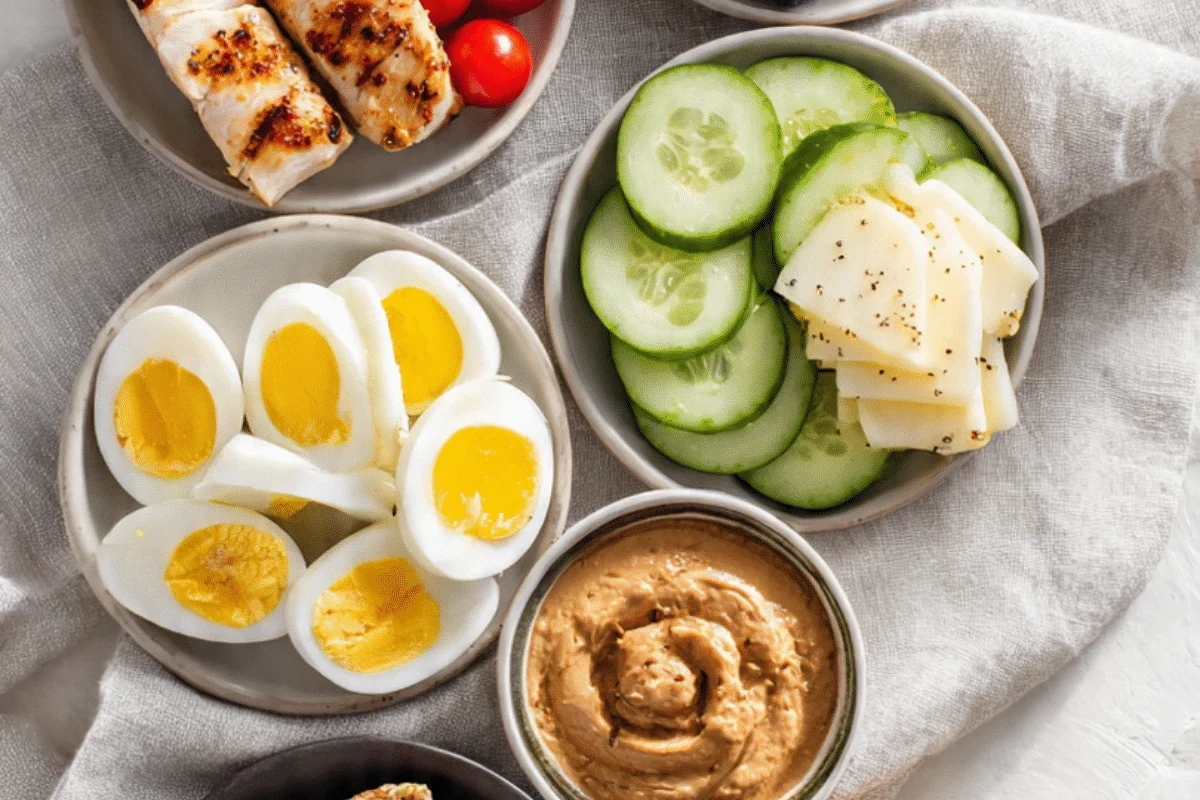
In 2026, people are still looking for snacks that are fast, affordable, and easy to carry. That makes protein snacks especially useful for school runs, long workdays, bus rides, market days, and afternoon hunger between meals.
For a Belizean-friendly approach, think of snacks you can find at home, at a corner shop, or in a local market: eggs, beans, roasted legumes, dairy, fish, and simple nut-based bites. If you want more ideas for everyday snack planning, you can also browse our street food and snacks collection.
What “good protein snacks” means and the best answer up front
A good protein snack is not just “anything with protein.” It should be filling enough to bridge the gap until your next meal, easy to portion, and not overloaded with sugar or salt.
That said, the best choice depends on your day. A student may need something portable and budget-friendly, while a traveler may need a snack that survives heat and a long bag ride better than dairy.
Who these snacks fit: busy workers, students, travelers, and active families
Good protein snacks fit people who do not always have time for a full meal. They are also helpful for families trying to avoid random vending-machine choices or sugary snacks between meals.
Choose snacks that can be eaten quickly, stored safely, and carried without much mess.
Focus on lower-cost options that are filling and easy to pack in a lunch bag.
Pick shelf-stable or sturdy snacks that hold up in heat better than delicate foods.
Active families may also like snacks that can be shared after school or before sports practice. For more snack ideas that lean protein-forward, our protein chicken tenders guide is a useful place to compare savory options.
What Makes a Protein Snack Actually “Good”
Protein alone is not the whole story. A snack works better when it supports fullness, energy, and convenience without creating a sugar crash or an overly salty aftertaste.
Protein quality, portion size, and satiety
Protein quality usually means the snack provides a meaningful amount of protein from a reliable source, such as eggs, dairy, fish, poultry, beans, lentils, or soy. Satiety, or fullness, depends on more than the protein number alone; texture, fat, fiber, and portion size all matter.
Nutrition labels, serving sizes, and protein counts vary by brand and recipe. If you are comparing packaged snacks, check the label rather than guessing from the front of the package.
In practical terms, a tiny bite of protein may not carry you far. A snack should be large enough to matter, but not so large that it becomes a full meal when you only wanted something light.
Balancing protein with fiber, healthy fat, and carbs
The best snacks often pair protein with fiber or a little healthy fat. That combination tends to feel more satisfying than protein alone.
Examples include eggs with fruit, roasted chickpeas with a few seeds, yogurt with oats, or beans with a small portion of whole-grain crackers. If you want a more plant-forward protein option, our dried lentils protein guide explains why lentils are a smart everyday ingredient.
- Pair protein with something crunchy or fibrous so the snack feels more satisfying.
- Choose unsweetened or lightly sweetened versions when possible.
- Keep portions snack-sized so the food supports the next meal instead of replacing it by accident.
When a snack becomes too processed, too sugary, or too salty
A protein snack can look healthy and still be a poor everyday choice if it is loaded with sugar, sodium, or fried coatings. That is especially true with packaged bars, flavored dairy drinks, and heavily seasoned snack mixes.
- More balanced energy and better fullness
- Usually easier to fit into daily routines
- Too much sugar can make the snack less useful
- Too much salt can make it less suitable for frequent use
When reading labels, compare protein per serving against sugar and sodium per serving. If a snack has a long ingredient list full of additives but very little protein, it may be more of a convenience food than a truly good protein snack.
Best Belizean-Inspired Protein Snack Choices
Belizean snack culture already includes plenty of protein-friendly foods. The most practical options are usually simple, familiar, and easy to build from ingredients found in local shops or markets.
Boiled eggs, roasted chickpeas, and peanut-based bites
Boiled eggs are one of the easiest protein snacks because they are portable, inexpensive in many places, and simple to season. Roasted chickpeas are another strong option because they bring protein plus fiber and a crunchy texture.
Peanut-based bites can work well too, especially when they are made with modest sweetness and a short ingredient list. If you enjoy snack-style foods that also feel a little festive, our birthday snacks roundup may give you more ideas for crowd-friendly portions.
Boiled eggs
Best when you want a simple, fast snack that is easy to season with pepper, salt, or a little hot sauce. The main limitation is short fridge life compared with shelf-stable snacks.
Roasted chickpeas
Best for crunch lovers and people who want a plant-forward option. They are more shelf-friendly after roasting, but texture can soften in humid weather.
Cheese, yogurt, and milk-based snacks for fast convenience
Cheese cubes, plain yogurt, and milk-based drinks can be very convenient when you need something quick. They are especially useful for school lunches or a midmorning break at home.
Plain or lightly sweetened yogurt is usually a better everyday choice than dessert-style yogurt with a lot of added sugar. Cheese can be filling in a small amount, but it is worth watching sodium and portion size.
Dairy should be kept cold and handled carefully, especially in hot weather. If a snack has sat out too long, follow recognized food-safety guidance and do not rely on smell alone to judge safety.
Fish, turkey, and bean-based street-food style options
Belizean-style savory snacks can also include fish, turkey, or bean-based fillings in small portions. Think of a compact tuna filling, a bean patty, or a turkey bite served in a snack-sized format rather than a full plate.
These choices are useful when you want something more substantial than nuts or yogurt. For readers who like savory, protein-rich handheld ideas, our high protein chicken tenders article is a helpful related read.
Street-food style protein snacks work best when they are easy to portion, not too greasy, and safe to hold at the right temperature until you eat them.
Plant-forward choices for lighter everyday snacking
Plant-forward snacks are often the most budget-friendly choice. Beans, lentils, roasted peanuts, pumpkin seeds, and chickpeas can all be turned into filling snack portions with simple seasoning.
These snacks are useful when you want something lighter than meat but still more satisfying than plain crackers. They also work well for households trying to stretch ingredients without losing the comfort of a savory bite.
Ingredients and Buying Guide: What to Look For at the Market or Store
Good snack shopping starts with freshness, label reading, and knowing where you can save money without sacrificing too much quality. That matters whether you are buying loose ingredients at a market or packaged snacks at a store.
Freshness cues for eggs, dairy, fish, beans, and nuts
Eggs should have clean shells and be stored properly. Dairy should be cold, sealed, and within its use-by date. Fish should smell fresh, not strongly sour or ammonia-like, and should be kept cold from purchase to preparation.
Beans and nuts are more forgiving, but they still need attention. Look for signs of moisture, mold, insect damage, or stale odor, and avoid anything that looks compromised.
Discard food that shows spoilage signs and follow safe internal-temperature and storage-time guidance. When in doubt, especially with fish or dairy, do not risk it.
Label checks for sugar, sodium, additives, and protein per serving
For packaged snacks, the label matters more than the marketing. Check the protein per serving, then compare sugar, sodium, and serving size so you understand what you are really getting.
- Check protein per serving, not just the front-of-package claim.
- Look at sugar and sodium so the snack does not become a daily salt or sugar bomb.
- Read the ingredient list if you need to avoid dairy, nuts, gluten, or other allergens.
If a snack is marketed as high protein but the serving is very small, it may not be satisfying enough for real-world use. In that case, a simpler option like eggs or beans may be the better buy.
Budget-friendly swaps when premium ingredients are too costly
You do not need expensive ingredients to build a good snack. Eggs can replace pricier meat options, beans can replace specialty protein bars, and plain yogurt can replace flavored dessert cups.
Dry legumes are often especially useful because they store well and can be portioned into many snack ideas. If you want to compare bean and lentil options, our snacks category is a practical place to explore more ideas.
How to Build a Better Protein Snack at Home
Home-made protein snacks are often better because you control the seasoning, salt, sweetness, and portion size. You also get more flexibility if you need to work around allergies or budget limits.
Simple formula: protein + fiber + flavor
A reliable formula is protein plus fiber plus flavor. That might mean eggs with fruit, beans with herbs, yogurt with oats, or roasted chickpeas with a little citrus and spice.
This formula helps the snack feel complete without turning it into a large meal. It also keeps the food more interesting than plain protein by itself.
Easy prep techniques: boiling, roasting, mixing, portioning, and chilling
Boiling works well for eggs and some legumes. Roasting works well for chickpeas, peanuts, and seed mixes. Mixing works for yogurt bowls, bean salads, or tuna-style fillings, while portioning and chilling help keep snacks ready for the week.
Select eggs, beans, yogurt, cheese, fish, turkey, or a plant-based option that fits your day.
Use fruit, vegetables, oats, whole grains, or legumes to make the snack more satisfying.
Use Belizean pantry flavors such as black pepper, garlic, onion, citrus, chili, or a little fresh herb.
Seasoning ideas inspired by Belizean pantry staples
Belizean kitchens often rely on practical, bold seasoning rather than complicated recipes. That makes snack building easier because a little citrus, black pepper, garlic, thyme, onion, or mild chili can do a lot.
For a savory snack, try keeping the seasoning simple so the protein still tastes clean and not overly salty. For a lighter snack, a squeeze of lime or a fresh herb note can brighten the flavor without adding much extra sugar or fat.
Common Mistakes That Make Protein Snacks Less Healthy or Less Filling
Some snacks fail because they are too small, too salty, too sweet, or too processed to keep you satisfied. Others fail because they are built like a meal but treated like a snack, which leads to overeating.
Relying on protein alone without enough fiber or volume
If you eat only a tiny piece of protein, hunger may return quickly. Adding fiber-rich foods or a bit more volume usually makes the snack work better.
This is why eggs alone may feel less complete than eggs plus fruit, or why plain meat bites may feel less satisfying than meat with vegetables or beans.
Over-salting, over-sweetening, or using fried coatings too often
Salt and sugar can make snacks taste good fast, but too much of either can make them less useful for everyday eating. Fried coatings can also turn a snack into something heavier than intended.
- Use seasoning for flavor, not to cover up stale or low-quality ingredients.
- Choose baked, roasted, boiled, or chilled snacks more often than fried ones.
- Assuming “protein” automatically means healthy.
- Eating heavily salted or sugary snacks every day without checking the label.
Poor portion control and “snack” servings that act like full meals
A snack can quietly become a full meal if the portion is too large. That is not always wrong, but it should be intentional.
If you need a full meal, eat a meal. If you need a snack, keep the portion snack-sized so it does its job without leaving you too full or too hungry later.
Food Safety, Storage, and Reheating for Protein Snacks
Protein snacks often involve eggs, dairy, meat, fish, or cooked beans, so safe handling matters. For the most current food-safety guidance, follow official recommendations from recognized health authorities and manufacturer instructions when they differ.
Safe handling for eggs, dairy, meat, fish, and cooked beans
Keep cold foods cold and hot foods hot. Avoid leaving perishable snacks out for long periods, especially in warm weather, and use clean utensils or hands when portioning.
Cross-contamination is also a concern. Keep raw meat, fish, and eggs separate from ready-to-eat snacks, and wash hands and surfaces after handling them.
How long snacks keep in the fridge, freezer, or lunch bag
Storage time depends on the ingredient, how it was prepared, and how cold it is kept. In general, perishable snacks belong in the refrigerator or an insulated lunch bag with an ice pack, not on a desk or in a car for long periods.
When you are packing snacks for work or school, use a cold pack for anything dairy-based, egg-based, fish-based, or meat-based unless you know it will be eaten quickly and safely.
Best reheating methods for texture and safety
Reheat only when the snack is meant to be eaten warm, and follow safe reheating guidance so the food is hot enough throughout. Gentle reheating usually works best for eggs, beans, and meat-based fillings because high heat can dry them out.
For texture, a covered pan, microwave with short intervals, or a low oven setting may work better than blasting the food at full power. If the snack has been stored too long or shows spoilage, do not reheat it—discard it.
Final Recommendation: The Best Protein Snacks for Value, Convenience, and Everyday Use
For most people, the best good protein snacks are boiled eggs, roasted chickpeas, plain yogurt, cheese in modest portions, and simple bean- or lentil-based bites. These options balance convenience, cost, and real-world satisfaction better than many highly processed alternatives.
For school, choose portable and cold-safe snacks. For work, choose something easy to portion and not too messy. For travel, choose shelf-stable or sturdy options that can handle heat better, and for post-workout snacking, prioritize something with enough protein plus a little carb or fiber to feel complete.
The main limitation is that no single snack fits every situation. The most practical takeaway is to choose a protein source you can store safely, season lightly, and pair with fiber or healthy fat so the snack actually keeps you going.
Common Questions
Boiled eggs are one of the easiest options because they are simple, portable, and quick to season.
Yes. They offer protein plus fiber and can be a crunchy, budget-friendly option.
Plain yogurt can be a strong choice, especially when you want something fast and easy to pack.
Watch for too much sugar, too much salt, and heavily fried coatings.
Yes. Beans, lentils, chickpeas, peanuts, and seeds can all work well.
Frequently Asked Questions
Choose something portable, easy to portion, and safe to store, such as boiled eggs, roasted chickpeas, or plain yogurt in a cold bag. If the snack needs refrigeration, use an ice pack and eat it within safe storage guidance.
Check the protein per serving first, then compare sugar, sodium, and serving size. A snack with a strong protein claim but little actual protein may not be very satisfying.
Eggs, beans, lentils, chickpeas, and peanuts are often among the most affordable options. They also work well in homemade snacks with simple seasoning.
Yes. Plant-based protein snacks can be very filling when you use beans, lentils, chickpeas, peanuts, or seeds. Pair them with fiber-rich foods for better staying power.
Keep perishable snacks cold and separate raw ingredients from ready-to-eat foods. Follow official food-safety guidance for fridge storage, lunch bags, and reheating.
Common mistakes include making the snack too salty, too sugary, too small, or too large. Another mistake is forgetting that protein alone is often less filling without fiber or healthy fat.