Frozen Chicken Breast Instant Pot Recipes (3 Easy)

Cooking frozen chicken breast in an Instant Pot is a safe and efficient way to prepare meals quickly without pre-thawing. Simply ensure you use at least one cup of liquid and verify the internal temperature reaches 165°F.
Cooking frozen chicken breast in an Instant Pot is a reliable, time-saving solution for busy home cooks in 2026 who need to get dinner on the table without advance planning. By utilizing the consistent pressure of a multicooker, you can transform rock-hard poultry into tender, succulent protein without the need for a lengthy thawing process.
- Safety First: Always verify the chicken reaches an internal temperature of 165°F.
- Liquid Ratio: Use a minimum of one cup of liquid to build pressure.
- Texture Tip: Use a natural pressure release to keep the meat tender.
- Flavor Strategy: Add thick sauces after the cooking cycle for best results.
Frozen Chicken Breast Instant Pot Recipes: The Ultimate Time-Saving Guide for 2026
Can You Really Cook Frozen Chicken Breast in an Instant Pot?
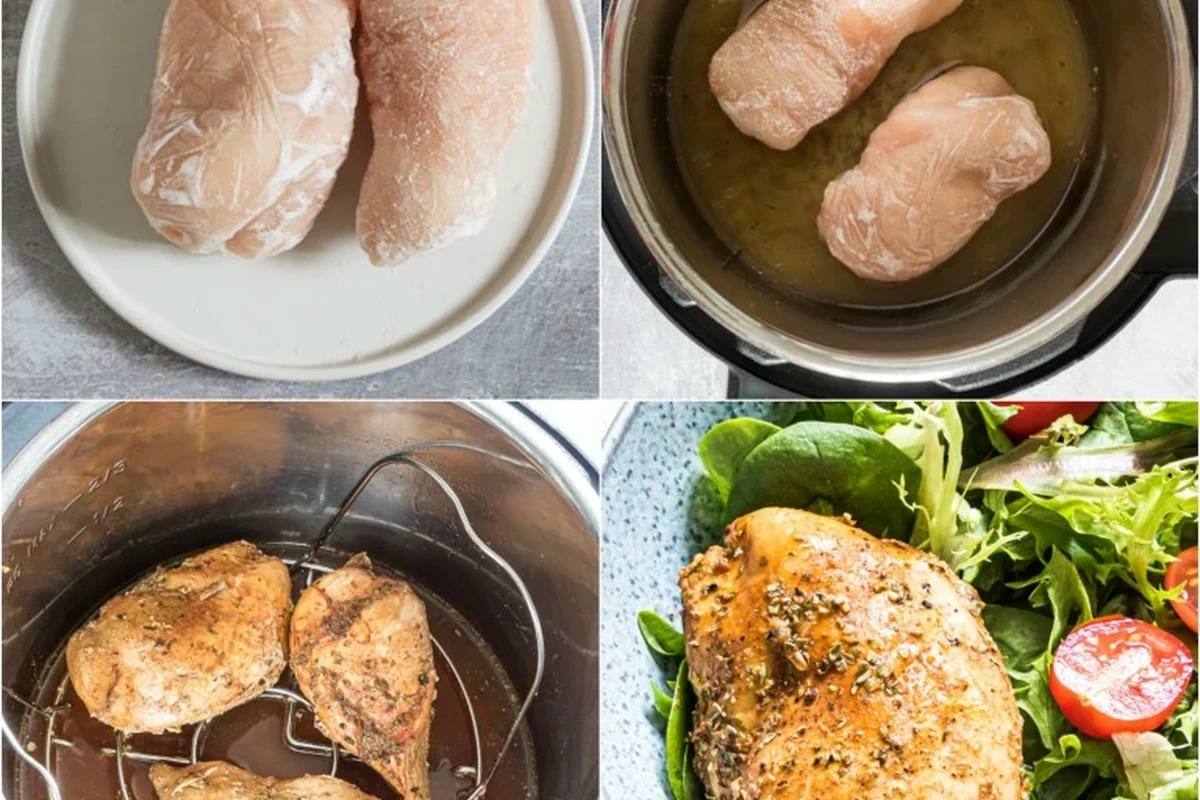
Yes, pressure cooking is one of the few safe methods for cooking chicken directly from a frozen state. Because the Instant Pot reaches a high internal temperature quickly, the chicken passes through the “danger zone”—the temperature range where bacteria multiply rapidly—far faster than it would during slow thawing or low-temperature cooking.
Who Benefits Most from Pressure Cooking Frozen Poultry?
This method is a game-changer for parents managing packed schedules, professionals who return home late, and anyone who occasionally forgets to move dinner from the freezer to the fridge. It essentially eliminates the “forgot to defrost” panic.
While you can cook breasts individually, try to freeze them in a single layer or with parchment paper between them. This allows you to separate the pieces easily if you only need one or two, rather than having to cook a giant, inseparable block.
Mastering the Technique: How to Safely Cook Frozen Chicken
The Science of Pressure Cooking Frozen Proteins
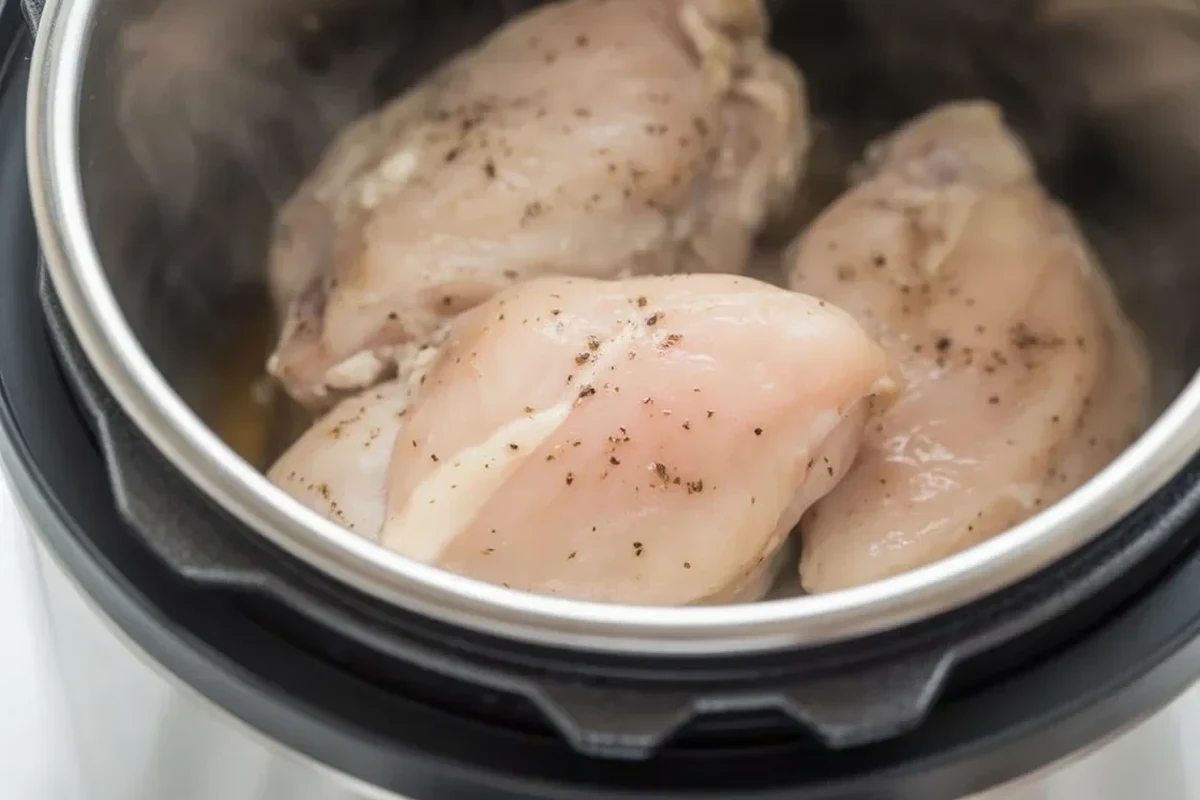
Pressure cooking works by trapping steam, which raises the boiling point of water and forces heat into the meat more efficiently than convection or radiant heat. When cooking frozen chicken, the extra time added to the cycle is primarily for the appliance to build pressure and melt the ice crystals before the actual cooking time begins.
Step-by-Step: The “Set and Forget” Method
Essential Liquid Ratios for Proper Pressure Buildup
Always follow your manufacturer’s minimum liquid requirement, which is usually one cup for a standard 6-quart model. If you are making a stew, you may find that the chicken releases its own moisture, but the initial cup of broth or water is non-negotiable for safety and to prevent the dreaded “Burn” error.
A silicone trivet lifts chicken above liquid — see top-rated Instant Pot trivets here.
Key Ingredients for Flavorful Instant Pot Chicken
Selecting the Right Aromatics and Bases
Since frozen chicken releases extra water as it cooks, avoid thin, watery sauces. Opt for rich bases like coconut milk, crushed tomatoes, or savory bone broths. If you enjoy hearty meals, using these foundations can help you recreate dishes similar to a Belizean curry chicken recipe, where the sauce becomes a vital part of the final dish.
Essential Spices for Belizean-Inspired Profiles
To infuse authentic flavors, focus on staples like allspice, thyme, garlic, and fresh habanero (used sparingly). These aromatics hold up well under pressure and help mask the slightly muted flavor that can sometimes occur when cooking meat from frozen.
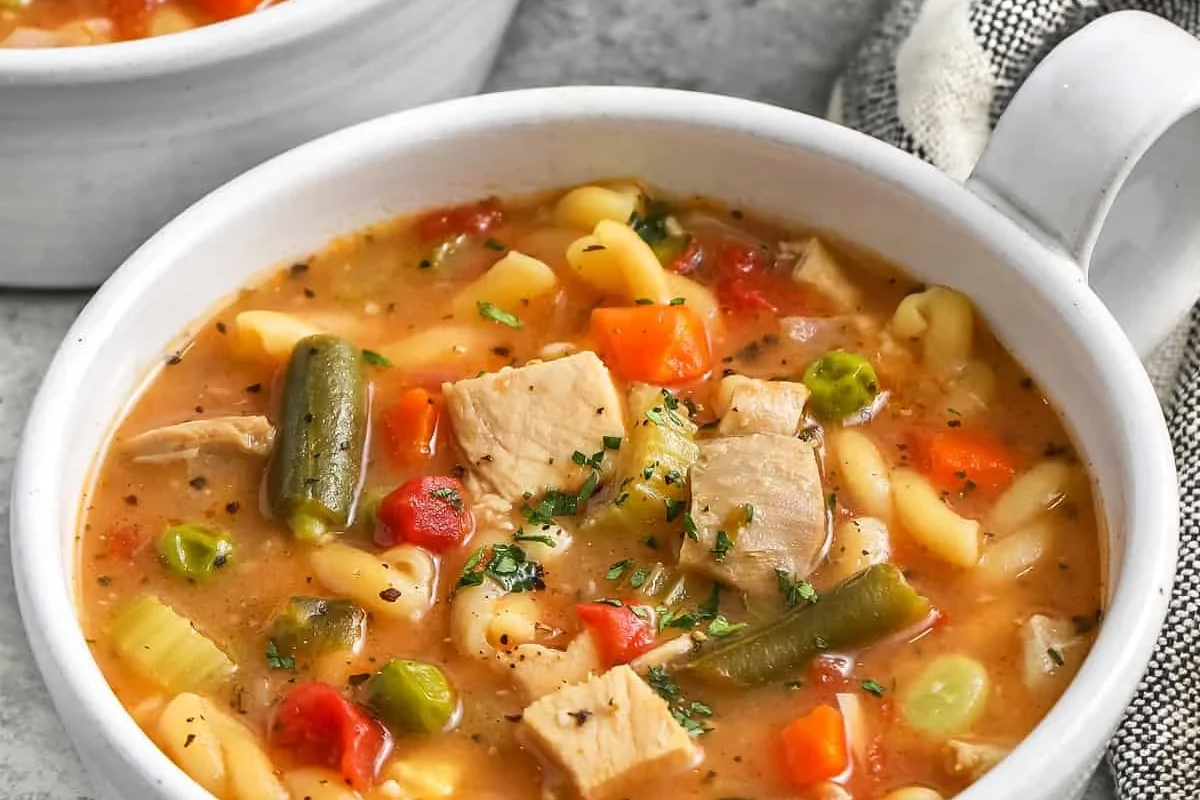
If you have leftover cooked chicken, it works perfectly in recipes like easy instant pot soup, where the meat can soak up the flavors of your broth.
Top 3 Crowd-Pleasing Frozen Chicken Recipes
1. Belizean-Style Stewed Chicken (Pressure Cooker Version)
Combine frozen breasts with a base of browning sauce, onions, garlic, thyme, and a dash of Worcestershire sauce. Pressure cook for 15 minutes, then shred and stir in a splash of coconut milk for a rich, authentic finish.
2. Zesty Lime and Cilantro Shredded Chicken
Place frozen breasts in the pot with lime juice, chicken stock, cumin, and diced jalapeños. After the pressure cycle, shred the meat directly in the pot. It is a perfect filling for Belizean chicken tacos.
3. Creamy Coconut Curry Chicken Breast
Use a base of coconut milk, yellow curry powder, and fresh ginger. The creaminess of the coconut milk helps maintain the texture of the breast meat, preventing it from drying out during the high-pressure cycle.
Safety First: Handling Frozen Poultry and Food Hygiene
Always verify the internal temperature of your chicken using a digital food thermometer. The USDA recommends an internal temperature of 165°F (74°C) for all poultry.
Critical Temperature Cues
Visual cues are not enough. Even if the chicken looks white, it must reach the safe internal temperature of 165°F. Insert your thermometer into the thickest part of the breast to ensure it is cooked through.
Common Mistakes to Avoid
Avoid stacking frozen chicken in a dense, solid brick. If the pieces are frozen together in a massive clump, the center may not reach the required temperature, even if the exterior is cooked. Always try to separate them before placing them in the pot.
Optimizing Your Results: Troubleshooting and Tips
Why Your Chicken Might Turn Out Dry or Stringy
Chicken breast is lean and prone to drying out if overcooked. If your results are stringy, reduce your cooking time by 2 minutes on your next attempt. Also, ensure you are using a natural pressure release (NPR) for at least 5–10 minutes to allow the meat fibers to relax.
Managing the “Burn” Notice
If your Instant Pot displays a “Burn” notice, it is usually because the liquid is too thick or there isn’t enough moisture at the bottom of the pot. Ensure your thick sauces (like curry or tomato-based mixtures) are added *after* the chicken is cooked, or layered on top of the chicken rather than directly on the bottom of the steel insert.
Storage, Value, and Efficiency in the Modern Kitchen
Proper Storage and Shelf Life
Cooked chicken can be stored in an airtight container in the refrigerator for up to 3–4 days. For longer storage, freeze portions in freezer-safe bags, making sure to remove as much air as possible to prevent freezer burn.
Is It Cost-Effective?
Buying chicken breasts in bulk and freezing them is generally more economical than purchasing fresh, pre-portioned packs. While the convenience of the Instant Pot is high, the true value lies in reducing food waste by having a reliable “plan B” for dinner that doesn’t involve ordering takeout.
- Always use at least one cup of liquid to ensure proper pressure buildup.
- Use a digital thermometer to confirm the chicken reaches 165°F internally.
- Natural pressure release results in more tender, less stringy chicken.
- For best flavor, add thick sauces or fresh herbs after the pressure cycle completes.
Final Verdict: Making the Most of Your Instant Pot
Using your Instant Pot to cook frozen chicken breast is a safe, efficient method that fits perfectly into a modern, busy lifestyle. By focusing on liquid ratios and incorporating proper seasoning after the cooking phase, you can achieve delicious results that save you time without sacrificing food quality.
The method: frozen chicken breast in the Instant Pot.
Common Questions
Yes, the high heat of the pressure cycle brings the meat to a safe temperature quickly.
Most frozen chicken breasts require 12 to 15 minutes on high pressure.
No, you can cook it directly from frozen, saving significant prep time.
A reliable digital food thermometer is essential to confirm the meat is fully cooked.
Yes, but be careful with timing; vegetables often cook faster than frozen chicken.
Frequently Asked Questions
Yes, it is considered safe by food safety experts because the pressure cooker reaches the required temperature fast enough to bypass the danger zone. Always check the internal temperature with a thermometer to be certain.
For standard-sized frozen breasts, 12 to 15 minutes on High Pressure is usually ideal. Very thick breasts may need an extra minute or two.
Yes, you must add at least one cup of liquid, such as water or broth, to allow the Instant Pot to build pressure correctly. Without this, the unit may overheat or fail to seal.
Avoid overcooking by testing your timing. Using a natural pressure release for at least 5-10 minutes helps the meat retain moisture and prevents the fibers from becoming stringy.
You can, but flavor intensity often decreases during the pressure cooking process. It is generally more effective to add your primary spices and sauces to the cooking liquid.
This usually indicates that the liquid is too thick or the bottom of the pot is dry. Ensure you have enough thin liquid and place thicker sauces on top of the chicken rather than at the bottom.