Dutch Oven Fried Chicken

A Dutch oven is the ideal vessel for frying chicken because its heavy walls maintain a consistent oil temperature. This stability is the secret to achieving a perfectly crispy exterior and juicy, fully cooked meat.
Achieving restaurant-quality fried chicken at home often comes down to the vessel you choose. Using a Dutch oven for frying chicken provides the thermal consistency and depth required to create a golden, crispy crust while ensuring the meat remains succulent and perfectly cooked through.
- Thermal Stability: Heavy Dutch ovens prevent oil temperature drops, ensuring a crisp crust.
- Safety First: Never fill the pot more than halfway to avoid dangerous oil overflows.
- Proper Temp: Maintain oil at 350°F and use a meat thermometer to ensure 165°F internal doneness.
- Batch Cooking: Avoid overcrowding the pot to keep the chicken from steaming rather than frying.
Dutch Oven Fried Chicken: The Secret to Belizean-Style Crispy Perfection
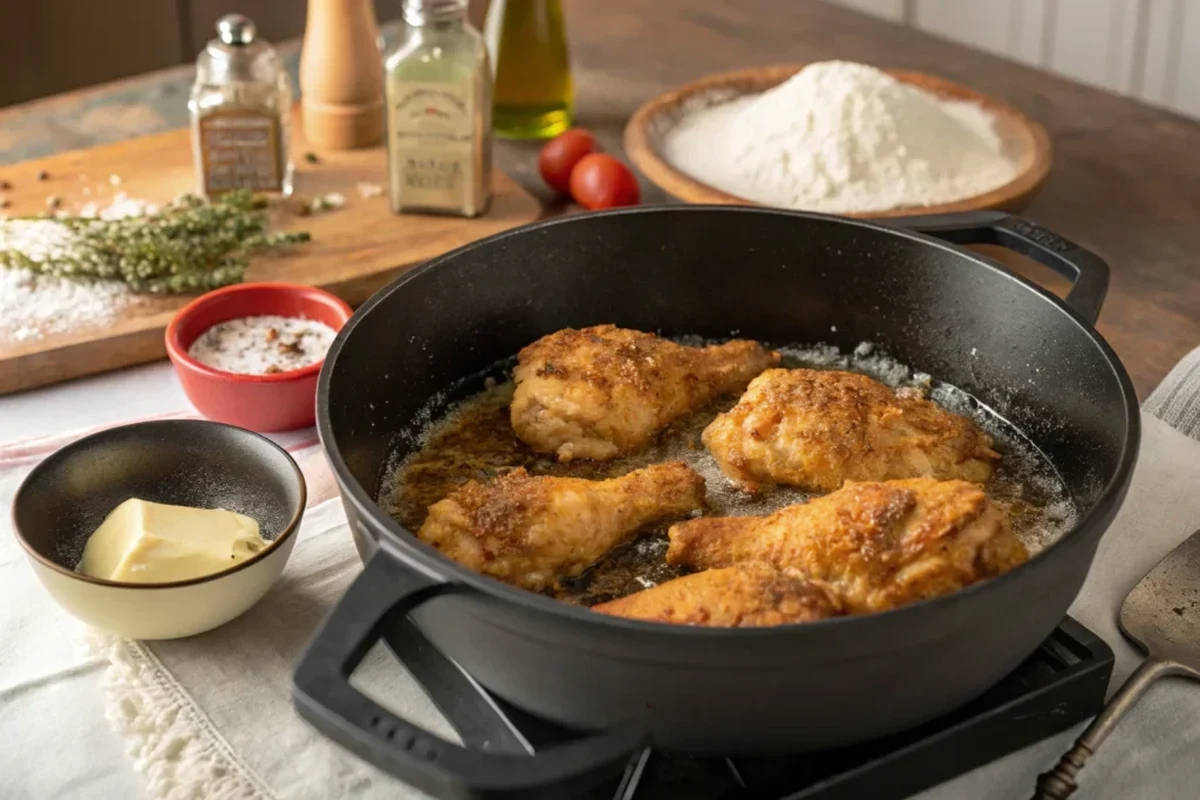
In Belizean kitchens, fried chicken is a beloved staple, often characterized by a flavorful, well-seasoned dredge and a deep, shatteringly crisp exterior. While many home cooks reach for standard pots or electric deep fryers, the heavy-duty Dutch oven remains the gold standard for this task. As of 2026, culinary enthusiasts continue to favor this method for its ability to maintain a steady temperature, which is the cornerstone of great fried chicken.
What Makes the Dutch Oven Superior for Frying Chicken?

The primary challenge in deep frying is temperature management. When you drop cold chicken into hot oil, the temperature inevitably drops. A Dutch oven combats this effectively.
Heat Retention and Thermal Stability
Because Dutch ovens are constructed from thick cast iron or enameled cast iron, they possess significant mass. This mass acts as a heat reservoir, minimizing the temperature fluctuations that occur when you add ingredients. Unlike thinner stainless steel pots, a Dutch oven holds its heat, ensuring the oil doesn’t cool down too quickly, which would otherwise lead to greasy, oil-soaked breading.
Versatility Beyond the Stove
While frying is a primary use, the Dutch oven is a workhorse. Once you have finished your frying session, the pot can easily transition to other cooking methods. Many cooks use them for slow-cooked stews or even as a secondary vessel for oven-based chicken preparations, making it a valuable piece of equipment for any kitchen.
For the best results, always ensure your Dutch oven is clean and completely dry before adding oil. Any moisture trapped in the pot can cause hot oil to splatter dangerously.
Essential Ingredients for Authentic Belizean-Inspired Fried Chicken
Selecting the Right Cut of Poultry
Bone-in, skin-on chicken pieces are essential for authentic flavor. The fat rendered from the skin and the juices from the bone help keep the meat moist during the high-heat cooking process. If you are looking for variety in your meal planning, you might also consider incorporating meal prep ideas with chicken breast for your weekday needs, though bone-in pieces are preferred for frying.
The Marinade: Infusing Flavor into the Bone
The secret to Belizean flavor starts well before the flour touches the chicken. A marinade consisting of citrus (like lime or sour orange), garlic, black pepper, and local herbs allows the flavors to penetrate the meat. Allowing the chicken to rest in this mixture for at least a few hours—or overnight—is key to ensuring the flavor goes deep.
The Flour Dredge: Achieving the Signature Crunch
A classic dredge usually involves seasoned flour. To achieve that signature crunch, ensure your spice blend is robust. Using the best spices for chicken, such as smoked paprika, onion powder, and a touch of cayenne, will elevate the crust. The interaction between the moisture on the chicken and the dry flour creates the craggy texture that holds onto oil and seasonings.
Step-by-Step Cooking Technique: Mastering the Dutch Oven Fry
Ensuring Food Safety: How to Tell When Your Chicken is Perfectly Done
According to the USDA, chicken must reach a minimum internal temperature of 165°F (74°C) to be considered safe for consumption. Always use a calibrated digital meat thermometer inserted into the thickest part of the meat, avoiding the bone, to verify this.
Storage, Reheating, and Maintaining That “Fresh-Fried” Texture
If you have leftovers, store them in an airtight container in the refrigerator for up to three days. To regain that fresh-fried texture, avoid the microwave, which turns the crust soggy. Instead, place the chicken on a wire rack over a baking sheet and reheat it in a 375°F (190°C) oven until the crust is crisp again.
Equipment Guide: Choosing the Right Dutch Oven for Your Kitchen
- Excellent heat retention
- Develops a natural non-stick patina
- Easier to clean
- No seasoning required
Final Verdict: Why Dutch Oven Frying is a Kitchen Staple
Dutch oven fried chicken is a technique that rewards patience and attention to detail. By utilizing the heavy-duty nature of a Dutch oven, you create a controlled environment that consistently produces crispy, flavorful, and safe-to-eat chicken. Whether you are a beginner looking to master a classic or an experienced cook refining your technique, this method remains an essential skill for any home kitchen in 2026 and beyond.
Common Questions
Many home cooks prefer a Dutch oven because it is more versatile and easier to clean than an electric deep fryer.
Keep your oil around 350°F (175°C) for the best balance of crispiness and internal cooking.
Depending on the size of the pieces, it typically takes 12 to 18 minutes to reach an internal temperature of 165°F.
Yes, most cast iron and enameled Dutch ovens are compatible with induction cooktops, providing excellent heat control.
If you are using raw cast iron, it should be seasoned. Enameled Dutch ovens do not require seasoning.
Frequently Asked Questions
Neutral oils with high smoke points like canola, vegetable, or peanut oil are best. These oils can withstand the high temperatures required for frying without burning.
Fill the Dutch oven no more than halfway. This leaves room for the chicken and prevents the oil from bubbling over, which is a significant safety hazard.
Soggy crust is usually caused by the oil temperature being too low, which makes the breading absorb the oil instead of frying it. Ensure your oil stays around 350°F.
Yes, enameled Dutch ovens are excellent for frying. They provide the same thermal stability as raw cast iron but are much easier to clean and do not require seasoning.
Ensure your chicken is dry before seasoning and dredging. Press the flour firmly into the chicken, and let it rest for a few minutes before putting it into the oil.
Yes, you can strain and reuse the oil. Cool it completely, filter out the debris, and store it in a cool, dark place to prevent it from going rancid.