Chicken Oven Grill

The chicken oven grill method uses high-heat roasting followed by a quick broil to achieve crispy, charred skin and juicy meat. It is a convenient, reliable way to mimic traditional outdoor grilling flavors in your own kitchen.
The “chicken oven grill” method is a versatile culinary technique that replicates the smoky, charred qualities of traditional outdoor cooking using the controlled environment of your kitchen oven. By leveraging high-heat roasting and broiling, you can achieve restaurant-quality results that bring the essence of an authentic Belizean BBQ chicken recipe into your home, regardless of the weather outside.
- Rack Setup: Always use a wire rack over a baking sheet to ensure even air circulation.
- Temperature Control: Roast at 400°F first, then finish with the broiler for that signature charred texture.
- Safety First: Use a digital thermometer to ensure the chicken reaches a safe internal temperature of.
- Sugar Management: Avoid adding sugar-based glazes until the final minutes of cooking to prevent burning.
What is a Chicken Oven Grill and Why It’s a Game Changer for Belizean Cooking
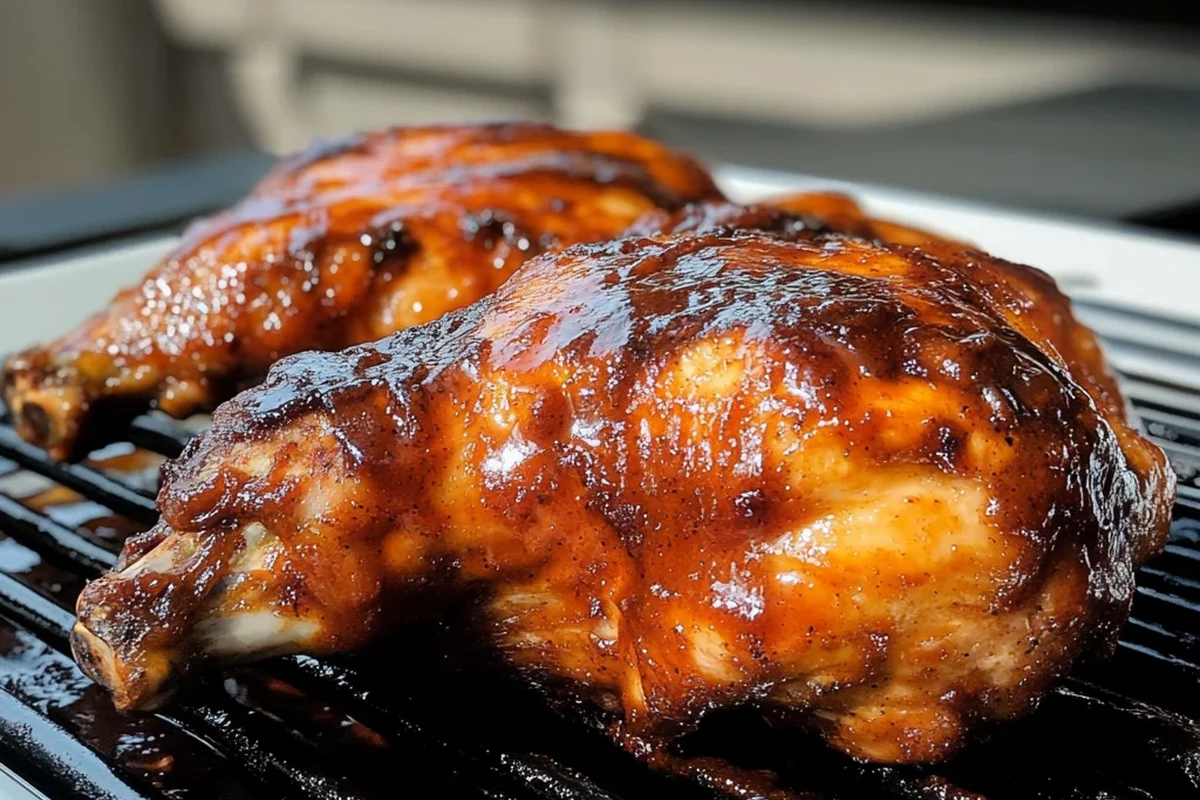
In Belize, the aroma of grilled chicken is a staple of weekend gatherings and street-side food stalls. However, you don’t always need a charcoal pit to capture that signature flavor. An “oven grill” approach refers to using specific settings on your kitchen range—typically convection or high-heat broiling—to mimic the intense heat transfer of an open flame. For the home cook in 2026, this method offers consistency and convenience, allowing you to manage heat levels precisely to prevent the common pitfalls of outdoor grilling, such as flare-ups or uneven, burnt skin.
How to Achieve Authentic “Grill-Style” Chicken Using Your Oven

The Science of Convection and Broiling
To replicate grilling, you must understand how your oven interacts with the meat. Convection roasting circulates hot air around the chicken, ensuring the skin renders and crisps evenly. The broiler, on the other hand, provides intense, direct radiant heat that simulates the “sear” you get from charcoal coals. By alternating between these functions, you create a complex texture that is both succulent inside and charred on the exterior.
Essential Equipment for the Perfect Oven-Grilled Chicken
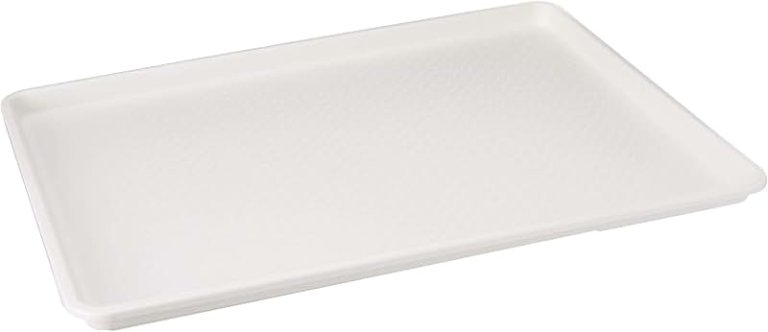
You don’t need fancy gadgets to get started, but a few basics make a world of difference. A heavy-duty wire rack set inside a rimmed baking sheet is the most critical tool. This setup allows air to circulate underneath the chicken, preventing it from stewing in its own juices. While many modern kitchens rely on an electric range with a double oven for multitasking, even a standard single-cavity oven can deliver excellent results if you manage your rack positions carefully.
Key Ingredients for Belizean-Style Oven-Grilled Chicken
Selecting the Right Cut of Poultry
Bone-in, skin-on chicken pieces—such as thighs or leg quarters—are ideal for this method. The bone helps retain moisture during the high-heat cooking process, while the skin provides the fat necessary for that crispy, golden-brown finish we crave in Caribbean-inspired dishes.
The Essential Spice Rub and Marinade Components
Authentic Belizean flavor relies on a balance of aromatics. Think fresh recado (annatto paste), lime juice, garlic, habanero peppers (if you like heat), and dried oregano. Because oven grilling is a faster, drier heat than a slow braise, ensure your marinade contains a small amount of oil to help the spices adhere and prevent the chicken from drying out too quickly under the broiler.
Step-by-Step Technique: From Oven to Table
Pat the chicken completely dry with paper towels. Rub with your spice blend and let it sit at room temperature for 30 minutes to allow the flavors to penetrate.
Preheat your oven to 400°F (200°C). Roast the chicken on the rack until the internal temperature reaches about 155°F.
Move the oven rack to the top position. Switch to the broiler setting and watch closely for 3–5 minutes until the skin is charred and crispy.
Common Mistakes When Oven Grilling Chicken
Avoiding the “Boiled” Texture
The most common error is overcrowding the pan. If the pieces are touching, steam gets trapped, resulting in rubbery skin. Always ensure there is at least an inch of space between each piece of poultry. If you are cooking a large batch, use two separate baking sheets rather than crowding one.
Preventing Uneven Charring and Flare-ups
Sugar-based marinades (like those with honey or brown sugar) will burn very quickly under the broiler. If your recipe includes sugar, apply it only during the final two minutes of broiling. Always keep a close eye on the oven during the broil phase—it takes mere seconds for the chicken to go from perfectly charred to burnt.
Always use a meat thermometer to ensure the chicken reaches a safe internal temperature of 165°F (74°C) at the thickest part, away from the bone, as recommended by food safety authorities.
Safe Handling and Storage Practices
Food Safety Protocols for Raw Poultry
Cross-contamination is a risk in any kitchen. Always wash your hands, utensils, and surfaces thoroughly with hot, soapy water after they touch raw poultry. Never reuse the marinade that held the raw chicken unless it has been brought to a rolling boil for several minutes first.
Best Practices for Storing and Reheating Leftovers
Store leftovers in an airtight container in the refrigerator for up to 3 to 4 days. To maintain the best texture when reheating, use an oven or a toaster oven rather than a microwave, which tends to make the skin soggy.
Substitutions and Customizations for Your Kitchen
If you don’t have access to traditional Belizean recado, you can substitute it with a mix of smoked paprika, garlic powder, and a touch of vinegar to mimic the acidity and color. For those using different oven types, remember that gas ovens tend to be slightly more humid than electric ones, so you may need an extra minute or two under the broiler to achieve the same level of crispness.
Value and Efficiency: Is Oven Grilling Right for You?
Oven grilling is significantly more efficient than setting up a charcoal grill for a weeknight dinner. While it lacks the deep, woody smoke infusion of a real fire, the convenience of the oven allows you to enjoy Caribbean-inspired flavors on a busy schedule. It is a reliable, repeatable, and safe way to prepare chicken that leaves your kitchen clean and your meal satisfying.
The chicken oven grill method is the perfect solution for home cooks who want the flavor profile of a Belizean BBQ without the commitment of outdoor grilling. While it may not replace the experience of an open wood fire for special occasions, it is an essential technique for high-quality, efficient, and consistent weeknight meals.
Common Questions
Oven grilling involves a finishing step under the broiler to mimic the intense, direct heat of a charcoal grill, which adds a charred, smoky texture.
Yes, you can add a small amount of smoked paprika or a liquid smoke additive to your marinade to replicate the flavor of wood-fire cooking.
No, you should keep it uncovered to ensure the skin remains crispy and the heat circulates properly.
The broiling step is fast, usually taking between 3 to 5 minutes, depending on the proximity of the rack to the heating element.
It works well for large groups, provided you use multiple baking sheets and ensure the oven isn’t overcrowded to maintain proper airflow.
Frequently Asked Questions
Yes, but be careful with timing. Boneless chicken cooks faster and can dry out, so reduce the initial roasting time and monitor it closely.
Keep sugary ingredients out of the dry rub or marinade until the very end, and always keep a close watch during the final minutes of broiling.
It is generally not necessary if you are using a wire rack, as the air circulates around the meat. Flipping can sometimes cause the delicate skin to tear or stick to the rack.
A temperature of 400°F (200°C) is ideal for rendering fat and cooking the chicken through without drying it out before the charring phase.
Use a digital meat thermometer to ensure the thickest part of the chicken reaches an internal temperature of 165°F (74°C).
Yes, convection is excellent for this method because it promotes even browning and crispier skin. Reduce your oven temperature by 25°F if using a convection setting to prevent over-browning.