Cozy Autumn Wild Rice Soup Recipe | Creamy, Hearty & Easy Fall Comfort Food

Cozy autumn wild rice soup is a robust, nutrient-dense dish that combines the nutty, chewy texture of wild rice with aromatic vegetables and a creamy, savory broth. It serves as the perfect seasonal transition meal, offering warmth and comfort as temperatures begin to drop in 2026.
- Nutrient Density: Wild rice is high in fiber and provides a satisfying, chewy texture.
- Flavor Foundation: Sautéing mirepoix creates the essential base for a deep, savory broth.
- Timing Matters: Wild rice takes 45-60 minutes to cook; check for doneness early to avoid mushy.
- Prep Efficiency: This soup stores well for up to four days, making it perfect for busy.
What is Cozy Autumn Wild Rice Soup?
The Essence of a Hearty Fall Bowl
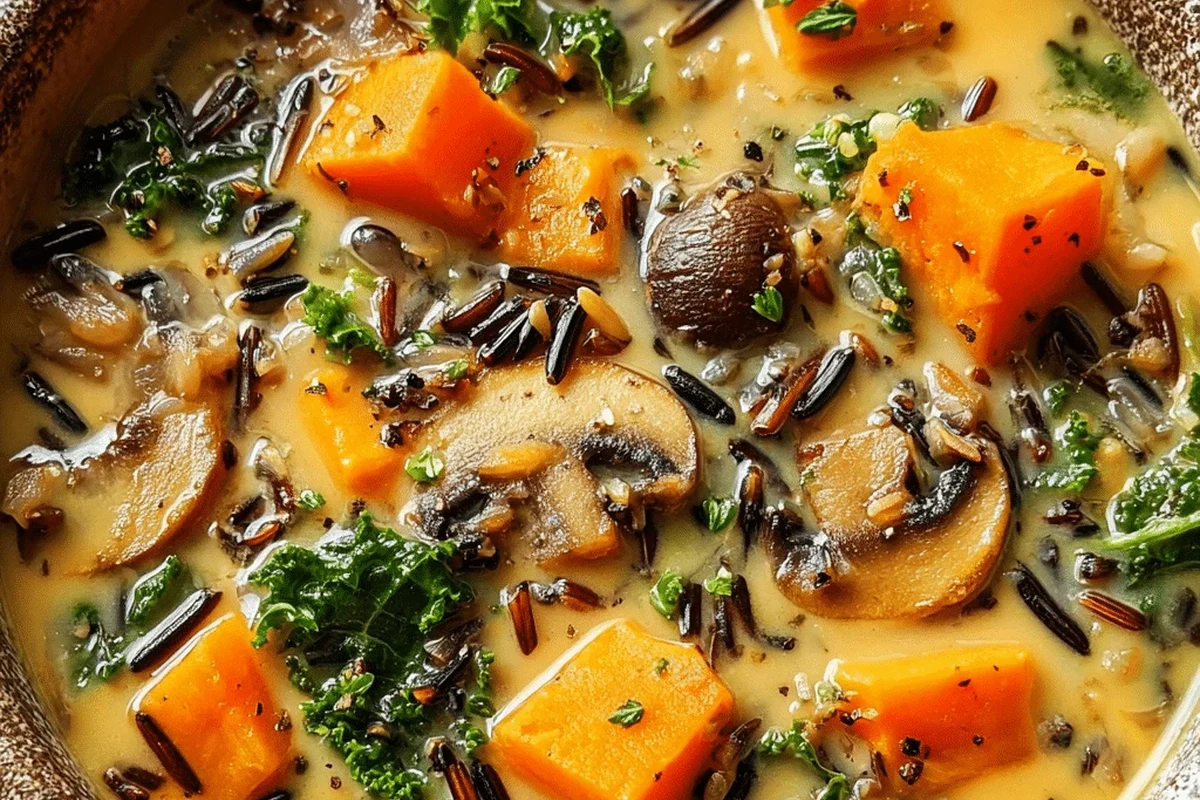
At its core, this soup is a celebration of harvest-time flavors. Unlike thin broths, this dish relies on a base of sautéed mirepoix—onions, carrots, and celery—and earthy herbs like thyme and sage to create a deep, foundational taste. The wild rice is the star, providing a distinct, “pop-in-your-mouth” texture that stands up beautifully to long simmering times without becoming mushy.
Why This Recipe Fits the BelizeanRecipe Philosophy
BelizeanRecipe focuses on soups that honor tradition while maintaining versatility. This recipe aligns with our goal of teaching home cooks how to build layers of flavor through proper technique rather than relying on heavy additives. It is a dish that respects the integrity of the ingredients, making it a reliable staple for any home kitchen. Chicken Noodle Soup Over Mashed Potatoes
Key Ingredients for the Perfect Autumn Wild Rice Soup
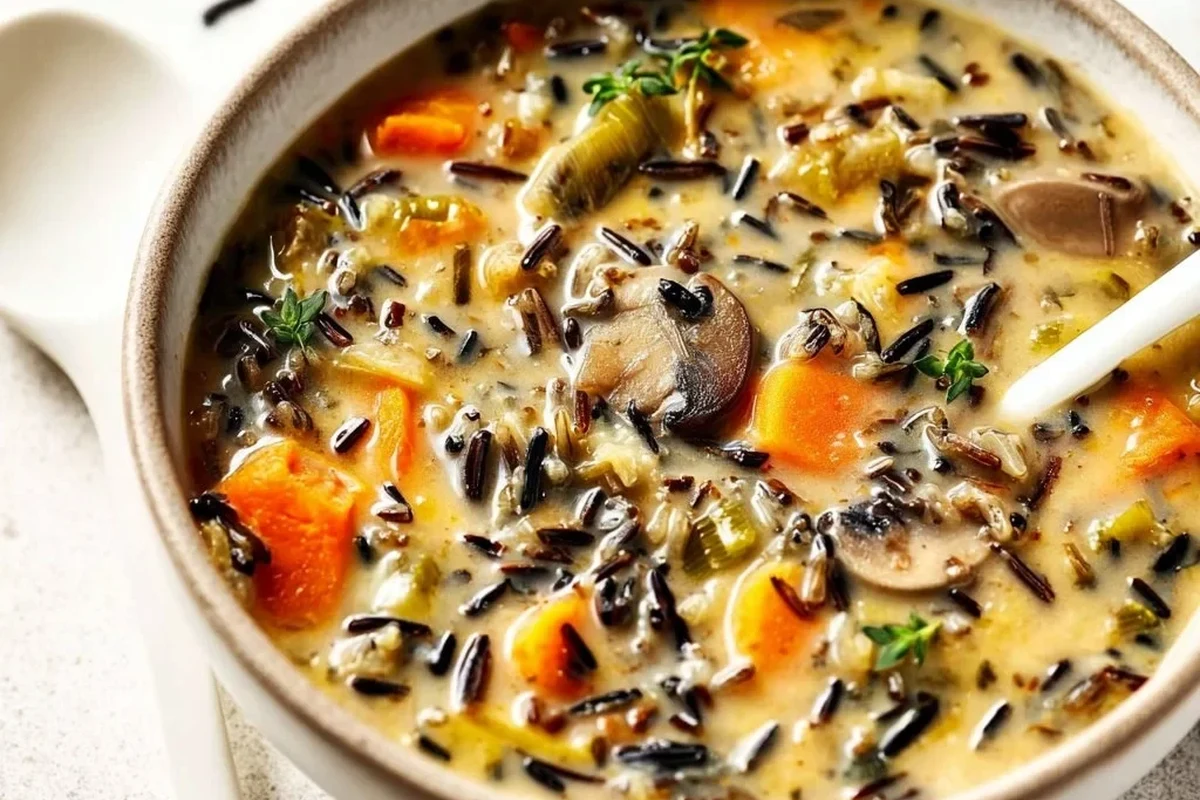
Selecting the Best Wild Rice Varieties
True wild rice is actually a semi-aquatic grass seed that offers a high fiber and protein content. When shopping, look for “paddy-grown” or “lake-harvested” varieties. The darker, longer grains generally provide the best nutty flavor and firm texture.
Aromatic Foundations: Mirepoix and Earthy Herbs
The foundation of any great stew is the mirepoix. Sautéing these vegetables in butter or olive oil until translucent is crucial for developing the soup’s base sweetness. Herbs such as fresh thyme, rosemary, or dried sage complement the nuttiness of the rice, bridging the gap between the savory broth and the earthy grains.
Protein and Vegetable Add-ins for Texture
While the rice provides a chewy element, adding diced mushrooms (like cremini or shiitake) introduces an umami depth that mimics the heartiness of meat. For protein, shredded rotisserie chicken or white beans are classic additions that balance the meal.
The Cooking Process: A Step-by-Step Guide

Preparing Your Ingredients for Optimal Flavor
Begin by rinsing the wild rice thoroughly under cold water. This removes excess starch that could cloud your broth. Chop all vegetables into uniform sizes to ensure they cook evenly.
Technique: Building the Roux and Achieving the Perfect Consistency
To achieve a velvety texture, incorporate a small amount of flour or a cornstarch slurry into your sautéed vegetables before adding the broth. This creates a light roux that thickens the soup without making it heavy.
Cooking Wild Rice to Perfection: Avoiding Mushy Grains
Wild rice takes longer to cook than white rice—often 45 to 60 minutes. Check the texture frequently after the 40-minute mark; the grains should be tender but still possess a slight, pleasant “chew.”
Substitutions and Dietary Adaptations
Making It Gluten-Free and Dairy-Free
To keep the soup gluten-free, use a gluten-free flour blend for the roux or omit the thickener entirely and allow the natural starches of the rice to thicken the broth. For dairy-free versions, swap butter for avocado oil and use full-fat coconut milk or a nut-based cream to achieve richness.
Protein Swaps: From Chicken to Roasted Root Vegetables
If you prefer a vegetarian version, roasted butternut squash or sweet potatoes add a natural creaminess and autumnal sweetness. Chickpeas or cannellini beans work well as a neutral, high-protein alternative to poultry. Cozy Autumn Wild Rice Soup
Elevating the Flavor Profile with Belizean-Inspired Touches
For a unique twist, consider finishing the bowl with a splash of lime juice or a hint of habanero-infused oil. The acidity cuts through the richness of the soup, adding a bright note that elevates the earthy flavors of the wild rice.
Common Mistakes and How to Avoid Them
The Overcooked Rice Trap
Overcooking turns the grains into a paste, ruining the texture. Always test the rice five minutes before you think it is done.
- Use low-sodium broth to control salt levels
- Add greens at the very end to retain color
- Adding raw rice directly to a heavily salted broth (it toughens the grain)
- Boiling the soup vigorously
Achieving the Ideal Soup-to-Broth Ratio
Wild rice absorbs a significant amount of liquid as it sits. If the soup looks too thick upon reheating, simply whisk in an extra half-cup of warm broth or water.
Seasoning Pitfalls: When to Salt and When to Wait
Wait to add salt until the rice is nearly cooked. Adding salt too early can prevent the rice from softening properly, leading to an uneven texture. Instant Pot Ham Cheese Broccoli Soup
Food Safety, Storage, and Reheating Instructions
Safe Handling of Poultry and Vegetable Bases
If using poultry, ensure it is cooked to an internal temperature of 165°F (74°C). When using vegetable bases, ensure all produce is washed and free of soil before chopping.
Proper Cooling and Refrigeration Guidelines
Cool the soup quickly by placing the pot in an ice-water bath before transferring it to the fridge. Consume within 3 to 4 days for the best quality.
The Best Methods for Reheating Without Losing Texture
Reheat on the stovetop over medium-low heat. Avoid the microwave if possible, as it can cause uneven heating and further soften the rice grains.
Value and Versatility: Why This Soup is an Autumn Staple
Cost-Effectiveness of Bulk Ingredients
Wild rice, onions, carrots, and celery are pantry staples that are often inexpensive when bought in bulk. This soup allows you to feed a family for a fraction of the cost of dining out.
Meal Prep Benefits for Busy Fall Schedules
This soup is a “better the next day” dish. Making a large batch on Sunday provides a quick, healthy lunch option throughout the work week, saving time during busy autumn schedules.
Final Recommendation: Why This Soup Belongs in Your 2026 Kitchen
Cozy autumn wild rice soup is an essential recipe for 2026 because it balances nutrition, comfort, and affordability. Whether you are a beginner cook or a seasoned pro, the techniques involved—sautéing, simmering, and balancing flavors—are fundamental skills that will serve you well in any culinary endeavor.
Frequently Asked Questions
While you can use brown or white rice, the cook time and texture will change significantly. Wild rice is recommended for its unique nutty flavor and firm, chewy texture that holds up during simmering.
When stored in an airtight container, the soup will remain fresh for 3 to 4 days in the refrigerator. Ensure it is cooled rapidly after cooking to maintain food safety.
Wild rice varieties vary in harvest age and processing, which affects cook time. If it remains too firm, continue simmering and add a splash more broth as needed until it reaches your desired tenderness.
Yes, but keep in mind that the rice may soften further upon thawing. If you plan to freeze, slightly undercook the rice and reheat gently on the stovetop.
Absolutely. This soup requires basic chopping and monitoring, making it an excellent project for those looking to practice foundational cooking techniques.
A light roux made from butter and flour, or a cornstarch slurry, works best. Alternatively, blending a small portion of the cooked vegetables before returning them to the pot adds body naturally.