Convection Oven Chicken Roast

Roasting chicken in a convection oven uses circulating air to cook the bird evenly and create crispy skin faster than a traditional oven. Always reduce your standard roasting temperature by 25°F to achieve the best results.
Roasting a whole bird in a convection oven is one of the most effective ways to achieve restaurant-quality results at home. By utilizing forced air, you can lock in moisture while creating a deeply browned, crispy skin that traditional static ovens often struggle to replicate without extra effort.
- Temperature Adjustment: Always lower your oven temperature by 25°F when using the convection setting.
- Airflow Importance: Use a wire rack to ensure air circulates underneath the chicken for uniform browning.
- Dry Surface: Pat the chicken dry thoroughly before applying rubs to maximize skin crispiness.
- Safety First: Use a meat thermometer to confirm the internal temperature reaches 165°F.
- Resting Time: Allow the bird to rest for 20 minutes to ensure the meat remains juicy.
Convection Oven Chicken Roast: The Ultimate Belizean-Inspired Guide
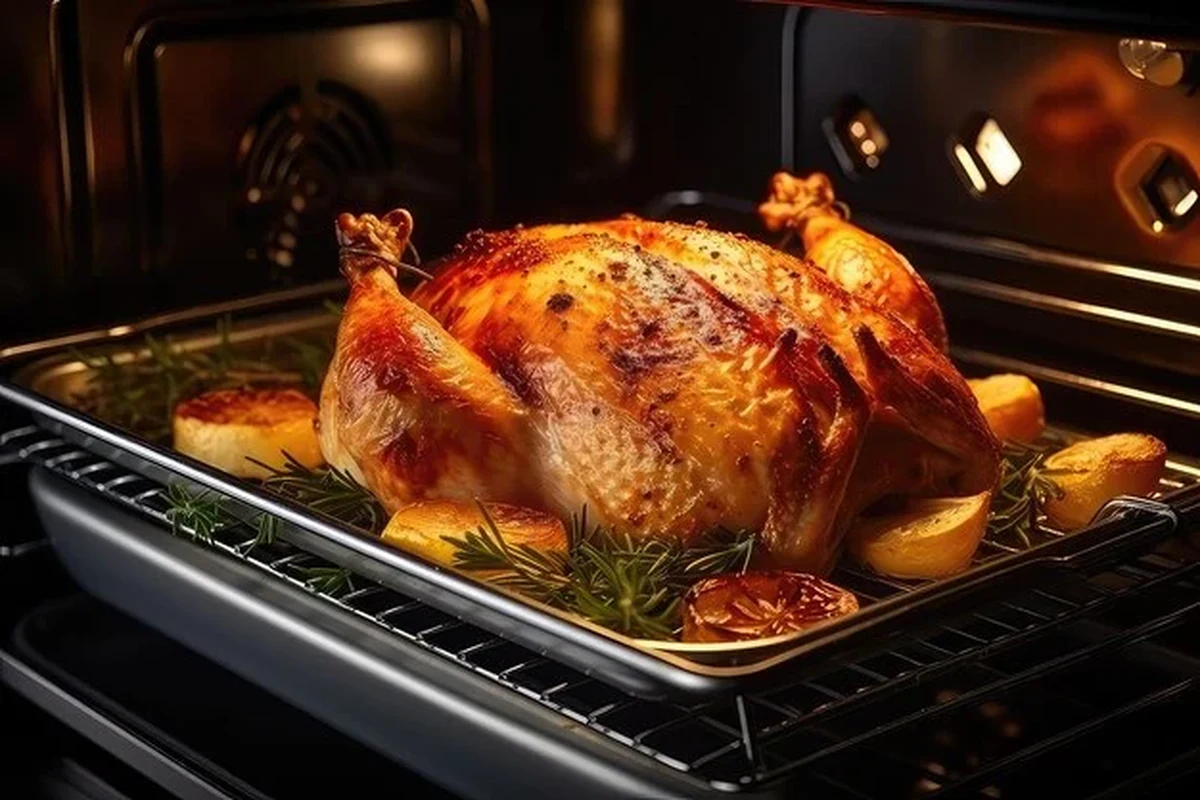
For home cooks in 2026, the convection oven has become a staple appliance. Whether you are using a dedicated wall unit, an electric range with a double oven, or even a countertop model, the principle remains the same. When you roast chicken in a convection environment, the circulating air works to cook the bird more evenly and efficiently, making it a perfect technique for busy weeknights or Sunday dinners.
What is a Convection Roast and Why It Changes the Game
The Science of Circulating Heat
Unlike a conventional oven that relies on heat radiating from the bottom or top elements, a convection oven uses a fan to circulate hot air throughout the cooking chamber. This eliminates “hot spots” within the oven, ensuring the chicken cooks at a consistent temperature from every angle. In a traditional oven, the air around the food can become cooler as the food absorbs the heat; in a convection oven, that air is constantly replaced by fresh, hot air.
Why Convection is Superior for Crispy Skin
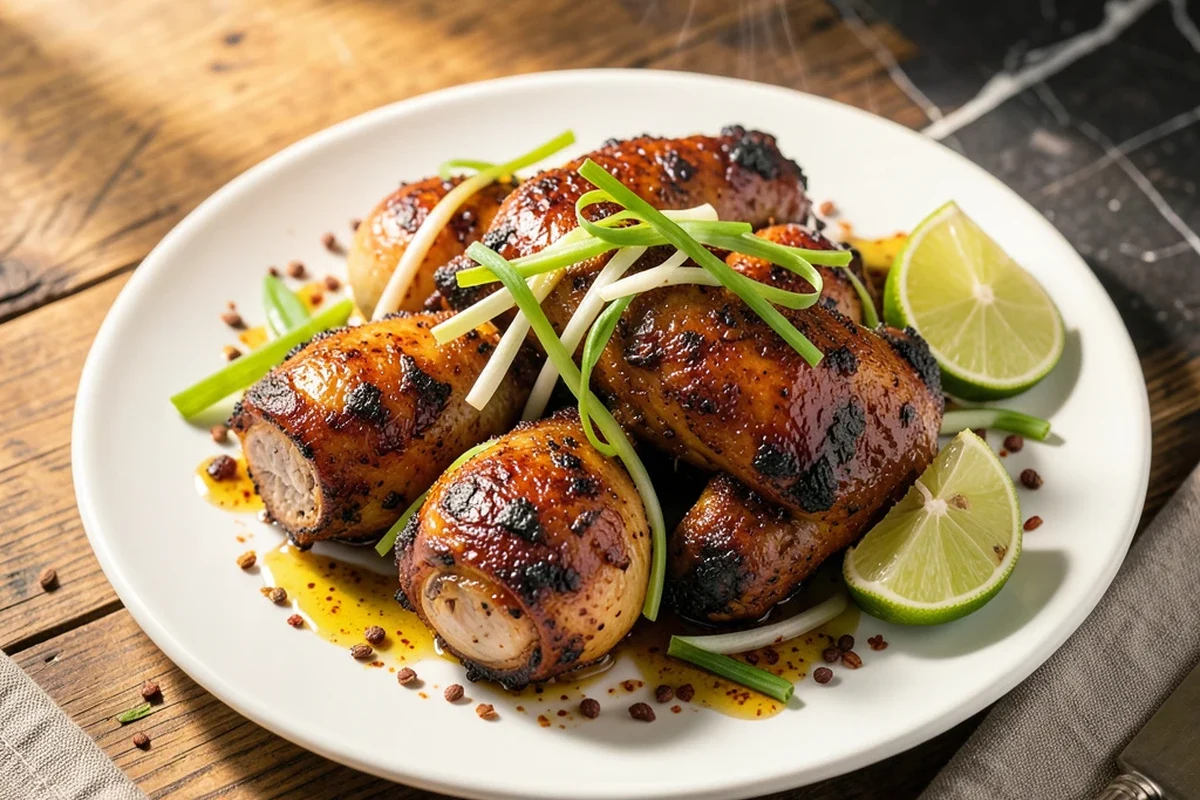
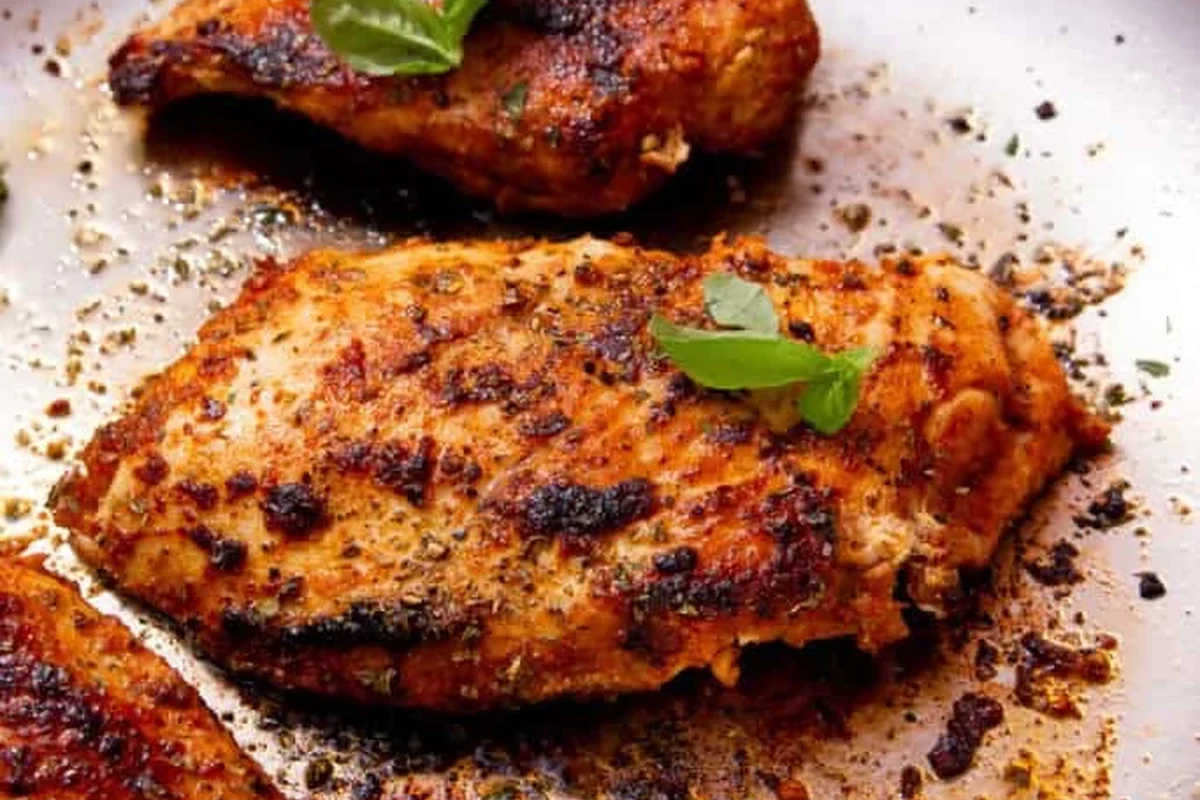
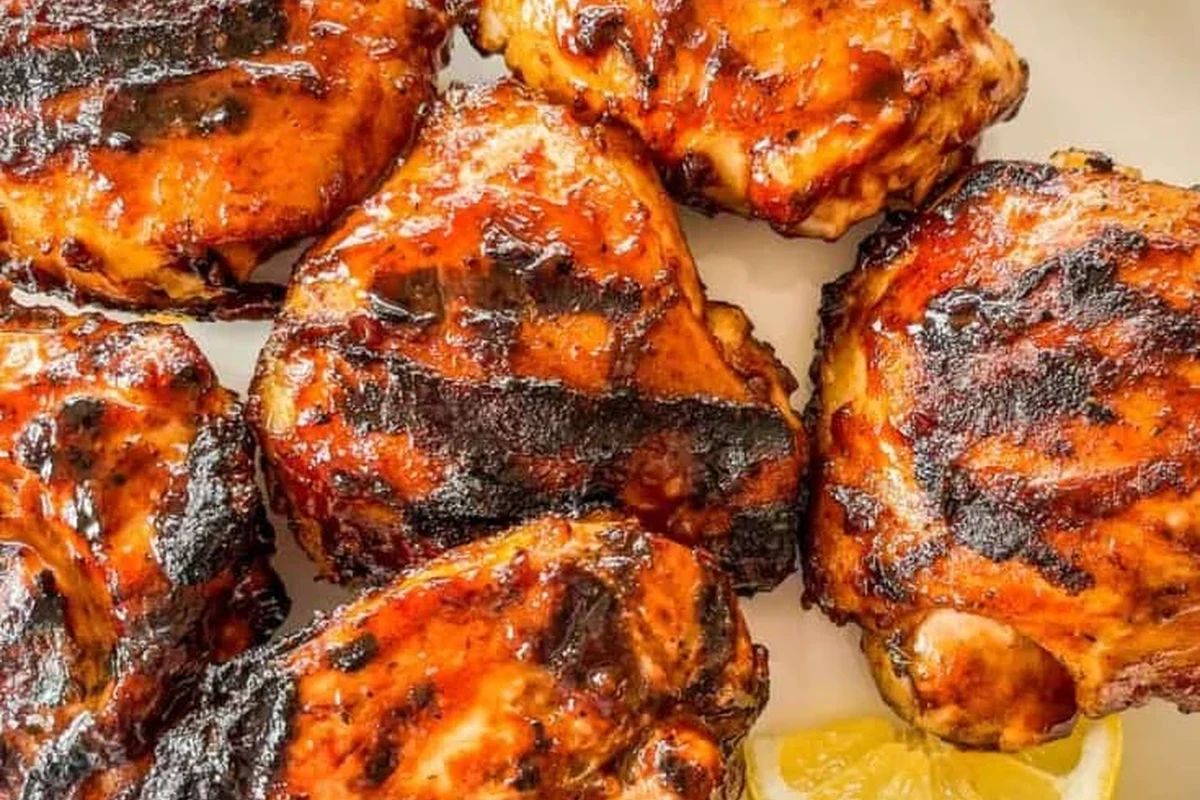
The secret to great roast chicken is the Maillard reaction—the chemical process that creates browned, flavorful skin. Because the convection fan strips away the layer of cool, moist air that naturally surrounds the bird, the heat can penetrate the surface more aggressively. This results in faster dehydration of the skin, leading to a golden, crackling finish that is hallmarks of a great Belizean BBQ chicken recipe or a traditional roast.
Always ensure your bird is patted completely dry with paper towels before seasoning. Moisture is the enemy of crispiness; removing it allows the convection heat to immediately begin browning the skin rather than steaming it.
Essential Ingredients for the Perfect Belizean-Style Roast
Selecting the Right Bird: Size and Quality Matters
For the best results, choose a bird between 3.5 and 4.5 pounds. Smaller chickens roast faster, which helps maintain the juiciness of the breast meat. Always check the packaging for “air-chilled” labels, as these birds often have less retained water, which leads to better skin texture.
The Spice Rub: Balancing Citrus and Savory Belizean Aromatics
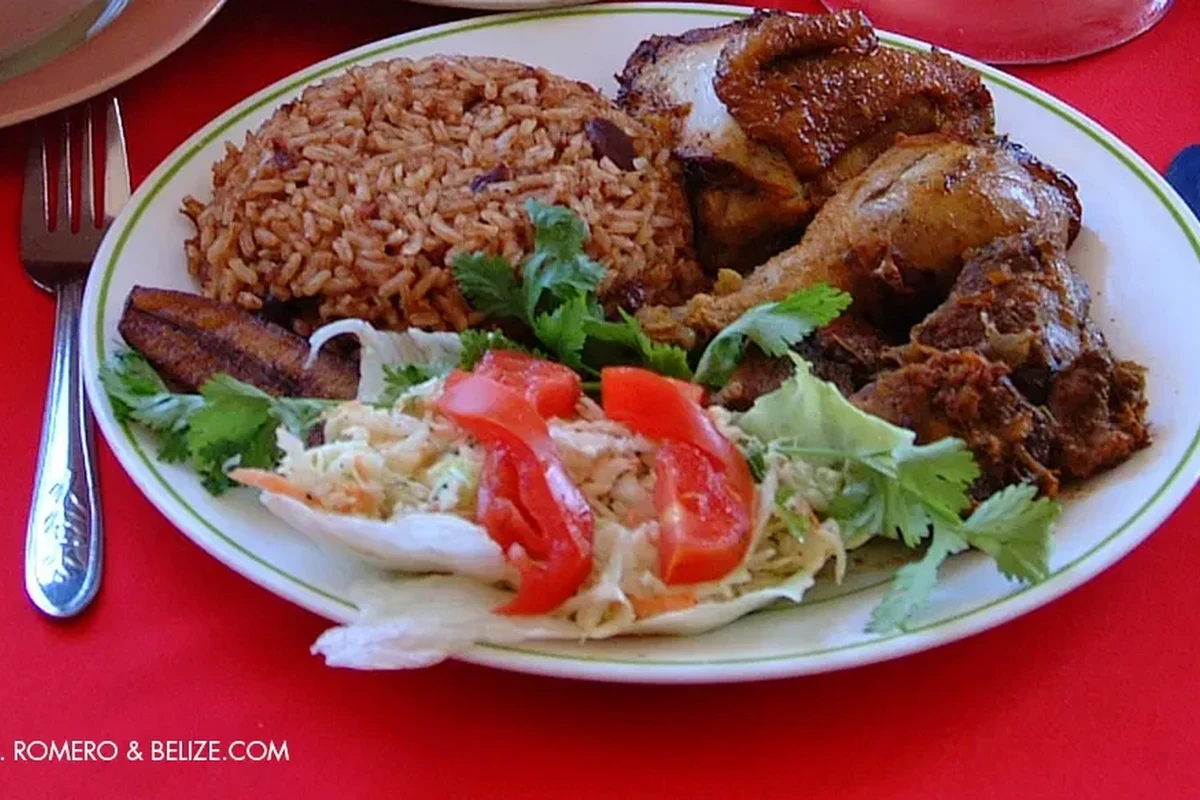
To capture the essence of Belizean cooking, move beyond simple salt and pepper. A traditional rub often incorporates recado (achiote paste), fresh lime juice, garlic, and a blend of cumin and black pepper. The acidity of the lime helps tenderize the meat, while the aromatics create a deep, earthy crust.
Step-by-Step: Mastering the Convection Oven Technique
Key Benefits and Real-Kitchen Advantages
Faster Cooking Times Without Sacrificing Moisture
Because of the fan circulation, you can typically reduce your cooking temperature by 25°F compared to a standard recipe and still get faster results. This lower heat helps the fat render slowly, keeping the meat succulent while the skin crisps.
Achieving Uniform Browning and Texture
If you have ever struggled with one side of the chicken browning faster than the other, convection is the solution. The uniform distribution of heat means you rarely need to rotate the pan, allowing for a more hands-off cooking experience.
If you are looking to upgrade your kitchen setup to handle these roasts with ease, our guide on the best oven options can help you decide which model fits your cooking style.
Common Mistakes to Avoid When Roasting with Convection
Overcrowding the Pan and Airflow Obstruction
The most common mistake is using a pan with high sides or placing other items in the oven that block the airflow. If the air cannot circulate around the chicken, you lose the primary benefit of the convection feature.
Ignoring the Conversion Factor for Temperature
Since convection cooking is more efficient, using the same temperature as a standard oven can lead to burnt skin while the interior is still undercooked. Always drop the temperature by 25°F to ensure a balanced cook.
Food Safety, Doneness, and Handling
Always use a digital meat thermometer to check for doneness. According to food safety guidelines, the chicken must reach an internal temperature of 165°F (74°C) at the thickest part of the thigh, away from the bone.
Storage, Reheating, and Leftover Versatility
Proper storage is essential for food safety. Remove any leftover meat from the bone within two hours of cooking and store it in an airtight container in the refrigerator for up to 3-4 days. When reheating, avoid the microwave if possible, as it can make the meat rubbery. Instead, place the chicken in a shallow dish with a splash of broth and cover with foil, reheating at 300°F until warmed through.
Value and Final Verdict: Is Convection Roasting Right for You?
Convection roasting is an ideal technique for anyone who values time-efficiency and professional-looking results. While it requires a slight adjustment in how you set your oven, the consistent, golden-brown skin and moist meat are well worth the learning curve. If you frequently roast whole birds, the convection setting is a high-value feature that will quickly become your preferred method.
Common Questions
Yes, the circulating air speeds up the cooking process, typically reducing total roasting time by about 20-25%.
Avoid covering the chicken with foil, as this traps moisture and prevents the skin from crisping up during the convection cycle.
Yes, but ensure the stuffing reaches 165°F internally to ensure food safety.
This is likely due to excess moisture on the surface or overcrowding the pan, which blocks the airflow.
Basting is generally unnecessary in a convection oven and can actually soften the skin by adding moisture back to the surface.
Frequently Asked Questions
Yes, it is recommended to reduce the temperature by 25°F compared to a standard oven recipe to prevent the exterior from cooking too quickly.
Pat the bird completely dry before seasoning and ensure there is ample airflow around the chicken by using a wire rack in your roasting pan.
Yes, but ensure they are arranged in a single layer and do not block the circulation of air around the chicken.
Let the chicken rest for at least 15 to 20 minutes before carving to allow the juices to redistribute throughout the meat.
They use similar principles of circulating air, but air fryers are smaller and typically have more powerful fans, resulting in even faster cooking.
The chicken is safe to eat once it reaches an internal temperature of 165°F (74°C) at the thickest part of the thigh.