Recipes with Chicken Sausage

Chicken sausage is a lean, versatile protein that works perfectly in skillet meals, roasts, and tacos. Always cook it to an internal temperature of 165°F to ensure it remains safe and juicy.
Chicken sausage has become a cornerstone of the modern kitchen due to its lean protein content and incredible versatility. Whether you are looking for a quick weeknight meal or a flavorful base for a hearty stew, chicken sausage offers a lighter alternative to traditional pork varieties without sacrificing depth of flavor.
- Lean Choice: Chicken sausage offers a lower-fat alternative to pork while providing excellent flavor.
- Cooking Safety: Always use a thermometer to reach 165°F (74°C) internal temperature.
- Technique: Pan-sear for a crispy snap or roast for easy, hands-off meal prep.
- Storage: Keep refrigerated for 1-2 days or freeze for up to 3 months for peak.
What is Chicken Sausage and Why It’s a Belizean Kitchen Staple
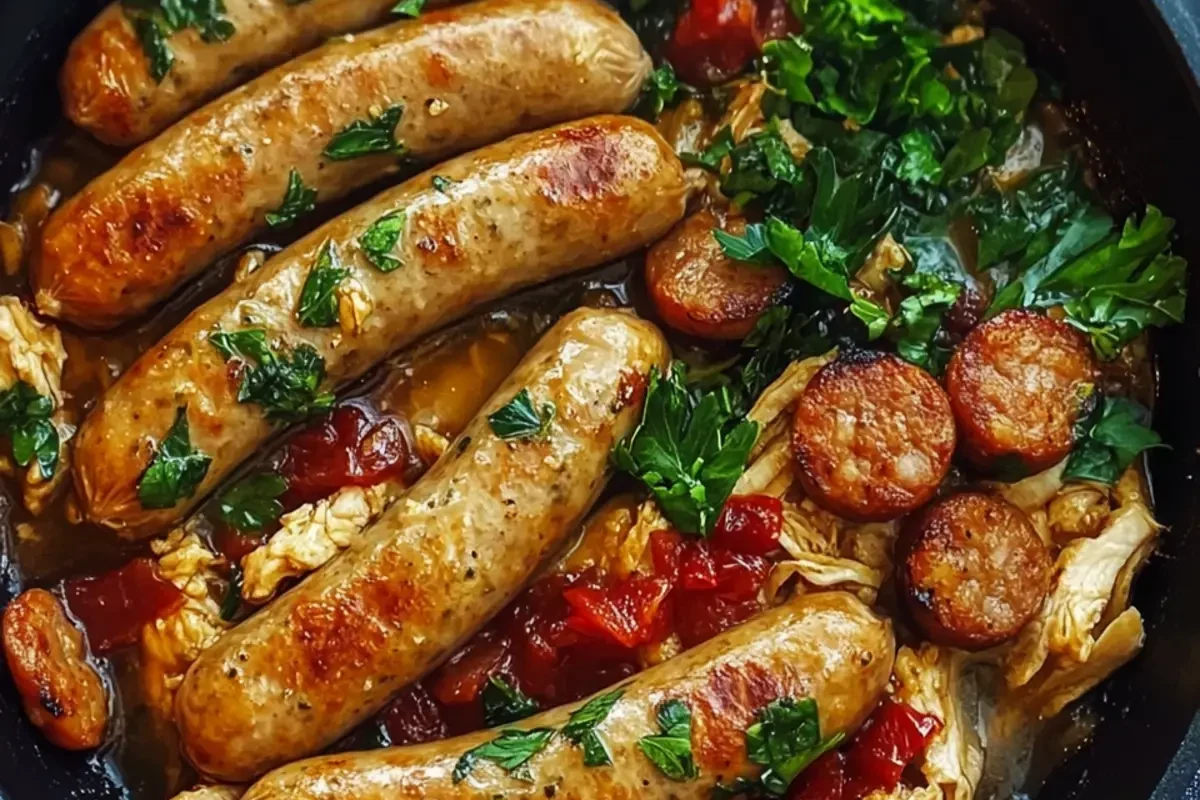
In Belizean cooking, we value ingredients that can adapt to the vibrant, bold flavors of our region. Chicken sausage fits this perfectly. It is typically made from ground chicken—often a mix of breast and thigh meat to balance lean protein with necessary moisture—seasoned with a variety of herbs, spices, and sometimes aromatics like garlic or sun-dried tomatoes. Because it is lower in saturated fat compared to traditional pork links, it has become a go-to for home cooks looking to balance health-conscious choices with the rich, savory profiles we love in Caribbean-inspired dishes.
Choosing the Best Chicken Sausage: Quality and Flavor Profiles
Key Decision Criteria: Reading Labels for Health and Taste
When shopping for chicken sausage in 2026, the label tells the most important story. Look for options where chicken is the first ingredient and avoid products with excessive fillers, artificial preservatives, or high sodium levels. If you are watching your intake, check the fat content; some varieties use chicken skin for texture, which increases the fat percentage. Always verify the allergen information if you have sensitivities to gluten or dairy, as these are sometimes used as binders.
The Versatility Factor: Fresh vs. Pre-Cooked Varieties
You will generally find two types: raw (fresh) and pre-cooked. Fresh chicken sausage requires careful handling and must be cooked to a safe internal temperature, making it ideal for recipes where you want the meat to render into a sauce. Pre-cooked sausage is a massive time-saver for busy families; it simply needs browning or heating through, making it perfect for quick stir-fries or pasta dishes.
Always check the “use-by” date on fresh sausages. Since chicken is a leaner protein, it can spoil faster than beef or pork varieties if not stored correctly.
Essential Cooking Techniques for Perfect Chicken Sausage
Pan-Searing for Crispy Skins and Juicy Centers
To achieve that signature “snap” when you bite into a link, pan-searing is the gold standard. Use a heavy-bottomed skillet over medium heat with a touch of oil. The key is to brown the exterior slowly without splitting the casing. If you have a gas range with a griddle, this is an excellent surface for searing multiple links at once while maintaining even heat distribution.
Oven-Roasting for Hands-Off Meal Prep
For larger batches, roasting is the most efficient method. Preheat your oven to 400°F (200°C) and arrange the sausages on a sheet pan with colorful vegetables like bell peppers, onions, and sweet potatoes. Roasting allows the juices from the sausage to season the vegetables, creating a complete, one-pan meal with minimal cleanup.
Signature Belizean-Inspired Chicken Sausage Recipes
Recipe 1: Spicy Caribbean Chicken Sausage and Rice Skillet
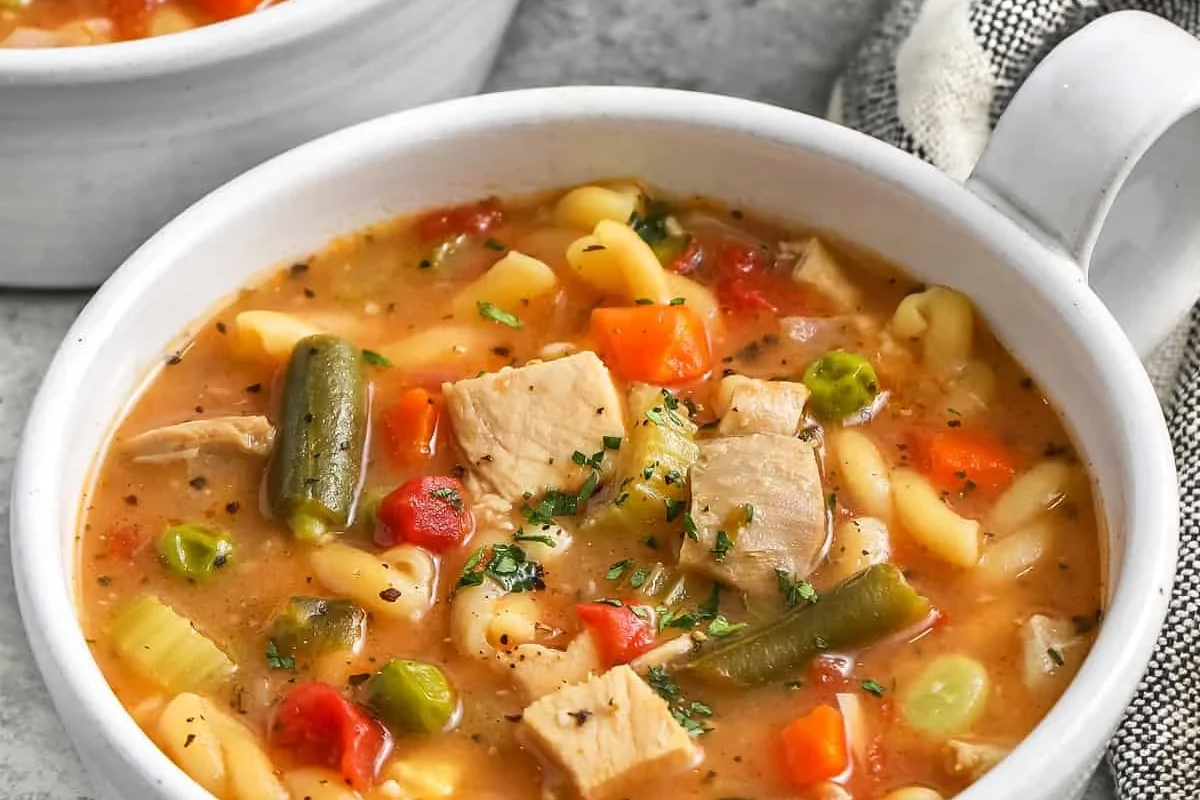
This dish leans into the bold, smoky flavors of the Caribbean. Brown your sliced chicken sausage in a deep skillet, then add diced onions, bell peppers, and a generous teaspoon of smoked paprika or scotch bonnet pepper (adjust for heat). Stir in long-grain rice, chicken stock, and a splash of coconut milk for richness. Cover and simmer until the rice is tender. This is a fantastic companion to a hearty chicken mulligatawny soup if you are looking for a multi-course dinner theme.
Recipe 2: Zesty Chicken Sausage and Tropical Vegetable Roast
Combine sliced pre-cooked chicken sausage with chunks of plantain, zucchini, and red onion. Toss with olive oil, lime juice, and a dash of cumin. Roast until the plantains are caramelized and the sausage is golden. The sweetness of the plantain perfectly complements the savory, herbaceous nature of the chicken sausage.
Recipe 3: Grilled Chicken Sausage Tacos with Pineapple Salsa
For a lighter, fresher take, grill your sausages until charred. Slice them into bite-sized pieces and tuck them into warm corn tortillas. Top with a homemade salsa made of diced pineapple, red onion, cilantro, and lime. If you enjoy this, you might also appreciate our traditional Belizean chicken tacos recipe for your next family gathering.
Safety, Handling, and Storage Best Practices
Safe Internal Temperatures and Doneness Cues
According to food safety guidelines, all poultry, including ground chicken sausage, must reach an internal temperature of 165°F (74°C) to be considered safe for consumption. Always use a digital meat thermometer inserted into the thickest part of the link to verify doneness.
Proper Storage: Refrigeration and Freezer Longevity
Keep raw chicken sausage in the coldest part of your refrigerator and use it within 1–2 days. If you don’t plan to use it immediately, store it in the freezer in airtight packaging for up to 2–3 months. When thawing, always do so in the refrigerator to keep the meat at a safe temperature.
Troubleshooting Common Cooking Mistakes
Preventing Dryness: How to Retain Moisture
Because chicken is naturally leaner than pork, it can dry out if overcooked. To prevent this, avoid piercing the casings before cooking, as this lets the juices escape. If you are pan-searing, add a tablespoon of water or broth to the pan once the sausages are browned and cover with a lid for the final few minutes of cooking to steam them through.
Achieving the Perfect Snap Without Burnt Casings
If your casings are burning before the inside is cooked, your heat is likely too high. Lower the heat to medium-low and rotate the sausages frequently. If you are using a gas range with a griddle, utilize the cooler zones of the cooking surface to finish the sausages gently after the initial sear.
Substitutions and Ingredient Pairings
Adapting Recipes for Dietary Preferences
If you are looking for a gluten-free option, always check the label for “wheat-based” binders. For those avoiding nightshades, look for chicken sausages seasoned with herbs like rosemary, sage, or thyme rather than paprika or chili-based blends. You can easily swap chicken sausage into almost any recipe that calls for mild pork sausage, though you may need to add a touch more oil or fat to the pan since chicken sausage lacks the high fat content of its pork counterpart.
Best Flavor Enhancers for Chicken Sausage
Chicken sausage is a blank canvas. It pairs beautifully with acidic ingredients like lemon, lime, or balsamic vinegar, which cut through the savory profile. For herbs, fresh parsley, cilantro, and basil add a bright finish, while earthy spices like cumin, turmeric, and black pepper enhance the depth of the poultry.
Final Verdict: Elevating Your Weekly Meal Plan
Chicken sausage is a versatile, efficient, and delicious component for any home cook. By focusing on quality labels and using gentle cooking techniques like pan-searing or roasting, you can easily incorporate this ingredient into a variety of nutritious meals. Whether you are scaling up for meal prep or creating a quick dinner, chicken sausage provides a reliable, savory foundation that pairs well with the bold tropical flavors of Belizean cuisine.
Common Questions
It depends on the brand; you can buy both raw and pre-cooked varieties at most grocery stores.
Absolutely, it works wonderfully in stews and soups, though you may need a bit more oil for sautéing.
Sear the sausage over medium heat in a heavy skillet and avoid piercing the casing during the process.
Fresh chicken sausage should be used within 1 to 2 days of purchase for the best safety and flavor.
Many brands offer gluten-free options, but always check the label for hidden wheat-based binders or fillers.
Frequently Asked Questions
Yes, chicken sausage is generally lower in saturated fat and calories than traditional pork sausage, making it a popular choice for health-conscious cooking. Always check the ingredient label for sodium levels and fillers.
Use a digital meat thermometer to ensure the internal temperature reaches 165°F (74°C). The meat should be opaque and firm to the touch.
Yes, you can freeze it for 2 to 3 months. For the best quality, wrap the links tightly in plastic wrap or vacuum-seal them to prevent freezer burn.
Avoid piercing the casings before cooking to keep the juices inside. You can also finish cooking the sausages by adding a small amount of liquid to the pan and covering it.
Bell peppers, onions, zucchini, sweet potatoes, and plantains all roast beautifully with chicken sausage. Their natural sugars caramelize well alongside the savory meat.
It depends on your recipe. If you want the sausage to hold its shape for grilling or pan-searing, keep the casing on. If you are making a sauce or crumble, you can remove the casing.