Fried Whole Chicken

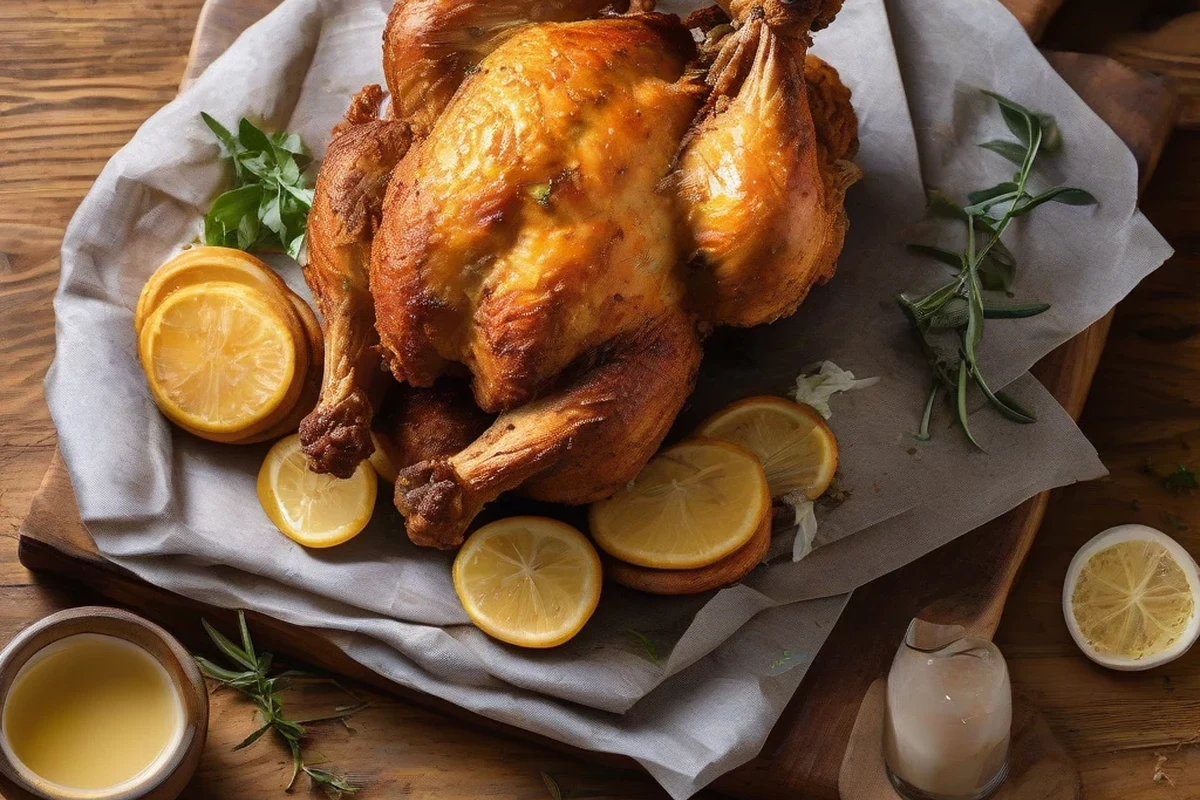
Belizean-style fried whole chicken is marinated in a bold blend of recado, lime, and local spices for maximum flavor. It is then deep-fried until the skin is perfectly crispy and the meat is tender and juicy.
Belizean-style fried whole chicken is a culinary centerpiece that prioritizes deep, aromatic seasoning and a perfectly crisp, golden exterior. Unlike standard fried chicken, this method relies on a robust marinade infused with local spices to ensure the flavor permeates every layer of the bird before it hits the oil.
- Flavor profile: Employs Recado Rojo for a signature earthy, vibrant taste.
- Preparation: Requires thorough marination to ensure deep spice penetration.
- Frying technique: Maintains oil at 350°F to ensure crispy skin without burning.
- Safety: Uses a thermometer to confirm a safe internal temperature of 165°F.
- Resting: Allows the chicken to drain on a wire rack for the best texture.
What Is Belizean-Style Fried Whole Chicken?
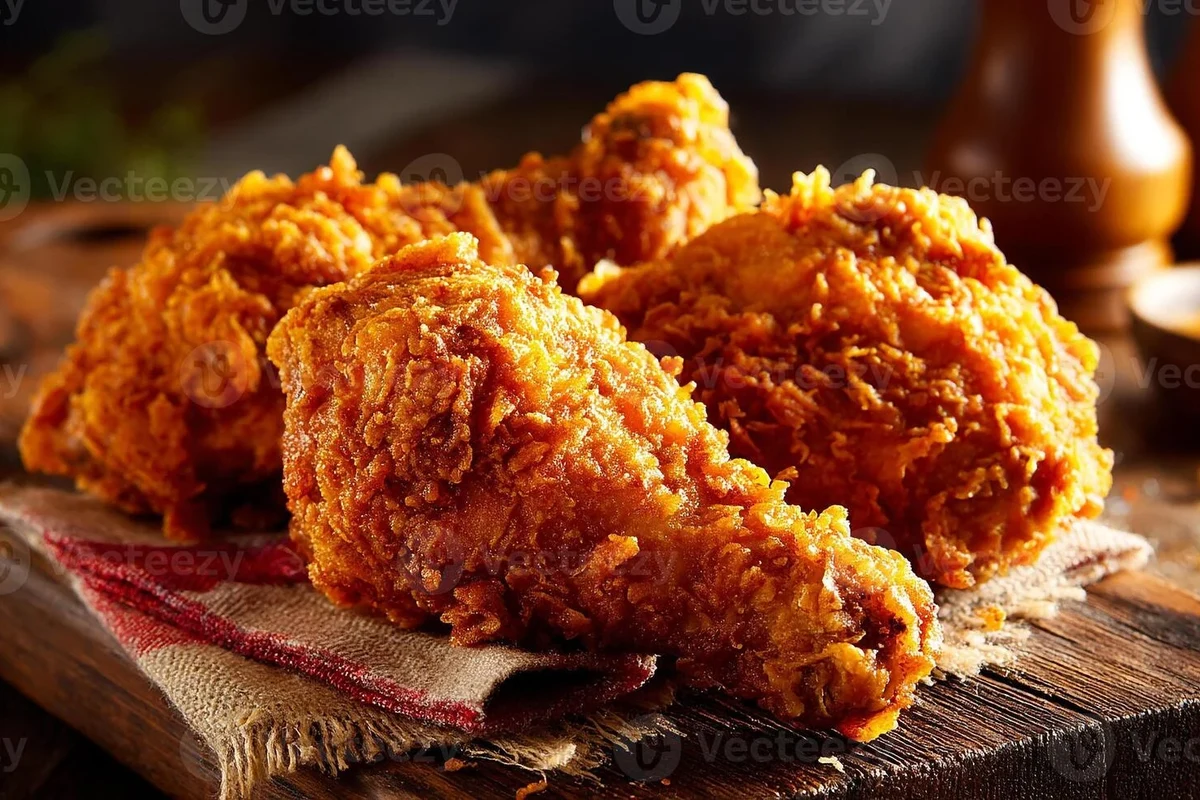
In Belize, fried chicken is more than a quick meal; it is a cultural staple often served at community gatherings, Sunday dinners, and roadside stalls. While many modern methods focus on breaded cutlets, the traditional Belizean approach often involves frying bone-in pieces—or sometimes a spatchcocked whole bird—marinated in a blend of recado (annatto paste), garlic, lime, and local herbs. The goal is to achieve a deep, mahogany-colored crust that is crunchy on the outside while maintaining succulent, flavorful meat on the inside.
Why This Recipe Defines Belizean Comfort Food
This dish captures the essence of Caribbean comfort food by balancing bold, earthy spices with the natural sweetness of high-quality poultry. It is a dish that demands patience, from the long marination time to the careful temperature control required for frying. When you master this, you aren’t just cooking chicken; you are replicating the authentic flavors that define home kitchens throughout the country.
If you enjoy the deep, savory profile of this chicken, you might also appreciate the complex spices found in a classic Belizean curry chicken recipe, which shares a similar foundation of aromatic marination.
Essential Ingredients for Authentic Belizean Seasoning
The Importance of Recado and Fresh Aromatics
The secret to the unmistakable flavor of Belizean chicken is Recado Rojo (annatto paste). This paste, made from ground annatto seeds, garlic, cumin, and oregano, gives the chicken its characteristic reddish-brown hue and earthy, slightly peppery flavor. Along with the recado, fresh lime juice is essential; it acts as both a tenderizer and a bright, acidic counterpoint to the richness of the frying oil.
Selecting the Right Whole Chicken for Even Frying
For the best results in 2026, look for a fresh, medium-sized whole chicken—typically between 3 to 4 pounds. Larger birds can be difficult to fry evenly, often resulting in an overcooked exterior before the center reaches a safe temperature. If you prefer, you can spatchcock (butterfly) the bird to create a flatter surface area, which promotes more consistent heat distribution during the frying process.
Mastering the Belizean Fried Chicken Technique
The Preparation: Cleaning and Marinating for Maximum Flavor
Begin by cleaning the chicken thoroughly with water and lime juice, a common practice in Belizean households to ensure freshness. Pat the bird completely dry before applying your marinade. A dry surface is crucial for the coating to adhere properly and to prevent dangerous oil splattering. Allow the chicken to marinate for at least four hours, though overnight is ideal for the deepest flavor penetration.
If you are looking for quicker weeknight alternatives, you can apply these same seasoning techniques to smaller cuts, similar to how one might prepare air fryer chicken thighs for a faster, albeit different, texture.
The Coating: Achieving That Signature Crispy, Golden Crust
The coating should be light yet durable. A simple dredge of seasoned flour—incorporating salt, black pepper, and perhaps a touch of cayenne—works best. Avoid thick, heavy batters that can become soggy. The key is to press the flour firmly into the marinated skin, ensuring every crevice is covered, and letting the chicken rest for 10 minutes before frying to allow the flour to hydrate slightly.
Step-by-Step Cooking Guide: From Kitchen to Table
Fill a deep, heavy-bottomed pot or Dutch oven with enough oil to submerge the chicken pieces. Heat the oil to 350°F (175°C).
Do not overcrowd the pot. Adding too much chicken at once will cause the oil temperature to drop rapidly, leading to greasy, under-crisped skin.
Fry until the skin is deep golden brown and the internal temperature reaches 165°F (74°C) as measured by a food thermometer.
Safety Cues: Ensuring Perfect Doneness Without Overcooking
Always use a digital probe thermometer to verify the internal temperature of the thickest part of the thigh. Do not rely on color alone, as the dark spices in the recado can make the meat appear cooked before it has actually reached a safe internal temperature.
Common Mistakes to Avoid During the Frying Process
A frequent error is maintaining the oil at an inconsistent temperature. If the heat is too low, the chicken absorbs too much oil; if it is too high, the outside burns before the inside finishes. Additionally, never skip the resting period after frying; placing the chicken on a wire rack for 5–10 minutes allows excess oil to drain and the crust to set properly.
Storage, Reheating, and Food Safety Best Practices
Handling Leftovers Safely in a Tropical Climate
In warmer climates, food safety is paramount. Never leave fried chicken out at room temperature for more than two hours. Once the chicken has cooled to room temperature, store it in an airtight container in the refrigerator. It should be consumed within 3 to 4 days.
How to Reheat Fried Chicken While Retaining Crunch
To retain the crunch, avoid the microwave. The best method is to reheat in an oven or a toaster oven set to 375°F (190°C) on a wire rack. This allows hot air to circulate around the chicken, re-crisping the skin without drying out the meat.
Substitutions and Variations for Modern Kitchens
Adapting Ingredients When You Can’t Find Local Belizean Staples
If you cannot source authentic Belizean recado, you can create a substitute by mixing ground annatto seeds (or paprika for color), cumin, oregano, garlic powder, and a splash of vinegar. While not identical to the traditional paste, it mimics the flavor profile necessary for this dish.
Equipment Considerations: Deep Fryer vs. Dutch Oven
A Dutch oven is the preferred tool for many because its heavy cast iron walls provide excellent heat retention, which is critical for maintaining stable oil temperatures. While electric deep fryers offer convenience and integrated temperature control, a Dutch oven allows for more control over the cooking environment, which is often preferred for larger pieces of bone-in chicken.
For those who love the versatility of chicken, exploring diverse preparation methods—such as the smoky profiles found in a Belizean BBQ chicken recipe—can help you expand your repertoire beyond frying.
Final Verdict: Why You Should Master This Belizean Classic
Mastering fried whole chicken is a rewarding endeavor that brings the vibrant, bold flavors of Belize into your own home. By focusing on the quality of the marinade and respecting the temperature requirements of the frying process, you can achieve a result that is both authentic and deeply satisfying. Whether you are cooking for a family gathering or simply craving a taste of the Caribbean, this recipe remains a timeless choice for 2026 and beyond.
Common Questions
The secret is the use of Recado Rojo, an annatto-based paste that provides both the characteristic deep red color and a complex, earthy flavor profile.
Yes, you can fry it as-is, but a light flour dredge helps create the signature crispy crust that many associate with traditional fried chicken.
Use an oil with a high smoke point, such as vegetable, canola, or peanut oil, to ensure the chicken fries evenly without the oil breaking down.
Use a splatter screen over your Dutch oven and ensure the chicken is patted completely dry before entering the oil to minimize messy grease splatters.
You can marinate the chicken up to 24 hours in advance, but it is best to fry it fresh just before serving to maintain the crispiness of the skin.
Frequently Asked Questions
Yes, you can use bone-in pieces like thighs, legs, and breasts. Just be sure to adjust the cooking time as smaller pieces will cook faster than a whole bird.
The chicken is done when a meat thermometer inserted into the thickest part of the meat reaches an internal temperature of 165°F (74°C).
You can create a substitute by blending paprika, cumin, dried oregano, minced garlic, and a splash of vinegar or lime juice to mimic the color and spice profile.
For the best results, marinate the chicken for at least 4 hours. Ideally, let it sit in the refrigerator overnight to allow the spices to penetrate deep into the meat.
While you can freeze cooked chicken, the texture of the crust will likely suffer upon thawing and reheating. It is best to consume the chicken within 3-4 days of refrigeration.
Greasy chicken usually results from the oil temperature being too low during the frying process. Ensure your oil stays around 350°F and do not overcrowd the pot.