Saute Chicken Breast

Sautéing chicken breast involves cooking seasoned meat in a hot, lightly oiled skillet until golden brown. It is a fast, high-heat method that ensures a crispy exterior and tender, juicy interior.
Sautéing chicken breast is a fundamental culinary technique that transforms simple poultry into a succulent, golden-brown centerpiece. By mastering heat control and proper preparation, you can achieve restaurant-quality results in your own kitchen.
- Preparation: Pound the chicken to an even thickness for consistent cooking.
- Heat Control: Use a high-smoke point oil and ensure the pan is hot before adding the.
- Technique: Let the chicken brown undisturbed to develop a proper crust.
- Safety: Use a digital thermometer to ensure the internal temperature reaches 165°F.
The Art of the Perfect Sautéed Chicken Breast: A Luis-Approved Guide
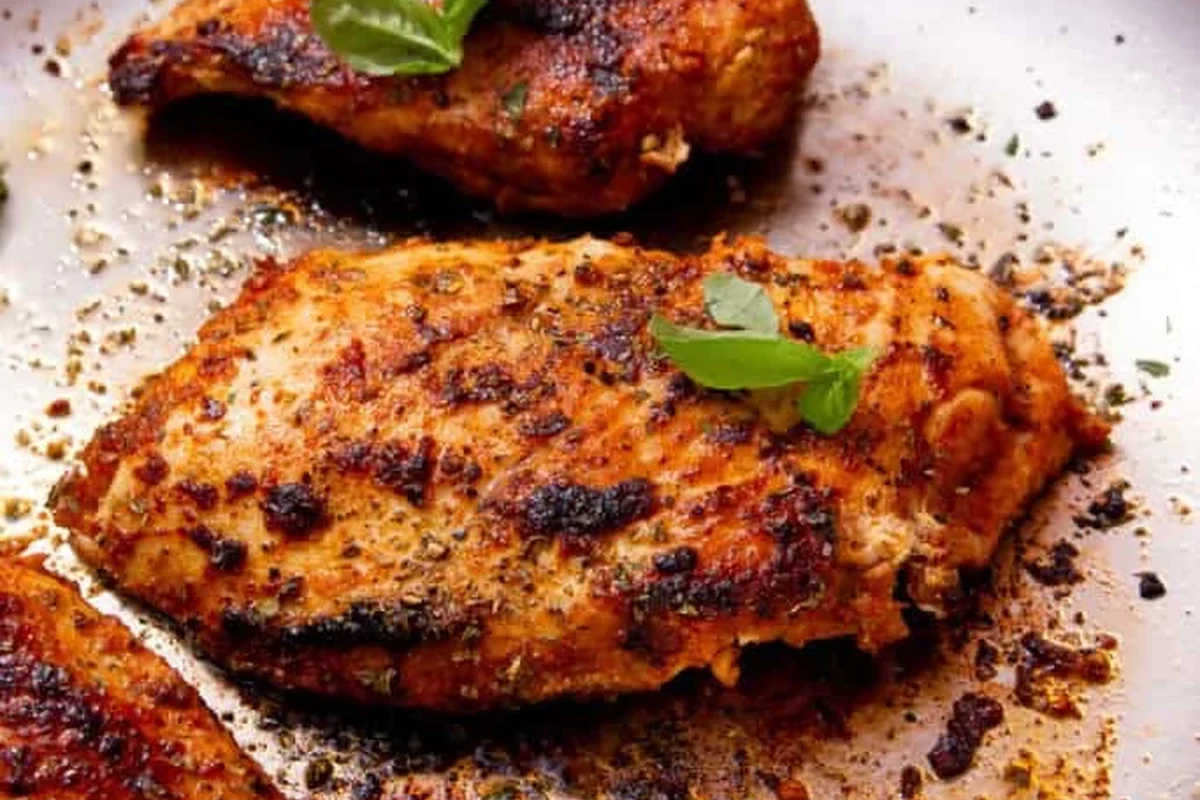
In 2026, home cooks are looking for efficiency without sacrificing flavor. Sautéing—derived from the French word sauter, meaning “to jump”—is the ideal method for chicken breast. It relies on high heat and a small amount of fat to cook the meat quickly, ensuring the exterior develops a beautiful crust while the interior remains tender. While many turn to outdoor methods like a Ninja Woodfire Grill for smokier flavor profiles, the stovetop sauté remains the gold standard for daily versatility.
What Is Sautéing and Why It’s the Gold Standard for Chicken
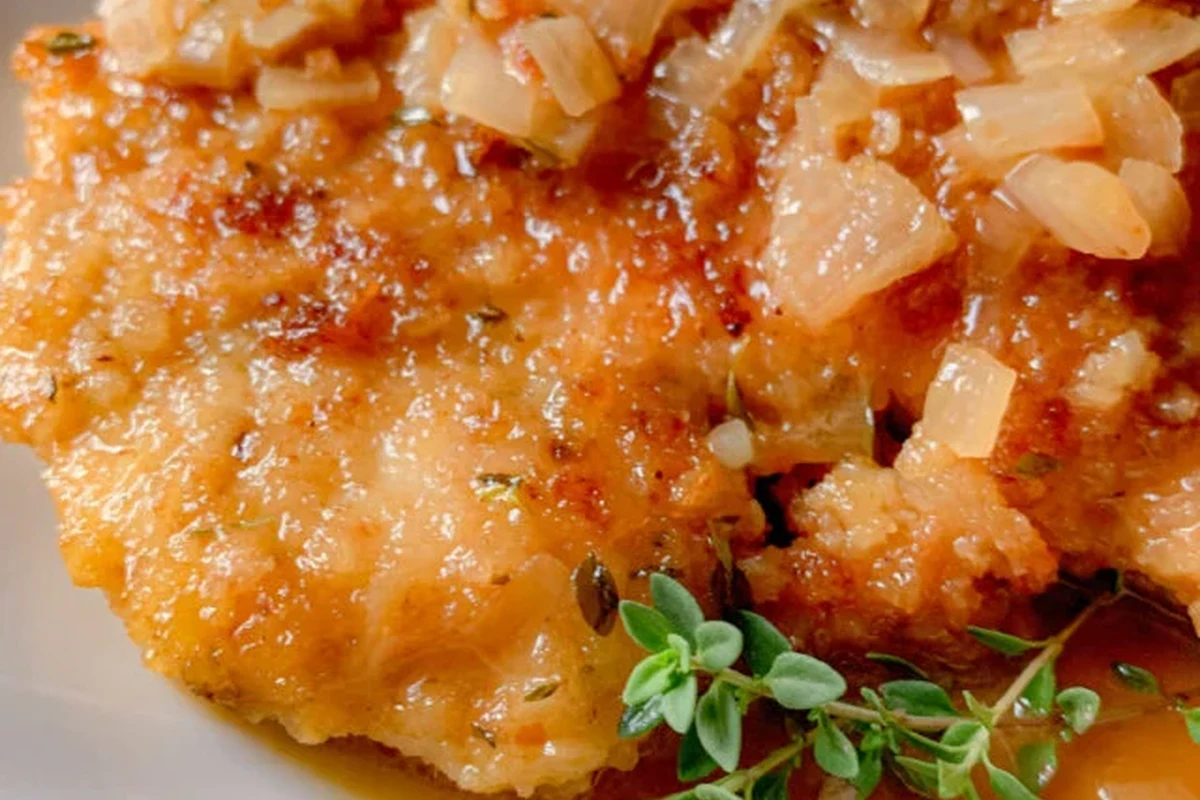
Sautéing is a dry-heat cooking method that uses a shallow pan and minimal fat. Unlike poaching or braising, which can lead to rubbery textures if overdone, sautéing allows for the Maillard reaction—the chemical process that creates browning and complex flavor. It is the perfect bridge between a quick weeknight dinner and a refined meal. Whether you are preparing Belizean chicken tacos or a simple salad topper, mastering this technique ensures you never serve dry, flavorless chicken again.
Essential Ingredients for Belizean-Inspired Sautéed Chicken
Selecting the Right Cut: Fresh vs. Frozen
Always opt for fresh, high-quality chicken breast whenever possible. If you must use frozen, ensure it is fully thawed in the refrigerator for at least 24 hours before cooking. Excess moisture is the enemy of a good sear; even with fresh chicken, patting the surface dry with paper towels is a non-negotiable step.
The Importance of a High-Smoke Point Oil
Because sautéing requires medium-high heat, your choice of fat matters. Avoid butter alone, as the milk solids will burn quickly. Instead, use a high-smoke point oil like avocado, grapeseed, or refined coconut oil. You can finish with a knob of butter at the very end for flavor if desired.
Flavor Foundations: Aromatics, Citrus, and Spices
In Belizean cooking, we value depth. A simple rub of salt, black pepper, and perhaps a touch of garlic powder or smoked paprika serves as a solid base. Fresh lime juice added during the final minute of cooking provides a bright, acidic contrast that cuts through the richness of the oil.
Bring your chicken to room temperature for 15–20 minutes before cooking. This helps the meat cook more evenly, preventing a cold center and an overcooked exterior.
Step-by-Step Technique: How to Sauté Chicken Breast Like a Pro
Common Mistakes That Ruin Sautéed Chicken
- Patting the chicken bone-dry
- Using a heavy-bottomed pan
- Allowing the pan to preheat sufficiently
- Overcrowding the pan
- Flipping too soon
- Ignoring carry-over cooking
Overcrowding the pan is a frequent error. If the pieces are touching, the pan temperature drops, and the chicken will steam rather than sear. If you are cooking for a crowd, work in batches to keep the pan temperature high.
Food Safety and Doneness: Knowing When It’s Ready
According to USDA guidelines, all poultry must be cooked to a minimum internal temperature of 165°F (74°C). Use a digital meat thermometer inserted into the thickest part of the breast to verify.
Do not rely solely on visual cues like “clear juices,” as these can be misleading. A digital thermometer is the only way to guarantee safety while avoiding the dry texture caused by overcooking.
Storage, Reheating, and Meal Prep Strategies
Cooked chicken can be stored in an airtight container in the refrigerator for up to 3 to 4 days. When reheating, avoid the microwave if possible, as it tends to make the meat rubbery. Instead, reheat gently in a skillet with a splash of chicken broth or water to reintroduce moisture. If you enjoy meal prepping, consider using your leftovers to replicate flavors similar to a Belizean curry chicken by shredding the meat and tossing it into a sauce.
Troubleshooting: Fixing Common Sautéing Issues
If your chicken sticks to the pan, it usually means you tried to move it before the crust had fully formed. Let the pan do the work; the meat will naturally release from the surface once the sear is complete. If the chicken lacks color, your pan may not have been hot enough initially. If it’s overcooked, slice it thinly and serve it with a sauce or dressing to mask the dryness.
Final Verdict: Why Sautéing Should Be Your Weekly Go-To
Sautéing is the ultimate skill for the home cook. It is fast, requires minimal cleanup, and produces reliable results. By focusing on uniform thickness and proper heat management, you can turn a basic chicken breast into a delicious meal that fits any schedule in 2026.
Common Questions
No, the USDA advises against washing raw chicken, as it spreads harmful bacteria through splashing in your sink.
The chicken is ready to flip when it releases easily from the pan and has developed a deep golden-brown color.
Yes, but add it only in the last minute of cooking to avoid burning the milk solids.
A stainless steel or cast-iron skillet is ideal because they hold heat well and provide a superior sear.
Yes, let the chicken rest for 3–5 minutes after cooking to allow the juices to redistribute throughout the meat.
Frequently Asked Questions
The key is to pound the chicken to an even thickness and use a digital thermometer to pull the meat off the heat the moment it reaches 165°F. Avoid overcooking, which is the primary cause of dryness.
Use an oil with a high smoke point such as avocado, grapeseed, or vegetable oil. These oils can handle the high heat required to get a golden-brown sear without burning.
No, you should always thaw chicken completely in the refrigerator before sautéing. Cooking from frozen results in uneven cooking and dangerous cold spots.
Chicken sticks when it is moved before the sear is complete. Wait for the crust to form; the meat will naturally release from the pan once it is properly browned.
Cooked chicken can be stored in an airtight container in the refrigerator for 3 to 4 days. Always ensure it is cooled properly before refrigerating.
Seasoning before cooking allows the flavors to penetrate the meat and helps create a better crust. Salt your chicken just before it hits the hot pan to avoid drawing out too much moisture.