Boiled Chicken Legs

Boiled chicken legs are prepared by gently simmering the meat in seasoned liquid until it reaches an internal temperature of 165°F. This method produces tender, versatile chicken perfect for quick meals and flavorful homemade stock.
Boiled chicken legs are a foundational technique in home cooking, offering a simple way to produce tender, flavorful meat perfect for soups, salads, or quick weeknight meals. By gently simmering the chicken, you unlock a versatile ingredient that serves as the backbone for countless nutritious dishes in any kitchen.
- Temperature Control: Use a gentle simmer rather than a rapid boil to keep the meat tender.
- Safety First: Always verify that the chicken reaches an internal temperature of 165°F using a thermometer.
- Flavor Building: Add aromatics like onions, garlic, and fresh herbs to the poaching liquid for maximum.
- Waste Reduction: Save the strained poaching liquid to use as a high-quality base for soups and.
What Are Boiled Chicken Legs and Why They Are a Kitchen Staple

At its core, boiling chicken legs—often referred to as poaching when done at a lower, gentler temperature—is the process of cooking chicken submerged in liquid. Unlike roasting or frying, which focus on crispy skin and caramelized surfaces, boiling prioritizes moisture retention and flavor infusion. For many home cooks, this method is a go-to because it is incredibly forgiving and produces a clean, savory broth as a secondary benefit.
Whether you are prepping for a busy week or simply need a reliable way to cook protein without the mess of splattering oil, boiled chicken is an essential skill. As we look at kitchen practices in 2026, the emphasis remains on efficiency and minimizing food waste, both of which are naturally addressed by this straightforward cooking method.
The Belizean Approach: Why Boiling is More Than Just Cooking
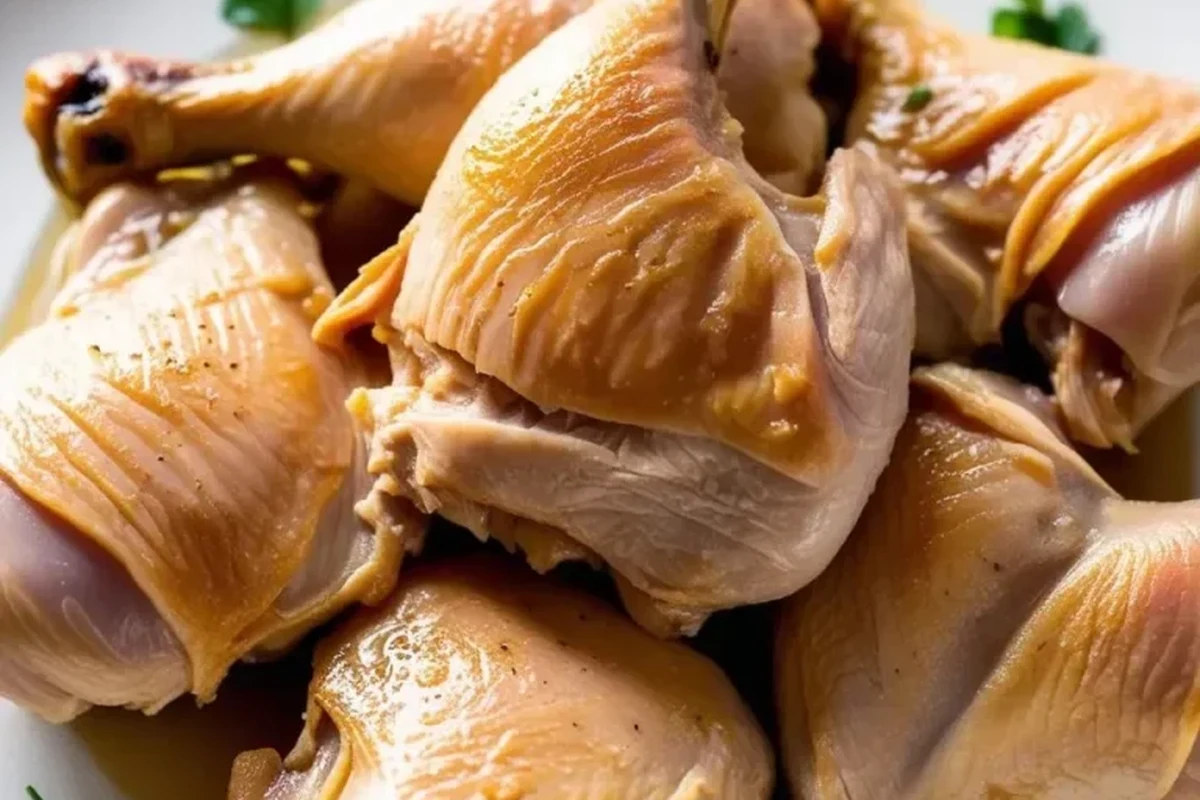
In Belizean cuisine, boiling is rarely just about the heat; it is about building a foundation of flavor. Traditional preparations often involve “seasoning up” the bird with a mixture of local herbs and aromatics before it ever touches the water. This ensures that every fiber of the meat absorbs the essence of the aromatics. It transforms a humble leg into a succulent piece of meat that can stand alone or be shredded for Belizean chicken tacos.
Essential Ingredients for Perfectly Tender Boiled Chicken Legs
Selecting the Best Cuts: Fresh vs. Frozen
Whether you choose fresh or frozen chicken legs, the quality remains paramount. Fresh legs often offer a slightly better texture, but frozen options are perfect for those who prioritize convenience. If you are using frozen chicken, ensure it is thawed completely in the refrigerator before cooking to ensure even heat distribution.
Aromatic Bases: Building Flavor from the Inside Out
To move beyond bland meat, your poaching liquid needs character. Think of your boiling pot as a canvas. Common additions include:
- Aromatics: Onion, garlic cloves, and celery stalks.
- Herbs: Fresh thyme, bay leaves, or parsley sprigs.
- Spices: Whole black peppercorns and a touch of salt.
For those looking to elevate the flavor, experimenting with the best spices for chicken can make a significant difference in the final profile of the meat.
Don’t discard the liquid! After the chicken is cooked, strain the remaining broth. It serves as a perfect base for future soups, stews, or even as a flavorful liquid for cooking rice.
Step-by-Step Cooking Technique: Mastering the Gentle Simmer
Preparation and Cleaning: The Belizean Way
Start by rinsing the chicken legs under cold running water and trimming any excess fat if preferred. In many households, a quick rub with lime juice or vinegar is a common step to ensure the meat is clean and refreshed before it enters the pot.
The Boiling Process: Temperature Control for Optimal Texture
Doneness Cues: How to Tell When Your Chicken is Ready
The only truly reliable way to check for doneness is with a meat thermometer. According to USDA food safety guidelines, poultry must reach an internal temperature of 165°F (74°C). The meat should be opaque and pull away easily from the bone.
Never rely solely on time or visual appearance. Always use a food thermometer to ensure the thickest part of the chicken leg has reached the safe internal temperature of 165°F.
Common Mistakes to Avoid for Succulent Results
Preventing Toughness: The Dangers of Over-Boiling
The most common mistake is using too much heat. A vigorous, rolling boil will cause the muscle fibers to tighten and become rubbery. Always maintain a “lazy simmer” to keep the chicken succulent.
Seasoning Pitfalls: Avoiding Bland or Over-Salted Meat
Seasoning early is crucial. If you wait until the end, only the surface of the meat will be flavored. Also, be mindful of salt levels, especially if you are using a store-bought broth as your base, as it can quickly become over-salted during the reduction process.
Versatility and Substitutions: Adapting the Recipe to Your Pantry
Flavor Profiles: From Traditional Herbs to Global Spices
If you have mastered the basics, start playing with different profiles. Adding ginger and lemongrass provides a bright, aromatic twist, while smoked paprika or cumin can provide a warmer, earthier depth. This versatility makes boiled chicken a top contender when you are looking for meal prep ideas with chicken that can be used in diverse dishes throughout the week.
Substitutions for Aromatics and Liquids
Out of chicken stock? Use vegetable broth or even water with a splash of soy sauce. If you lack fresh herbs, dried herbs like oregano or thyme can be substituted, though you should use about half the amount of dried to fresh.
Safe Handling and Storage: Best Practices for Home Cooks
Food Safety: Preventing Cross-Contamination
Always wash your hands, utensils, and surfaces thoroughly after handling raw chicken. Keep raw meat separate from vegetables and other ingredients to prevent the spread of bacteria.
Proper Storage: Refrigeration and Freezing Guidelines
Store cooked chicken in an airtight container in the refrigerator for up to 3 to 4 days. If freezing, use a freezer-safe bag or container and consume within 3 months for the best quality.
Reheating Methods: Keeping the Meat Moist
To reheat, add a small amount of water or broth to your pan to create steam. This prevents the chicken from drying out, which is a common issue when reheating in a microwave.
The Value of Boiled Chicken Legs in a Modern Diet
In the busy landscape of 2026, having a batch of pre-cooked chicken in the fridge is a game-changer. It provides an immediate, high-protein component that can be tossed into salads, folded into wraps, or added to soups, saving you significant time during the work week.
Final Recommendation: Incorporating Boiled Chicken into Your Weekly Routine
Boiled chicken legs are a practical, budget-friendly, and versatile staple that deserves a regular spot in your meal rotation. By focusing on gentle heat and careful seasoning, you can create a reliable base for countless meals. Start by preparing a small batch this week to see how much time and effort it saves you during your daily meal prep.
Common Questions
Yes, boiling is a low-fat cooking method that requires no added oils or fats. It preserves the moisture of the meat while allowing you to infuse it with fresh herbs and vegetables.
You can certainly add carrots, celery, and leeks to the pot to make a complete meal-in-one. These vegetables will flavor the broth while cooking alongside the chicken.
Yes, skimming the foam (scum) that rises to the top during the first few minutes of boiling results in a clearer, cleaner-tasting broth.
Allow the chicken to cool slightly until it is safe to handle, then use two forks to pull the meat apart. This is easiest while the chicken is still warm.
Absolutely; even in water, chicken can become dry and stringy if boiled for too long. Monitor the internal temperature closely and remove it from the heat as soon as it is done.
Frequently Asked Questions
Typically, chicken legs take about 30 to 40 minutes to simmer until fully cooked. Always verify with a meat thermometer to ensure they reach 165°F.
You can leave the skin on for more flavor and fat in the broth, or remove it for a leaner result. Many cooks prefer removing it to keep the poaching liquid cleaner.
It is safer and recommended to thaw chicken legs completely before boiling. This ensures even cooking and prevents the outer layer from overcooking while the center remains raw.
Toughness usually results from boiling the water too vigorously. Keep the heat low to maintain a gentle simmer rather than a rapid boil.
The liquid is a flavorful chicken stock. Strain it, cool it, and store it in the fridge or freezer to use as a base for soups, stews, or cooking grains.
Store them in an airtight container in the refrigerator for up to 3 to 4 days. For longer storage, you can freeze them for up to 3 months.