Pressure Cook Whole Chicken

Pressure cooking a whole chicken allows you to achieve tender, juicy results in under an hour by using high-pressure steam to infuse aromatics. It is an ideal, time-saving method for busy home cooks looking to maintain deep, traditional flavors.
Pressure cooking a whole chicken is a game-changing method for busy home cooks who want to achieve fall-off-the-bone tenderness while preserving the bold, aromatic flavors traditional to Belizean cuisine. By utilizing high-pressure steam, you can transform a standard bird into a succulent centerpiece in a fraction of the time required by a traditional oven roast.
- Efficiency: Cuts cooking time significantly compared to traditional oven roasting.
- Flavor: High-pressure steam forces spices and aromatics deep into the meat.
- Safety: Always ensure the internal temperature reaches 165°F before serving.
- Texture: Use a natural pressure release to keep the meat intact and succulent.
Pressure Cook Whole Chicken: The Ultimate Belizean-Style Shortcut
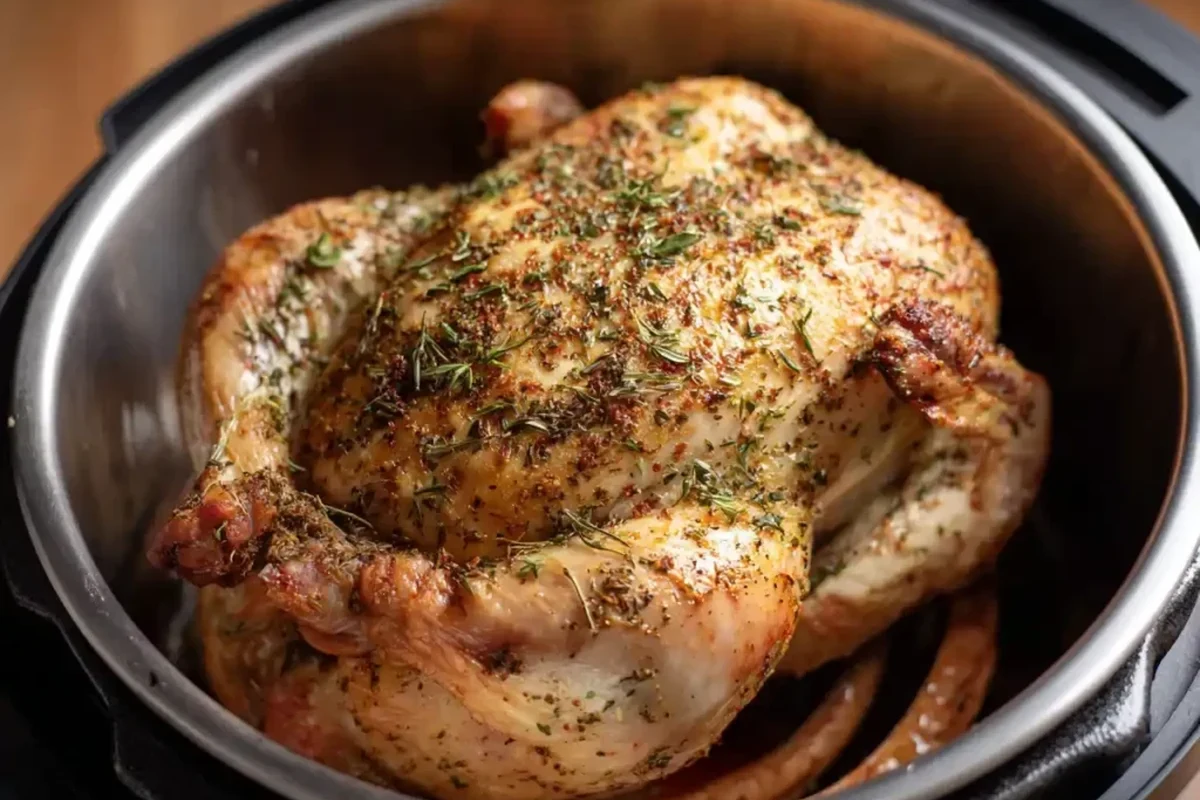
In the modern Belizean kitchen, convenience often competes with the desire for authentic, slow-cooked flavor. Pressure cooking bridges this gap. While many are accustomed to roasting or stewing, the pressure cooker acts as a vessel that traps moisture and infuses every fiber of the meat with the spices you choose. Whether you are prepping for a Sunday dinner or building a foundation for future meals, this method provides consistent results that are difficult to replicate with dry heat alone.
Why Pressure Cooking is the Secret to Succulent Belizean Poultry
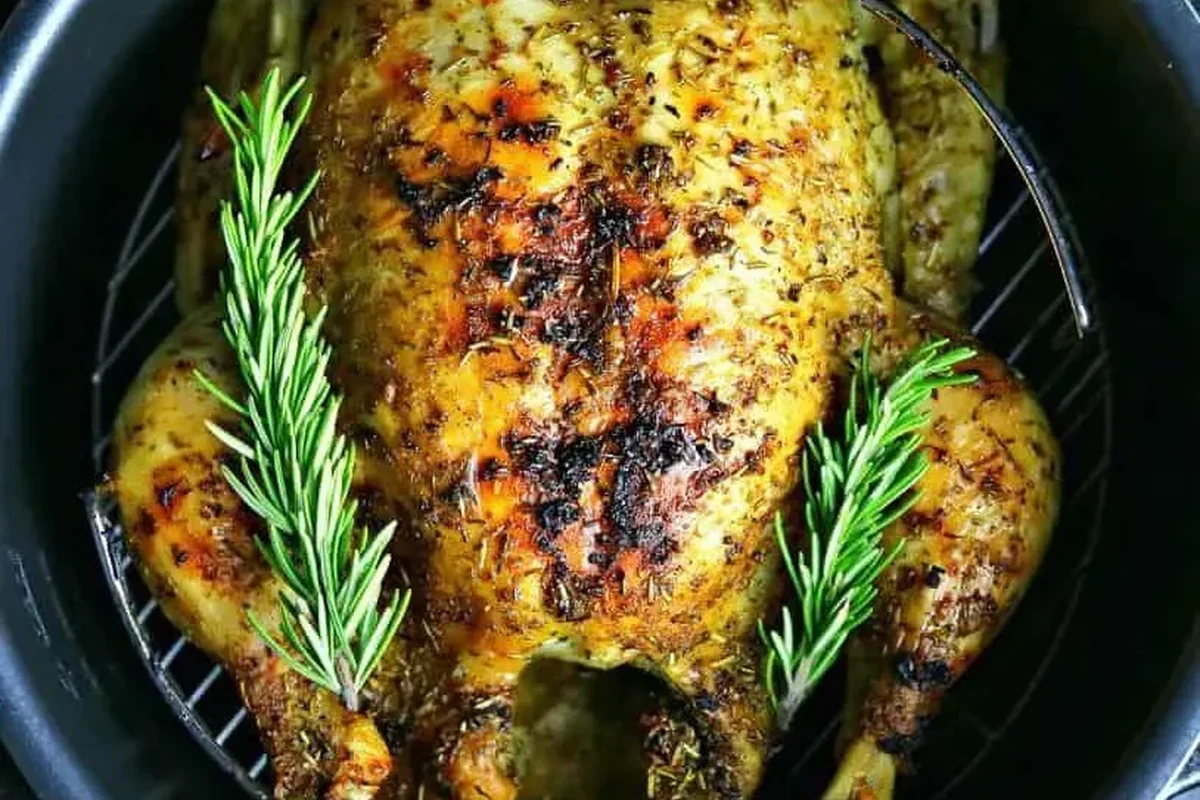
The magic of the pressure cooker lies in its ability to raise the boiling point of liquids, creating a superheated environment that cooks chicken much faster than conventional methods. Because the lid is sealed, the moisture has nowhere to escape, resulting in meat that stays incredibly juicy. For those who enjoy the best spices for chicken, this technique is particularly effective because the pressurized steam forces those seasonings deep into the meat, ensuring that the flavor profile isn’t just on the surface.
The Essential Belizean Spice Rub: Ingredients and Preparation
Choosing the Right Bird: Size and Quality Matters
When selecting your chicken, look for a bird that fits comfortably inside your pressure cooker without touching the sides. A standard 3 to 4-pound bird is usually ideal. Ensure the chicken is fully thawed if you are not using a specific frozen-to-cook technique; as of 2026, many home cooks prioritize choosing locally sourced, fresh poultry to ensure the best texture and flavor development during the high-pressure cycle.
Building the Aromatics: The “Recado” Influence
To capture that signature Belizean essence, a rub featuring recado rojo (achiote paste) is foundational. Combine the achiote with garlic, black pepper, salt, and a touch of cumin. If you are looking for inspiration on how to balance these, consider looking at established Belizean BBQ chicken recipe profiles, which emphasize deep, earthy notes. Rub this mixture generously under the skin and inside the cavity for maximum impact.
Always pat the chicken dry with paper towels before applying your spice rub. This helps the seasonings adhere to the skin rather than sliding off into the liquid.
Step-by-Step: How to Pressure Cook a Whole Chicken to Perfection
Mastering the Liquid Ratio for Optimal Steam
Pressure cookers require liquid to create steam. For a whole chicken, one cup of chicken broth or water is usually sufficient. You can add aromatics like onion, celery, or sprigs of thyme to this liquid to create a flavorful broth that can be used later for rice or soups. Always place the chicken on a trivet or rack to keep it from sitting directly in the liquid, which prevents the bottom from becoming soggy.
Timing and Pressure Settings: Avoiding the Rubber Texture
A common concern is the texture of the skin. Pressure cooking does not crisp the skin. If you prefer a golden finish, you can transfer the cooked chicken to a preheated oven for 5–10 minutes under the broiler after the pressure cycle is complete. Generally, cook on high pressure for about 6 to 8 minutes per pound, followed by a natural pressure release for 10–15 minutes.
Clean and pat dry the chicken, then apply your spice rub thoroughly.
Add 1 cup of liquid to the cooker, place the trivet inside, and set the chicken on top.
Lock the lid, ensure the valve is set to “sealing,” and cook on high pressure for the calculated time.
Real-Kitchen Benefits: Efficiency Meets Traditional Flavor
Time-Saving Advantages for Busy Belizean Kitchens
The ability to have a whole, seasoned bird ready in under an hour is a significant advantage for busy families. This method allows you to focus on preparing sides like coconut rice or fried plantains while the chicken cooks hands-free. It is an excellent strategy for those who enjoy meal prep ideas with chicken breast and other cuts, as you can shred the meat once cooled for use throughout the week.
Retaining Nutrients and Moisture in Every Bite
Because the cooking process is faster and uses less liquid than traditional boiling, more vitamins and minerals are retained in the meat. The closed environment prevents the volatile aromatic compounds in your spices from escaping, resulting in a more flavorful meal than one cooked in an open pot.
Common Mistakes and How to Avoid Them
- Use a meat thermometer to ensure the internal temperature reaches 165°F.
- Allow for a natural pressure release to keep the meat fibers relaxed.
- Overfilling the cooker, which can block the steam valve.
- Skipping the trivet, which leads to uneven cooking and soggy skin.
Food Safety, Storage, and Reheating Best Practices
Always verify that the chicken has reached an internal temperature of 165°F (74°C) at its thickest point, such as the breast or thigh, before consuming. This is the only way to ensure the meat is safe to eat.
Proper Cooling and Refrigeration Protocols
If you aren’t eating the chicken immediately, cool it down quickly by removing it from the cooker and placing it in a shallow container. Refrigerate within two hours of cooking. Properly stored, cooked chicken can last in the refrigerator for 3 to 4 days.
Reviving Leftovers: How to Keep the Meat Tender
When reheating, moisture is your best friend. Add a splash of broth or water to the container before warming it up in the microwave or oven to prevent the meat from drying out. Using a gentle heat setting is key to maintaining that tender, pressure-cooked texture.
Final Verdict: Is Pressure Cooking Right for Your Sunday Dinner?
Pressure cooking a whole chicken is a highly efficient, reliable method that delivers exceptional moisture and flavor. While it may lack the crispy skin of a traditional roast, the convenience and the depth of flavor achieved through pressurized spice infusion make it a staple technique for any home cook. If you value time-saving without sacrificing the traditional tastes of home, this method is a must-try for your next meal.
Common Questions
Use at least one cup of chicken broth or water to ensure the pressure cooker can build enough steam safely.
Yes, dry spice rubs are excellent for pressure cooking; apply them under the skin to keep them from washing off during the steaming process.
Yes, a trivet or rack is essential to keep the chicken elevated above the liquid, preventing the bottom from becoming overly soft.
Use a digital meat thermometer to verify that the thickest part of the chicken has reached 165°F.
If the chicken touches the sides of the pot, it may not cook evenly. Choose a bird that fits comfortably inside your specific appliance size.
Frequently Asked Questions
Generally, you should cook a whole chicken on high pressure for 6 to 8 minutes per pound. Always factor in extra time for the pressure to build and for a natural release.
While it is possible, it is generally recommended to thaw the chicken first for even cooking and better spice absorption. If you must use frozen, increase the cook time significantly.
Pressure cooking creates a moist environment, so the skin will not be crispy. For a golden finish, transfer the bird to an oven and broil for 5 to 10 minutes.
Yes, store leftovers in an airtight container in the refrigerator for up to 3 to 4 days. Ensure it is cooled within two hours of cooking.
Use a natural pressure release rather than a quick release to allow the meat fibers to settle. Be gentle when transferring the cooked bird from the trivet to your serving platter.
Yes, you must add at least one cup of liquid, such as chicken broth or water, to build the necessary steam. Never operate a pressure cooker without the manufacturer’s recommended amount of liquid.