Poached Salmon in Oven

Poaching salmon in the oven involves cooking fillets in a shallow, flavorful liquid at a low temperature to ensure a moist, tender result. This method is highly reliable and eliminates the risk of overcooking associated with stovetop techniques.
Poached salmon in the oven is a sophisticated yet remarkably simple technique that yields buttery, tender fillets every time. By utilizing a gentle, moist-heat environment, you can achieve restaurant-quality results at home without the constant monitoring required by stovetop poaching.
- Gentle Heat: Oven-poaching uses a low-temperature environment to keep the fish succulent.
- Aromatic Infusion: Use a court-bouillon with herbs and citrus to build deep flavor.
- Precise Doneness: Always aim for an internal temperature of 145°F to ensure food safety.
- Efficiency: This method is perfect for busy schedules as it requires minimal active monitoring.
Poached Salmon in the Oven: The Secret to Restaurant-Quality Results
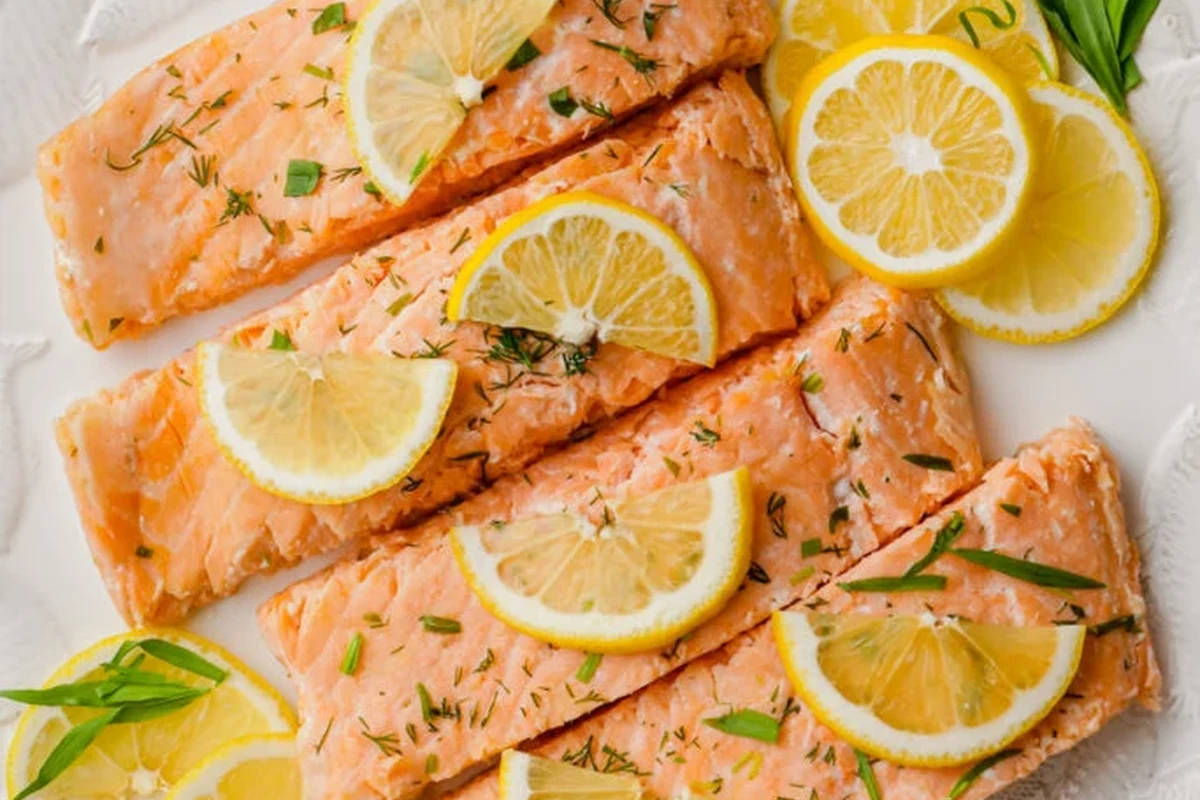
Many home cooks shy away from poaching because they fear the fish will become rubbery or dry. However, the oven provides a controlled climate that maintains a consistent temperature, making it far more forgiving than a bubbling pot on the stove. Whether you are preparing a healthy weeknight dinner or hosting a formal gathering, this method allows the salmon to cook in its own juices and aromatics, resulting in a delicate texture that is difficult to replicate with high-heat methods like searing or grilling chicken in the oven.
What is Oven-Poaching and Why Does it Work?
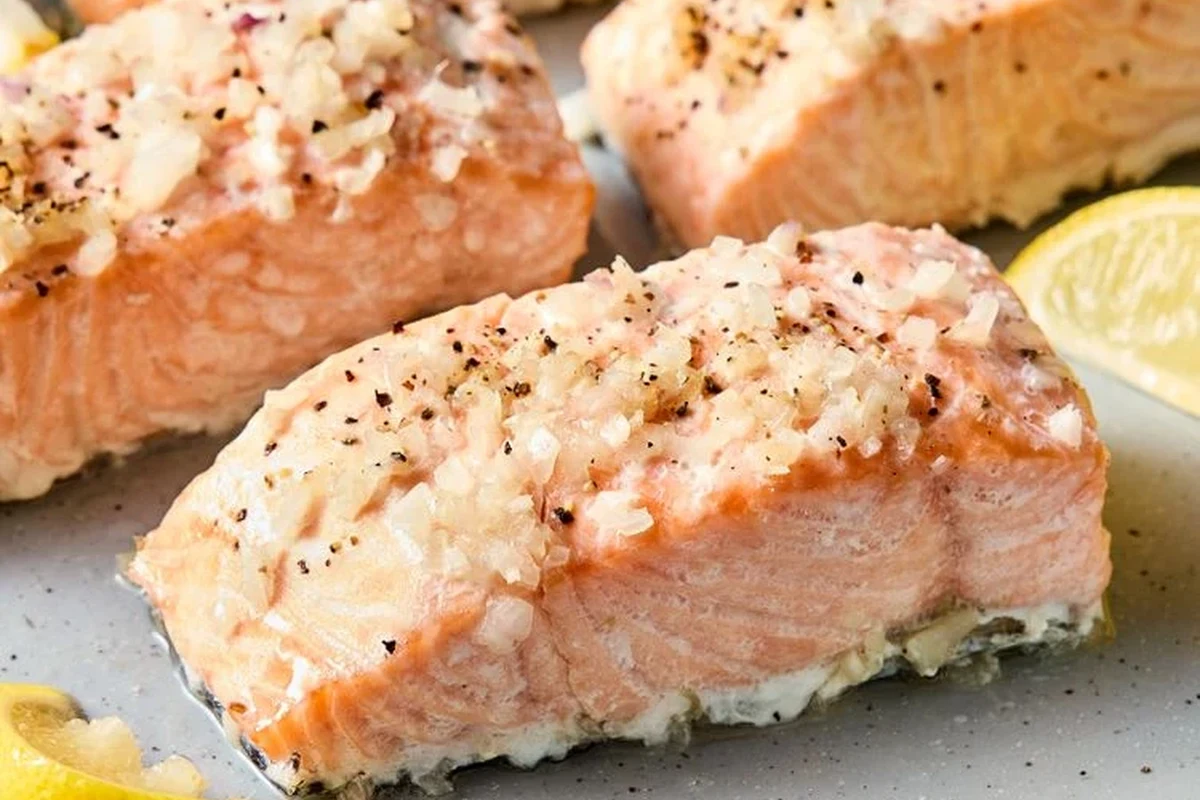
The Science of Gentle Heat
Poaching is a moist-heat cooking method that involves submerging food in liquid kept just below the boiling point. In the oven, this process is even more efficient because the radiant heat warms the vessel and the liquid evenly from all sides. As the temperature of the poaching liquid rises slowly, the proteins in the salmon denature gradually, preventing the muscle fibers from tightening up and losing moisture.
Why Oven-Poaching Beats Stovetop Methods
Stovetop poaching often requires you to watch for those elusive “shimmering” bubbles that indicate the perfect temperature. If the water boils, the fish toughens instantly. The oven eliminates this guesswork. Once you set your oven to a low temperature—usually between 250°F and 300°F—the ambient heat does the work for you, ensuring the salmon remains succulent and flavorful throughout the cooking cycle.
Always use an instant-read thermometer to check doneness. Even with gentle heat, salmon can quickly transition from perfectly translucent to overcooked.
Essential Ingredients for the Perfect Poached Salmon
Selecting the Right Salmon Fillets
Quality matters when you are using a delicate cooking technique. Look for thick, uniform fillets, preferably center-cut, so they cook at an even rate. Whether you prefer wild-caught or farmed salmon, ensure the fish looks vibrant and smells fresh. If you are looking for other protein-based techniques, you might explore our guides on BBQ chicken thigh recipes in the oven to diversify your repertoire.
Building the Perfect Poaching Liquid (Court-Bouillon)
The “court-bouillon” is the heart of the dish. A classic poaching liquid typically includes water or a dry white wine, a splash of vinegar or lemon juice for acidity, and a pinch of salt. You can also incorporate vegetable stock for added depth. The goal is to create a flavorful bath that infuses the salmon without overwhelming its natural, mild taste.
Aromatic Add-ins for Belizean-Inspired Flair
To give your salmon a unique touch, consider adding aromatics like sliced ginger, garlic cloves, whole peppercorns, fresh dill, or thin slices of lime. In a Belizean-inspired kitchen, a sprig of cilantro or a touch of coconut milk added to the poaching liquid can transform a standard dish into something truly memorable.
Step-by-Step: How to Poach Salmon in the Oven
Common Mistakes and How to Avoid Them
- Use an oven-safe thermometer
- Keep the liquid temperature low
- Use parchment to cover
- Boiling the liquid
- Overcrowding the pan
- Ignoring internal temp
Safe Handling and Storage Practices
According to FDA guidelines, fish should be cooked to an internal temperature of 145°F. Store leftovers in an airtight container in the refrigerator for no more than 2 days.
Versatile Substitutions and Flavor Variations
If you don’t have white wine, a mixture of water and apple cider vinegar works beautifully. For a richer flavor profile, try using a light coconut milk base, which pairs exceptionally well with salmon. Just as you might experiment with different marinades for grilled bone-in chicken breast, feel free to rotate your herbs—tarragon, parsley, and fennel are all excellent choices.
Why Oven-Poached Salmon is a Must-Try Technique
In 2026, the modern kitchen is all about efficiency and health. Oven-poaching is an incredibly low-maintenance way to prepare a nutrient-dense meal that fits perfectly into a busy schedule. By mastering this simple technique, you elevate your home cooking and ensure that every piece of salmon you serve is moist, flavorful, and perfectly cooked.
Oven-poaching is the ultimate technique for home cooks who value texture and consistency. It is ideal for meal prep or elegant dinners where you want a reliable, foolproof method that avoids the common pitfalls of pan-searing. For those who prefer a crispier exterior, this method is best paired with a quick broil at the very end.
Common Questions
Set your oven to 250°F to 300°F to maintain a gentle, consistent heat that prevents the fish from drying out.
Depending on the thickness of the fillet, it typically takes 15 to 20 minutes to reach the perfect internal temperature.
Yes, thinly sliced vegetables like carrots, fennel, or onions add excellent flavor to the poaching liquid.
Yes, covering the dish with parchment paper or foil is essential to trap the steam and ensure the fish cooks through uniformly.
Use a digital meat thermometer to ensure the thickest part of the salmon reaches 145°F.
Frequently Asked Questions
A low temperature between 250°F and 300°F is ideal. This gentle heat ensures the salmon cooks evenly without drying out.
The salmon is done when it reaches an internal temperature of 145°F. You can also check if the flesh flakes easily with a fork.
It is best to thaw the salmon completely before poaching. Cooking from frozen can lead to uneven results and a watery texture.
Water, dry white wine, fish stock, or even coconut milk are excellent choices. Adding aromatics like lemon, herbs, and garlic will enhance the flavor.
Store leftover salmon in an airtight container in the refrigerator for up to 2 days. Ensure it is cooled quickly before storage.
You can leave the skin on for easier handling, as it helps the fillet hold its shape. It can be easily removed after cooking if desired.