Grilled Bone in Chicken Breast

Grilling bone-in chicken breast requires a two-zone heat setup to ensure the meat stays juicy while the skin crisps perfectly. Always use a meat thermometer to confirm the chicken reaches a safe internal temperature of 165°F (74°C).
Grilling bone-in chicken breast is the secret to achieving juicy, restaurant-quality results at home, as the bone acts as an insulator that protects the delicate meat from drying out. By mastering a few key temperature and timing techniques, you can elevate this staple ingredient into a centerpiece dish that captures the vibrant spirit of Caribbean cooking.
- Insulation: The bone acts as a natural heat shield, keeping the meat succulent.
- Method: Use the two-zone grilling technique to sear and then slowly roast the chicken.
- Safety: Always verify doneness with an instant-read thermometer at 165°F (74°C).
- Resting: Allow the meat to rest for 10 minutes before serving to lock in juices.
Mastering Grilled Bone-In Chicken Breast: The BelizeanRecipe Approach
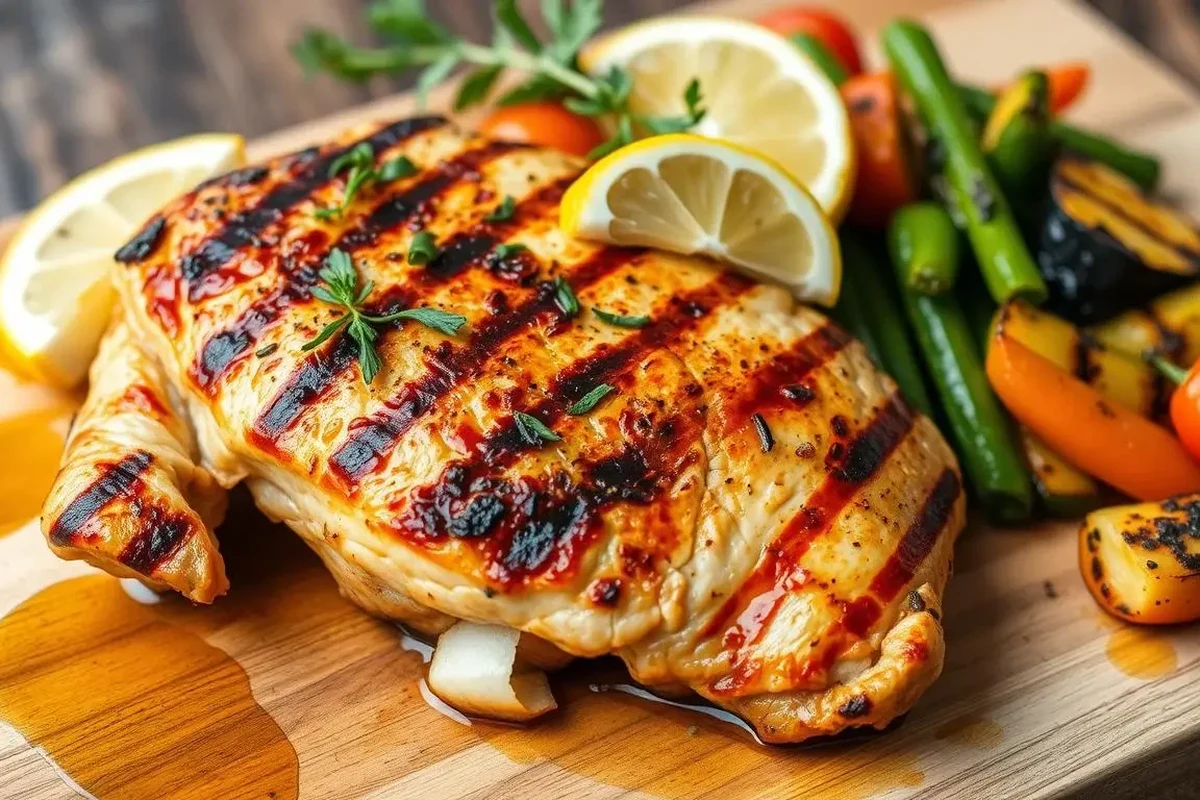
When you look at the landscape of home cooking in 2026, the shift toward “bone-in” cuts is undeniable. While boneless, skinless breasts are convenient, they are notoriously easy to overcook on a high-heat grill. Bone-in chicken breast provides a natural buffer, allowing the meat to cook more evenly while the skin renders down to a crispy, flavorful finish. At BelizeanRecipe, we believe that embracing the bone is the most reliable way to ensure your poultry remains succulent every single time you fire up the grill.
What Makes Bone-In Chicken Breast Superior for the Grill?
The Science of Moisture Retention
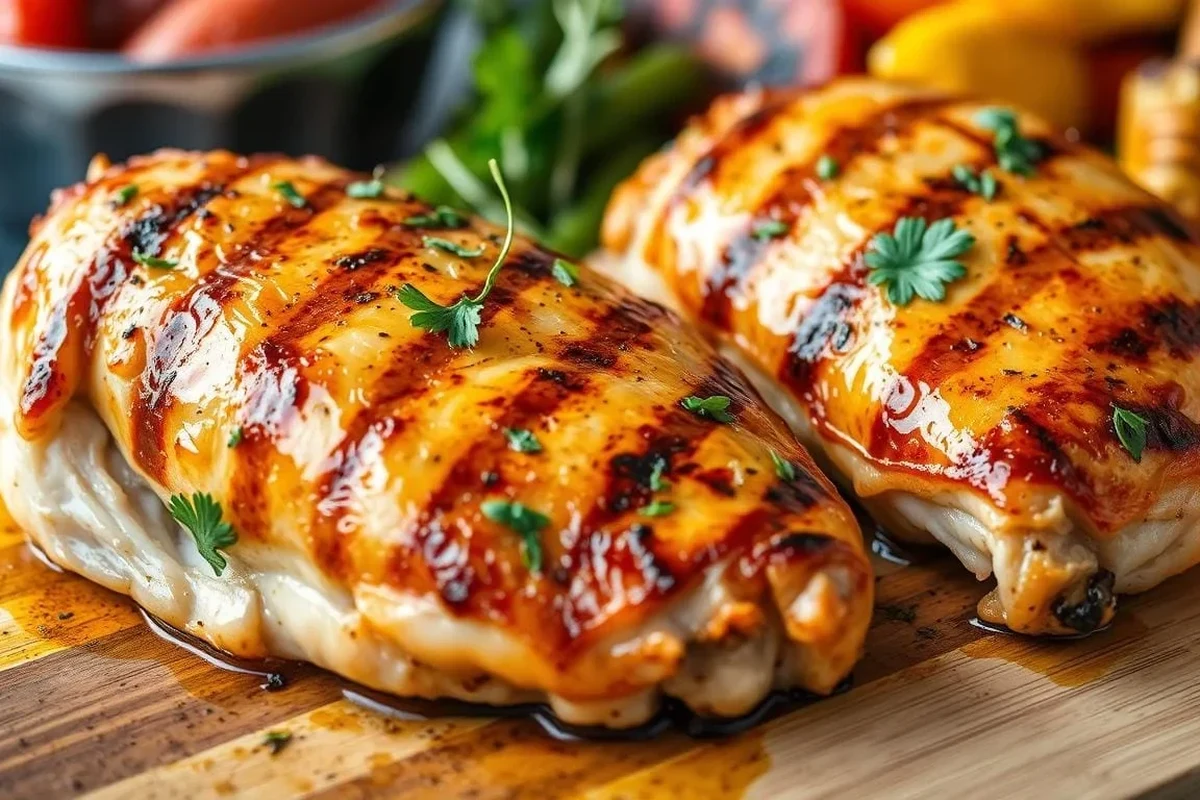
The bone is not just structural; it is a thermal insulator. Because bone conducts heat more slowly than muscle tissue, it prevents the area immediately surrounding it from reaching the “danger zone” of overcooking too quickly. This allows the outer layers of the breast to sear properly while the interior stays moist. Furthermore, the connective tissue attached to the bone releases collagen during the cooking process, which breaks down into gelatin, adding a silky mouthfeel that boneless cuts simply cannot replicate.
Flavor Profiles: Why the Bone Matters
Beyond texture, the bone contributes significantly to the depth of flavor. As the chicken cooks, minerals and marrow essence leach into the surrounding meat. When you apply a robust marinade, the bone helps anchor those flavors, resulting in a more complex, savory profile. If you enjoy the depth of flavor found in a traditional Belizean BBQ chicken recipe, you already understand how bone-in cuts hold up to smoke and fire far better than their boneless counterparts.
Essential Ingredients for the Perfect Belizean-Style Marinade
The Foundation: Citrus, Recado, and Aromatics
A true Belizean-style marinade relies on the balance of acidity and spice. Start with fresh lime juice or sour orange to tenderize the fibers. The star ingredient is recado (annatto paste), which provides the iconic red hue and a subtle, earthy musk. Garlic, onion, and a hint of allspice or black pepper round out the profile. For those looking for heat, a touch of habanero adds a signature Caribbean kick that pairs perfectly with the char of the grill.
Avoid adding salt too early if your marinade contains a high concentration of acidic citrus, as this can turn the chicken texture “mealy” if left for more than 4 hours. Add your salt just before the chicken hits the grill.
Choosing the Right Quality Poultry
When selecting your chicken, look for “split breasts” that retain the rib bone. The skin should be intact and free of large tears, as the skin is essential for holding in juices and providing that golden, crispy contrast to the tender meat inside. If you are preparing for a larger gathering, look for uniform sizing so that all pieces reach the target temperature at roughly the same time.
Step-by-Step Cooking Technique: Achieving the Golden Sear
Pat the chicken dry with paper towels to ensure the skin crisps rather than steams. A quick dry brine with coarse salt for 30 minutes before seasoning helps the skin tighten and improves moisture retention.
Set up your grill with a direct heat zone (high) and an indirect heat zone (low). Sear the chicken skin-side down over direct heat until golden brown, then move to the indirect side to finish cooking through.
Use an instant-read thermometer to reach an internal temperature of 165°F (74°C) in the thickest part of the breast, away from the bone. For those interested in other cooking methods, you might also enjoy exploring our Ninja Woodfire Grill chicken breast recipe for similar results.
Common Mistakes to Avoid When Grilling Bone-In Poultry
Avoiding the “Charred Outside, Raw Inside” Trap
The most common error is relying on high heat for the entire duration of the cook. Because bone-in breast is thicker than a standard cutlet, it requires patience. If you find the skin is darkening too fast, move the chicken to the cooler side of the grill and lower the lid. This allows the ambient heat to roast the chicken, ensuring the center is safe to eat without burning the surface.
Managing Flare-ups and Heat Control
Chicken skin is high in fat, which inevitably causes flare-ups. Keep a spray bottle of water nearby to manage flames, and never leave the grill unattended. If using a charcoal grill, keep a portion of the grate clear of coals to provide a “safety zone” where you can move the chicken if flames get too high.
Food Safety Protocols for Handling Raw Chicken
Always keep raw chicken separate from other ingredients. Use a dedicated cutting board and wash all surfaces, utensils, and hands thoroughly with hot, soapy water immediately after handling raw poultry to prevent cross-contamination.
According to USDA food safety guidelines, chicken must be cooked to an internal temperature of 165°F (74°C). After removing the chicken from the heat, allow it to rest for at least 5 to 10 minutes. This resting period is critical; it allows the juices to redistribute throughout the meat, resulting in a much more tender bite.
Storage, Reheating, and Maximizing Leftovers
Store leftover grilled chicken in an airtight container in the refrigerator for up to 3 to 4 days. If you find yourself with extra, the meat is excellent for shredding into salads or soups. For instance, if you have a surplus, you can easily repurpose the meat into a hearty Zoup white chicken chili recipe, which works beautifully with smoky, grilled chicken.
Techniques for Reheating Without Drying Out
To reheat bone-in chicken without it becoming rubbery, add a splash of water or chicken broth to a pan, place the chicken in, and cover tightly with a lid. Heat over low flame until warmed through. Alternatively, using a low-temperature setting in your oven with a foil tent helps maintain moisture better than a microwave.
Troubleshooting Your Grill Session
- Naturally juicier due to the bone
- Skin provides excellent texture
- Holds marinade flavors well
- Longer cooking time required
- More difficult to flip than boneless
- Requires careful heat management
If the skin sticks to the grill, it usually means the chicken isn’t ready to be flipped. The meat will naturally release from the grate once a proper sear has formed. If you are using a gas grill, ensure your grates are well-oiled before placing the chicken down. Charcoal grillers should ensure the fire has burned down to a consistent glow before starting to prevent uneven charring.
Final Verdict: Why Bone-In Chicken Breast is Your Best Grilling Choice
Choosing bone-in chicken breast for your grill sessions is a decision that favors quality and flavor. While it requires a bit more attention to heat management than boneless varieties, the payoff is a significantly more succulent, flavorful, and impressive dish. Whether you are experimenting with traditional Caribbean spices or simply perfecting your technique, the bone-in breast remains the gold standard for home-grilled poultry.
Common Questions
Maintain a medium heat of around 350°F to 400°F for the indirect cooking portion to ensure even results.
A short dry brine with salt 30 minutes before grilling significantly improves skin texture and moisture retention.
The chicken is safe when an instant-read thermometer inserted into the thickest part of the breast reads 165°F (74°C).
Yes, charcoal provides excellent smoky flavor; just ensure you manage the coals to create a direct and indirect zone.
Properly stored in an airtight container, grilled chicken remains safe and high-quality for 3 to 4 days.
Frequently Asked Questions
It typically takes 30 to 45 minutes over medium-indirect heat. Always use a meat thermometer to ensure the internal temperature reaches 165°F (74°C).
No, keep the skin on during the grilling process. It acts as a protective barrier that keeps the meat moist and adds flavor as it crisps up.
Use the two-zone grilling method, keep the lid closed to maintain ambient heat, and always let the chicken rest for 10 minutes after cooking.
If your marinade contains high levels of citrus or vinegar, limit marination to 4 hours. Too long can cause the texture of the chicken to break down and become mushy.
The chicken is likely not ready to be flipped yet. Let it cook undisturbed until the skin develops a crust and releases naturally from the grates.
Yes, it is safe if stored properly in the refrigerator. Reheat gently with a little liquid to prevent the meat from drying out.