Can You Shred Chicken Thighs

Yes, you can easily shred chicken thighs, and they are often preferred for their superior moisture and flavor compared to breasts. Because they contain more fat and connective tissue, they stay tender throughout the shredding process.
Yes, you can absolutely shred chicken thighs, and many home cooks prefer them over breasts for their superior flavor and forgiving texture. Because thighs have a higher fat content and more connective tissue, they remain moist and tender even after extended cooking times, making them the ideal candidate for perfectly pulled chicken dishes.
- Superior Texture: Thighs contain more collagen, which breaks down into gelatin for a juicy, tender shredded.
- Forgiving Cook: Unlike breasts, thighs remain moist even if slightly overcooked, making them ideal for slow-cooking.
- Efficiency: Use a stand mixer on the lowest setting to shred large quantities of meat.
- Food Safety: Always ensure the chicken reaches an internal temperature of 165°F (74°C) before shredding.
Can You Shred Chicken Thighs? The Definitive Answer

Shredding chicken thighs is a straightforward culinary technique that transforms versatile cuts into tender, succulent components for everything from tacos to hearty salads. Unlike leaner cuts that can dry out if overcooked, chicken thighs thrive in slow-cooking environments. By 2026, home cooks looking to maximize both flavor and value in their kitchens have increasingly turned to thighs as their primary choice for shredded preparations.
Why Thighs Are Superior to Breasts for Shredding
When you compare chicken thighs to breast meat, the primary difference lies in the muscle structure and fat distribution. Breast meat is relatively lean and prone to becoming “chalky” or dry if cooked even a few minutes too long. Conversely, thighs contain intramuscular fat that renders down during the cooking process, basting the meat from the inside out. This makes them much more forgiving for beginners who might be nervous about overcooking their protein. If you are accustomed to using breasts for meal prep, switching to thighs will provide a noticeable boost in richness and keep your leftovers tasting fresh for longer.
Understanding the Texture: Why Chicken Thighs Shred Differently
The Role of Fat Content and Connective Tissue
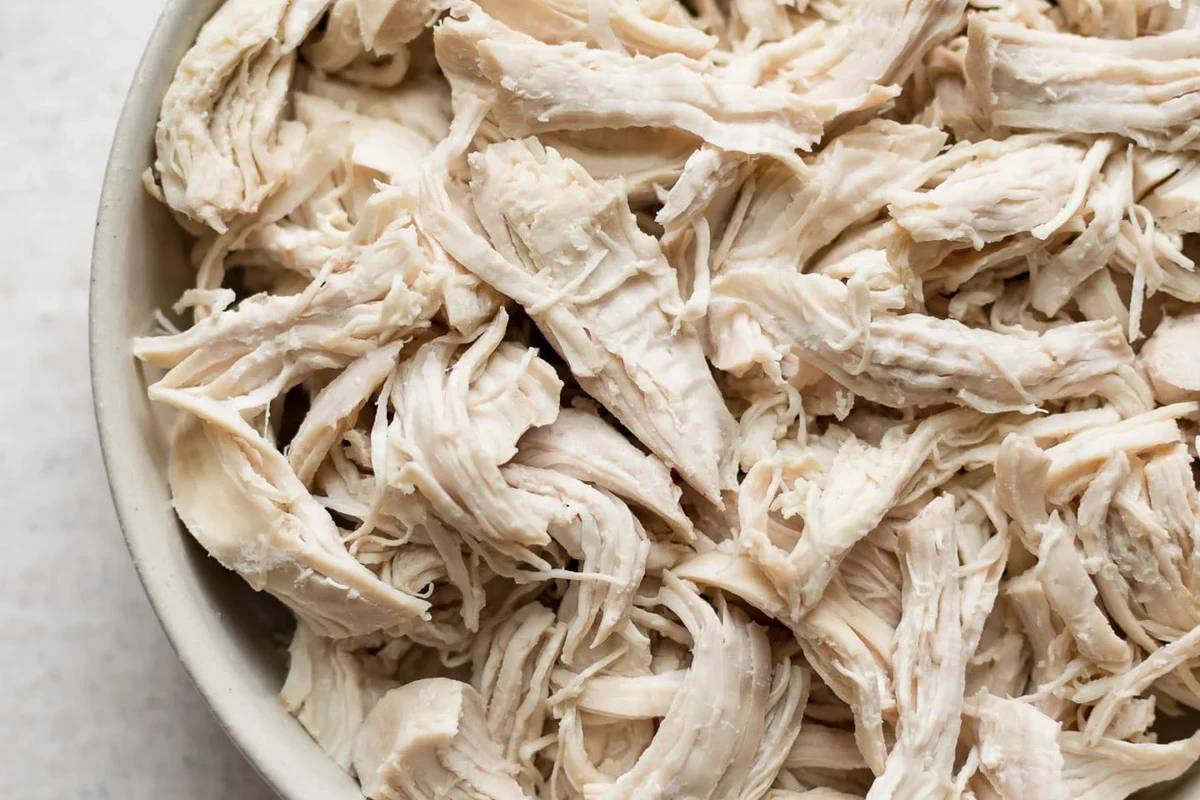
The secret to that signature “pull-apart” texture is the presence of collagen. Chicken thighs are loaded with connective tissue that, when heated slowly in liquid or steam, breaks down into gelatin. This process is what gives shredded thigh meat its silky mouthfeel. While breasts shred into long, individual fibers, thighs tend to pull apart into smaller, more tender chunks that cling together beautifully with sauces or seasonings.
Achieving the Perfect “Pull-Apart” Consistency
To achieve the best results, you must ensure the meat reaches a state where the fibers naturally separate with minimal resistance. If you try to shred the meat before the connective tissue has fully softened, you will be left with tough, chewy bits. Patience is your greatest tool; when the meat is properly cooked, a simple tug with a fork should be enough to release the fibers entirely.
Always remove excess skin and gristle before cooking if you want a clean, uniform shredded texture. While the skin adds flavor during the cooking process, it can become rubbery and difficult to incorporate once shredded.
The Best Cooking Methods for Shreddable Chicken Thighs
Slow Cooking: The Gold Standard for Tenderness
The slow cooker is perhaps the most reliable method for achieving melt-in-your-mouth shredded chicken. By simmering the thighs on low heat for several hours, you allow the collagen to fully liquefy. This method is perfect for busy families who want to have a base protein ready for Belizean chicken tacos or other weeknight favorites.
Stovetop Braising: Quick and Flavorful Results
Braising on the stovetop involves searing the thighs first to build a flavor foundation, then simmering them in a small amount of broth or aromatics. This method is faster than slow cooking and allows you to better control the final consistency of the sauce. It is an excellent technique for developing deep, complex flavors in a relatively short amount of time.
Pressure Cooking: Efficiency Meets Texture
Using a pressure cooker is the most efficient way to get tender, shreddable chicken in under an hour. The high-pressure environment forces moisture into the meat, ensuring that even thick, bone-in thighs become tender enough to shred effortlessly. Always ensure your pressure cooker is properly sealed and follow the manufacturer’s safety guidelines for depressurization.
Step-by-Step Guide: How to Shred Chicken Thighs Like a Pro
Always verify the internal temperature of your chicken with a food thermometer. According to USDA guidelines, chicken must reach a safe minimum internal temperature of 165°F (74°C) to eliminate harmful bacteria.
Belizean-Inspired Shredded Chicken Recipe
For an authentic touch, incorporate the best spices for chicken, such as annatto, cumin, and fresh recado (a traditional spice paste). Marinating the thighs for at least an hour before cooking allows these flavors to penetrate deep into the fibers. Searing the meat in a hot pan before adding your liquid base creates a Maillard reaction, which adds a savory depth that is characteristic of traditional Belizean cooking.
Common Mistakes to Avoid When Shredding Thighs
- Rest the meat before shredding to keep it juicy.
- Use a stand mixer for large batches to save time.
- Keep the cooking liquid to moisten the meat after shredding.
- Shredding while the meat is piping hot; you will lose valuable juices.
- Overcooking to the point of mushiness.
- Ignoring the internal temperature safety requirements.
Safe Handling, Storage, and Reheating Best Practices
Proper storage is essential for maintaining food safety. Once shredded, let the chicken cool to room temperature within two hours and store it in an airtight container. In the refrigerator, it will remain safe for three to four days. If you need to keep it longer, store it in the freezer for up to three months. When reheating, add a splash of water or broth to the container to prevent the meat from drying out, and heat until it reaches an internal temperature of 165°F.
Final Verdict: Why Chicken Thighs Should Be Your Go-To Choice
Chicken thighs are arguably the most reliable and flavorful cut for shredding. Because they are forgiving, cost-effective, and consistently moist, they represent a smarter choice than breasts for most shredded recipes. Whether you are a beginner or an experienced home cook, mastering the technique of shredding thighs will elevate your weekly meals and provide a versatile base for countless dishes.
Common Questions
Yes, using a stand mixer with a paddle attachment on the lowest setting is a highly effective way to shred large batches quickly.
While thighs have more fat, they are a nutrient-dense source of protein; consult a dietitian to see how they fit your specific dietary needs.
Mushy chicken is usually the result of overcooking, which causes the meat fibers to break down too completely.
Shredded chicken can be safely stored in an airtight container in the refrigerator for three to four days.
While possible, it is much easier to shred chicken while it is warm, as the fat and connective tissues are more pliable.
Frequently Asked Questions
It is best to shred chicken thighs while they are warm, but not piping hot. Allowing them to rest for 10–15 minutes after cooking ensures the juices redistribute, keeping the meat moist.
Yes, a stand mixer fitted with the paddle attachment is an excellent tool for shredding large batches of chicken. Use the lowest speed setting for just a few seconds to avoid turning the meat into a paste.
Toughness usually indicates that the meat was not cooked long enough for the connective tissue to break down. Ensure you are using a slow-cooking method that allows the collagen to soften.
Always toss the shredded meat with a portion of the cooking liquid or a bit of broth before serving. This replaces moisture lost during the shredding process.
Generally, chicken thighs are more budget-friendly than breast meat. They offer a higher yield of flavor and moisture per dollar, making them an excellent choice for economical meal planning.
Store shredded chicken in an airtight container in the refrigerator for up to 4 days. For longer storage, freeze it in freezer-safe bags, removing as much air as possible to prevent freezer burn.