Zuppa del Giorno: Italian Soup of the Day Guide, Tips & Ideas

Zuppa del giorno, Italian for “soup of the day,” is a versatile culinary tradition that relies on market-fresh ingredients rather than a rigid recipe. For the home cook, it represents the ultimate strategy for turning seasonal produce and pantry staples into a nourishing, flavorful meal.
- Flexible Concept: Use seasonal produce and pantry staples to create unique soups daily.
- Flavor Foundation: Build depth through careful sautéing of aromatics and using high-quality stock.
- Texture Balance: Utilize natural thickeners like starchy vegetables or legumes for a satisfying consistency.
- Food Safety: Always cool soups rapidly in shallow containers and reheat to 165°F.
What is Zuppa Del Giorno? Understanding the “Soup of the Day” Concept
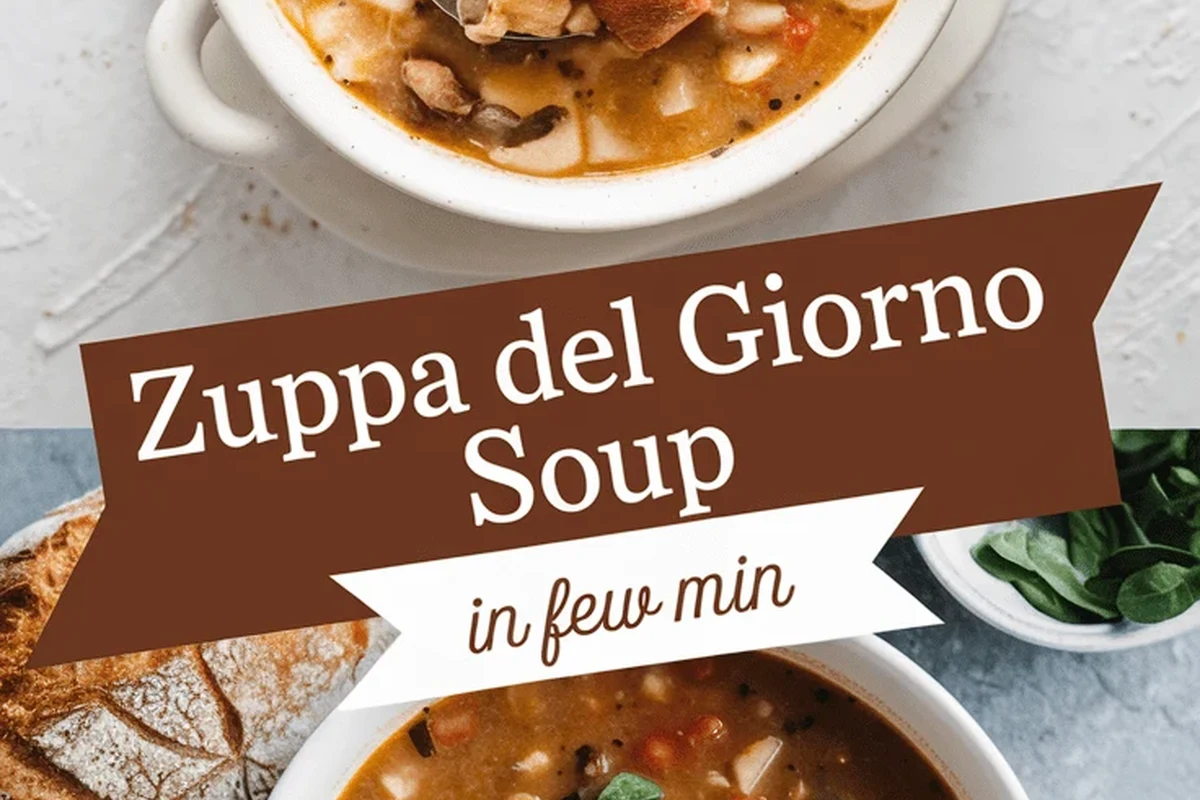
At its core, zuppa del giorno is a philosophy of resourcefulness. In professional kitchens, it serves as a way to utilize high-quality ingredients that are at their peak of freshness or to manage inventory efficiently. In the home kitchen, it functions as a creative outlet, allowing you to build a meal around what is currently in your refrigerator or garden.
The Cultural Significance of Daily Soups in Belizean Kitchens
In Belize, the concept of a daily soup resonates deeply with our tradition of “pot-style” cooking. Whether it is a rich, coconut-based seafood broth or a hearty vegetable stew, the goal is to capture the essence of the day’s market haul. This approach values the rhythm of the seasons, ensuring that every bowl reflects the local harvest, whether you are utilizing fresh cilantro, okra, or root vegetables available in 2026.
The Essential Components of a Perfect Zuppa Del Giorno
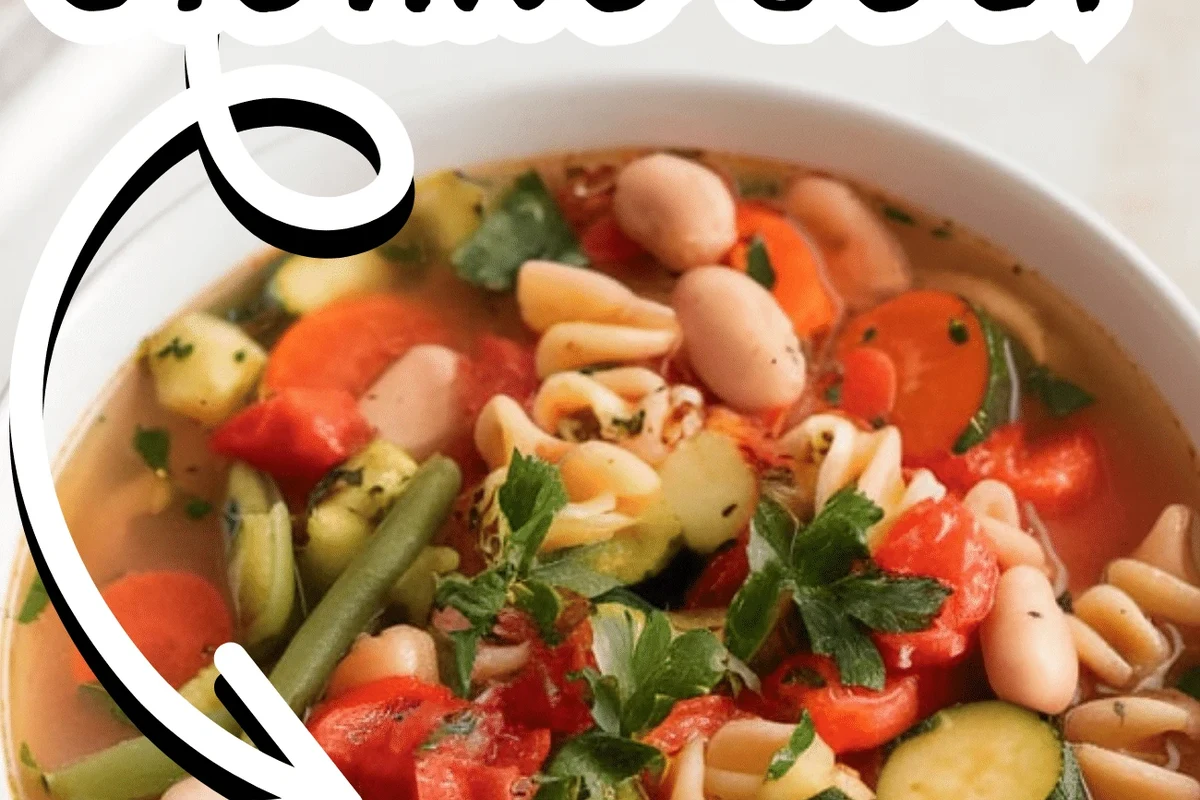
To master this style of cooking, you must understand the architecture of a good soup. It is not merely a collection of ingredients in water; it is a layered construction of flavor.
Selecting Seasonal Produce and Fresh Proteins
Freshness is your primary guide. When selecting produce, look for items that are firm, vibrant in color, and free of blemishes. For proteins, whether you are using chicken, legumes, or local seafood, ensure they are handled according to food safety guidelines. In 2026, the emphasis remains on sourcing ingredients that require minimal intervention to taste their best.
The Foundation: Master Stocks and Flavor Bases
The secret to a restaurant-quality soup is the base. A “master stock” can be as simple as a slow-simmered vegetable peel broth or a rich bone stock. Starting with a solid foundation—often referred to as a soffritto or recado-based aromatic base—creates the depth that carries the rest of the ingredients. zuppa del giorno
Step-by-Step Guide: How to Craft Your Own Market-Fresh Soup
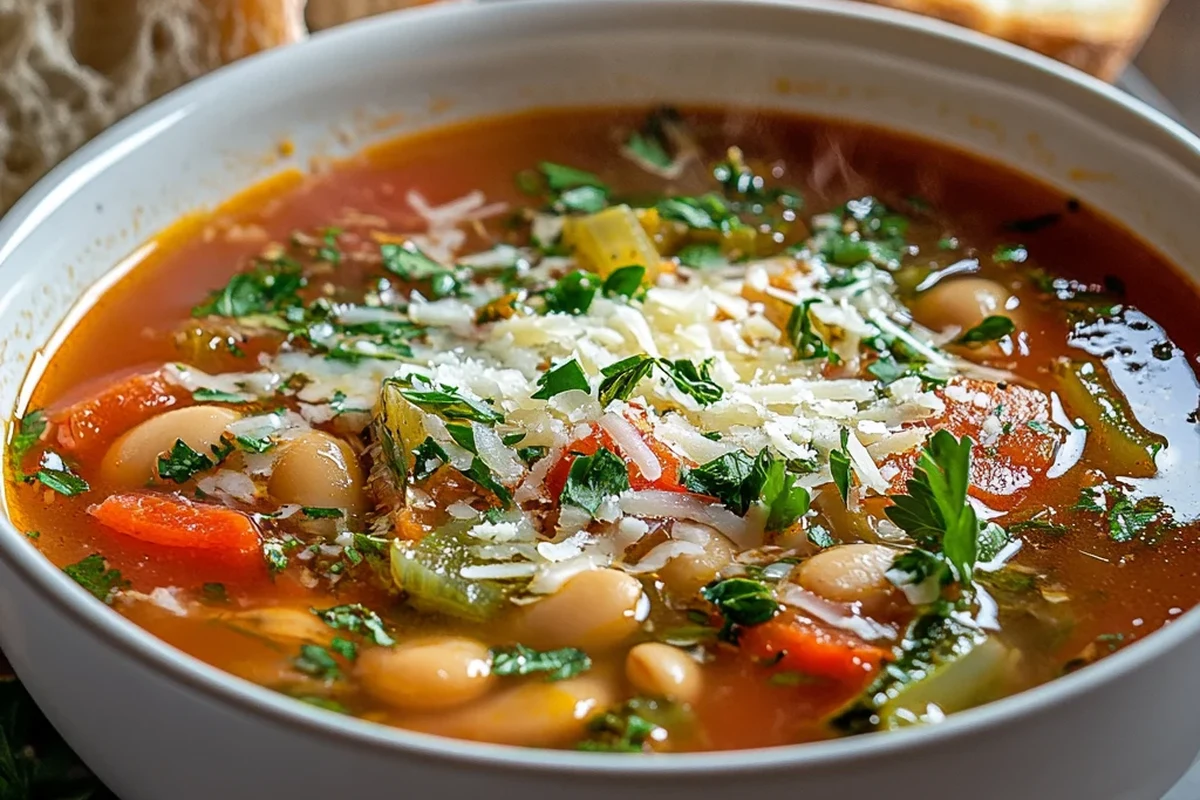
Techniques for Building Depth: Sautéing, Deglazing, and Simmering
Depth comes from the Maillard reaction—that browning that occurs when you sauté vegetables or sear proteins. Do not rush this step. Deglazing with a small amount of liquid releases those caramelized sugars back into the soup, creating a complex flavor profile that simple boiling cannot achieve.
Achieving the Perfect Texture: Emulsions, Thickeners, and Garnishes
Texture transforms a thin broth into a satisfying meal. You can thicken soups by puréeing a portion of the cooked vegetables, adding starches like potatoes or beans, or finishing with a touch of cream or coconut milk. A garnish of fresh herbs or a squeeze of lime at the very end brightens the flavor profile.
Ingredient Substitution Guide: Adapting to What You Have
| Category | Primary Ingredient | Substitution Options |
|---|---|---|
| Protein | Chicken | White beans, firm tofu, or chickpeas |
| Thickener | Potatoes | Pureed cauliflower or cooked rice |
| Liquid | Chicken Stock | Vegetable broth or water with aromatics |
Swapping Proteins and Vegetables Without Compromising Quality
The beauty of this method is its flexibility. If a recipe calls for carrots but you only have squash, the squash will work provided you adjust for cook time. Harder vegetables go in early; leafy greens should be added in the final minutes.
Dairy-Free and Gluten-Free Alternatives for Modern Diets
Many traditional thickening methods rely on flour (roux). For a gluten-free approach, rely on starchy vegetables or legumes. For dairy-free creaminess, coconut milk or pureed white beans offer a rich, silky texture without the need for heavy cream or butter.
Common Culinary Mistakes and How to Fix Them
Even experienced cooks face challenges. Understanding how to troubleshoot is part of the process.
Balancing Acidity, Salt, and Heat During the Final Taste Test
Always taste your soup before serving. If it is too salty, adding more liquid can help, but a potato—which absorbs salt—is a common kitchen remedy. If it tastes “muddy,” a touch of acid (lemon juice or vinegar) will cut through the heaviness.
Troubleshooting Cloudy Stocks and Overcooked Ingredients
Cloudiness often results from a rolling boil. Keep your soup at a gentle simmer to maintain clarity. If ingredients are overcooked, you can use an immersion blender to turn the soup into a smooth, creamy bisque-style dish.
Safe Handling and Storage Practices for Batch Cooking
Batch cooking is efficient, but food safety is non-negotiable. Divide large pots of soup into smaller, shallow containers to help them cool faster in the refrigerator.
Temperature Control and Cooling Procedures for Food Safety
Avoid the “danger zone” (40°F to 140°F) where bacteria multiply rapidly. Use an ice bath to cool the pot before placing it in the fridge if necessary. Soups are generally safe for 3–4 days in the refrigerator; beyond that, they should be frozen.
Reheating Techniques to Maintain Freshness and Texture
Reheat only the portion you intend to eat. Bring the soup to a rolling boil (165°F internally) to ensure it is thoroughly heated. Frequent reheating of the entire pot degrades texture and increases the risk of contamination.
Value and Efficiency: Why Zuppa Del Giorno is the Ultimate Home Kitchen Hack
This style of cooking is economical, reducing food waste by giving “leftover” vegetables a second life. It is also highly nutritious, as the vitamins and minerals that leach out during the simmering process are consumed along with the broth.
- Check your refrigerator for wilting greens or soft vegetables.
- Ensure you have a reliable, food-safe storage container.
- Verify your stock base is seasoned properly before adding fresh elements.
Final Verdict: Elevating Your Daily Meal Routine with Flexible Cooking
Zuppa del giorno is more than a recipe; it is a sustainable kitchen practice. By mastering the fundamental techniques of stock-building and flavoring, you can create a unique, healthy meal every day of the week, regardless of what is in your pantry. It rewards creativity and efficiency, making it the perfect approach for any busy 2026 home kitchen.
Frequently Asked Questions
You can thicken soup by puréeing a portion of the cooked vegetables or beans directly in the pot. Alternatively, adding starchy ingredients like potatoes or rice can naturally thicken the broth as they cook.
Store leftover soup in airtight containers in the refrigerator for 3 to 4 days. For longer storage, freeze the soup, but be sure to leave space in the container for expansion.
Yes, frozen vegetables are a convenient option for a quick zuppa del giorno. Add them toward the end of the cooking process to prevent them from becoming too soft.
Blandness is often a lack of acidity rather than salt. Try adding a squeeze of fresh lime, lemon, or a dash of vinegar to brighten the flavors before adding more salt.
Reheat only the amount you plan to serve. Heat the soup on the stove until it reaches a rolling boil, ensuring it hits an internal temperature of 165°F.
Keep your soup at a gentle, consistent simmer rather than a rolling boil. Skim any foam or impurities that rise to the surface during the cooking process.