Vege Health Foods: Benefits, Best Foods & How to Eat More (2026)

Vege health foods are nutrient-dense, plant-based staples that form the foundation of a balanced diet, emphasizing whole vegetables, legumes, and greens. By prioritizing these ingredients, home cooks can create vibrant, flavorful dishes that support daily wellness through high fiber, vitamin, and mineral intake.
- Nutrient Density: Focus on colorful, whole vegetables to maximize your intake of essential phytonutrients.
- Proper Storage: Keep leafy greens in high-humidity drawers and root vegetables in cool, dark, dry areas.
- Prep Techniques: Use steaming or blanching to preserve the texture and vitamin content of your greens.
- Waste Reduction: Utilize vegetable scraps for stocks and buy only what you can finish within a.
What Are Vege Health Foods? Defining Nutrient-Dense Plant-Based Staples
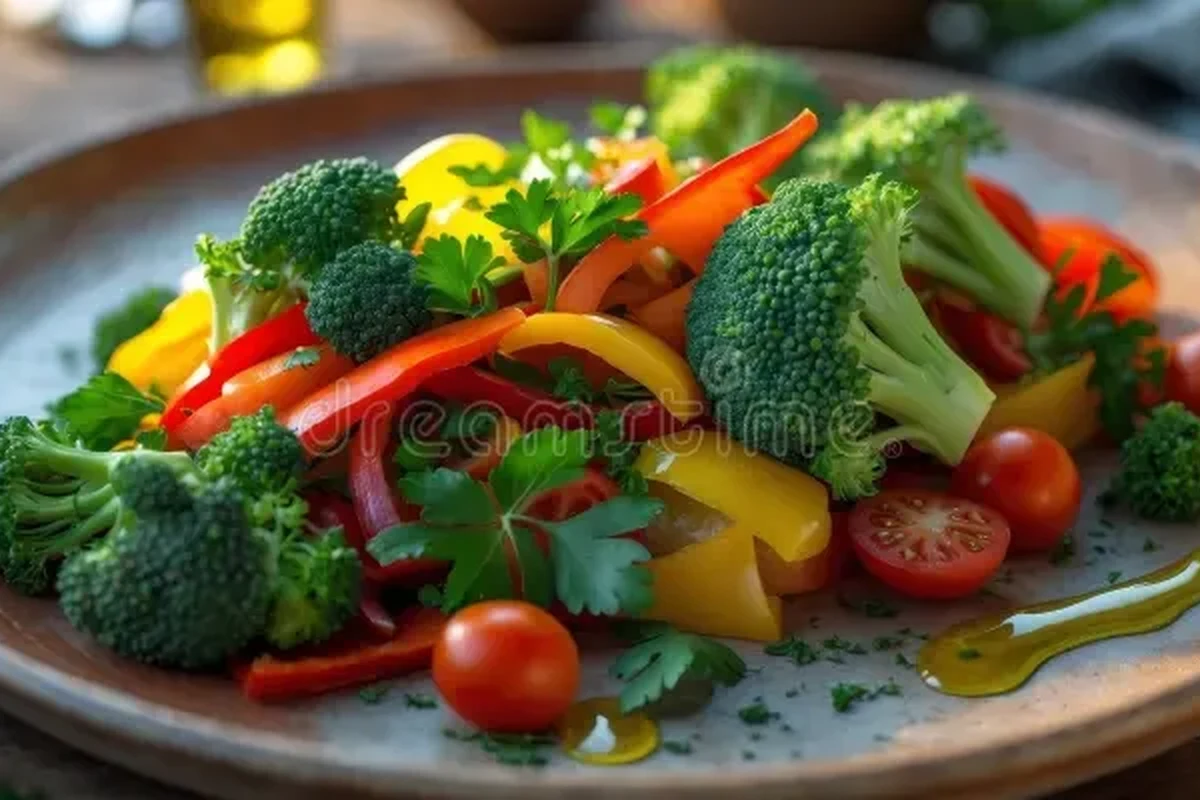
In the culinary world, “vege health foods” refers to unprocessed or minimally processed produce that provides high nutritional value relative to its caloric density. These staples are not just side dishes; they are the building blocks of meals that emphasize color, texture, and natural flavor profiles.
The Core Pillars of a Plant-Forward Diet
A plant-forward approach revolves around variety. The core pillars include leafy greens (such as spinach or callaloo), cruciferous vegetables, root tubers, and legumes. By varying the colors on your plate, you ensure a broad spectrum of phytonutrients. In 2026, the focus has shifted toward local, seasonal sourcing to maximize the nutrient integrity of these staples, ensuring that produce reaches your kitchen at the peak of its freshness.
Who Benefits Most from Incorporating Vege Health Foods?
Anyone looking to improve their daily meal quality can benefit from these foods. They are particularly useful for busy households seeking efficient meal-prep solutions, as many of these staples hold up well in the refrigerator. Additionally, those exploring meatless Mondays or plant-based transitions will find these ingredients versatile enough to serve as the centerpiece of a meal rather than an afterthought.
The Essential Belizean-Inspired Vege Health Food Pantry
Top Tier Vegetables for Maximum Nutritional Density
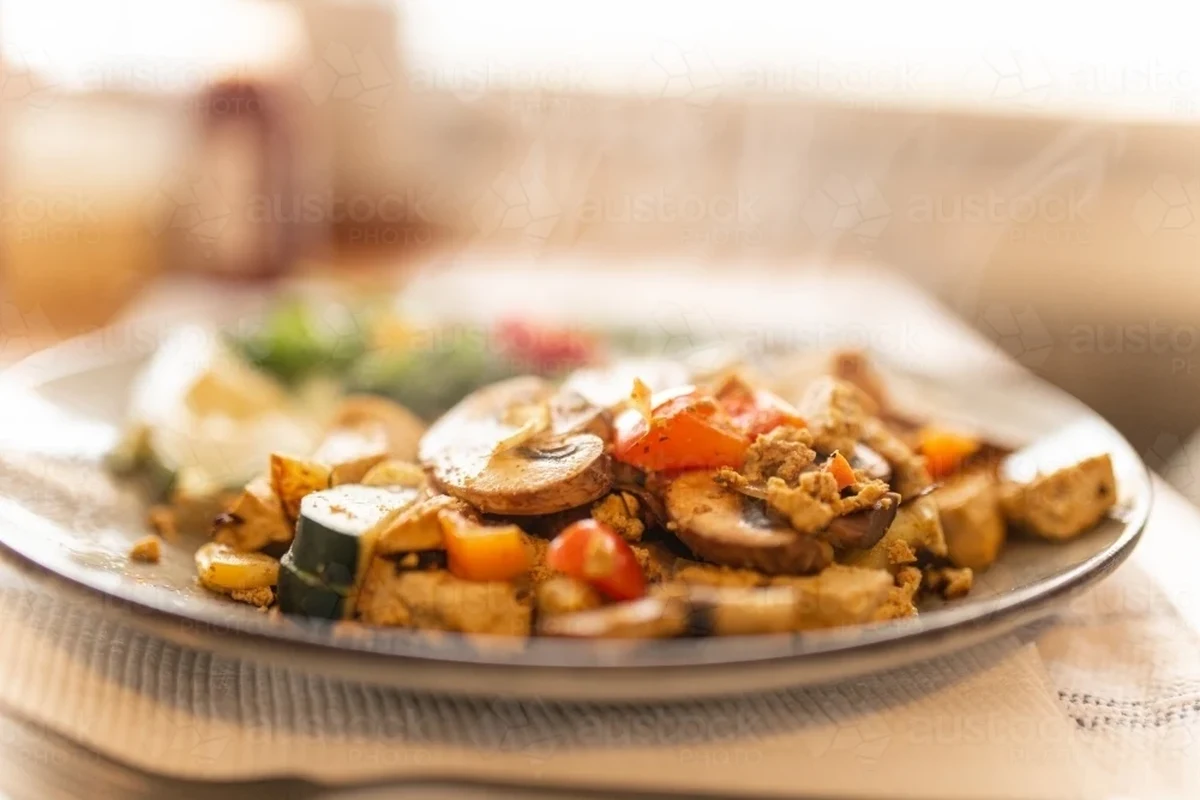
To stock a functional pantry, focus on vegetables that offer longevity and versatility. Leafy greens like kale and chard provide essential vitamins, while root vegetables like sweet potatoes and carrots offer sustained energy. Legumes, including black beans and red kidney beans, are staples for adding plant-based protein to any salad or side.
Sourcing Local and Fresh: How to Identify Quality Produce
Identifying high-quality produce requires looking for firmness, vibrant color, and the absence of blemishes. When shopping in 2026, look for seasonal availability at local markets. Avoid vegetables with signs of wilting or excessive moisture in the packaging, as these are indicators of improper storage or age.
Cooking Techniques to Preserve Nutrient Integrity
The Art of Steaming and Blanching for Texture
Steaming is one of the most effective methods for preserving the water-soluble vitamins in vegetables. Blanching—briefly boiling and then plunging into ice water—is excellent for greens, as it locks in a vibrant color and crisp texture. This is essential for salads where you want the vegetable to maintain a structural crunch. Vege Health Foods
Roasting vs. Sautéing: When to Use Which Method
- Deepens natural sugars
- Best for root vegetables
- Requires little oversight
- Fast, high-heat cooking
- Preserves bright colors
- Ideal for tender greens
Mastering the “Belizean Green Salad” Recipe
Ingredients and Essential Flavor Profiles
A true Belizean-inspired green salad balances earthy greens with acidic brightness and a touch of heat. You will need fresh mixed greens, diced cucumbers, slivered red onions, and a dressing made from lime juice, olive oil, and a hint of finely minced habanero.
Step-by-Step Preparation Technique
Common Mistakes That Ruin Fresh Salads
The most common error is over-dressing the salad, which causes the leaves to wilt prematurely. Another mistake is failing to remove excess moisture after washing, which prevents the dressing from coating the leaves effectively.
Ensuring Food Safety: Washing and Sanitizing Raw Produce
A salad spinner is the fastest way to get crisp, dry greens — see top-rated salad spinners here.
For a heartier plant-based meal, try our Cactus Club crispy tofu bowl.
Substitution Guide: Adapting Recipes for Seasonal Availability
Swapping Hard Vegetables for Softer Alternatives
If a recipe calls for carrots but you only have zucchini, keep in mind that the cooking time will change drastically. Hard vegetables are best roasted, while soft vegetables are better suited for quick sautés or raw applications in salads.
Finding Protein-Rich Plant Substitutes
If you are looking to increase the protein content of a salad, consider adding cooked chickpeas, lentils, or toasted seeds like pumpkin or sunflower seeds. These provide a satisfying crunch and a boost of plant-based protein without changing the overall flavor profile of your dish.
Storage and Preservation: Keeping Your Greens Fresh Longer
Optimizing Refrigerator Humidity for Leafy Vegetables
Leafy greens thrive in the crisper drawer, which is designed to maintain higher humidity levels. Wrap them loosely in a paper towel to absorb excess moisture, which prevents the “slimy” texture that often occurs after a few days.
The Proper Way to Store Root Vegetables and Tubers
Unlike leafy greens, root vegetables like potatoes and onions should be stored in a cool, dark, and well-ventilated place away from direct sunlight. Do not store them in the refrigerator, as the cold temperature can alter their starch content and flavor.
Troubleshooting: Reviving Wilted Produce
If your greens have slightly wilted, place them in a bowl of ice-cold water for 15–20 minutes. This process, often called “shocking,” can help the leaves rehydrate and regain their crispness for a final meal.
Evaluating Value: Are Premium Vege Health Foods Worth the Investment?
Cost-Benefit Analysis of Organic vs. Conventional Produce
Choosing organic versus conventional often comes down to budget and personal preference. While organic produce may have fewer synthetic pesticide residues, conventional produce is often more accessible. Prioritize your budget by purchasing organic for items where you consume the skin, such as cucumbers or apples.
Reducing Food Waste to Maximize Your Grocery Budget
- Use vegetable scraps like carrot tops or onion skins to make homemade vegetable stock.
- Buy only what you can consume within a week to avoid spoilage.
- Freeze excess herbs in olive oil to use for future sautés.
Luis’s Final Recommendation for a Sustainable Plant-Based Lifestyle
Incorporating vege health foods into your diet is a journey of consistency rather than perfection. Start by mastering one or two techniques, such as the perfect blanching method or a go-to vinaigrette, and expand from there. By focusing on quality sourcing and proper storage, you will find that these nutrient-dense ingredients are both affordable and incredibly rewarding to cook with in your 2026 kitchen.
Frequently Asked Questions
Look for firm textures, vibrant colors, and no signs of wilting or soft spots. Avoid produce with mold or excessive moisture in the packaging.
It is generally better to wash produce right before you use it. Washing before storage can introduce excess moisture, which encourages bacterial growth and spoilage.
Submerge the leaves in a bowl of ice-cold water for about 15 to 20 minutes. This allows the plant cells to rehydrate and regain their crisp texture.
Yes, frozen vegetables are often flash-frozen at peak ripeness and are excellent for cooking. However, they are not suitable for raw salads as they lose their texture when thawed.
When stored properly in a breathable container or wrapped in a paper towel, most leafy greens will last 3 to 5 days in the crisper drawer.
Nutritional content varies based on soil quality and harvest timing rather than just the organic label. The most important factor is consuming a wide variety of fresh, whole vegetables.