Broiled Chicken

Broiling chicken uses your oven’s top heating element to create a crisp, charred exterior similar to outdoor grilling. It is a fast, efficient method that locks in moisture when monitored with a meat thermometer.
Broiled chicken is a high-heat cooking method that uses the direct, intense radiation from your oven’s top element to create a crisp, flavorful exterior while keeping the meat juicy. In Belizean home kitchens, this technique is a favored way to emulate the charred, smoky profile of traditional outdoor cooking without the need for a full grill setup.
- Rack Position: Place chicken 4-6 inches from the heat for even cooking.
- Temperature Safety: Always cook to an internal temperature of 165°F (74°C).
- Flavor Control: Be careful with high-sugar marinades that can burn quickly under intense heat.
- Moisture Retention: Use bone-in, skin-on cuts to keep the meat juicy during the high-heat process.
What is Broiled Chicken? The Belizean Perspective
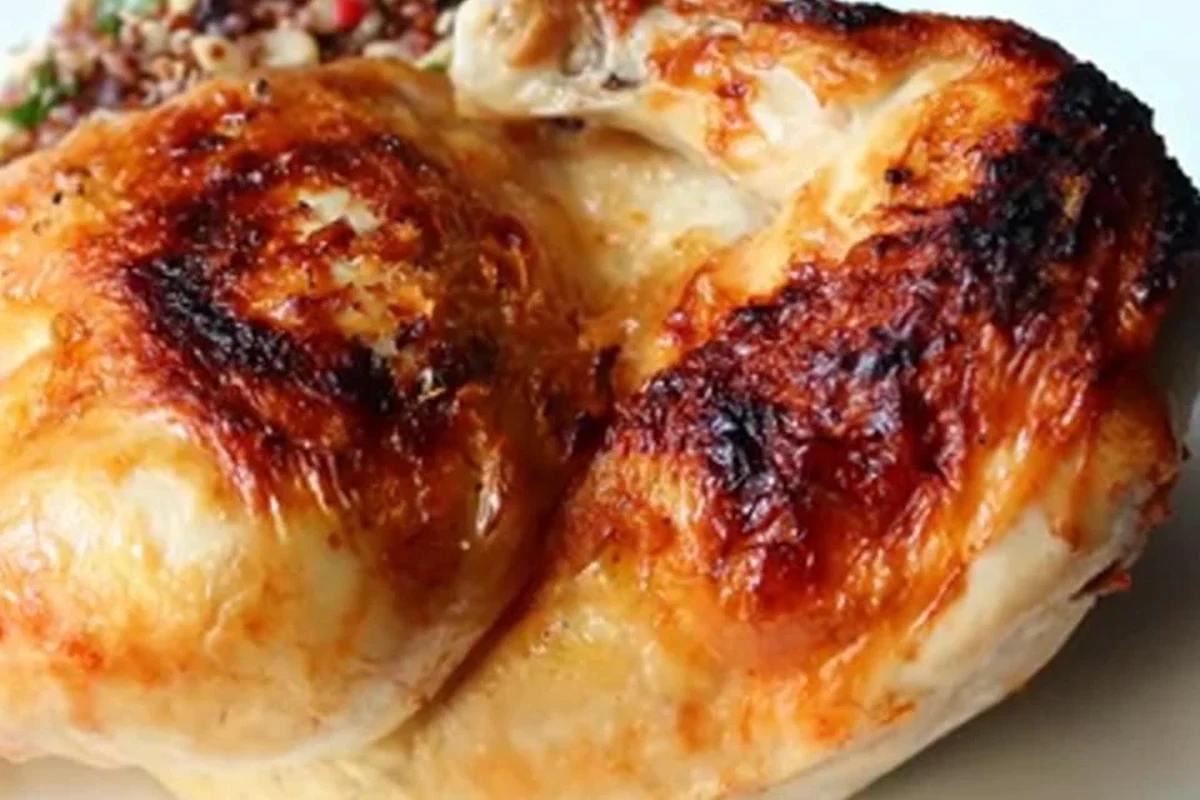
In Belize, we value bold, deep flavors that often come from direct flame contact. Broiling effectively mimics this environment inside your home oven. By placing the chicken close to the direct heat source—the broiler element—the skin undergoes a rapid browning process known as the Maillard reaction. This creates a savory, golden-brown crust that is synonymous with our favorite local comfort foods.
While many associate oven cooking with roasting, broiling is essentially an “upside-down” grill. It is a rapid, high-intensity method that requires your full attention to achieve that perfect Belizean char.
Why Broiling is the Secret to Perfect Belizean-Style Chicken

The Unique Benefits of High-Heat Cooking
Broiling is unmatched when you want to achieve a texture that feels “authentic” to Caribbean-style prep. The high heat caramelizes the natural sugars in your marinade, creating a sticky, flavorful glaze that roasting simply cannot replicate. Because the process is fast, the muscle fibers have less time to lose moisture, provided you monitor the internal temperature closely.
Broiling vs. Grilling: Why Broiling Wins for Weeknight Dinners
While a Belizean BBQ chicken recipe is a weekend staple for gatherings, it isn’t always practical for a busy Tuesday in 2026. Broiling offers a similar charred finish in a fraction of the time. You skip the hassle of lighting charcoal or preheating a gas grill, making it the most efficient way to get that signature “off-the-grill” taste during the work week.
Essential Ingredients for Belizean-Inspired Broiled Chicken
Selecting the Right Cut: Bone-In vs. Boneless
For the best results, bone-in, skin-on chicken is highly recommended. The skin acts as a protective barrier, keeping the meat succulent, while the bone adds depth to the flavor profile. If you prefer boneless, skinless cuts, keep in mind they will cook much faster and require careful timing to avoid becoming dry.
The Marinade: Achieving That Authentic Tropical Flavor Profile
The secret to great chicken in Belize is the marinade. A blend of recado (annatto paste), lime juice, garlic, and fresh habanero provides that iconic color and heat. When broiling, be mindful of high-sugar glazes; if your marinade is heavy on brown sugar or honey, it may burn before the chicken is cooked through.
- Use bone-in, skin-on pieces for maximum moisture retention.
- Prepare a balanced marinade with citrus and aromatics, limiting added sugars.
- Ensure you have a reliable digital meat thermometer for safety.
- Check your oven rack height before turning on the broiler.
Step-by-Step: Mastering the Broiling Technique
Pat the chicken completely dry with paper towels. Excess moisture causes steaming rather than browning. Apply your marinade, allowing it to penetrate for at least 30 minutes.
Most 2026 ovens feature “High” and “Low” broil settings. Use “High” for chicken unless your pieces are very thick; in that case, “Low” allows the heat to penetrate the center before the surface chars.
Place your oven rack about 4 to 6 inches away from the broiler element. If the chicken is too close, the skin will scorch; too far, and it will bake instead of broil.
Common Mistakes to Avoid When Broiling Chicken
Preventing Uneven Browning and Burnt Sugar Spices
The most common error is ignoring the pan. Because the heat is directional, you must rotate your pan or flip the chicken halfway through the cooking process. If you notice the edges browning too quickly, move the pan to a lower rack position.
Managing Flare-Ups and Smoke in the Kitchen
High-heat cooking naturally produces smoke. Ensure your kitchen is well-ventilated by running your exhaust fan. If you are using a shallow pan, the fat drippings may smoke; placing a small amount of water or a few vegetable chunks in the bottom of the pan can help minimize this.
Food Safety: Ensuring Perfectly Cooked Poultry
Internal Temperature Guidelines and Doneness Cues
According to standard food safety guidelines, all poultry must reach a minimum internal temperature of 165°F (74°C). Always check the thickest part of the meat, avoiding the bone, with a calibrated digital thermometer.
Safe Handling and Cross-Contamination Prevention
Always wash your hands and surfaces thoroughly after touching raw chicken. Use dedicated utensils for raw and cooked meat, and never place finished chicken back onto the plate that held the raw product.
Storage, Reheating, and Maximizing Leftovers
Best Practices for Storing Cooked Chicken
Cooked chicken should be refrigerated within two hours of cooking. Store it in an airtight container for up to 3-4 days. For longer storage, freeze the meat, though the texture of the skin will soften upon thawing.
How to Reheat Without Drying Out the Meat
To reheat, avoid the microwave if possible. Instead, place the chicken in a preheated oven at 350°F with a splash of water or broth to create steam, which keeps the meat tender. If you find yourself with extra, consider shredding the leftovers for a Belizean chicken tacos recipe or adding it to a hearty bowl of chicken leek and potato soup.
Broiling is the most effective way to capture the essence of Belizean-style grilled chicken in a modern home kitchen. By focusing on rack placement and monitoring the internal temperature, you can achieve a professional-quality char every time. If you prefer a more hands-off approach for batch cooking, consider alternative methods like air fryer chicken thighs, which offer similar speed but a different texture profile.
Common Questions
Broiling can dry out chicken if overcooked, but using bone-in pieces and monitoring the internal temperature prevents this.
The rack should be set 4 to 6 inches from the top element to balance browning and internal cooking.
Yes, lining your pan with foil makes cleanup easier, but ensure it is tucked tightly to avoid accidental fires.
The only reliable way is using a digital thermometer to confirm the meat has reached 165°F.
Yes, marinating adds flavor and moisture, but pat the chicken dry before cooking to ensure a proper sear.
Frequently Asked Questions
Cooking time varies by cut and thickness, but generally takes 15–20 minutes. Always rely on an internal temperature of 165°F rather than a clock.
Use High for thin cuts or to brown skin quickly. Use Low for thicker pieces to ensure the inside cooks through before the outside burns.
Smoke is usually caused by fat drippings hitting the hot pan. Ensure your oven is clean and consider adding a splash of water to the pan.
Yes, but they cook very quickly. Monitor them closely to prevent the meat from drying out, as they lack the fat protection of skin-on pieces.
Yes, flipping ensures even browning on both sides. It also allows you to check for any uneven hot spots in your oven.
Start with a good marinade, don’t overcook it, and let the chicken rest for 5 minutes after removing it from the oven to redistribute juices.