Roasted Chicken Seasoning

The perfect roasted chicken seasoning combines kosher salt, garlic and onion powders, and dried herbs like thyme and oregano for a balanced, savory crust. Apply the rub under the skin and allow the chicken to rest before roasting to ensure maximum flavor penetration and succulent meat.
The perfect roasted chicken seasoning strikes a balance between savory salt, aromatic herbs, and a touch of heat to create a crispy, flavorful skin and succulent meat. Whether you are aiming for a classic Sunday roast or a Caribbean-inspired feast, mastering your spice blend is the first step toward poultry perfection in 2026.
- Preparation: Pat the chicken completely dry before seasoning to ensure the skin turns crispy rather.
- Penetration: Apply your seasoning under the skin, directly onto the breast meat, to boost flavor.
- Timing: Seasoning 2–4 hours in advance allows salt to brine the meat, improving moisture retention.
- Safety: Always use a thermometer to verify an internal temperature of 165°F (74°C) to ensure.
What Is the Ultimate Roasted Chicken Seasoning?
Defining the Perfect Flavor Profile
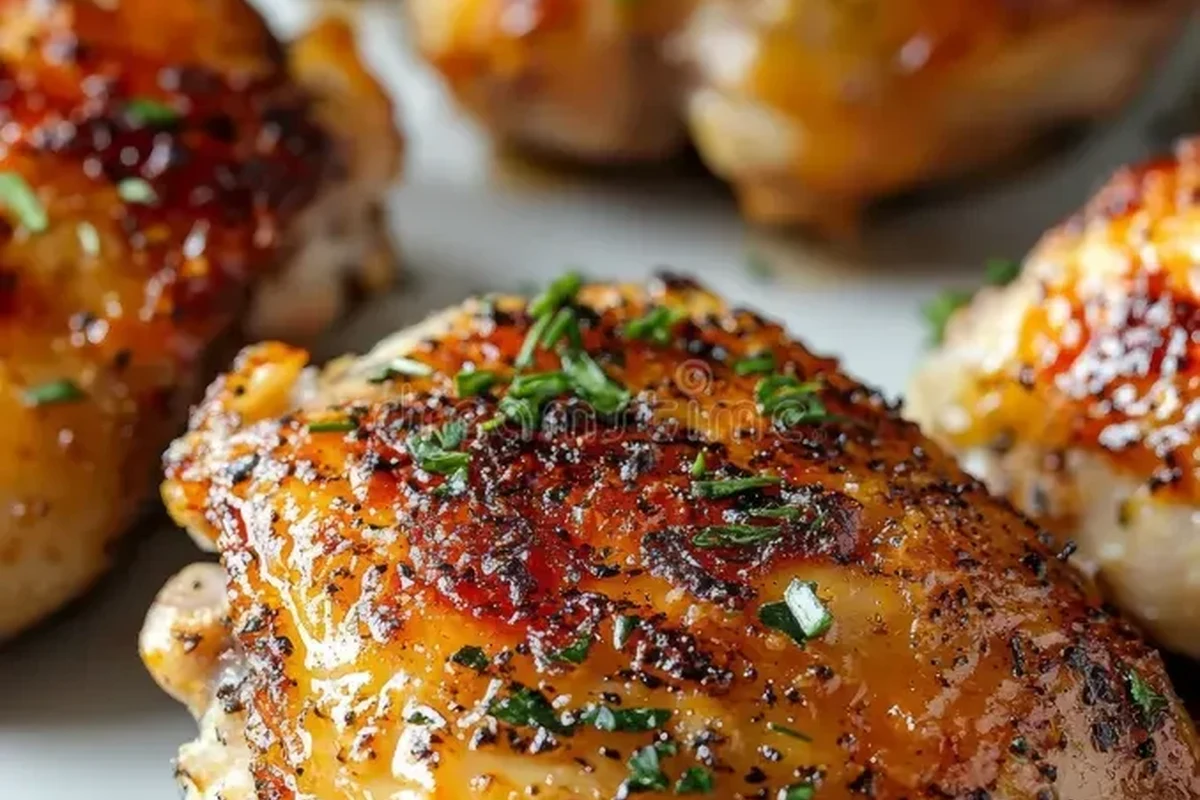
The “ultimate” seasoning is subjective, but it almost always hinges on the balance of the “Big Four”: salt, fat, acid, and aromatics. A great blend should enhance the natural savoriness of the chicken without masking its inherent flavor. In 2026, many home cooks are moving toward blends that incorporate both savory base notes—like garlic and onion powder—and brighter, high-note herbs like thyme, rosemary, or even a hint of citrus zest.
The Role of Aromatics and Herbs in Modern Roasting
Aromatics do more than just scent the kitchen; they penetrate the skin and infuse the fat as it renders during the roasting process. While traditional French-style roasts lean heavily on thyme and tarragon, a Belizean BBQ chicken recipe approach might incorporate bolder spices like allspice, habanero powder, or annatto, providing a unique regional complexity that stands out from standard grocery store blends.
Core Ingredients: Building Your Signature Blend
The Foundation: Salt, Pepper, and Fats
Salt is non-negotiable. It acts as a brine, drawing moisture into the muscle fibers. Kosher salt is generally preferred for its texture and ease of distribution. Black pepper, ideally freshly cracked, provides a necessary bite. When using a dry rub, mixing your spices with a high-smoke-point fat like avocado oil or melted butter helps the seasonings adhere to the skin and promotes even browning.
Herbs and Spices: The Belizean-Inspired Approach
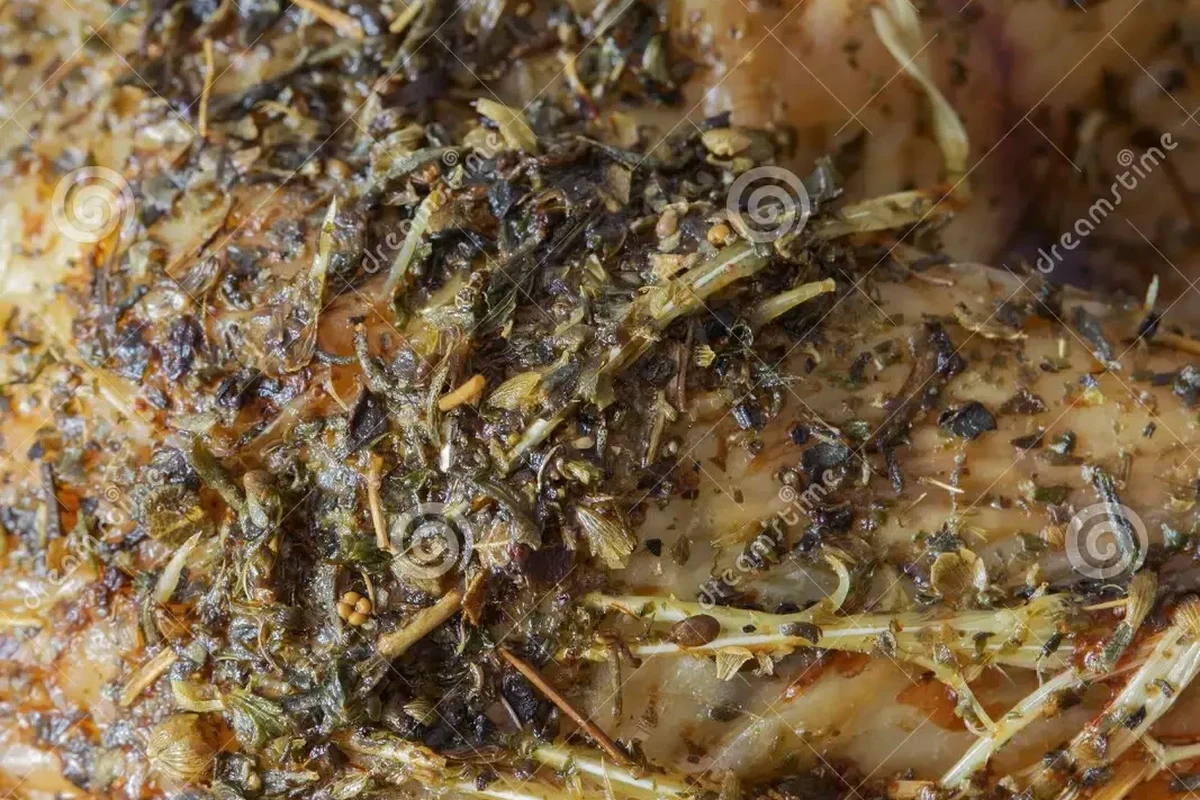
To capture that vibrant, soulful character often found in island cooking, consider building a base of garlic powder, onion powder, smoked paprika, and dried oregano. Adding a pinch of ground cloves or allspice introduces a subtle, warm depth that is characteristic of many Caribbean-style dishes, including our favorite Belizean curry chicken recipe.
The Science of Dry Rubs vs. Wet Pastes
Dry rubs are excellent for achieving crispy skin because they don’t introduce excess moisture to the surface. Wet pastes, often made with oil, citrus juice, or aromatics like fresh garlic and ginger, are superior for flavor penetration. Pastes work best when tucked under the skin, where they can marinate the breast meat directly.
If you prefer extra-crispy skin, pat the chicken completely dry with paper towels before applying any rub. Moisture is the enemy of a golden, crunchy exterior.
How to Apply Seasoning for Maximum Flavor Penetration
The Importance of Surface Preparation
Preparation begins long before the oven is turned on. Removing the chicken from the refrigerator 30 to 45 minutes before roasting allows the chill to dissipate, leading to more even cooking. Ensuring the skin is taut and dry allows the seasoning to adhere uniformly.
Techniques for Under-Skin Application
The chicken breast is the thickest part of the bird and often the least flavorful. Gently sliding your fingers between the skin and the meat to create a pocket allows you to distribute your herb butter or dry rub directly onto the breast meat. This technique ensures that every bite is seasoned, not just the outer skin.
Timing Your Seasoning: Why Resting Matters
Seasoning early—ideally two to four hours before roasting—allows the salt to work its way into the meat. If you are short on time, seasoning right before the bird hits the pan is acceptable, but resting the bird for 15–20 minutes after it leaves the oven is critical. This resting period allows the juices to redistribute, keeping the meat moist.
A Versatile Roasted Chicken Seasoning Recipe
Ingredients List for the Perfect Batch
This balanced blend works for a whole bird or individual cuts:
- 2 tbsp Kosher salt
- 1 tbsp Smoked paprika (for color and depth)
- 1 tbsp Garlic powder
- 1 tbsp Onion powder
- 1 tsp Dried thyme
- 1 tsp Dried oregano
- 1 tsp Freshly cracked black pepper
- Optional: 1/2 tsp ground allspice for a Caribbean twist
Step-by-Step Mixing and Application Guide
Common Mistakes to Avoid During Seasoning
Avoid using too much sugar in your rub, as it can burn at the high temperatures required for roasting. Also, be wary of over-salting if your chicken has been “enhanced” or “plumped” with a saline solution from the butcher, as these birds are already pre-salted.
Essential Substitutions and Customization
Adapting Your Blend for Dietary Restrictions
If you are watching your sodium intake, replace salt with citrus zest, extra herbs, or a salt-free spice blend. For those who enjoy a spicy kick, adding cayenne pepper or red pepper flakes is an easy adjustment.
Flavor Variations: From Savory to Zesty
For a brighter, zestier profile, incorporate dried lemon peel or a tablespoon of fresh lemon juice into a wet paste. If you are preparing something like Ninja Woodfire Grill chicken breast recipe, you might lean into more robust, smoky spices to complement the wood-fired flavor profile.
When to Use Fresh vs. Dried Herbs
Dried herbs are best for dry rubs as they won’t burn as quickly as fresh herbs. Fresh herbs (like rosemary or thyme sprigs) are better suited for stuffing inside the cavity of a whole bird, where they can steam and infuse the meat from the inside out.
Food Safety and Proper Handling
Always wash your hands thoroughly after handling raw poultry. Avoid rinsing the chicken in the sink, as this spreads bacteria through aerosolization.
Preventing Cross-Contamination During Preparation
Use a dedicated cutting board for raw poultry. If you are mixing a large batch of seasoning, set aside a small portion for the chicken and keep the rest of your spice jar uncontaminated by raw meat.
Ensuring Safe Internal Temperatures for Poultry
The USDA recommends cooking chicken to an internal temperature of 165°F (74°C). Always use a digital meat thermometer inserted into the thickest part of the thigh, away from the bone, to verify doneness.
Storage, Longevity, and Batch Preparation
Storing Your Dry Spice Blends
Store your homemade seasoning in an airtight glass container in a cool, dark cupboard. While spices don’t technically “expire,” they lose their potency over time. For the best flavor, try to use your blend within six months.
Safe Handling of Seasoned Raw Chicken
Seasoned raw chicken should be kept in the refrigerator and cooked within 24 hours. If you need to store it longer, it is safer to freeze the chicken and season it immediately before cooking.
Verdict: Elevating Your Sunday Roast
Why Homemade Blends Outperform Store-Bought Options
Homemade blends allow you to control the quality of the ingredients and the sodium levels. You can avoid anti-caking agents and fillers often found in commercial packets, ensuring that your roast is seasoned with nothing but pure, high-quality spices.
Final Recommendations for the Home Cook
Start with the base recipe provided above and adjust according to your family’s preferences. The goal of a great seasoning is to turn a simple ingredient into a centerpiece dish. By taking the time to prepare your own rub, you ensure that your next roasted chicken is as flavorful as it is memorable.
Common Questions
Smoked paprika adds a subtle depth and a rich, golden-red color to the chicken skin that standard paprika lacks.
You can, but use it sparingly as sugar can burn at the high temperatures typically used for roasting chicken.
No, you should never rinse raw chicken as it spreads harmful bacteria around your kitchen sink and workspace.
Avocado oil or melted butter are excellent choices because they help the spices adhere to the skin and promote even browning.
When stored in an airtight container in a cool, dark place, the blend will maintain its best flavor for about six months.
Frequently Asked Questions
Yes, dried herbs are actually preferred for dry rubs because they hold up better during the high-heat roasting process without burning. Fresh herbs are best used inside the cavity of the bird.
For the best flavor, let the chicken sit with the seasoning for two to four hours in the refrigerator. This allows the salt and spices to penetrate the meat.
Pat the chicken skin completely dry with paper towels before applying your seasoning. Moisture on the skin prevents it from getting crispy in the oven.
Always use a digital meat thermometer to ensure the thickest part of the thigh reaches an internal temperature of 165°F (74°C).
Yes, you can make a large batch and store it in an airtight container in a cool, dark place. It will remain fresh for up to six months.
If you notice the error before cooking, you can try to gently wipe off excess rub. Once cooked, there is little you can do, so always check if your chicken is pre-brined before seasoning.