Moroccan Chicken Thighs

Moroccan chicken thighs are a tender, aromatic dish featuring a complex spice blend, briny olives, and tangy preserved lemons. This slow-braised meal is perfect for busy home cooks looking for a flavorful, low-maintenance dinner option.
Moroccan chicken thighs are a fragrant, slow-braised dish defined by the warm, complex spices of North Africa and the savory tang of preserved lemons and olives. This dish offers a sophisticated profile that transforms humble poultry into a centerpiece meal, perfect for those seeking to expand their culinary repertoire in 2026.
- Flavor Profile: Uses Ras el Hanout to balance earthy spices with bright citrus notes.
- Meat Choice: Bone-in, skin-on chicken thighs provide the best texture and moisture for braising.
- Key Technique: Searing the chicken first is vital for building a deep, flavorful base for the.
- Safety First: Always verify that the internal temperature reaches 165°F (74°C) to ensure the chicken is.
What Are Moroccan Chicken Thighs? A Flavorful Fusion for the 2026 Kitchen

At its heart, this dish is a variation of a traditional tagine—a slow-cooked stew named after the earthenware pot in which it is traditionally prepared. While you do not need a specialized tagine to achieve authentic results, the principles remain the same: layering spices, aromatics, and liquids to create a tender, succulent final product. The defining characteristics of this dish are its depth of flavor, which balances earthy spices like cumin and coriander with the bright, saline punch of olives and preserved lemons.
Preserved lemons are a staple in Moroccan cuisine, created by curing lemons in salt and their own juices for weeks. This process mellows the bitterness of the rind and creates a unique, fermented citrus flavor that cannot be replicated by fresh lemon juice alone.
Why Moroccan Chicken Thighs Are the Ultimate Weeknight Solution
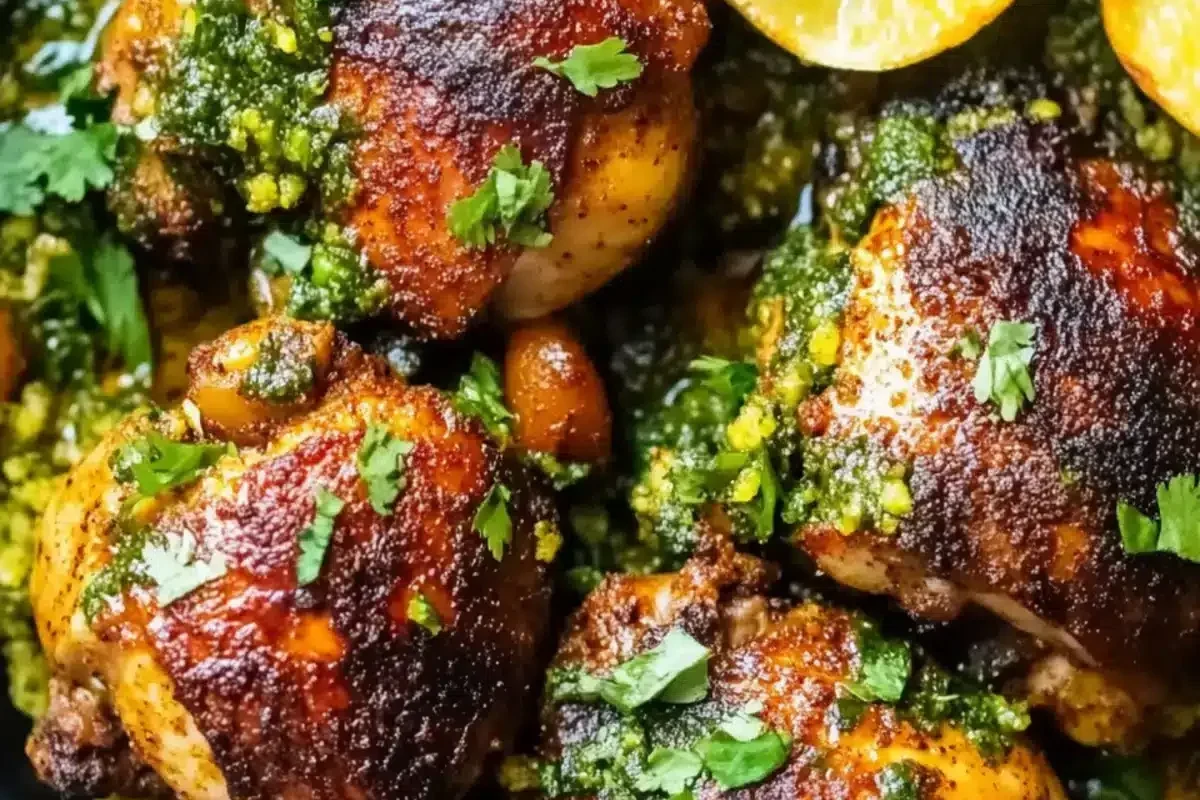
For the busy home cook, chicken thighs are far more forgiving than breasts. Their higher fat content ensures they remain juicy even during the braising process, making them an excellent choice for meal prep or a relaxed evening dinner. Unlike many complex stews that require constant attention, this dish is largely “hands-off” once the searing is complete. Whether you are scaling up for a large gathering or preparing a single-pan meal, the flavors actually deepen after a day in the refrigerator, making it a reliable choice for leftovers.
Essential Ingredients for Authentic Moroccan Flavor Profiles
The Spice Blend: Mastering Ras el Hanout
The soul of this recipe is Ras el Hanout, a complex spice blend that translates to “head of the shop,” implying the best spices a merchant has to offer. While compositions vary, it typically includes cardamom, nutmeg, anise, mace, cinnamon, ginger, and various chiles. If you are accustomed to simpler spice profiles found in dishes like Belizean curry chicken, you will find this blend to be a distinct, aromatic departure.
The Role of Aromatics, Preserved Lemons, and Olives
Beyond the dry spices, the aromatics create the foundation of the sauce. Fresh garlic, ginger, and onions are essential, but the inclusion of briny green olives and chopped preserved lemons provides the necessary acid to cut through the richness of the chicken fat. These ingredients work in tandem to create a sauce that is both savory and bright.
Step-by-Step Cooking Technique: Achieving the Perfect Sear and Braise
Preparation and Marination for Maximum Depth
Begin by patting the chicken thighs dry with paper towels to ensure a crisp sear. Toss them in a mixture of oil, your spice blend, and a pinch of salt. Allowing the chicken to sit for at least 30 minutes—or up to several hours—ensures the spices penetrate the meat. While some cooks prefer the speed of an air fryer chicken thighs method for crispiness, the braising technique here focuses on melding flavors into a cohesive sauce.
Substitution Guide: Adapting the Recipe for Modern Pantries
Spice Alternatives When Ras el Hanout Is Unavailable
If you cannot source a pre-mixed Ras el Hanout, you can create a reasonable approximation by combining equal parts ground cumin, coriander, cinnamon, and a pinch of cayenne pepper. While it won’t have the same depth as a professional blend, it captures the essential “warm” profile of the dish.
Protein and Vegetable Swaps for Dietary Flexibility
While chicken thighs are the gold standard here, this flavor profile works beautifully with root vegetables like carrots, parsnips, or potatoes for a vegetarian version. If you are looking for other ways to utilize chicken in your meal rotation, consider how these spices might contrast with the comfort of a chicken papaya curry recipe.
Common Mistakes and How to Avoid Them
Preventing Overcooking and Drying Out Thigh Meat
Although thighs are forgiving, they can still become fibrous if boiled at too high a heat. Keep the braise at a gentle simmer rather than a rolling boil to maintain the integrity of the meat fibers.
Balancing Acidity and Salt Levels
Preserved lemons and olives are naturally very salty. Always taste your sauce before adding additional salt. If the dish tastes too sharp, a small drizzle of honey or a pinch of sugar can help balance the acidity of the lemons.
Always ensure the chicken reaches an internal temperature of 165°F (74°C) as measured by a food thermometer, regardless of the cooking method or braise time.
Food Safety, Storage, and Reheating Best Practices
Raw poultry should be handled on dedicated surfaces to prevent cross-contamination. Once cooked, leftovers should be cooled within two hours and placed in airtight containers. They will remain high quality in the refrigerator for up to three to four days. When reheating, add a tablespoon of water or broth to the pan to prevent the sauce from scorching and to help restore its original consistency.
Value and Versatility: Why This Dish Belongs in Your Rotation
Moroccan chicken thighs offer exceptional value because they rely on pantry-stable spices and affordable cuts of meat. The dish is incredibly versatile; it pairs perfectly with couscous, crusty bread, or even a light salad, allowing you to adapt the meal based on what you have on hand in 2026.
Final Recommendation: Elevating Your Home Cooking with Moroccan-Inspired Flavors
For those looking to move beyond standard weeknight fare, this dish provides an accessible entry point into North African flavors. By mastering the balance of the spice blend and respecting the braising time, you can produce a restaurant-quality meal with minimal active effort. It is an ideal addition to any cook’s repertoire, rewarding patience with deep, complex, and comforting results.
Common Questions
Braising the chicken in a liquid at a low, consistent simmer ensures the meat stays succulent and tender without drying out.
Absolutely, the flavors often improve after sitting in the refrigerator overnight, making it an excellent candidate for meal prep.
Couscous, fluffy basmati rice, or warm flatbread are ideal for soaking up the aromatic sauce.
They add a necessary saltiness and texture that balances the spices, but you can swap them for Kalamata olives if you prefer a different flavor profile.
If the sauce is too thin, remove the chicken once cooked and simmer the liquid uncovered for a few extra minutes to reduce it to your desired consistency.
Frequently Asked Questions
Yes, but be aware that chicken breasts cook faster and are more prone to drying out. Reduce the simmering time to avoid overcooking the white meat.
If you cannot find preserved lemons, use a combination of fresh lemon zest and a pinch of extra salt. It won’t have the same fermented depth, but it provides the necessary citrus brightness.
The chicken is safely cooked when it reaches an internal temperature of 165°F (74°C). Use a meat thermometer inserted into the thickest part of the thigh, avoiding the bone.
Yes, Moroccan chicken freezes well. Store it in an airtight container for up to three months, and thaw it slowly in the refrigerator before reheating gently on the stovetop.
No, a heavy-bottomed Dutch oven or a deep skillet with a tight-fitting lid works perfectly. The goal is to create a moist, enclosed environment for the braising process.
Olives and preserved lemons are high in sodium. Rinse the olives and use less salt in your initial spice rub, then taste the sauce at the end and adjust as needed.