Chicken Thighs in Convection Oven

Cooking chicken thighs in a convection oven uses circulating hot air to achieve crispy skin and juicy meat significantly faster than standard ovens. Always use a meat thermometer to ensure the chicken reaches a safe internal temperature of 165°F (74°C).
Cooking chicken thighs in a convection oven is the most reliable way to achieve golden, crispy skin while keeping the meat juicy and tender. By utilizing the constant airflow of the convection setting, you can replicate the results of professional roasting right in your home kitchen in 2026.
- Temperature Control: Reduce standard oven temperatures by 25°F when using convection.
- Airflow: Use a wire rack to ensure air circulates underneath for even crisping.
- Safety First: Confirm doneness with a meat thermometer at 165°F (74°C).
- Surface Prep: Pat skin dry with paper towels to ensure maximum crispiness.
- Resting: Always rest chicken for 5–10 minutes to retain juices.
The Secret to Crispy Skin: Why Convection Ovens Are a Game-Changer for Chicken Thighs
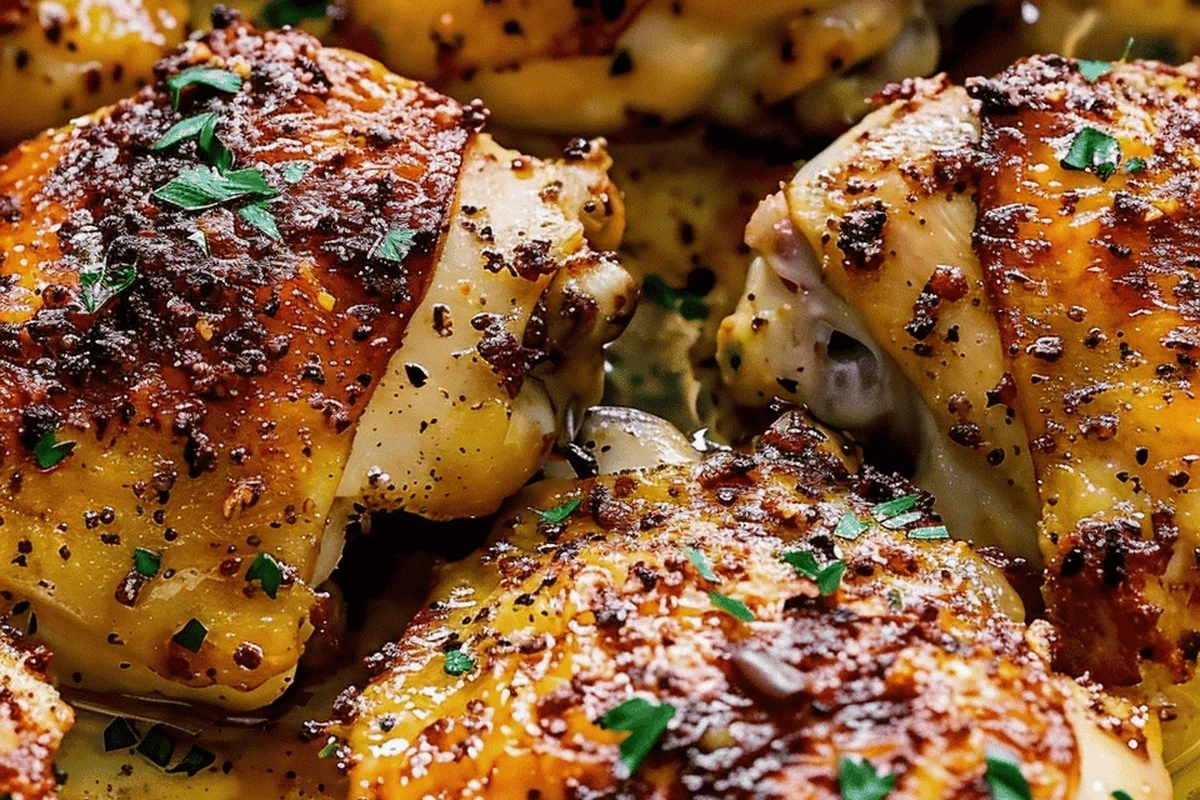
For home cooks, the pursuit of the perfect roast chicken is often hindered by uneven cooking or soggy skin. Convection ovens solve this by circulating hot air around the food, which effectively dehydrates the surface of the chicken skin more rapidly than a standard radiant heat source. This process is essential for achieving that sought-after “crunch” without overcooking the delicate meat beneath.
Whether you are using a dedicated oven or a high-performance over-the-range convection microwave, the physics remains the same. The consistent heat distribution ensures that every side of the chicken thigh is exposed to the same temperature, eliminating the need to constantly rotate the pan during the cooking process.
Understanding the Convection Difference: How It Works for Poultry
Convection vs. Conventional: Why Airflow Matters
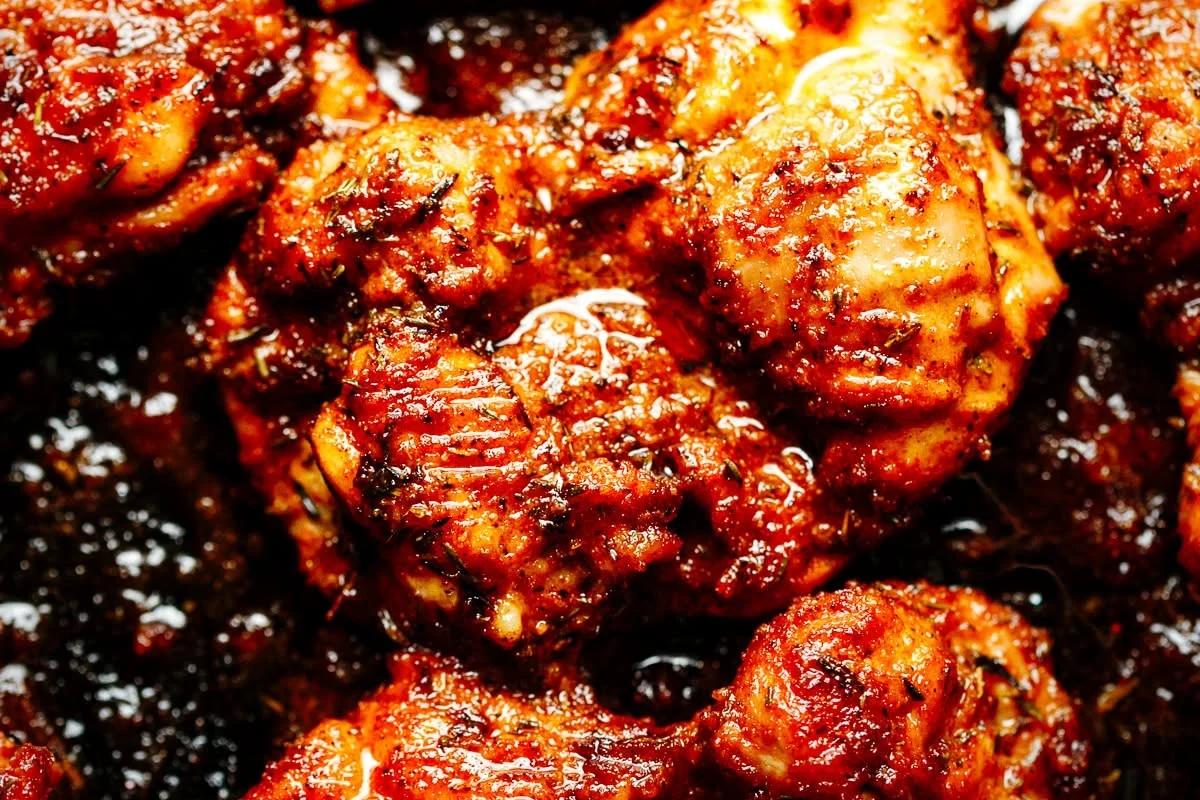
In a conventional oven, air remains relatively stagnant, creating hot and cool spots. Convection settings engage a fan that forces air to move constantly. For poultry, this is transformative. It strips away the cool layer of air that naturally surrounds the chicken skin, allowing the heat to penetrate the fat layer more efficiently. This renders the fat faster, leading to a crispier texture that is difficult to replicate in a standard oven.
The Science of the Maillard Reaction in a Convection Environment
The Maillard reaction is a chemical process between amino acids and reducing sugars that gives browned food its distinctive, savory flavor. Because convection ovens remove surface moisture more effectively, they accelerate the Maillard reaction. By the time the internal temperature of the chicken thigh reaches safety, the skin is already deeply browned and flavorful.
Always pat your chicken thighs completely dry with paper towels before seasoning. Less surface moisture means less time the oven spends evaporating water and more time it spends browning the skin.
Essential Ingredients for Belizean-Style Roasted Chicken Thighs
Selecting the Best Cuts: Bone-In vs. Boneless
For the best results in a convection oven, bone-in, skin-on thighs are highly recommended. The bone acts as an insulator, protecting the meat from drying out during the faster cooking times characteristic of convection. If you prefer a quicker meal, boneless thighs are an option, though you must monitor them closely to prevent them from becoming tough.
The Marinade: Balancing Citrus, Recado, and Aromatics
A true Belizean-style approach relies on bold flavors. A marinade featuring sour orange (or a blend of lime and orange juice), annatto (recado), garlic, and a hint of allspice creates a beautiful color and a complex, tangy profile. The acidity in the citrus helps tenderize the meat, while the annatto adds an earthy depth that pairs perfectly with the high-heat roasting of a convection oven.
Step-by-Step: The Ultimate Convection Oven Chicken Thigh Recipe
Pat the chicken dry. Apply your marinade and let it sit for at least 30 minutes, or up to 4 hours in the refrigerator.
Set your convection oven to 400°F (200°C). Ensure the oven is fully preheated before adding the chicken.
Place thighs skin-side up on a wire rack set over a baking sheet. This allows airflow underneath, ensuring even crisping.
Cook for 25–35 minutes. The convection fan will speed up the process, so start checking the temperature at the 25-minute mark.
Monitoring Doneness: The Role of the Meat Thermometer
Visual cues can be misleading. Always use a digital meat thermometer to ensure the thickest part of the thigh reaches an internal temperature of 165°F (74°C). This is the only way to guarantee safety while maintaining the best texture.
Common Mistakes to Avoid When Using Convection Settings
Overcrowding the Pan: The Enemy of Crispiness
If you pack the thighs too closely together, the moisture released during cooking will be trapped, essentially steaming the chicken instead of roasting it. Ensure there is at least an inch of space between each piece for the air to circulate freely.
Temperature Miscalculations: Adjusting for Faster Cooking
Because convection ovens are more efficient, a general rule of thumb is to reduce the recipe’s recommended temperature by 25°F or reduce the cooking time by about 20–25%. If you are adapting a standard recipe, start checking your chicken earlier than the instructions state to avoid overcooking.
Never rinse raw chicken in the sink; this spreads bacteria throughout your kitchen. Rely on patting the meat dry with paper towels to prepare it for the oven.
Food Safety and Handling: Best Practices for 2026 Kitchens
Safe Internal Temperatures and Resting Periods
According to food safety standards, poultry must reach an internal temperature of 165°F (74°C). Once removed from the oven, let the chicken rest for at least 5–10 minutes. This allows the juices to redistribute throughout the meat, resulting in a much more succulent bite.
Avoiding Cross-Contamination During Preparation
Always use a dedicated cutting board for raw poultry. Wash your hands, surfaces, and utensils with hot, soapy water immediately after they come into contact with raw meat to prevent the spread of pathogens.
Storage, Reheating, and Maximizing Leftovers
Proper Refrigeration and Freezing Techniques
Store leftover chicken in an airtight container in the refrigerator for up to 3–4 days. If you plan to keep it longer, freeze it in a freezer-safe bag for up to 3 months. When preparing for air fryer chicken thighs or other quick meals later in the week, this precooked chicken is an excellent time-saver.
How to Reheat Without Sacrificing Texture
Avoid the microwave if you want to keep the skin crispy. The best way to reheat is to place the thighs back into a 350°F convection oven for 5–8 minutes, or until the skin crisps up and the meat is warmed through.
Value and Efficiency: Is Convection Cooking Right for Your Kitchen?
Time-Saving Benefits for Busy Home Cooks
Convection cooking is ideal for those who value efficiency. By reducing cook times and improving the consistency of results, it allows you to get dinner on the table faster without sacrificing the quality of the meal. It is a highly effective method for anyone looking to master the art of the perfect roasted thigh.
Using a convection oven for chicken thighs is the superior method for home cooks seeking restaurant-quality skin and juicy meat. While it requires a bit of attention to temperature and spacing to avoid overcooking, the results are consistently better than standard baking. It is an essential technique for anyone looking to elevate their weekday poultry dishes.
Common Questions
Convection is best for roasting and baking where you want browning and crispiness. It may not be necessary for gentle cooking like poaching or certain delicate braises.
Not if monitored correctly. Because it cooks faster, you must use a thermometer to avoid overcooking, which is the primary cause of dryness.
Yes, roasting vegetables alongside chicken in a convection oven works beautifully. The airflow helps caramelize the edges of root vegetables quickly.
Metal pans are preferred for convection roasting as they conduct heat faster and facilitate better browning of the bottom of the chicken.
Usually, no. The circulating air in a convection oven ensures even cooking on all sides, though you can flip them if you prefer a specific char on both sides.
Frequently Asked Questions
Yes, generally you should lower the temperature by about 25°F or reduce the cook time by 20-25% compared to a conventional oven recipe to account for the increased efficiency.
Yes, boneless thighs work well, but they cook faster than bone-in pieces. Monitor the internal temperature closely to prevent the meat from drying out.
Pat the skin completely dry before seasoning and use a wire rack over a baking sheet to ensure hot air circulates underneath the chicken. This prevents the bottom from becoming soggy.
Chicken thighs are safe to eat when they reach an internal temperature of 165°F (74°C) as measured by a meat thermometer inserted into the thickest part of the meat.
Resting for 5 to 10 minutes is essential. This allows the juices to redistribute, keeping the meat moist when you cut into it.
Yes, store leftovers in an airtight container. They will stay fresh in the refrigerator for 3 to 4 days, and reheating in a convection oven will help restore some of the original crispiness.