Pressure Cooker Frozen Chicken Breast

You can safely cook frozen chicken breast in a pressure cooker by increasing the cooking time by roughly 50% compared to thawed meat. Always confirm the chicken has reached an internal temperature of 165°F before serving.
Cooking frozen chicken breast in a pressure cooker is a reliable, time-saving technique that allows you to get dinner on the table without the need for advance thawing. By utilizing high-pressure steam, you can safely transform rock-hard poultry into tender, succulent meat in a fraction of the time required by conventional methods.
- Safety First: Always verify that the chicken reaches 165°F internal temperature.
- Liquid Ratio: Use at least one cup of liquid to ensure proper pressure buildup.
- Don’t Overcrowd: Arrange breasts in a single layer for the most even results.
- Natural Release: Use a 10-minute natural release to maintain moisture in the meat.
Can You Cook Frozen Chicken Breast in a Pressure Cooker? The Quick Answer
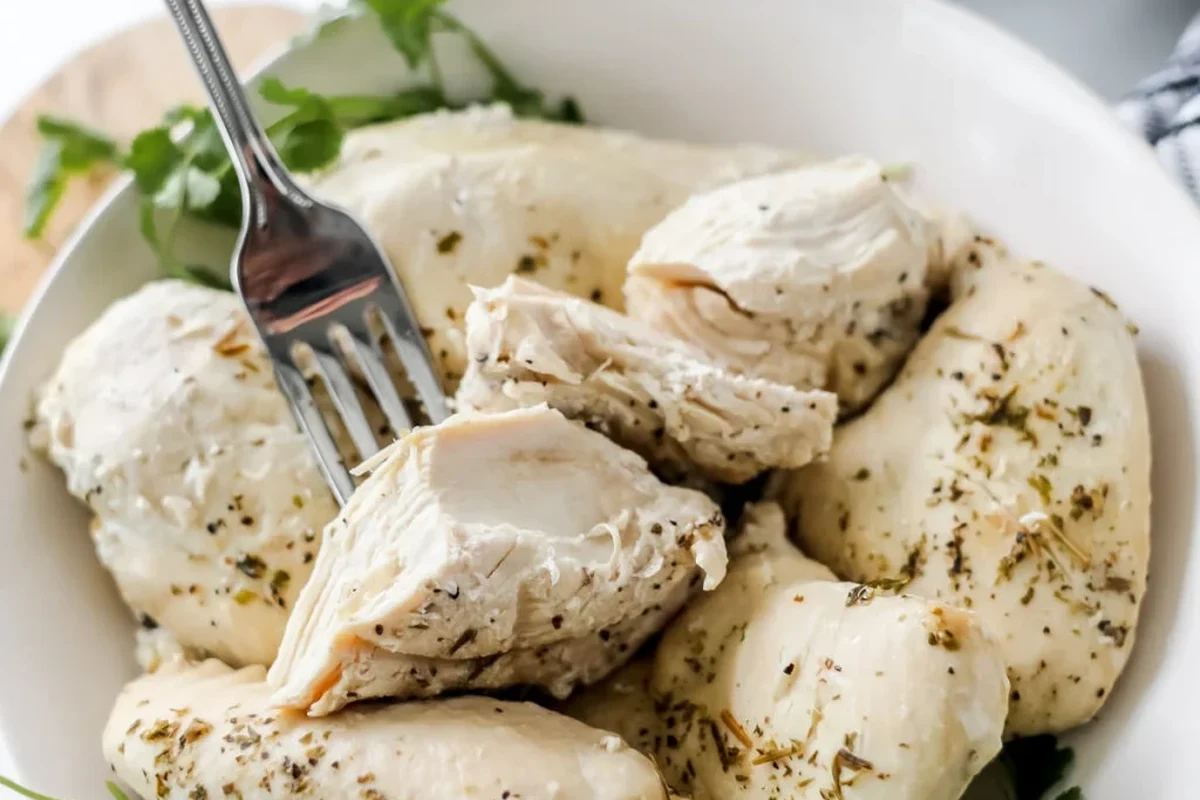
Yes, you can safely cook frozen chicken breast in a pressure cooker by adjusting the cook time to account for the frozen state of the meat. As of 2026, home cooks increasingly rely on this method to streamline their meal prep and handle last-minute dinner emergencies.
Why the Pressure Cooker is a Game-Changer for Busy Weeknights
The modern kitchen is often a race against the clock. When you forget to pull meat from the freezer, the pressure cooker acts as a safety net. Unlike the Ninja Woodfire Grill chicken breast recipe, which requires thawed meat for even charring, the pressure cooker thrives on moisture and steam, making it uniquely suited to handle frozen proteins directly from the ice. This method preserves the texture of the chicken while ensuring it reaches food-safe temperatures quickly.
Understanding the Science of Pressure Cooking Frozen Poultry
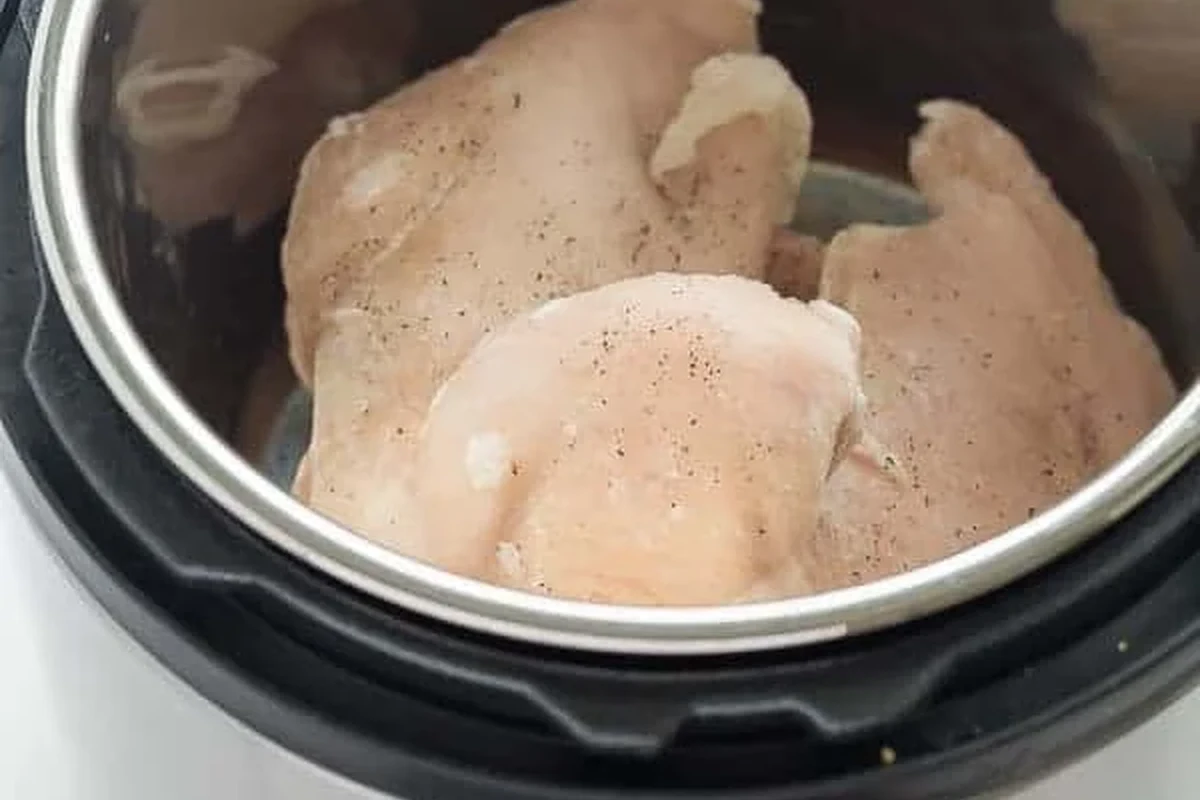
How Pressure and Steam Penetrate Dense Frozen Meat
Pressure cooking works by raising the boiling point of water, creating an environment of superheated steam. When you place a frozen chicken breast in this environment, the steam immediately begins to transfer heat into the dense, icy muscle fibers. Because the pressure is contained, the heat distribution is more uniform than in a standard oven, preventing the exterior from drying out while the interior remains frozen.
The Critical Role of Liquid Ratios for Proper Pressure Build
Always ensure you have at least one cup of thin liquid (water, broth, or juice) in the pot. The pressure cooker needs this liquid to generate the steam necessary to seal the valve and start the timer.
Essential Equipment and Safety Guidelines
Choosing the Right Pressure Cooker Size for Frozen Batches
For most standard recipes, a 6-quart pressure cooker is ideal. However, if you are cooking large, thick breasts, ensure they do not exceed the “fill” line. Overcrowding the pot can prevent the pressure from building correctly, leading to uneven cooking.
Food Safety 101: Navigating the Danger Zone
According to safety guidelines, you must cook chicken to an internal temperature of 165°F (74°C). Always use a calibrated digital meat thermometer to verify doneness, as timing alone is an estimate.
Why You Should Never Use the “Slow Cook” Function for Frozen Chicken
Never use the “Slow Cook” or “Keep Warm” settings for frozen meat. These settings heat the food too slowly, keeping the chicken in the “Danger Zone” (between 40°F and 140°F) for an extended period, which encourages rapid bacterial growth. Always use the “Pressure Cook” or “Manual” high-pressure setting.
The BelizeanRecipe Method: Step-by-Step Cooking Guide
Ingredients You Need for Optimal Flavor and Texture
Beyond the chicken, you need a high-quality liquid base. While water works, chicken bone broth or a splash of lime juice adds depth. If you enjoy Caribbean-inspired meals, consider how you might eventually incorporate these into a Belizean chicken tacos recipe once the meat is cooked and shredded.
The Precise Timing Chart: Cooking Times Based on Chicken Thickness
| Thickness | Cook Time (High Pressure) |
|---|---|
| Thin (under 1 inch) | 8–10 minutes |
| Standard (1–1.5 inches) | 12–15 minutes |
| Extra Thick/Large | 15–18 minutes |
Flavor Infusion Strategies for Frozen Chicken
Best Aromatics and Liquids to Replace Plain Water
Plain water is a missed opportunity. Use chicken stock, coconut milk, or even a diluted marinade to infuse flavor during the pressure cycle. Adding garlic cloves, onion wedges, or bay leaves to the liquid will permeate the meat as the steam circulates.
The “Post-Cook” Sear: Adding Color and Texture Back to the Meat
Pressure-cooked chicken can look pale. For a better presentation, remove the cooked chicken and sear it in a hot skillet with a little oil or butter for 1-2 minutes per side. This is an excellent step if you plan to serve the chicken alongside a Belizean curry chicken recipe base or just want a golden crust.
Common Mistakes and Troubleshooting
- No thawing required
- Retains moisture well
- Very fast
- Pale appearance
- Can be rubbery if overcooked
What to Do If the Chicken Is Still Pink in the Center
If your thermometer reads below 165°F, simply reseal the pot and cook on high pressure for an additional 2–3 minutes. The pressure will build much faster the second time because the pot is already hot.
Storage, Reheating, and Meal Prep Efficiency
Safe Cooling and Refrigeration Guidelines
Store cooked chicken in an airtight container in the refrigerator for up to 3-4 days. Always cool the chicken to room temperature (no longer than two hours) before moving it to the fridge to prevent bacterial growth.
Best Practices for Reheating Without Losing Moisture
To reheat, add a small amount of water or broth to the container. Use a microwave-safe cover to trap the steam, which prevents the meat from becoming stringy or dry.
Final Verdict: Is Pressure Cooking Frozen Chicken Right for You?
Pressure cooking frozen chicken is the ultimate tool for efficiency. While it lacks the browning of a grill or oven, its ability to produce safe, tender, and flavorful meat from a frozen state makes it a must-have skill for 2026 home cooks. It is best for meal prep, shredding for soups, or quick weeknight dinners where convenience is the priority.
Common Questions
Yes, the Instant Pot is a brand of pressure cooker and follows the exact same safety and timing principles.
No, there is no need to rinse the chicken, which can spread bacteria; simply place the frozen breasts directly into the pot.
Always use at least one cup of liquid to ensure the pot can generate enough steam to build pressure.
Using seasoned broth or adding aromatics like garlic and herbs to the liquid will infuse flavor into the meat as it cooks.
Yes, but you must significantly increase the cooking time, usually by another 5–10 minutes, as bone-in meat is denser.
Frequently Asked Questions
Yes, it is safe as long as the chicken reaches an internal temperature of 165°F. The pressure cooker’s high heat effectively cooks the meat through.
Yes, you should add approximately 25-50% more time compared to thawed chicken. Always verify doneness with a meat thermometer.
It is best to arrange them in a single layer. If you must stack them, separate them with a piece of parchment paper to ensure heat reaches all surfaces.
Rubbery texture is usually caused by overcooking. Reduce your pressure time by a minute or two for your next batch.
It is not recommended, as vegetables cook much faster than chicken. They will turn to mush before the chicken is safe to eat.
Properly stored in an airtight container, it will remain safe to eat for 3 to 4 days in the refrigerator.