Fruit Salad with Lime and Honey

This refreshing fruit salad combines fresh tropical produce with a zesty lime and honey glaze. It is a perfect, light side dish that highlights natural flavors and simple preparation.
A Belizean-style fruit salad with lime and honey is a vibrant, refreshing dish that highlights the natural sweetness of tropical produce. By balancing acidic citrus with the floral notes of honey, this simple preparation elevates everyday fruit into a sophisticated side or dessert perfect for any 2026 gathering.
- Flavor Balance: Lime provides the necessary acidity to brighten the natural sugars of the tropical fruit.
- Preparation: Use uniform, bite-sized pieces to ensure an even distribution of the lime-honey glaze.
- Texture Care: Add the dressing just before serving to prevent the fruit from becoming overly soft.
- Food Safety: Store in an airtight container and consume within 24 hours to maintain peak freshness.
What is a Belizean-Style Fruit Salad with Lime and Honey?
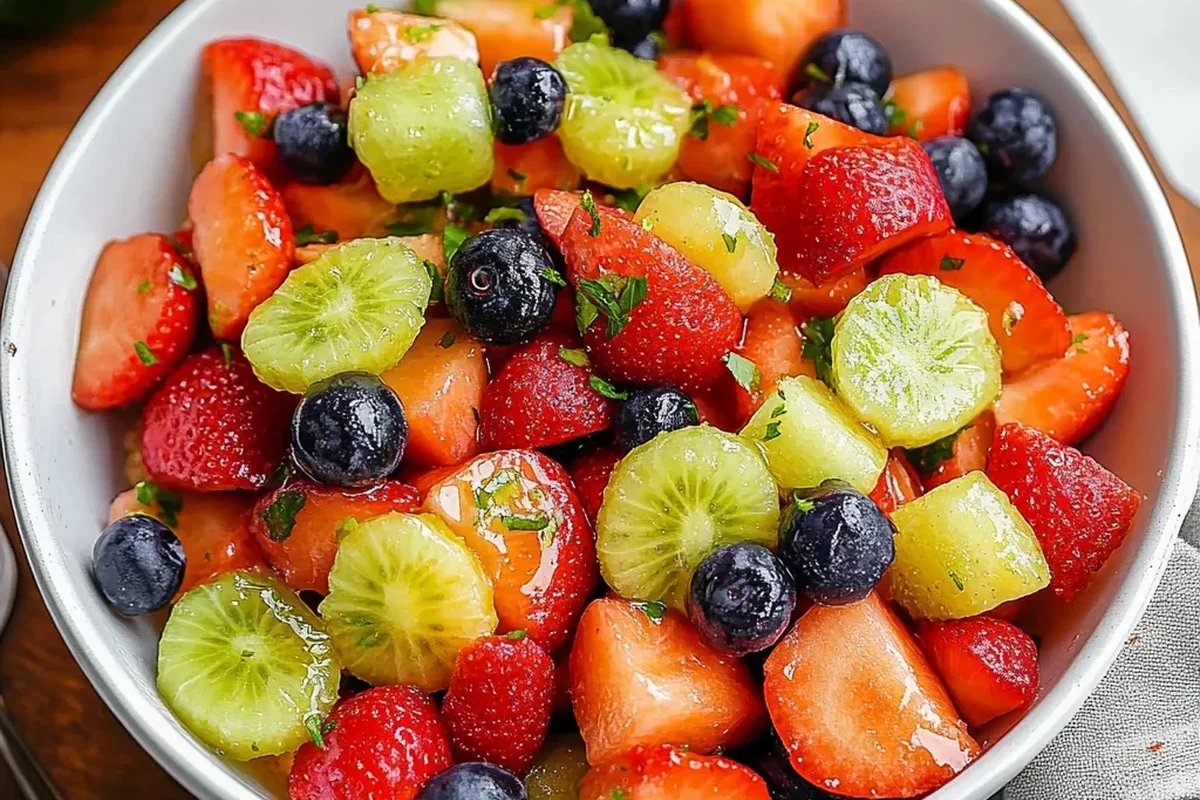
In Belize, fruit salad is more than just a mix of chopped produce; it is a celebration of the country’s rich agricultural bounty. A traditional Belizean approach favors a light, zesty dressing that enhances the fruit rather than masking it. The combination of freshly squeezed lime juice and local honey creates an emulsion that clings to the fruit, providing a bright, tangy contrast to the inherent sugars found in tropical varieties like papaya, mango, and pineapple.
Why This Refreshing Combination Works: The Flavor Profile
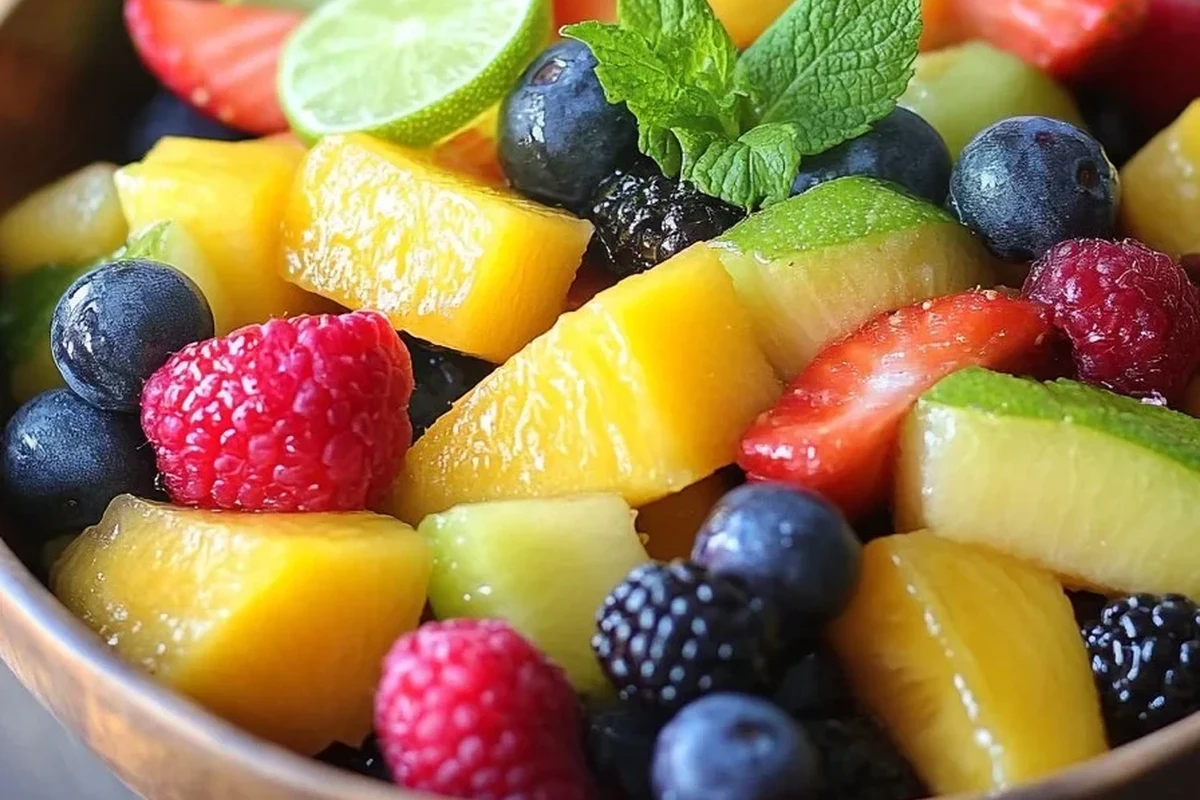
The success of this dish lies in the science of flavor balancing. Fruit inherently contains natural sugars and varying levels of acidity. When you add lime juice, the citric acid sharpens the flavor profile, making the fruit taste “brighter” and more defined. Honey acts as a bridge, tempering the sharp acidity of the lime while adding a subtle, floral complexity that granulated sugar cannot replicate. This interplay makes every bite refreshing and prevents the palate from becoming fatigued by sweetness.
Essential Ingredients for the Perfect Tropical Fruit Salad
Selecting the Best Seasonal Fruits
To achieve the best results, prioritize fruits that are at their peak ripeness. In Belize, this often means utilizing whatever is in season, such as juicy papaya, sweet mango, watermelon, or pineapple. Avoid fruits that are overly soft or bruised, as they will quickly lose their structure once dressed.
- Select firm, ripe fruit to ensure texture consistency.
- Use high-quality, organic honey for the best flavor profile.
- Ensure limes are at room temperature to maximize juice extraction.
- Prepare your space to prevent cross-contamination between fruit and other kitchen items.
The Role of Fresh Lime Juice and Organic Honey
Always use freshly squeezed lime juice rather than bottled alternatives, which often contain preservatives that alter the flavor. The zest of the lime can also be incorporated to provide a deeper aromatic quality. Pair this with a high-quality organic honey; if the honey is too thick, gently warm it in a double boiler to help it emulsify seamlessly with the lime juice.
Optional Enhancements: Mint, Chili, and Toasted Coconut
For those looking to expand the flavor profile, consider adding fresh mint leaves for a cooling effect or a pinch of ground chili powder for a subtle, savory heat—a common technique in many tropical regions. Toasted coconut flakes can also add a delightful crunch and a nutty undertone that complements the sweetness of the fruit.
Step-by-Step Preparation: How to Craft the Perfect Salad
Wash all fruit thoroughly under clean, running water. Peel and slice the fruit into uniform, bite-sized pieces to ensure an even distribution of flavor in every spoonful.
In a separate small bowl, whisk together the lime juice and honey until the honey is fully dissolved. This creates a light dressing that will coat the fruit evenly.
Gently toss the fruit with the dressing. Allow the salad to sit for 10–15 minutes before serving to let the flavors meld, but do not let it sit for hours, as the fruit may begin to macerate and release too much liquid.
Techniques for Preventing Fruit Browning
The acid in the lime juice is your best defense against oxidation in fruits like apples or bananas. By coating the cut surfaces of these fruits in the lime-honey dressing immediately after slicing, you inhibit the enzymatic browning process, keeping the salad looking fresh and appetizing.
The Belizean Kitchen Guide: Substitutions and Variations
If you prefer a different profile, consider swapping lime for lemon or even a dash of orange juice for a sweeter, more mellow citrus note. For vegans, agave nectar or maple syrup serve as excellent, plant-based alternatives to honey. If you are monitoring sugar intake, reduce the amount of honey and focus on using naturally sweeter fruits like melon or berries to maintain the desired flavor balance.
If you are preparing this for a large group, keep the dressing separate and toss it just before serving to maintain the best texture and prevent the fruit from becoming soggy.
Common Mistakes to Avoid When Making Fruit Salad
Managing Acid Balance
It is easy to over-pour the lime juice, which can make the salad unpleasantly tart. Start with a small amount of lime juice and taste your mixture before adding more. Remember that the acidity levels of individual fruits vary, so adjust your dressing accordingly.
Always wash your hands and cutting boards thoroughly before handling produce. Keep your fruit salad refrigerated at or below 40°F (4°C) to prevent bacterial growth if you are not serving it immediately.
Food Safety, Storage, and Shelf Life
Fruit salad is highly perishable. Once cut, fruit should be consumed within 24 hours for the best quality. Always store the salad in an airtight container in the refrigerator. If you notice any signs of fermentation, strange odors, or excessive mushiness, discard the leftovers immediately. When planning for events, prepare only what you expect to be consumed to minimize food waste.
The Value of Fresh Fruit Salads in Your Daily Diet
Incorporating fresh fruit into your diet is a simple way to increase your intake of vitamins, minerals, and dietary fiber. In Belizean culture, serving a fresh fruit salad is a staple for gatherings because it is naturally hydrating and provides a light, nutritious alternative to heavier desserts. It is a versatile dish that fits perfectly alongside grilled proteins or as a standalone breakfast component.
- Use uniform, bite-sized fruit for better texture.
- Emulsify lime and honey separately before dressing.
- Refrigerate promptly and consume within 24 hours.
- Balance your ingredients to avoid excessive tartness or sweetness.
Final Recommendations for the Perfect Serving
For an elevated presentation, serve your fruit salad in chilled glass bowls. If you are hosting a brunch or a midday event, garnish with a sprig of fresh mint or a dusting of shredded coconut to provide a professional, finished look. By focusing on fresh, seasonal ingredients and careful preparation, you can master this simple yet delicious Belizean classic in your own kitchen throughout 2026 and beyond.
Frequently Asked Questions
While fresh fruit is preferred for better texture, you can use thawed frozen fruit. Note that thawed fruit often releases more water, so drain it well before tossing with the dressing.
Fruit salad should be stored in an airtight container in the refrigerator and consumed within 24 hours. Beyond this, the texture will degrade and the fruit may begin to ferment.
Mushiness usually occurs if the fruit is over-ripe or if the salad has been sitting in the dressing for too long. To avoid this, keep the dressing separate until you are ready to serve.
Yes, simply substitute the honey with agave nectar, maple syrup, or a vegan-friendly liquid sweetener. The flavor profile will remain similar and delicious.
The citric acid in the lime juice is the key. Toss your cut apples in the lime and honey dressing immediately after slicing to create a protective barrier against oxidation.
Perishable food should not be left out for more than two hours at room temperature. For outdoor gatherings, keep the bowl nestled in a larger bowl of ice to maintain a safe temperature.