Olive Oil on Chicken Breast

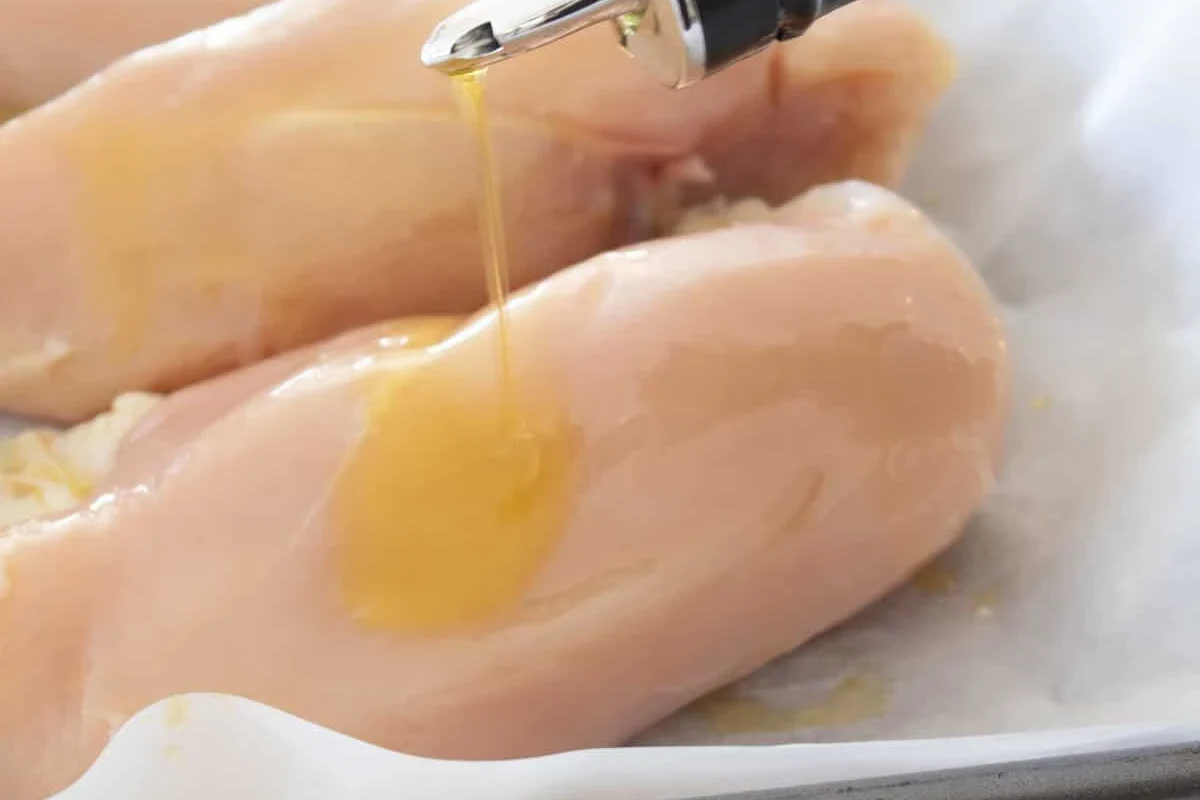
Rubbing olive oil onto chicken breast creates a protective barrier that ensures even heat distribution and a perfect golden sear. This simple technique is the secret to locking in moisture and preventing the lean meat from drying out during the cooking process.
Using olive oil on chicken breast is a fundamental technique for achieving a golden-brown sear while locking in essential moisture. By acting as a heat conductor and flavor carrier, this simple pantry staple transforms lean, quick-cooking poultry into a tender, restaurant-quality meal.
- Moisture barrier: Olive oil prevents the chicken’s juices from evaporating too quickly in the pan.
- Heat distribution: It fills the gaps between the meat and the pan for a uniform sear.
- Flavor carrier: The oil effectively holds herbs and spices against the meat surface.
- Temperature check: Always use a meat thermometer to ensure the chicken reaches 165°F (74°C).
The Secret to Succulent Poultry: Why Olive Oil is Essential for Chicken Breast

Chicken breast is notoriously lean, meaning it lacks the intramuscular fat found in cuts like thighs or wings. Without a protective layer, the high heat required to cook chicken quickly evaporates the moisture within the muscle fibers, often leading to a dry or chalky texture. Applying olive oil creates a barrier that helps regulate heat transfer across the surface of the meat.
Whether you are preparing a simple weeknight dinner or a more complex dish like our Belizean BBQ chicken recipe, the addition of oil is the difference between a lackluster piece of meat and one that is succulent and flavorful. It serves as the primary medium for browning, allowing the Maillard reaction—the chemical process that creates a savory, golden crust—to occur evenly.
What Makes Olive Oil the Ideal Partner for Chicken Breast?
The Science of Moisture Retention and Heat Distribution
When you coat chicken breast with olive oil, you aren’t just adding fat; you are ensuring uniform contact between the meat and the cooking surface. In a pan, microscopic air gaps exist between the chicken and the metal. Olive oil fills these gaps, conducting heat directly into the meat. This ensures the breast cooks evenly, preventing the edges from overcooking before the center reaches a safe internal temperature.
Flavor Enhancement: Why Quality Matters for Your Marinade
Olive oil is an excellent carrier for fat-soluble compounds found in herbs, spices, and aromatics. When you mix garlic, rosemary, or chili flakes into olive oil, the oil extracts the essential oils from these ingredients and holds them against the surface of the chicken. This creates a flavor infusion that penetrates the outer layers of the breast during the searing process.
For the best results, bring your chicken breast to room temperature for about 15–20 minutes before cooking. Cold chicken hitting a hot, oiled pan can cause the surface temperature to drop, leading to steaming rather than searing.
Selecting the Right Olive Oil: Extra Virgin vs. Refined for High-Heat Cooking
Understanding Smoke Points and Flavor Profiles
There is a common misconception that olive oil should not be used for high-heat cooking. While extra virgin olive oil (EVOO) has a lower smoke point than refined oils, it is perfectly suitable for standard pan-searing. The “smoke point” is simply the temperature at which the oil begins to break down and smoke. For most home-cooked chicken dishes, you are rarely exceeding the 375°F to 400°F range, which is well within the threshold for high-quality olive oils.
Buyer’s Guide: What to Look for on the Label in 2026
When shopping in 2026, look for bottles that indicate a “harvest date” rather than just a “best by” date. Freshness is key to flavor. Opt for “Cold Pressed” or “First Cold Press” labels, which indicate the oil was extracted without excessive heat or chemicals, preserving the integrity of the fatty acids and antioxidants.
The Ultimate Olive Oil-Rubbed Chicken Breast Recipe
Ingredients for the Perfect Infusion
- 2 boneless, skinless chicken breasts
- 2 tablespoons high-quality extra virgin olive oil
- 1 teaspoon kosher salt
- 1/2 teaspoon cracked black pepper
- Optional aromatics: minced garlic, dried oregano, or smoked paprika
Step-by-Step Cooking Technique: Achieving the Golden Sear
Common Mistakes That Lead to Dry, Rubbery Chicken
The most frequent error is overcrowding the pan. If you put too many breasts in at once, the pan temperature drops, and the chicken releases its own juices, causing it to “boil” in its own liquid. Additionally, failing to let the meat rest for 5 minutes after cooking allows the juices to spill out immediately upon slicing, resulting in a dry mouthfeel.
Pro-Level Techniques: Marinating, Brining, and Emulsifying
How Long Should You Marinate with Olive Oil?
While oil helps flavor, it does not tenderize meat like an acid (such as lemon juice or vinegar) would. Marinating with olive oil for 30 minutes to 2 hours is sufficient. If you are preparing something more complex, like our zucchini chicken parmesan recipe, ensure the oil-based marinade is balanced with enough salt to help tenderize the fibers.
Creating Flavor-Forward Emulsions and Herb-Infused Oils
You can create a “compound oil” by blending olive oil with fresh herbs and citrus zest. This emulsion can be brushed over the chicken during the final minute of cooking to add a burst of fresh flavor without burning the delicate herb particles.
Safety First: Handling, Storage, and Preventing Cross-Contamination
Always wash hands and surfaces thoroughly after handling raw chicken. Use a dedicated meat thermometer to verify the internal temperature reaches 165°F (74°C) as recommended by food safety authorities.
Proper Storage of Olive Oil and Prepped Chicken
Store your olive oil in a cool, dark place away from the stove’s heat. Light and heat are the primary enemies of oil quality. If you have seasoned the chicken with oil in advance, keep it in the refrigerator in an airtight container for no longer than 24 hours to maintain the best quality.
Troubleshooting Common Issues: When the Chicken Doesn’t Turn Out Right
Managing Flare-ups and Smoke During Pan-Searing
If your pan begins to smoke excessively, your heat is likely too high. Simply turn the flame down and move the pan off the burner for a few seconds. Using a higher-quality, refined olive oil can also provide a higher smoke point if you prefer searing at very high temperatures.
Solving the “Soggy Skin” or Uneven Cooking Dilemma
If the chicken is uneven in thickness, use a meat mallet to pound the thickest part of the breast to an even thickness before cooking. This ensures the entire piece finishes at the same time, preventing the thin end from becoming overcooked and rubbery while waiting for the thick end to reach 165°F.
Value and Versatility: Why This Technique Remains a Culinary Staple
Mastering the use of olive oil on chicken breast is a foundational skill that applies to countless dishes, from quick weeknight stir-fries to elaborate oven-roasted meals. It is an affordable, healthy, and highly effective way to elevate lean protein. Whether you are crafting a simple meal or experimenting with new flavors, similar to our approach in the chicken zucchini meatballs recipe, the fat you choose is a vital ingredient in the final success of your dish.
Using olive oil on chicken breast is the most reliable way for home cooks to achieve a consistent, golden sear and juicy texture. By focusing on proper heat management and quality ingredients, you can turn a basic chicken breast into a reliable staple that fits any occasion, from casual family dinners to more refined culinary efforts.
Common Questions
Olive oil has a higher smoke point than butter, making it more stable for the medium-high heat required to sear chicken without burning.
Yes, a light coating of olive oil helps achieve a crispy exterior on air-fried chicken breast, similar to pan-searing.
Higher quality extra virgin olive oil provides better flavor, but any olive oil you have on hand will work for the technical purpose of searing.
Use just enough to lightly coat the chicken; a tablespoon per breast is usually sufficient to avoid excess grease.
It is difficult to judge doneness by sight alone; a digital meat thermometer is the only way to ensure safety and prevent overcooking.
Frequently Asked Questions
Yes, you can. Extra virgin olive oil has a high enough smoke point for standard stovetop searing and adds a superior flavor profile compared to refined oils.
Always let your chicken rest for at least 5 minutes before slicing. This allows the juices to redistribute throughout the meat, keeping it moist.
Rubbery chicken is usually caused by overcooking or cooking at a temperature that is too low, which causes the meat to steam rather than sear.
Marinating for 30 minutes to 2 hours is ideal. Longer marination isn’t necessary for fat absorption and won’t significantly improve the texture.
According to food safety guidelines, chicken must reach an internal temperature of 165°F (74°C) to be safely consumed.
Store olive oil in a cool, dark cabinet away from the stove. Exposure to light and heat causes the oil to oxidize and lose its flavor.