Nabeyaki Udon Recipe: Authentic Japanese One-Pot Noodle Soup

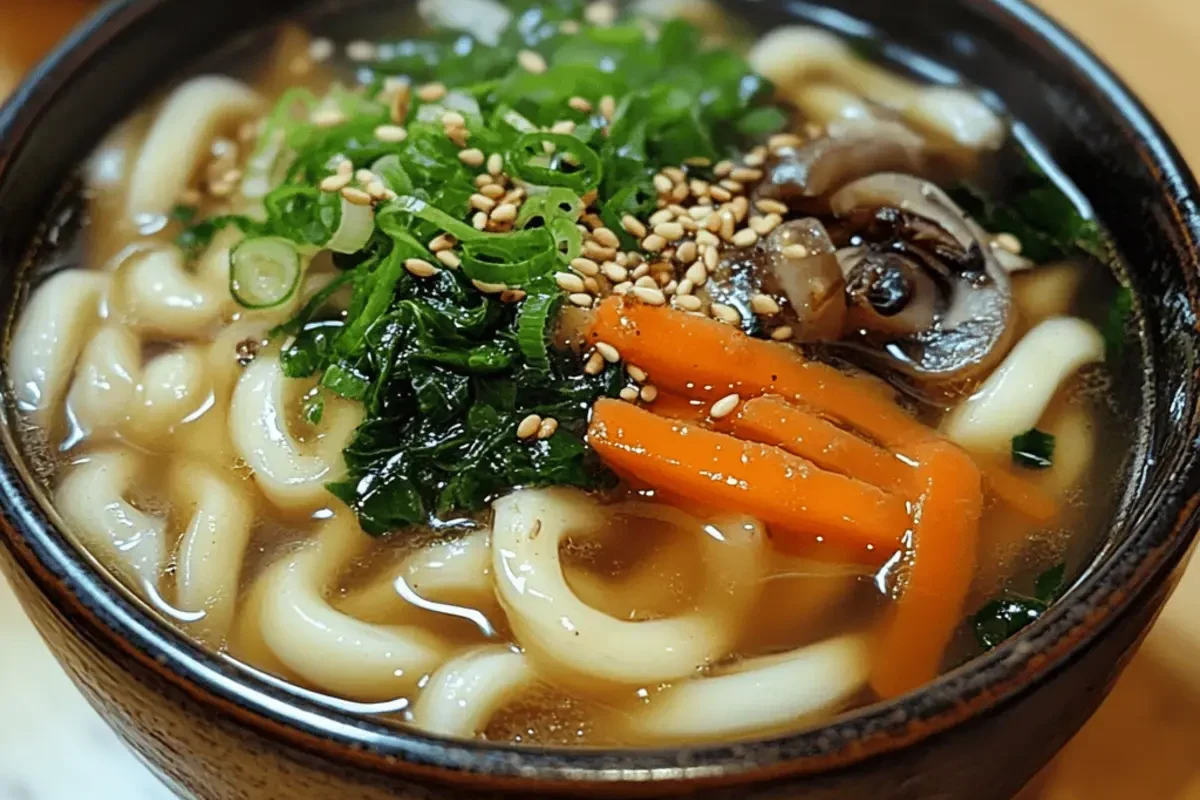
Nabeyaki udon is a classic Japanese comfort dish consisting of thick, chewy wheat noodles simmered in a savory dashi-based broth, served directly in an earthenware pot. It is a quintessential “one-pot” meal that combines proteins, vegetables, and noodles into a single, steaming bowl of umami-rich goodness.
- Dashi Foundation: Always prioritize a quality dashi base, as it provides the essential umami flavor.
- Noodle Choice: Frozen udon noodles offer the most authentic, chewy texture compared to dried versions.
- One-Pot Method: Simmer ingredients together to allow the flavors to meld, but watch the timing to.
- Food Safety: Ensure chicken reaches 165°F and handle raw eggs with care to avoid cross-contamination.
What is Nabeyaki Udon? The Ultimate Comfort Bowl Explained
The Origins and Cultural Significance of Nabeyaki Udon
The name “Nabeyaki” literally translates to “pot-cooked.” Historically, this dish was designed to be prepared and served in the same donabe (earthenware pot), which retains heat exceptionally well. In Japanese culinary tradition, it is considered a hearty meal, often enjoyed during colder months to provide warmth and sustenance. Unlike other noodle soups where toppings are added at the end, the ingredients in nabeyaki udon are simmered together, allowing the flavors of the chicken, shrimp, and vegetables to infuse the broth.
Why This Dish Fits the Modern Belizean Kitchen
While Japanese in origin, the concept of a “one-pot” stew resonates deeply with Belizean home cooking, where simplicity and hearty, flavor-forward soups are staples. As we look at kitchen trends in 2026, the move toward efficient, nutritious, and comforting meals makes nabeyaki udon an excellent addition to any weekly rotation. It utilizes accessible ingredients and offers a flexible framework for home cooks to incorporate local greens or preferred proteins.
Essential Ingredients for an Authentic Nabeyaki Experience
The Dashi Foundation: Creating the Perfect Umami Base
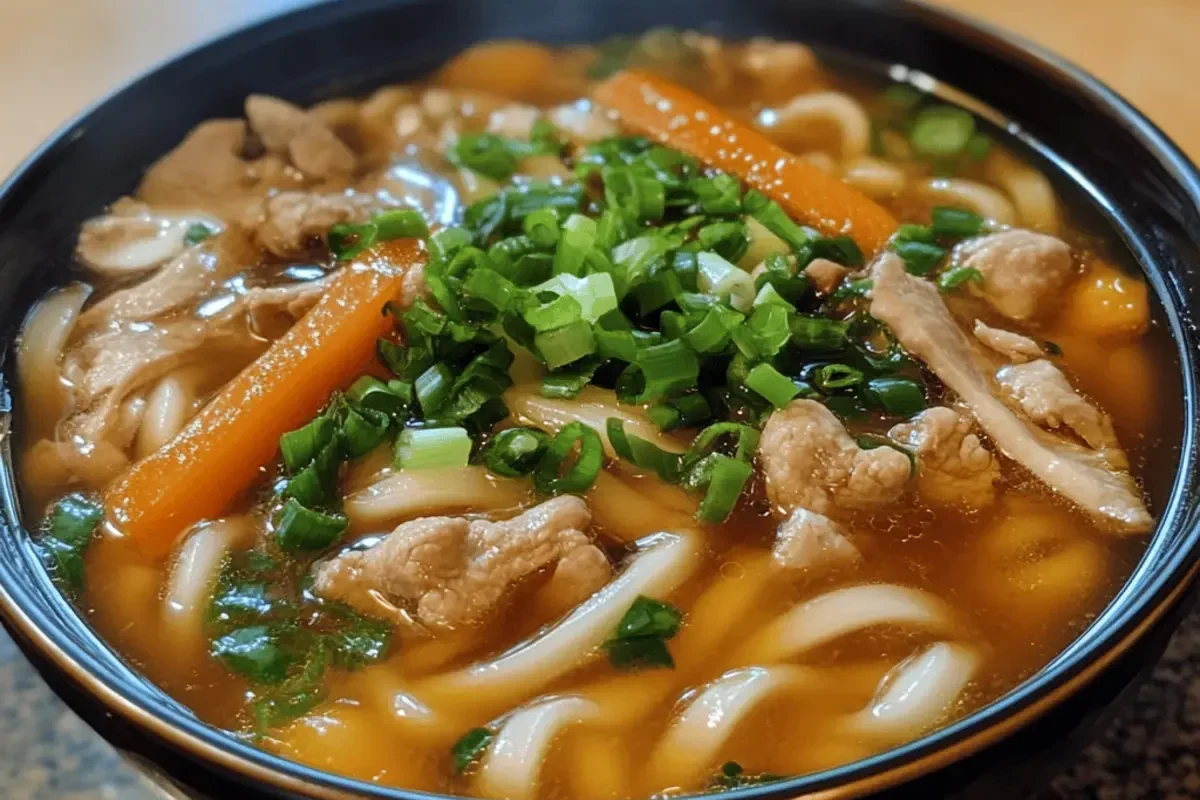
The soul of any udon soup is dashi, a stock made from kombu (dried kelp) and katsuobushi (dried bonito flakes). This base provides the signature umami depth that defines the dish. In 2026, many home cooks utilize high-quality dashi granules or tea-bag style dashi packets to save time without sacrificing the essential savory profile.
Noodles and Proteins: Selecting the Right Udon and Toppings
Udon noodles are thick, wheat-based, and chewy. You can purchase them either frozen, vacuum-sealed (pre-cooked), or dried. Frozen udon is widely regarded by enthusiasts as having the best texture. Common proteins include shrimp tempura, sliced chicken thigh, fish cake (kamaboko), and shiitake mushrooms. Nabeyaki Udon Soup
Vegetable Add-ins and Garnish Essentials
Traditional garnishes include scallions, mitsuba (Japanese parsley), and a poached egg. For added texture, consider sliced carrots, spinach, or bok choy. These vegetables should be added near the end of the cooking process to maintain their color and slight crunch.
Step-by-Step Cooking Guide: Mastering the Nabeyaki Technique
Preparation: Pre-cooking Noodles and Searing Proteins
If using frozen or vacuum-sealed noodles, give them a quick rinse or blanch in boiling water to loosen them before adding them to the soup. If using chicken, sear the slices in a pan first to develop a golden-brown crust; this adds a depth of flavor that boiling alone cannot achieve.
The Assembly: Layering Flavors in the Donabe or Pot
Key Techniques for Achieving the Perfect Poached Egg
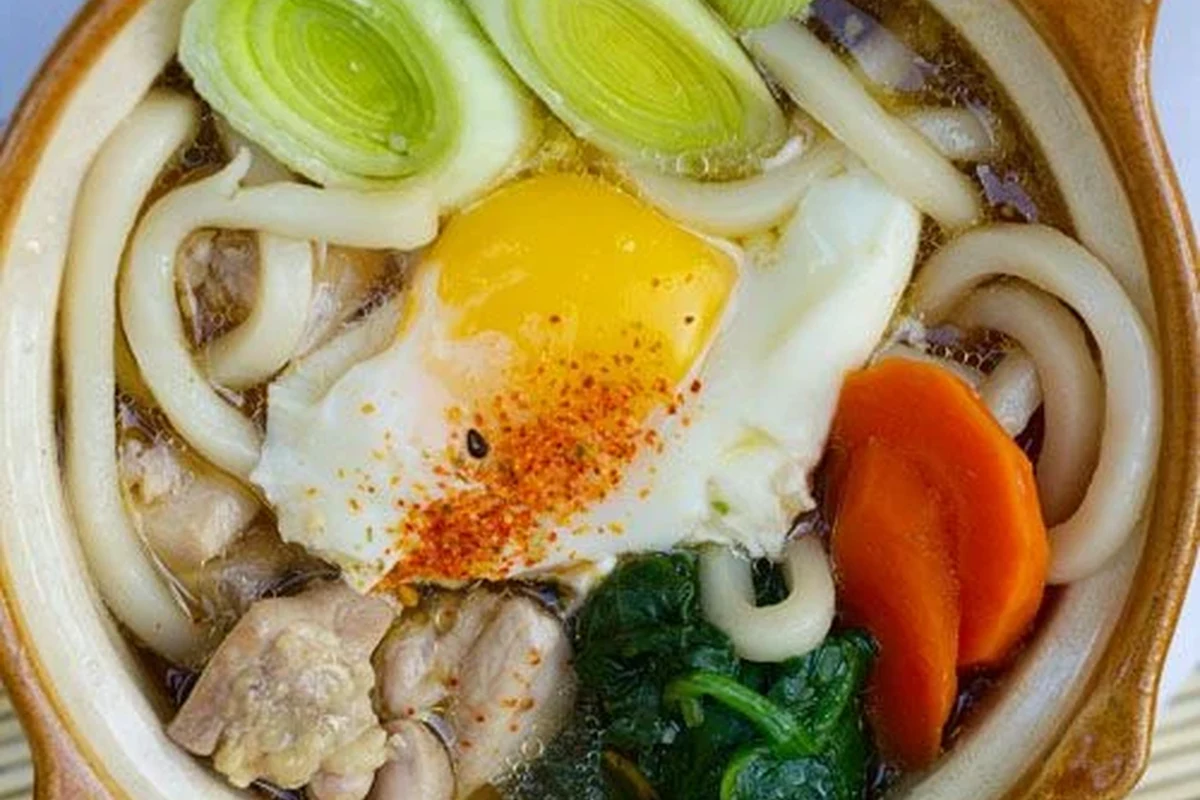
The egg is the crowning glory of nabeyaki udon. To ensure it doesn’t overcook, crack it directly into the pot during the last 2-3 minutes of simmering. If you prefer a firmer yolk, cover the pot; if you prefer it runny, leave it uncovered and keep a close eye on the white, which should be opaque and set.
Buying Guide: Sourcing Quality Ingredients in 2026
How to Choose High-Quality Udon Noodles
Look for noodles that are opaque and firm to the touch. Avoid vacuum-sealed packs that look overly mushy or have excess liquid in the bag. In 2026, many local international markets stock premium frozen udon, which usually provides the superior “bouncy” texture required for a professional-grade bowl.
Kombu and Bonito Flakes: What to Look for at the Market
Choose thick pieces of kombu with a white, powdery substance on the surface—this is mannitol, which provides the umami, not mold. For bonito flakes, check the expiration date, as they lose their aromatic quality quickly once exposed to air.
- Extremely comforting
- High protein potential
- One-pot cleanup
- Requires specific ingredients
- Timing is delicate
Common Mistakes and Troubleshooting Your Soup
Avoiding Overcooked Noodles: Timing is Everything
Udon noodles continue to cook in the residual heat of the broth. Always undercook them slightly during the boiling stage so they reach the perfect “al dente” texture once they land in the hot soup.
Balancing the Broth: Adjusting Saltiness and Sweetness
If the broth tastes too salty, add a splash of water or a tiny bit more mirin. If it lacks depth, a dash of soy sauce or a pinch of salt can help brighten the flavor. Taste as you go, and remember that the ingredients will release their own flavors as they simmer.
Preventing Cloudy Broth: Tips for Culinary Clarity
To keep your dashi clear, never let the kombu boil vigorously; remove it just before the water reaches a rolling boil. Similarly, skim any foam that rises to the surface during the cooking process to maintain a clean appearance.
Food Safety, Storage, and Reheating Best Practices
Safe Handling of Raw Seafood and Eggs
Ensure that chicken reaches a safe internal temperature of 165°F (74°C) as verified by a food thermometer. When using raw eggs, ensure they are fresh and stored refrigerated at or below 40°F (4°C).
Proper Storage: Keeping Leftovers Fresh
Leftover soup should be cooled quickly and placed in an airtight container in the refrigerator. Consume within 2-3 days for the best quality. Nabeyaki Udon Soup
Value and Versatility: Why Nabeyaki Udon Belongs in Your Rotation
- Focus on high-quality dashi to build the flavor foundation.
- Use frozen udon for the best texture.
- Layer proteins and cook them directly in the broth.
- Always prioritize food safety when handling raw eggs and chicken.
Customization: Adapting the Recipe for Dietary Preferences
The beauty of this dish is its adaptability. You can easily make a vegetarian version by using konbu-only dashi and tofu instead of chicken or shrimp. Feel free to add seasonal vegetables available in local Belizean markets, such as bok choy or even sweet potato slices.
Frequently Asked Questions
Yes, you can use dried udon, but be aware that the texture will be slightly firmer and less chewy than frozen udon. Follow the package instructions for boiling times carefully to avoid overcooking.
The chicken is safe to eat when it reaches an internal temperature of 165°F (74°C). You can verify this using a food thermometer inserted into the thickest part of the meat.
Absolutely. Dashi can be made in advance and stored in the refrigerator for up to 3 days. It is a great way to speed up the cooking process on busy weeknights.
Kamaboko (fish cake) can be omitted without ruining the dish. You can substitute it with extra tofu, sliced mushrooms, or even thin strips of cooked white fish.
It is generally better to remove the egg before storing, but if you do reheat it, ensure the entire soup reaches a simmer to maintain food safety. Be aware that the egg will continue to cook and become hard-boiled.
While a traditional donabe (earthenware pot) is ideal for heat retention and presentation, any heavy-bottomed pot will work perfectly fine for creating the soup.