Lentils Taste

Lentils have a mild, earthy, and nutty flavor that acts as a neutral base for a wide variety of spices and aromatics. Their taste is largely defined by the variety used, with some types offering a creamy texture and others maintaining a firm, distinct bite.
Lentils are one of the most versatile staples in any kitchen, valued for their ability to absorb flavors while providing a satisfying, hearty base. Understanding the nuances of how lentils taste allows you to elevate simple sides, salads, and plant-forward meals with minimal effort.
- Neutral profile: Lentils readily absorb the flavors of broths, herbs, and spices.
- Texture variety: Choose black lentils for salads and red lentils for creamy soups.
- No soaking: Unlike larger beans, lentils cook quickly without the need for pre-soaking.
- Acid balancing: Always finish lentil dishes with lime or vinegar to cut through the earthiness.
What Do Lentils Taste Like? A Comprehensive Guide to This Versatile Pulse
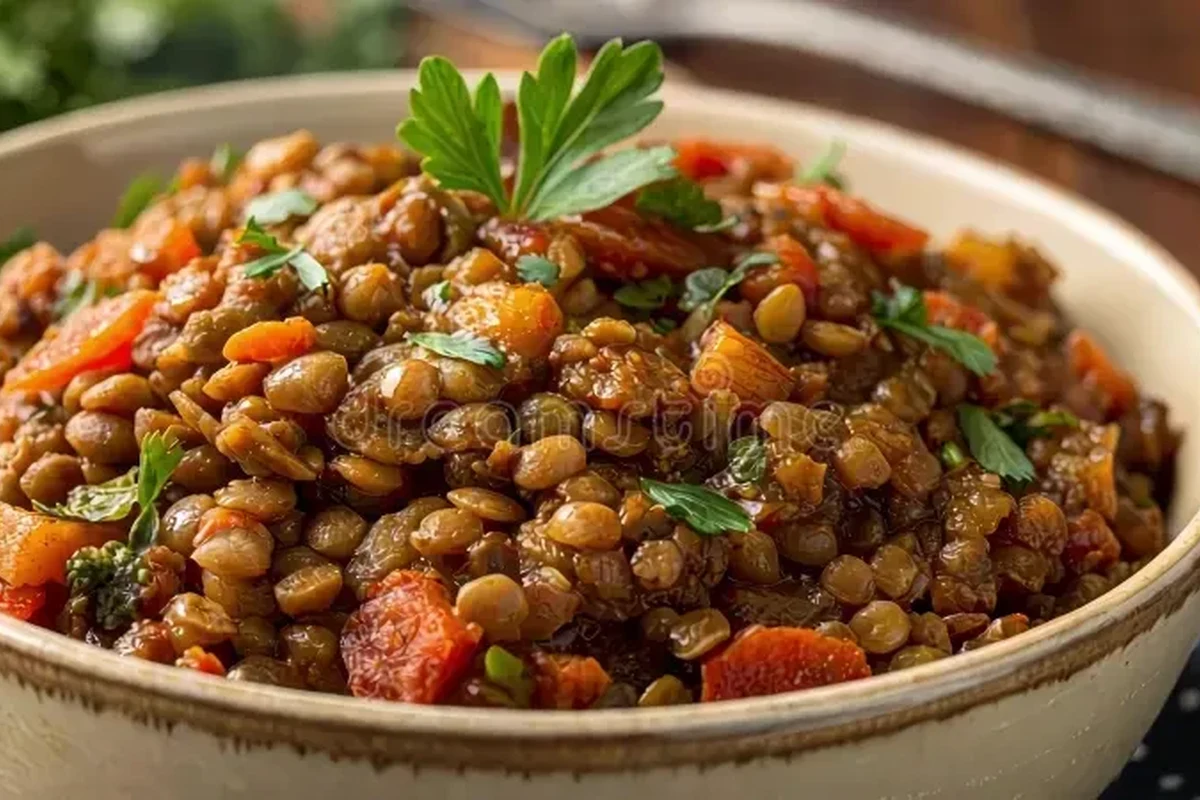
At their core, lentils have a mild, earthy, and nutty flavor profile. Because they are relatively neutral, they act as a culinary chameleon, readily soaking up the aromatics, broths, and spices they are cooked with. Whether you are looking for a tender, creamy texture or a firm, bite-sized component for a salad, the variety of lentil you choose will dictate both the flavor intensity and the mouthfeel of your final dish.
What Are Lentils and Why Are They a Staple in Belizean-Inspired Cooking?
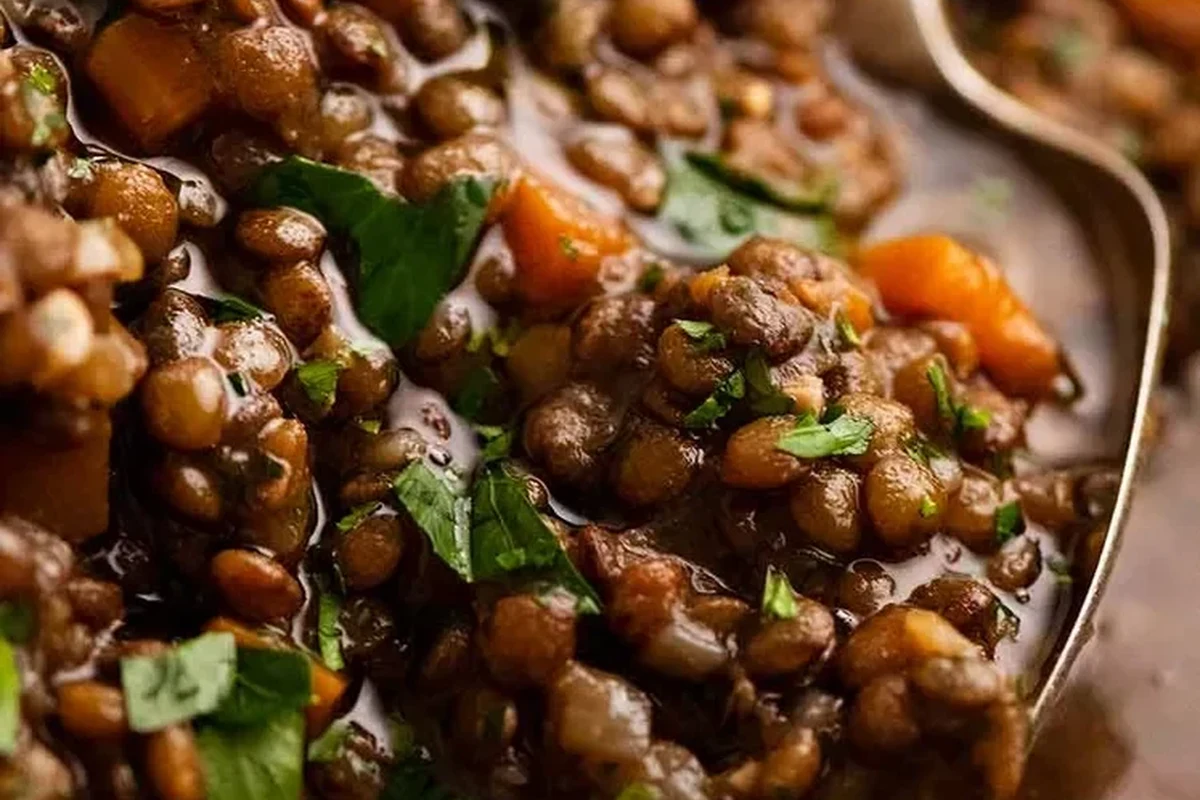
Lentils are small, lens-shaped legumes that have been a cornerstone of global diets for centuries. In the context of Belizean-inspired cooking, where legumes like red kidney beans are traditional, lentils offer a quicker-cooking, nutrient-dense alternative that integrates seamlessly into Caribbean-influenced flavor profiles. They pair beautifully with ingredients like coconut milk, habanero peppers, cilantro, and warm spices, making them an excellent addition to everyday soups and sides.
Lentils are technically pulses, which are the dried seeds of legume plants. They are prized for their long shelf life and ability to be stored for extended periods without losing their structural integrity or flavor.
Flavor Profiles: Decoding the Taste of Different Lentil Varieties
Brown and Green Lentils: The Earthy All-Rounders
Brown and green lentils are the most common varieties found in pantries. They possess a robust, earthy flavor that holds up well during long simmer times. Because they tend to soften significantly, they are ideal for dishes where you want the lentils to thicken the liquid, such as stews or curries.
Red and Yellow Lentils: The Mild, Creamy Choice
Red and yellow lentils are the fastest-cooking varieties. They have a slightly sweeter, milder flavor compared to their darker counterparts. When cooked, they lose their shape quickly, creating a smooth, purée-like consistency that is perfect for thickened soups or traditional dhal.
Black (Beluga) Lentils: The Nutty, Firm Texture
Often called “Beluga” lentils due to their resemblance to caviar, these are the firmest variety. They maintain their shape even after cooking, offering a distinctively nutty, rich flavor. They are the top choice for cold salads where texture is paramount.
Culinary Applications: How Lentils Transform Your Kitchen
Lentils as a Foundation for Hearty Soups and Stews
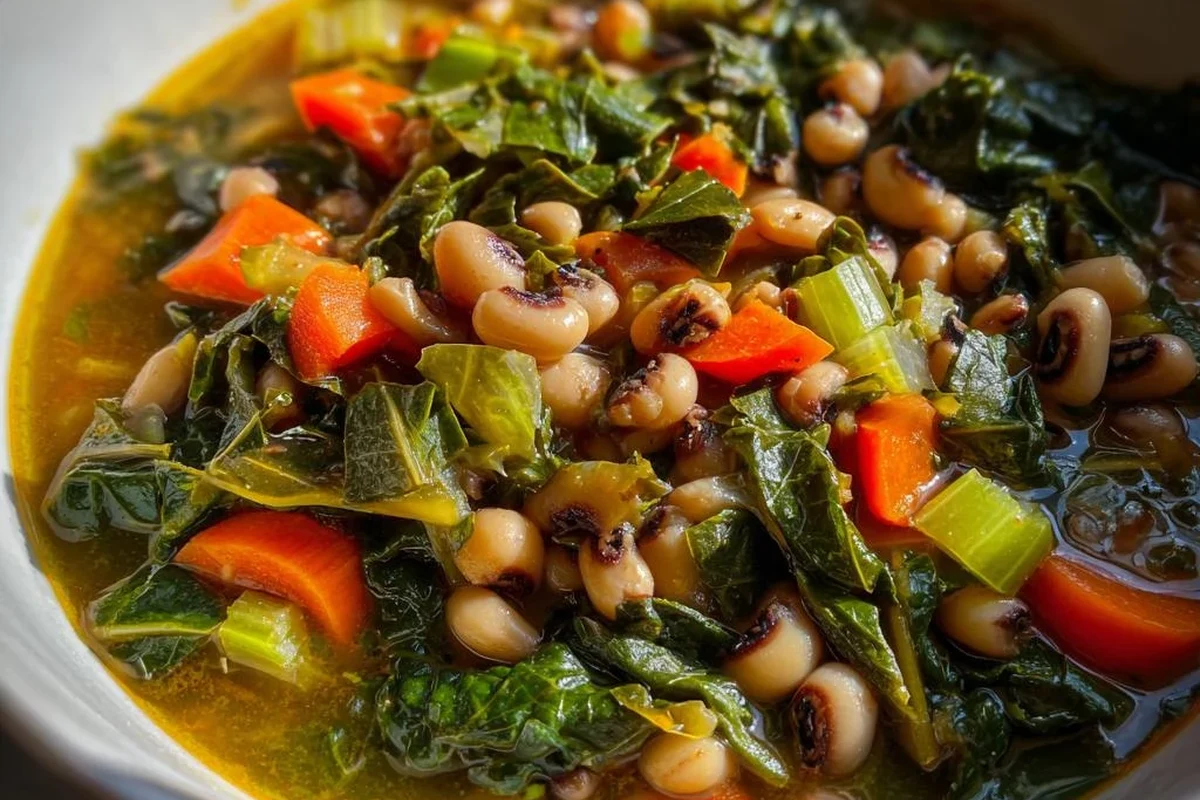
Because lentils break down to release starches, they naturally thicken liquids. Using brown lentils in a vegetable-rich stew creates a heartier mouthfeel without needing heavy creams or flours. In 2026, many home cooks are finding that building these soups with a base of mirepoix and fresh herbs highlights the natural nuttiness of the pulse.
Building Texture: Using Lentils in Salads and Sides
To avoid mushy salads, always opt for black or French green lentils. These hold their “bite” even when tossed with acidic dressings. By cooking them in seasoned broth rather than plain water, you infuse the lentils with flavor from the inside out before they ever reach the salad bowl.
The Meatless Alternative: Using Lentils for Protein-Rich Vegetarian Meals
Lentils serve as an excellent substitute for ground meat in dishes like tacos, shepherd’s pie, or bolognese. Their earthy, savory profile mimics the depth of meat when paired with umami-rich ingredients like tomato paste, soy sauce, or mushrooms.
- Cook lentils in vegetable or chicken stock instead of water to boost their inherent flavor.
- Always season your lentils with salt *after* they have softened to ensure the skins remain tender.
- Rinse lentils thoroughly in a fine-mesh sieve under cold running water to remove dust and debris before cooking.
Selecting and Sourcing: What to Look for at the Market
Assessing Quality: Visual Cues for Fresh Lentils
High-quality lentils should be uniform in size and color. Avoid packages that contain excessive amounts of broken pieces, stones, or shriveled, discolored seeds. While lentils are a shelf-stable item, older lentils (several years past their harvest date) may take significantly longer to soften during cooking.
Storage and Shelf Life: Keeping Your Pantry Staples Fresh
Store your dry lentils in an airtight container in a cool, dark, and dry pantry. While they are safe to eat indefinitely if kept dry, for the best flavor and texture, aim to use them within 12 months of purchase. In 2026, many bulk-buy enthusiasts utilize glass jars to keep moisture out and maintain freshness.
Mastering the Technique: How to Cook Lentils Perfectly Every Time
The Golden Ratio: Water-to-Lentil Measurements
A standard starting ratio is 3 cups of liquid to 1 cup of dry lentils. If you prefer a soupier consistency, you can increase the liquid to 4 cups. Remember that the type of lentil matters; red lentils absorb liquid much faster than black or brown varieties.
Common Cooking Mistakes and How to Avoid Them
The most frequent error is overcooking, resulting in a grainy mash. Always test for doneness a few minutes before the recommended time on the package. Another mistake is forgetting to rinse; skipping this step can leave a dusty, metallic aftertaste that masks the delicate nuttiness of the legume.
While lentils are generally safe, always inspect them for small stones or debris that can occasionally make it into bulk packaging. Pick through the dry lentils on a light-colored plate before rinsing to ensure nothing undesirable makes it into your pot.
Flavor Enhancers: Ingredients That Complement Lentil Dishes
Aromatic Foundations: Onion, Garlic, and Belizean Spices
Lentils thrive when sautéed with “the trinity” of aromatics: onion, garlic, and celery or peppers. In Belizean-inspired cooking, adding a hint of cumin, allspice, or a dash of hot sauce provides a vibrant contrast to the earthy base.
Acid Balancing: Adding Brightness to Earthy Flavors
Because lentils are heavy and earthy, they need acid to “wake up” the palate. A squeeze of fresh lime juice or a splash of apple cider vinegar added just before serving can transform a dull dish into a bright, balanced meal.
Fats and Finishers: Elevating the Mouthfeel
A swirl of high-quality olive oil or a knob of butter stirred in at the end adds a luxurious, velvety finish. For a tropical twist, coconut milk can be used to simmer the lentils, resulting in a rich, creamy side dish that pairs perfectly with rice.
Troubleshooting Your Lentil Dishes
Fixing Mushy Lentils: How to Rescue Overcooked Pulses
If your lentils have turned to mush, don’t discard them! Use an immersion blender to turn them into a creamy soup, or stir them into a vegetable curry where their texture won’t be as noticeable. You can also fold them into a batch of mashed potatoes or rice to add protein.
Adding Flavor: What to Do When Your Lentils Taste Bland
If your dish is lacking depth, it likely needs more salt, acid, or fat. Ensure you have properly salted the cooking liquid, and consider adding a spoonful of tomato paste or a splash of soy sauce to introduce umami. Fresh herbs like cilantro or parsley can also provide a necessary flavor boost.
Nutritional Value and Sustainability: Why Lentils Belong in Your Diet
Lentils are a powerhouse of plant-based protein and dietary fiber. They are also an environmentally friendly crop, as they require less water than many other protein sources and help improve soil health by fixing nitrogen. Integrating them into your weekly meal plan is a sustainable choice that supports both personal nutrition and planetary health.
Final Verdict: Are Lentils the Ultimate Pantry Essential?
Lentils are an indispensable pantry staple for any home cook. Their neutral flavor profile, combined with their quick cooking time and nutritional benefits, makes them the perfect ingredient for everything from rapid weeknight soups to sophisticated grain salads. While different varieties require slight adjustments in technique, the learning curve is minimal. By mastering the balance of aromatics and acid, you can ensure that your lentils are always a highlight of the meal rather than just a filler.
Frequently Asked Questions
Lentils are similar to beans in their earthy, mild profile, but they generally have a nuttier flavor and a more delicate texture. Unlike many beans, they do not require soaking and cook much faster.
Flavor preference is subjective; black (Beluga) lentils are prized for their rich, nutty taste, while red lentils are favored for their creamy sweetness. Most cooks keep a variety on hand to suit different dish requirements.
To reduce the earthiness, cook your lentils with aromatic vegetables like onions and garlic, and always finish the dish with a splash of acid like lime juice or vinegar. Adding fresh herbs like cilantro also helps brighten the flavor.
No, lentils do not require soaking because of their small size. Simply rinse them thoroughly under cold water to remove any debris before adding them to your pot.
When stored in an airtight container in a cool, dry place, dry lentils can last for several years. For the best culinary results and texture, try to use them within 12 months of purchase.
Yes, their hearty, savory texture makes them an excellent meat substitute in dishes like tacos or stews. Pair them with umami-rich ingredients like tomato paste or soy sauce to replicate the depth of meat.