Boiling a Whole Chicken

Boiling a whole chicken involves simmering the bird in liquid at a low temperature until it reaches an internal temperature of 165°F. This method produces exceptionally tender meat and a flavorful, versatile stock for future meals.
Boiling a whole chicken is a foundational culinary technique that yields succulent, tender meat and a rich, golden broth perfect for countless recipes. By mastering this gentle cooking method, you unlock a versatile base for everything from hearty soups to fresh, protein-packed salads.
- Temperature Control: Always maintain a gentle simmer rather than a rapid boil to keep the meat.
- Safety First: Use a food thermometer to ensure the chicken reaches 165°F in the thickest part.
- Aromatic Infusion: Add onions, garlic, and herbs to the cooking liquid to build a deep, complex.
- Efficient Prep: Use the leftover liquid as a base for soups and stews to maximize your.
What is Boiling a Whole Chicken and Why It’s a Belizean Kitchen Staple
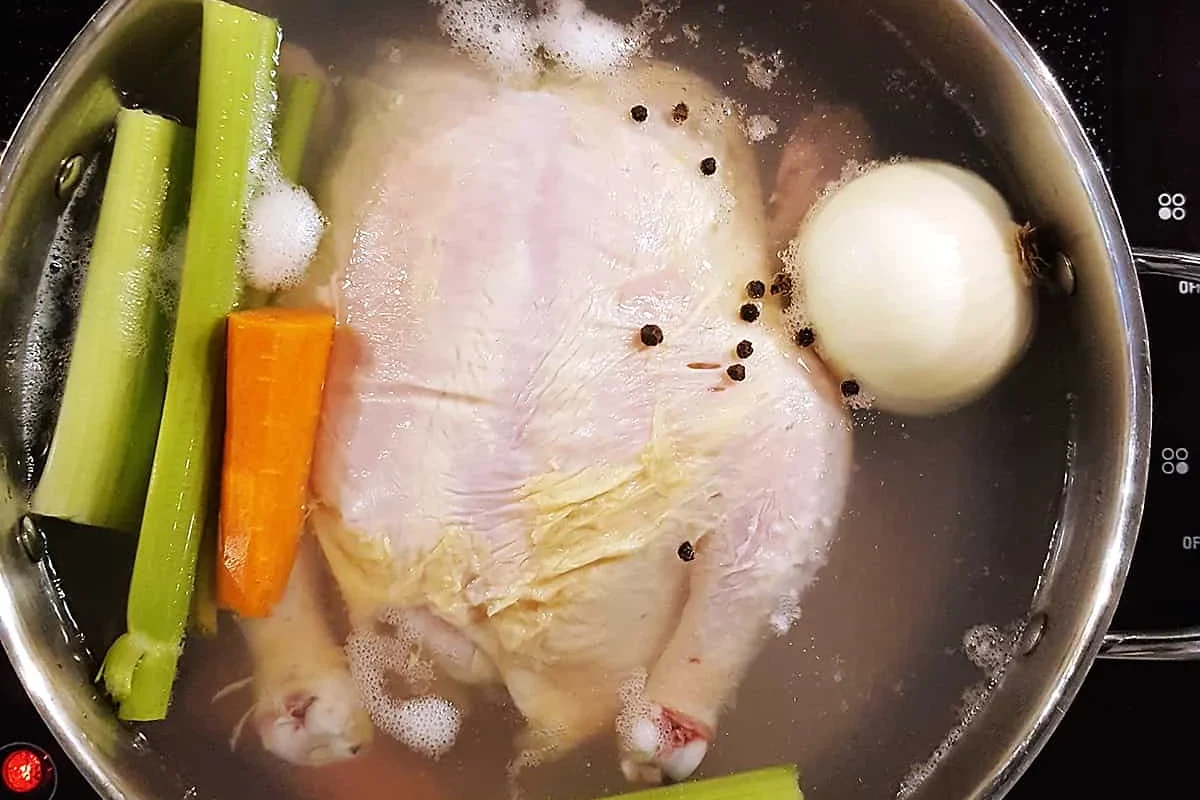
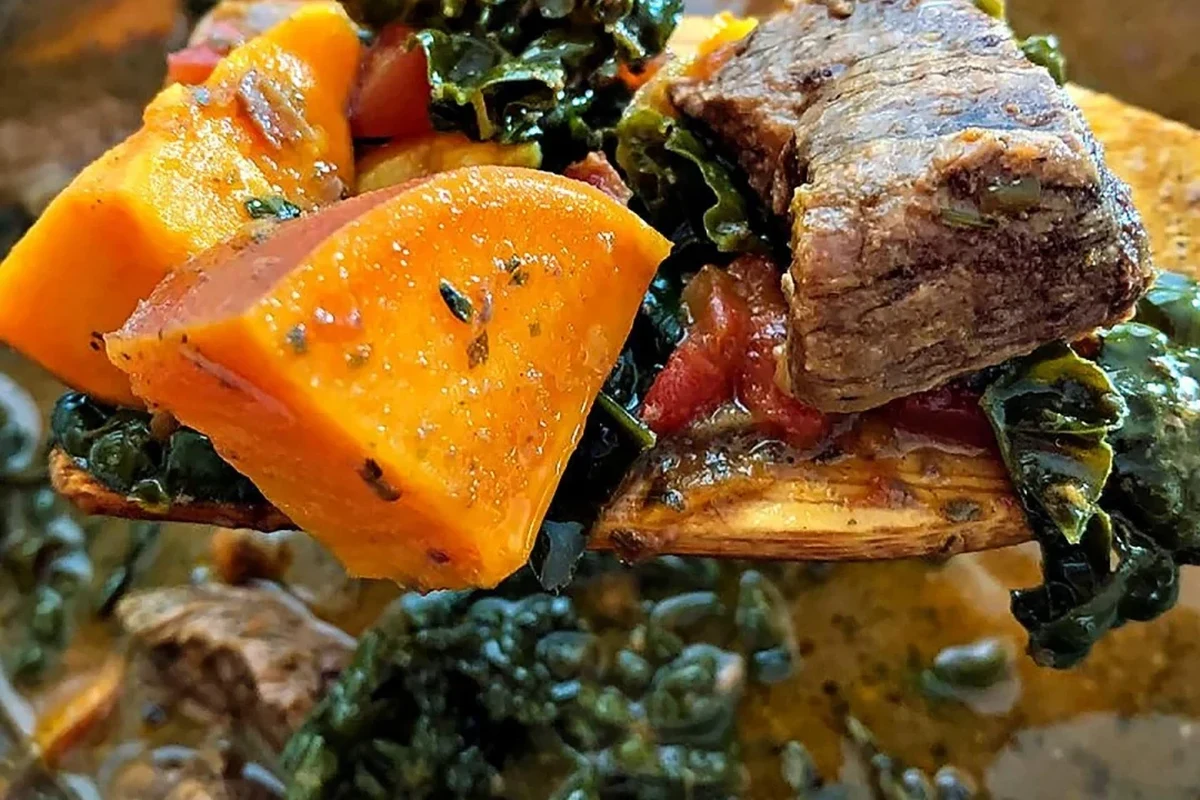
In Belizean kitchens, boiling a whole chicken—often referred to as stewing or simmering—is a time-honored tradition. Unlike roasting, which relies on dry heat to crisp the skin, boiling uses liquid to cook the bird from the inside out. This method is a staple because it serves a dual purpose: it provides tender, shredded meat for daily meals and creates a flavorful foundation for traditional soups, such as a hearty chicken with escarole soup.
The Benefits of the Boiling Method: Why It Beats Roasting for Certain Dishes

While roasting has its place, boiling is the superior choice when your goal is moisture and extraction. It transforms the connective tissues within the bird, resulting in a texture that is nearly impossible to achieve with dry heat alone.
Retaining Moisture and Achieving Fall-Off-the-Bone Texture
Because the chicken is submerged in liquid, it is protected from the drying effects of a hot oven. The steady, low-temperature environment allows the collagen in the joints and muscles to break down slowly. This process ensures that every part of the bird, from the breast to the thighs, remains juicy and tender.
Efficiency and Versatility: From Sunday Soup to Weekday Salads
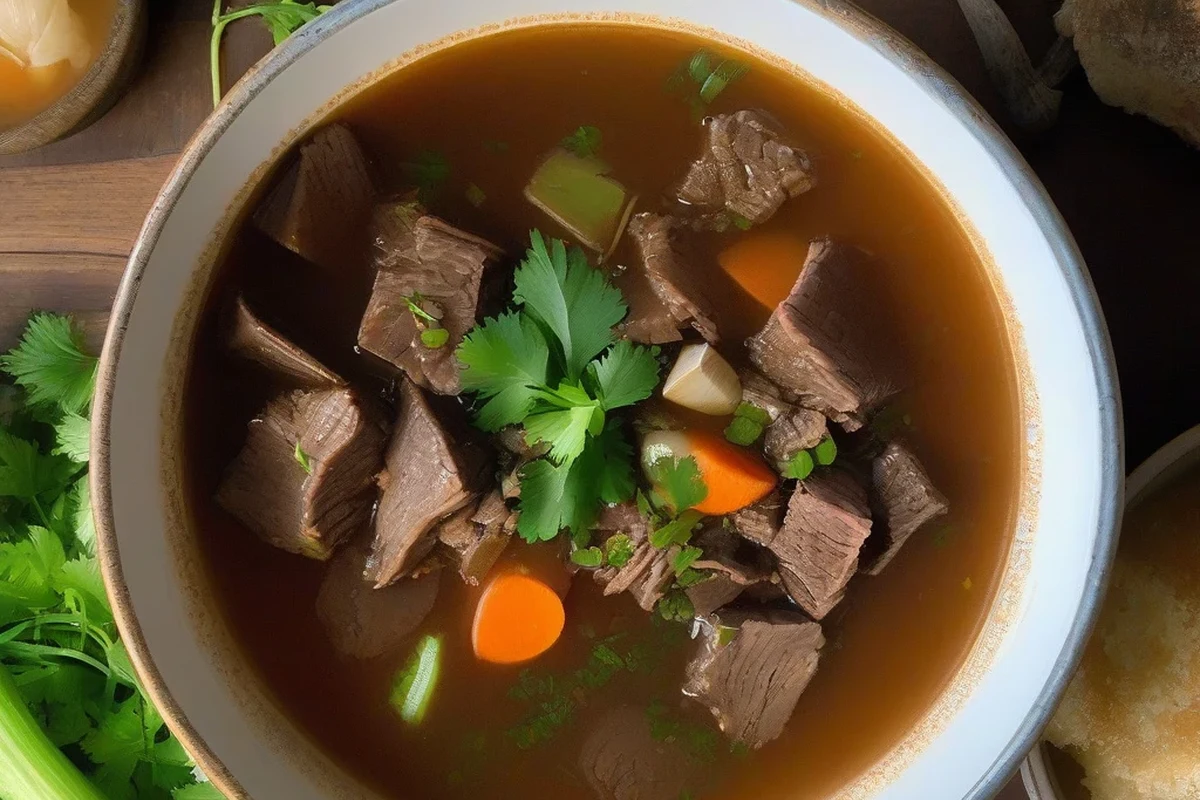
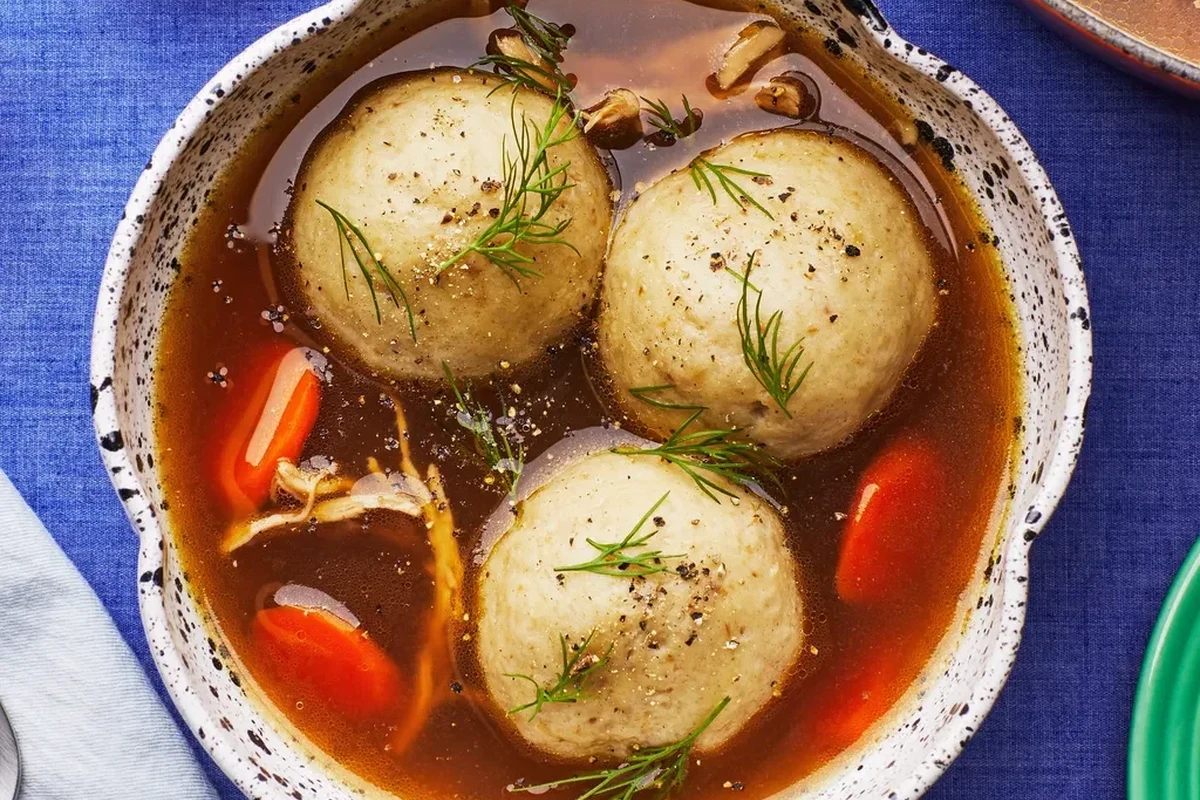
Boiling is incredibly efficient for meal prep. Once cooked, the meat can be easily shredded for quick lunches, while the remaining liquid—now a nutrient-dense stock—can be used as the base for a chicken, leek, and potato soup recipe. This dual-utility approach saves time and reduces waste, making it a favorite for busy households in 2026.
If you find yourself with leftover liquid, strain it and freeze it in portions. Having homemade stock on hand is a game-changer for quick weeknight dinners.
Selecting Your Bird: Buying Guide for the Best Results
Choosing the Right Size and Grade for Your Pot
Select a bird that fits comfortably in your stockpot with at least two inches of clearance at the top. A 3-to-4-pound bird is typically ideal for a standard home kitchen. Ensure the bird is free of freezer burn and that the packaging is intact.
Fresh vs. Frozen: Decision Criteria for the Home Cook
Fresh chicken often offers better texture, but frozen birds are perfectly acceptable if thawed correctly. Always thaw frozen chicken in the refrigerator for 24 to 48 hours before cooking to ensure even heat distribution. Never attempt to boil a partially frozen bird, as this can lead to uneven cooking and potential food safety issues.
Essential Ingredients and Flavor Infusions
The Aromatics: Building a Belizean-Inspired Flavor Profile
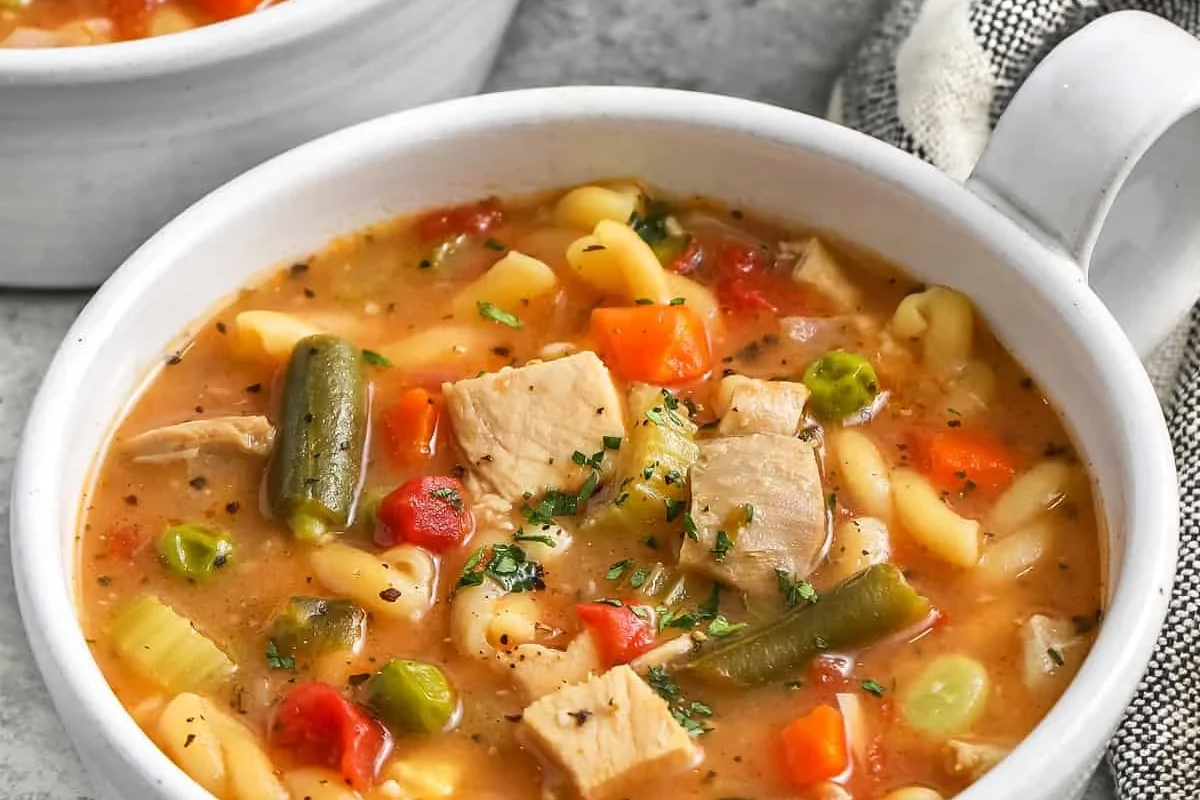
To elevate a simple boiled chicken, aromatics are non-negotiable. Add halved onions, smashed garlic cloves, celery stalks, and carrots to the pot. For a truly authentic touch, include peppercorns, fresh thyme, or even a bay leaf. These ingredients infuse the meat with depth, making it ready for dishes like Zupas chicken noodle soup.
Water vs. Stock: The Liquid Ratio for Maximum Flavor
While water is sufficient, using a pre-made stock can enhance the flavor of the meat. However, water is often preferred if you want to create your own broth from scratch. Ensure the liquid covers the bird by at least an inch to maintain a consistent temperature throughout the cooking process.
Mastering the Technique: Step-by-Step Instructions
Rinse the bird under cold water and remove any giblets from the cavity. Pat the skin dry and trim away excess fat to keep the broth clear.
Place the bird in the pot, add your aromatics, and cover with cold liquid. Bring to a boil, then immediately reduce to a low, gentle simmer. A rolling boil will toughen the meat.
Cook until the internal temperature reaches 165°F (74°C) as measured by a food thermometer in the thickest part of the thigh, without touching the bone.
Always use a digital food thermometer to confirm the chicken has reached a safe internal temperature of 165°F. Relying on visual cues like “clear juices” is not a substitute for accurate temperature verification.
Common Mistakes and How to Avoid Them
The Overcooking Trap: Preventing Stringy, Dry Meat
Many cooks assume that “boiling” means a vigorous, bubbling pot. This is incorrect. Excessive heat will cause the muscle fibers to tighten and lose their moisture. Maintain a “lazy simmer” where only a few bubbles break the surface at a time.
Under-seasoning: The Importance of Salting Your Liquid
Salt your water as you would for pasta. If the liquid is bland, the meat will be bland. Adding salt at the beginning allows the flavors to penetrate the skin and meat during the long cooking process.
Food Safety, Storage, and Reheating Best Practices
Refrigerate cooked chicken within two hours of preparation. Consume within 3-4 days or freeze for up to 4 months for best quality.
Safe Handling: Preventing Cross-Contamination
Wash your hands, cutting boards, and utensils thoroughly with hot, soapy water after handling raw chicken. Never place cooked meat back onto a plate that held raw chicken.
Reheating Tips
To avoid drying out the meat, reheat it gently in a small amount of broth or sauce. Avoid the microwave if possible, as it can cause the protein to become rubbery.
Troubleshooting Your Boiled Chicken
- Skim the foam off the top periodically.
- Keep the heat at a low, steady simmer.
- Caused by a rapid, rolling boil.
- Improperly cleaned bird or excess fat.
Final Recommendation: When to Choose Boiling Over Other Cooking Methods
Boiling is the ultimate choice when you need a multi-purpose ingredient that serves as both a protein and a flavor base. If you are preparing for a week of meal prep or planning to make a large batch of soup, this method is unmatched. For those seeking crispy skin or a charred flavor, roasting or grilling would be a better alternative, but for pure tenderness and efficiency, the gentle simmer remains a staple in any well-equipped kitchen.
Common Questions
The chicken is fully cooked when a food thermometer reads 165°F (74°C) in the thickest part of the thigh.
Yes, adding fresh herbs like thyme, parsley, or bay leaves significantly enhances the flavor of both the meat and the resulting stock.
You should always use a thermometer for safety, as visual cues like clear juices are not reliable indicators of a safe internal temperature.
Yes, ensure the pot is large enough to submerge the chicken completely while leaving enough room to avoid overflowing.
Properly stored in an airtight container, boiled chicken will last in the refrigerator for 3 to 4 days.
Frequently Asked Questions
Typically, a 3-to-4-pound chicken takes about 60 to 90 minutes to cook through. Always use a food thermometer to ensure it reaches an internal temperature of 165°F.
Keep the lid partially on. This helps maintain a consistent temperature while allowing you to monitor the simmer and skim off any foam.
It is not recommended. For safety and even cooking, always thaw the chicken completely in the refrigerator before boiling.
Rubbery meat is usually the result of boiling at too high a temperature. Use a low, gentle simmer instead of a rapid boil.
Skim the foam (impurities) from the surface frequently during the first 20 minutes of cooking. Keeping the heat low also prevents the broth from emulsifying and turning cloudy.
Yes, storing the meat in the broth can help keep it moist. Ensure the broth is cooled quickly and refrigerated properly within two hours.