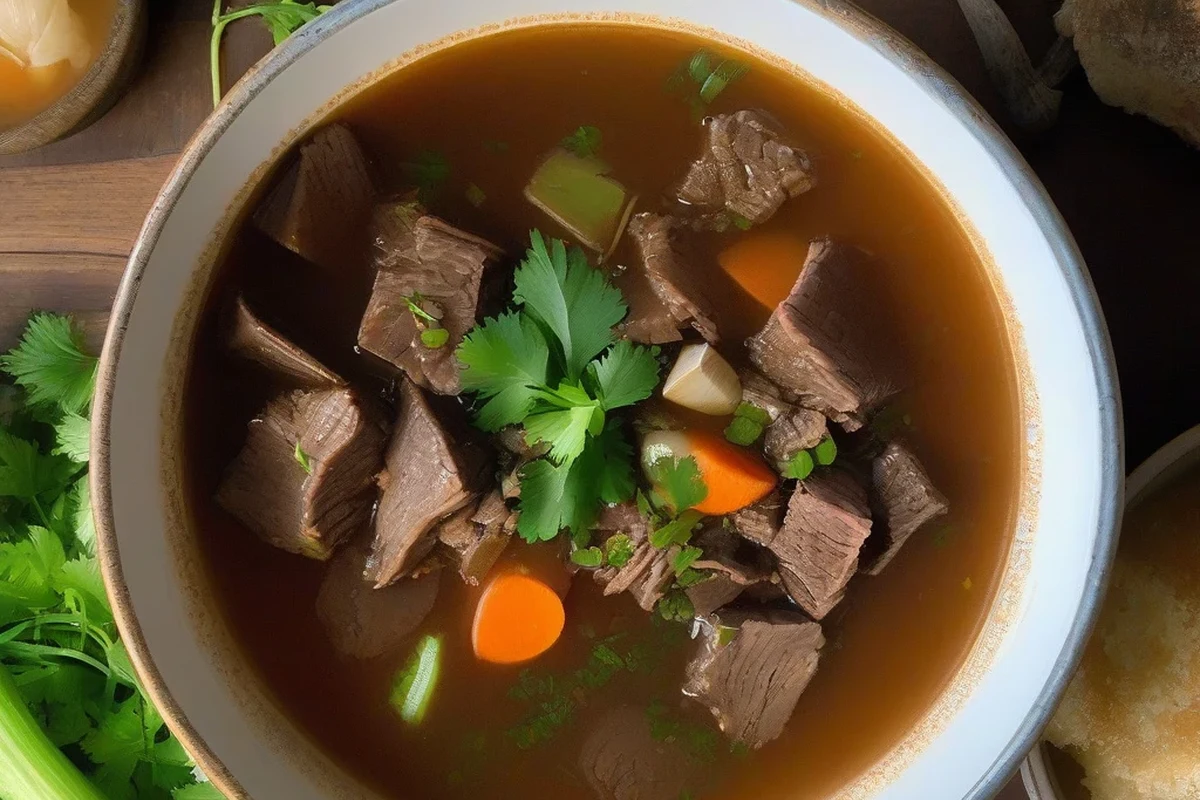
Korean Bean Sprout Soup (Kongnamul-guk) Recipe – Easy Korean Comfort Soup

Korean bean sprout soup, known as kongnamul-guk, is a quintessential comfort dish that relies on the clean, refreshing flavor of soybean sprouts. As of 2026, this soup remains a staple in home kitchens for its incredible simplicity and its reputation as a restorative, light meal.
- The Golden Rule: Always keep the pot uncovered while boiling to prevent a “beany” smell.
- Texture Matters: Cook the sprouts for only 5-7 minutes to maintain their signature snap.
- Broth Foundation: Use a high-quality anchovy-kelp or mushroom stock for the best flavor.
- Storage: Keep the soup in the refrigerator for no more than 3 days for peak.
What Is Korean Bean Sprout Soup (Kongnamul-guk)?

The Essence of Home-Style Korean Comfort
At its heart, kongnamul-guk is a clear, broth-based soup that highlights the earthy sweetness of soybean sprouts. Unlike heavier stews, this dish is prized for being incredibly light on the stomach while providing a deep, savory umami profile. It is often served as a breakfast staple or a post-evening recovery meal because of its hydrating properties and simple, non-greasy nature.
Why It Fits Every Kitchen: Health and Simplicity
The beauty of this soup lies in its minimal ingredient list. It requires very little active prep time, making it an ideal choice for busy weeknights. Because the primary ingredient is affordable and widely available in 2026, it serves as an excellent entry point for home cooks looking to explore authentic Korean flavors without needing an extensive pantry of specialty items.
| korean bean sprout soup |
The Anatomy of the Perfect Kongnamul-guk: Key Ingredients

Selecting the Best Soybean Sprouts
The star of the show is the soybean sprout. When shopping, look for sprouts with firm, white stems and bright yellow heads. Avoid bags that show signs of sliminess or wilting, as these will lose their signature “snap” during the boiling process.
The Foundation: Anchovy-Kelp Stock vs. Vegetarian Alternatives
Traditionally, the depth of this soup comes from a dried anchovy and kelp (dashima) broth. This provides a natural, oceanic saltiness. However, if you prefer a vegetarian version, a high-quality kombu (kelp) stock or a light shiitake mushroom broth offers a comparable depth of flavor that carries the sprout essence beautifully.
Essential Aromatics: Garlic, Scallions, and Chili
Aromatics are what bring the broth to life. Minced garlic provides the pungent base, while scallions add a fresh, grassy finish. For those who enjoy a bit of warmth, a small amount of chili powder (gochugaru) or a finely sliced fresh chili can be added, though many traditionalists prefer the soup in its clear, unadorned form.
Step-by-Step Cooking Technique: Mastering the Texture
The Golden Rule: Avoiding the “Fishy” Smell
A common concern when cooking soybean sprouts is the development of a “beany” or slightly fishy smell. To prevent this, keep the pot uncovered throughout the entire cooking process. Allowing the steam to escape ensures the sulfur compounds in the sprouts dissipate rather than trapping them in the broth.
Achieving the Perfect Snap: Timing the Boil
Texture is everything. The sprouts should be tender but retain a distinct crunch. Overboiling will result in mushy, stringy sprouts that lose their appeal. A general rule is to bring the broth to a boil, add the sprouts, and simmer for approximately 5 to 7 minutes until they reach that perfect balance.
Balancing Flavors: The Role of Soup Soy Sauce and Salt
Use “soup soy sauce” (guk-ganjang) if available, as it is lighter in color and saltier than regular soy sauce, which preserves the clarity of your broth. If you only have standard soy sauce, use it sparingly and finish with sea salt to reach your preferred seasoning level.
Substitution and Customization Guide
- Add thinly sliced tofu to increase protein content.
- For a heartier meal, serve with a side of steamed white rice to mix into the broth.
- If you lack Korean soup soy sauce, a pinch of fish sauce can provide that necessary savory depth.
Real-Kitchen Benefits and Nutritional Value
Why This Soup Is a Staple for Recovery and Wellness
Soybean sprouts are frequently cited in Korean tradition for their high water content and nutrient profile. In a 2026 home kitchen context, this soup is valued for being a hydrating, low-calorie option that feels nourishing without being heavy.
| korean bean sprout soup |
Budget-Friendly Nutrition: Maximizing Value
Few dishes offer as much value as kongnamul-guk. The primary ingredients—sprouts, water, aromatics, and seasoning—are among the most affordable items in the grocery store, making this a reliable staple for meal planning on a budget.
Common Mistakes and Troubleshooting
Why Your Soup Might Taste Bland
If the soup tastes thin, it is usually due to an under-seasoned base. Ensure your stock is sufficiently flavorful before adding the sprouts. A pinch of salt or a drop of fish sauce can often “wake up” the flavors instantly.
Fixing Overcooked or Mushy Sprouts
Unfortunately, texture cannot be recovered once it is lost. To avoid this in the future, set a timer once the water returns to a boil after adding the sprouts, and pull the pot off the heat immediately once the target time is reached.
Food Safety, Storage, and Reheating
Homemade soup can be stored in an airtight container in the refrigerator for up to 3 days. When reheating, do so slowly on the stovetop. Avoid microwaving if possible, as it can cause uneven heating and further degrade the texture of the sprouts.
Final Verdict: Why Korean Bean Sprout Soup Belongs in Your Rotation
Korean bean sprout soup is an essential recipe for anyone valuing simplicity, health, and speed. While it requires attention to the “uncovered pot” rule to ensure proper flavor, the payoff is a clean, restorative, and highly economical dish that fits seamlessly into a modern, busy lifestyle.
Frequently Asked Questions
While you can use mung bean sprouts, they have a different texture and flavor profile. Soybean sprouts are traditionally used because they provide a nuttier flavor and a more substantial, satisfying crunch.
Keeping the pot uncovered allows the sulfur compounds in the bean sprouts to evaporate during the boil. This prevents the soup from developing an unpleasant ‘beany’ or fishy odor.
When stored in an airtight container, the soup will remain safe and palatable for up to 3 days in the refrigerator. Always check for signs of spoilage before consuming.
It is very light, so it is traditionally served with a bowl of steamed white rice and side dishes (banchan) to make it a more satisfying and complete meal.
Yes, simply swap the traditional anchovy-kelp stock for a high-quality kombu (kelp) or dried shiitake mushroom broth. This maintains a deep umami flavor without using animal products.
The best method is to reheat the soup gently on the stovetop over medium-low heat. This helps maintain the texture of the sprouts better than using a microwave.