Is Hot and Sour Soup Gluten Free ? Ingredients, Tips & Safe Recipe Guide

Hot and sour soup is not inherently gluten-free, as traditional recipes rely on soy sauce made with wheat and various thickeners that may contain gluten. However, by carefully selecting your ingredients and preparing the dish from scratch, you can easily create a version that is safe and delicious for a gluten-free diet.
- Check labels: Always look for “certified gluten-free” on soy sauce and starch products.
- Avoid wheat: Standard soy sauce and many black vinegars contain wheat derivatives.
- Use tamari: Swap regular soy sauce for gluten-free tamari or coconut aminos.
- Thicken safely: Pure cornstarch is the best gluten-free thickener for this recipe.
Is Hot and Sour Soup Gluten-Free? The Definitive Answer
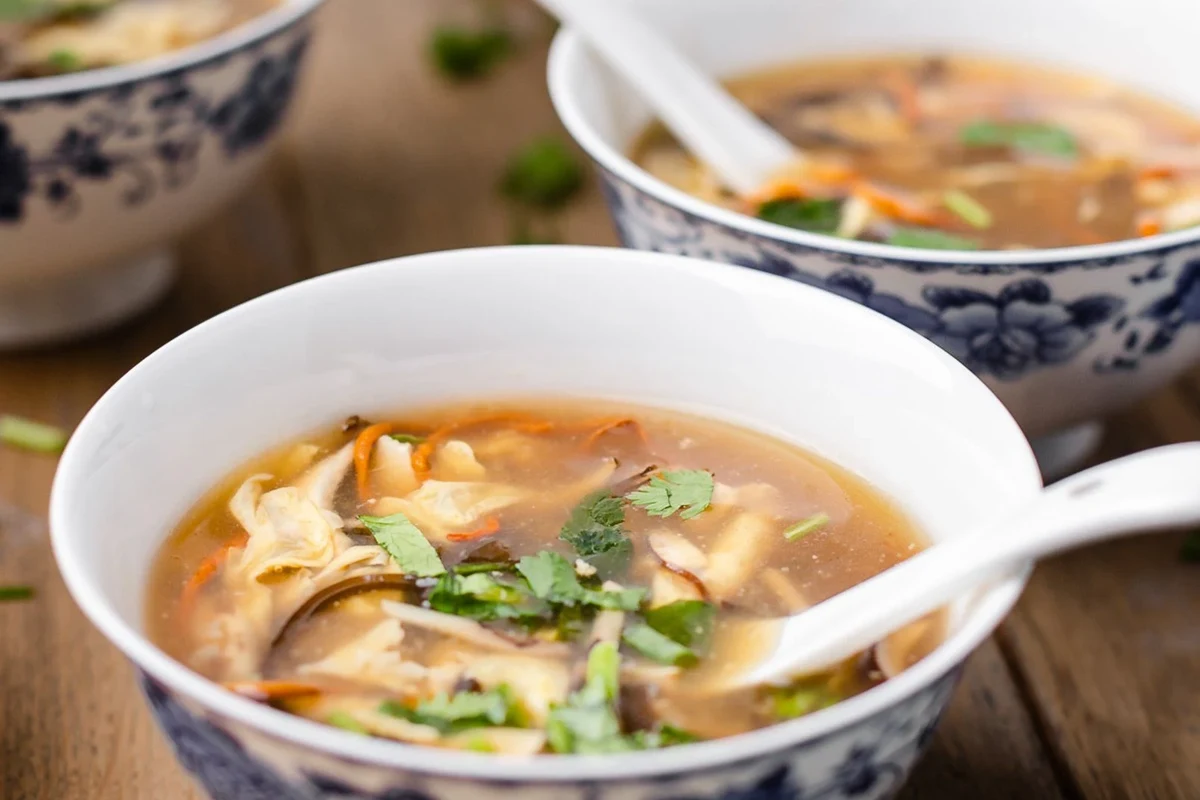
The short answer is no; most restaurant-style hot and sour soup is not gluten-free. While the core components—vegetables, tofu, and eggs—are naturally free of gluten, the flavor profile is heavily built upon fermented soy products that typically contain wheat. Furthermore, many commercial kitchens use flour as a thickening agent or rely on pre-made soup bases that contain hidden gluten fillers.
Understanding the Traditional Composition of Hot and Sour Soup

The Role of Soy Sauce and Thickening Agents
Soy sauce is the backbone of this soup, providing the deep, savory umami flavor. Traditional soy sauce is brewed from a combination of soybeans and wheat. During the fermentation process, the wheat proteins break down but remain present in the final liquid. Additionally, many recipes call for a slurry to achieve that signature glossy, thick consistency. While pure cornstarch is naturally gluten-free, some commercial starch blends are processed in facilities that handle wheat, leading to potential cross-contamination. Is hot and sour soup gluten-free
Hidden Gluten Sources in Restaurant-Style Recipes
When dining out, the risks multiply. Many restaurants use “all-purpose” flour to thicken their soups because it is inexpensive and readily available. Furthermore, pre-packaged bouillon cubes or liquid soup bases often include hydrolyzed wheat protein or maltodextrin derived from barley or wheat. Always inquire whether the kitchen uses a dedicated gluten-free thickener, though cross-contamination remains a significant concern in professional kitchens.
Key Ingredients to Watch for When Cooking at Home

- Verify that your tamari or gluten-free soy sauce is certified wheat-free.
- Check labels on all vinegars, especially malt vinegar, which contains gluten.
- Ensure your cornstarch is labeled “gluten-free” to prevent cross-contamination.
- Confirm that your broth or stock base does not contain yeast extract derived from barley.
Navigating Wheat-Based Soy Sauce Alternatives
The most important swap in your kitchen is replacing standard soy sauce with tamari. Tamari is a Japanese-style soy sauce that is traditionally brewed with little to no wheat. Always check the label to ensure it is certified gluten-free, as some modern brands may still contain trace amounts. Coconut aminos are another excellent alternative, offering a slightly sweeter flavor profile that works beautifully with the vinegar in this soup. Is hot and sour soup gluten-free
The Truth About Cornstarch and Vinegar Varieties
Cornstarch is the standard thickener and is generally safe, provided it is pure. If you are highly sensitive, look for specific “certified gluten-free” labeling on the package. Regarding vinegar, Chinese black vinegar (Chinkiang vinegar) often contains wheat. For a gluten-free version, use high-quality rice vinegar or a blend of rice vinegar and a splash of balsamic to mimic the depth of the traditional black variety.
How to Make Gluten-Free Hot and Sour Soup: A Step-by-Step Guide
Essential Gluten-Free Ingredients List
To prepare this at home in 2026, gather: gluten-free tamari, rice vinegar, pure cornstarch, dried wood ear mushrooms, bamboo shoots, firm tofu, eggs, white pepper, and a high-quality vegetable or chicken stock. Using fresh aromatics like ginger and garlic adds complexity without needing pre-made flavor enhancers that might hide gluten.
Mastering the Balancing Act: Achieving the Signature Flavor Profile
The “hot and sour” profile is a delicate balance. If the soup is too sour, add a tiny bit of sugar or increase the savory notes with more tamari. The heat should come primarily from white pepper, which provides a distinct, sharp warmth that red chili flakes cannot replicate. If you are learning to balance these flavors, think of it like learning what is a level 2 EV charger—it requires the right setup to get the best performance, but once you understand the components, the process becomes second nature.
Cooking Techniques for the Perfect Texture and Consistency
The Science of Silk: Balancing Egg Ribbons and Tofu
To achieve professional-looking egg ribbons, ensure the soup is at a steady simmer—not a violent boil—when you add the eggs. Use a fork to stir the soup in a circular motion while pouring the eggs slowly. This creates those wispy, silky textures that define a great hot and sour soup. For the tofu, use firm or extra-firm varieties to ensure they hold their shape during the simmering process.
Troubleshooting Common Kitchen Mistakes and Thickening Issues
If your soup is too thin, don’t add dry cornstarch directly to the pot; it will clump. Always mix your slurry with cold liquid first. If the soup is too thick, simply add a splash more broth. Remember that the soup will thicken slightly as it cools, so aim for a consistency that coats the back of a spoon.
Safe Handling and Storage: Preserving Your Homemade Soup
Proper Cooling and Refrigeration Protocols
To keep your soup safe, move leftovers to a shallow container within two hours of cooking. Do not leave the pot on the stove for extended periods at room temperature. Properly stored in an airtight container, your homemade soup will remain safe in the refrigerator for up to 3 to 4 days.
Reheating Techniques to Maintain Ingredient Integrity
When reheating, use a saucepan on the stove over medium heat. Stir occasionally to ensure even heating. Avoid prolonged microwave reheating, as this can cause the tofu to become rubbery and the egg ribbons to lose their delicate structure. If you need to refresh the flavor, add a small splash of fresh rice vinegar just before serving.
Ingredient Substitutions and Buying Guide for the Gluten-Free Pantry
Selecting Safe Condiments and Seasonings
When stocking up in 2026, prioritize brands that explicitly state “Certified Gluten-Free” on their packaging. Avoid generic store-brand soy sauces and vinegars, as their production lines are often shared with wheat-containing products. Keeping a few high-quality, dedicated gluten-free staples in your pantry ensures you are always prepared to cook safely.
Evaluating Store-Bought Broths and Stock Bases
Many commercial stocks use yeast extract or “natural flavors” that can contain gluten. Always read the ingredient list for hidden wheat derivatives. If you are unsure, a simple homemade broth made from bones or vegetables, water, and salt is the safest and most flavorful option. It is similar to understanding what is a level 1 EV charger—once you identify the essential requirements, you can make informed choices that fit your needs.
Final Verdict: Enjoying Hot and Sour Soup with Confidence
Hot and sour soup can easily be part of a gluten-free lifestyle, provided you take a hands-on approach to ingredient sourcing. By swapping traditional soy sauce for tamari, verifying your thickeners, and avoiding mystery restaurant bases, you can enjoy this classic dish safely. The key is vigilance in reading labels and a commitment to preparing the soup in your own kitchen, where you can guarantee every ingredient meets your dietary requirements.
Frequently Asked Questions
No, hot and sour soup is not naturally gluten-free. It typically contains soy sauce made with wheat and may be thickened with wheat-based flour.
No, regular soy sauce contains wheat and is not safe for a gluten-free diet. You should use certified gluten-free tamari or coconut aminos instead.
Pure cornstarch or potato starch are excellent, naturally gluten-free thickeners. Always ensure they are labeled gluten-free to avoid cross-contamination.
You can store leftovers in an airtight container in the refrigerator for 3 to 4 days. Always reheat thoroughly before serving.
Yes, many brands of traditional Chinkiang (black) vinegar contain wheat. Use high-quality rice vinegar as a safe substitute.
Yes, fresh and dried mushrooms are naturally gluten-free. Just be careful when purchasing pre-packaged mixes that might contain other gluten-containing additives.