Instant Pot Frozen Chicken Breast

You can safely cook frozen chicken breasts in an Instant Pot by using a trivet and at least one cup of liquid. Simply set the pot to high pressure for 10–12 minutes and allow for a natural pressure release for the best results.
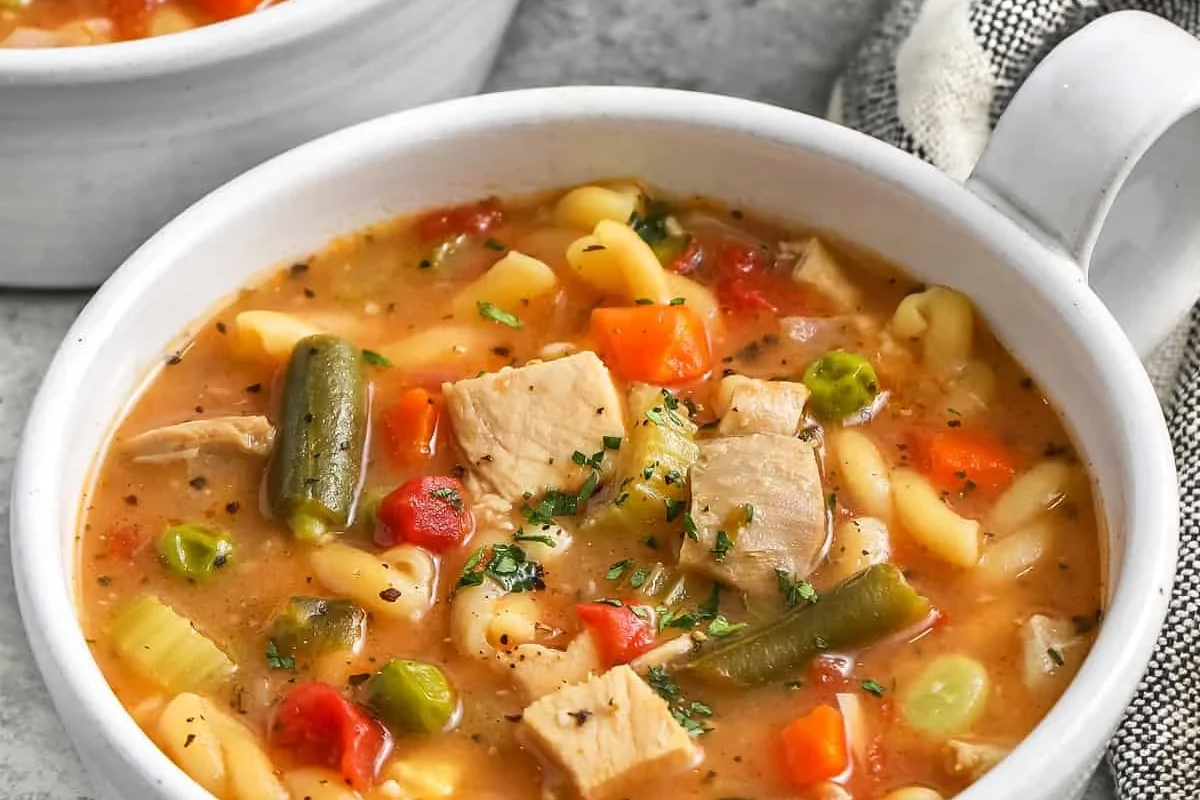
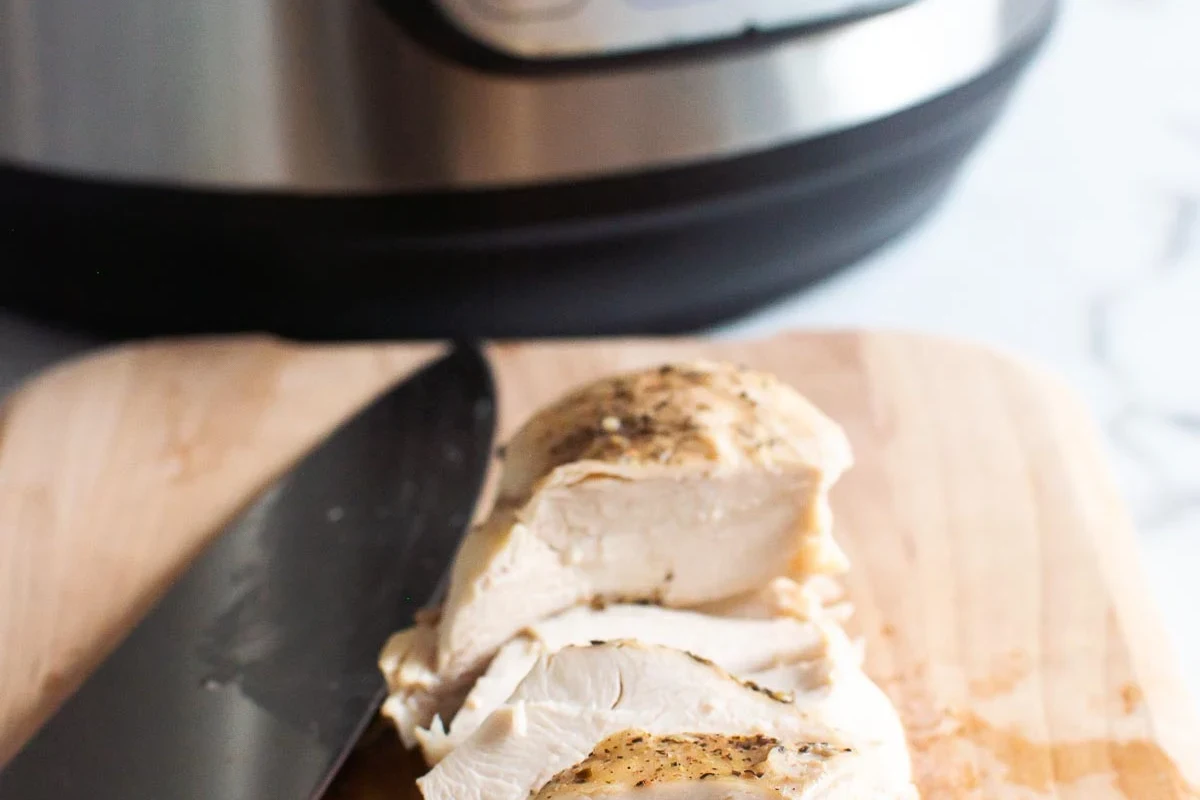
Cooking frozen chicken breast in an Instant Pot is a reliable, time-saving method that allows you to transition from freezer to dinner table without the need for advance thawing. By utilizing pressure cooking, you can safely achieve tender, fully cooked results that serve as a perfect base for everything from shredded taco filling to a comforting easy instant pot soup.
- Safety First: Always verify the chicken reaches an internal temperature of 165°F (74°C).
- Liquid Necessity: Never skip the minimum liquid requirement; it is essential for pressure buildup.
- Texture Tip: Use a natural pressure release (NPR) to keep the chicken from becoming tough.
- Seasoning: Apply rubs or aromatics carefully to ensure they don’t trigger a burn notice.
Can You Safely Cook Frozen Chicken Breast in an Instant Pot?
The Short Answer: Yes, It’s a Time-Saving Game Changer
Many home cooks often worry about the safety of cooking poultry directly from a frozen state. According to standard food safety guidelines, pressure cooking is an approved method for this because the appliance quickly raises the internal temperature of the meat through high-pressure steam. As long as you follow the manufacturer’s instructions regarding liquid ratios and minimum cook times, you can safely prepare your chicken.
Why Using the Instant Pot for Frozen Chicken is a Kitchen Essential
The Science of Pressure Cooking and Food Safety
Pressure cooking works by trapping steam, which increases the boiling point of water and forces heat into the food much faster than conventional methods. When cooking frozen chicken, the key is ensuring the meat reaches a safe internal temperature of 165°F (74°C). The Instant Pot excels here because it provides a consistent, enclosed environment that cooks the chicken evenly, effectively bypassing the “danger zone” where bacteria can multiply.
Time-Saving Benefits for the Busy Home Cook
For those days when you forget to move chicken from the freezer to the fridge, the Instant Pot is your best friend. You eliminate the 24-hour thaw time, meaning you can have shredded chicken ready for Belizean chicken tacos or other quick meals in less than an hour. It is a staple technique for efficient meal prep in 2026.
If your chicken breasts are frozen together in a large clump, try to separate them slightly under cool running water for a minute before putting them in the pot. This helps them cook more evenly.
Essential Equipment and Preparation Tips
Choosing the Right Instant Pot Size for Poultry
For most households, a 6-quart or 8-quart Instant Pot is ideal for cooking chicken breasts. The size of the pot matters because you need enough surface area to lay the breasts in a single layer or slightly overlapping, rather than stacking them into a dense block. Proper airflow and liquid distribution are crucial for the pressure sensor to function correctly.
The Importance of Liquid Ratios for Proper Pressure
Never attempt to pressure cook without the required minimum liquid. For most 6-quart models, this is at least one cup of water, broth, or stock. This liquid is essential for creating the steam that builds the pressure. If you are cooking a large batch, you may need to increase the liquid to ensure the pot doesn’t trigger a “burn” error.
Step-by-Step Guide: How to Cook Frozen Chicken Breast Perfectly
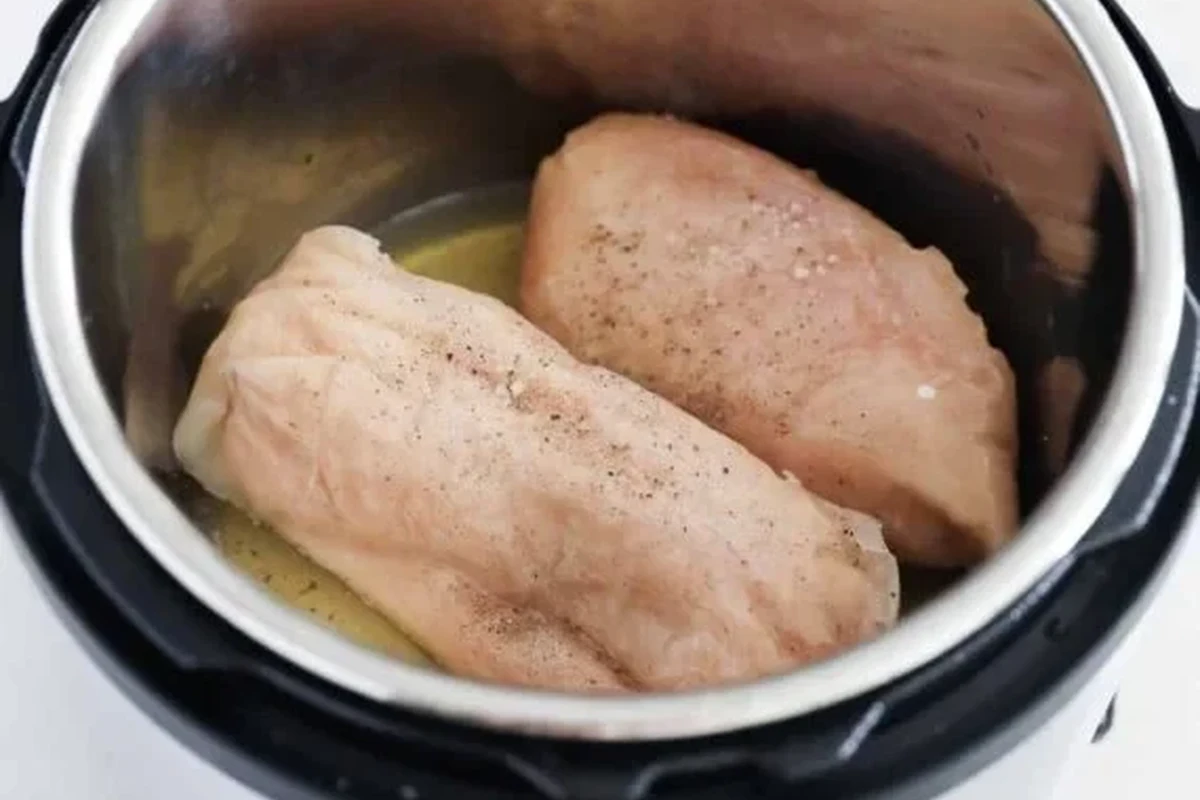
Pour your base liquid (broth or water) into the inner pot. Place the metal trivet inside to keep the chicken elevated, which helps prevent the bottom from scorching.
Place the frozen chicken breasts on the trivet. If they are individual breasts, space them out as evenly as possible.
Apply your dry rub directly onto the frozen meat. Because the meat is frozen, the spices will adhere better if you add a tiny drizzle of oil first.
Seal the lid, set the valve to “Sealing,” and cook on High Pressure. For standard 6-8 oz breasts, 10–12 minutes is usually sufficient.
Determining Cooking Times Based on Thickness
Cooking time varies based on the thickness of the meat. Thinner breasts may only need 8–10 minutes, while very thick, large breasts may require up to 15 minutes. Always err on the side of caution and use a meat thermometer to verify the 165°F temperature.
The Natural Pressure Release vs. Quick Release Debate
For the best texture, use a Natural Pressure Release (NPR) for at least 10 minutes after the timer goes off. This allows the fibers of the meat to relax. If you use a Quick Release (QR) immediately, the sudden drop in pressure can cause the chicken to seize up and become tough or rubbery.
Common Mistakes to Avoid When Cooking Frozen Poultry
- Use a digital thermometer to confirm 165°F.
- Use a trivet to prevent sticking.
- Allow for a 10-minute natural release.
- Cooking without enough liquid.
- Overcrowding the pot with too many breasts.
- Forgetting to seal the steam valve.
Flavor Profiles and Seasoning Strategies
Creating a Belizean-Inspired Rub for Instant Pot Chicken
To infuse your chicken with local flair, try a blend of allspice, black pepper, garlic powder, and a touch of thyme. Since pressure cooking can sometimes mute delicate flavors, don’t be afraid to be generous with your seasoning. If you enjoy traditional flavors, consider using the resulting broth as a base for a Belizean curry chicken recipe.
How to Incorporate Aromatics Without Burning the Pot
If you want to use fresh onions, garlic, or celery, place them in the bottom of the pot with the liquid, *under* the trivet. This infuses the steam with flavor without risking the aromatics burning against the heating element during the pressure-building phase.
Storage, Reheating, and Food Safety Best Practices
Always refrigerate leftovers within two hours of cooking. Store in an airtight container for up to 3-4 days. When reheating, ensure the chicken reaches an internal temperature of 165°F again.
Troubleshooting Common Issues
Why Your Chicken Turned Out Rubbery or Dry
Rubberiness is almost always a result of overcooking or using a rapid pressure release. If you find your chicken is consistently dry, try reducing the cooking time by 1–2 minutes or increasing the natural release time.
What to Do If the “Burn” Notice Appears
The “burn” notice usually means the bottom of the pot is too dry or there is sugar/starch stuck to the base. If this happens, cancel the cycle, release the pressure, add more liquid, and ensure nothing is touching the bottom of the steel insert.
Final Verdict: Is Cooking Frozen Chicken in the Instant Pot Worth It?
Cooking frozen chicken breast in the Instant Pot is an incredibly efficient tool for the modern kitchen. While it may not produce the same crispy skin as a grill or oven, it offers unmatched convenience and produces consistently moist, shredded, or sliced meat perfect for meal prep. It is a highly recommended method for anyone looking to save time in 2026 without sacrificing food safety.
Common Questions
Yes, using a trivet keeps the chicken out of the liquid, which prevents it from boiling and helps it cook more evenly through steam.
It is best to add thick sauces like BBQ after the chicken is finished cooking to prevent the sugars from burning on the bottom of the pot.
The only reliable way to know if the chicken is done is by using a digital meat thermometer to check the thickest part for 165°F.
If the chicken is undercooked, seal the lid, return it to high pressure for an additional 2–3 minutes, and perform another release.
Yes, larger or thicker breasts require more cooking time than smaller, thin ones; adjust your time by 2–3 minutes accordingly.
Frequently Asked Questions
For average-sized frozen chicken breasts, cook on high pressure for 10–12 minutes. Always ensure the internal temperature reaches 165°F.
Yes, you must add at least one cup of liquid to allow the Instant Pot to build pressure. This prevents the burn notice and ensures safe cooking.
It is best to separate them slightly. If they are a solid frozen block, they will take longer to cook and may result in uneven doneness.
Dry chicken is typically caused by overcooking or using a quick pressure release. Try using a longer natural release to keep the meat moist.
Yes, pressure cooking is a safe method for cooking frozen poultry because it quickly brings the meat to a safe internal temperature.
Store leftover chicken in an airtight container in the refrigerator for up to 4 days. Reheat thoroughly until the center is hot.