How Many Calories in Slaw

A standard 1/2 cup serving of slaw typically ranges from 30 to 150 calories depending on the dressing. Vinegar-based slaws are generally much lower in calories than those made with mayonnaise.
Understanding how many calories in slaw can be tricky because the count depends almost entirely on the type of dressing used. While the vegetable base is naturally low in calories, the addition of creamy emulsions or sugary additives can significantly shift the nutritional profile of your side dish.
- Dressing matters: Mayonnaise significantly increases the calorie count compared to vinegar or yogurt.
- Nutrient density: Cabbage and carrots provide high fiber and vitamins with very few calories.
- Control portions: Adding nuts, seeds, or dried fruits can quickly add extra calories.
- Prep wisely: Store dressing separately from vegetables to keep your slaw fresh and crisp.
How Many Calories in Slaw: The Definitive Guide for 2026
In 2026, home cooks are increasingly focused on balancing flavor with nutritional awareness. Whether you are preparing a traditional accompaniment for a barbecue or a light, zesty addition to a fish taco, knowing the caloric impact of your slaw helps you make informed choices for your meal plan.
The Calorie Breakdown: Understanding Your Slaw
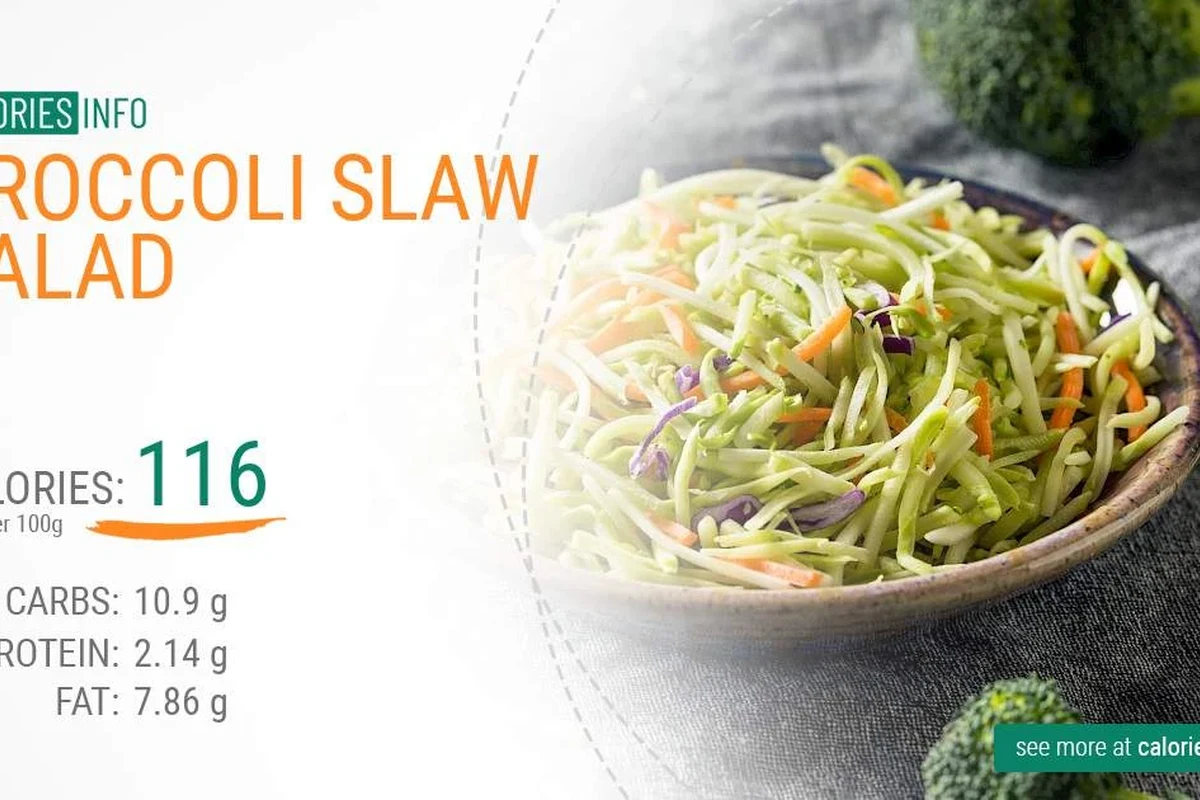
The caloric density of slaw is a tale of two components: the cruciferous vegetables and the dressing. Cabbage and carrots are high-volume, low-calorie foods that provide essential crunch, while the dressing acts as the concentrated source of fats and sugars.
Average Calorie Counts by Slaw Type
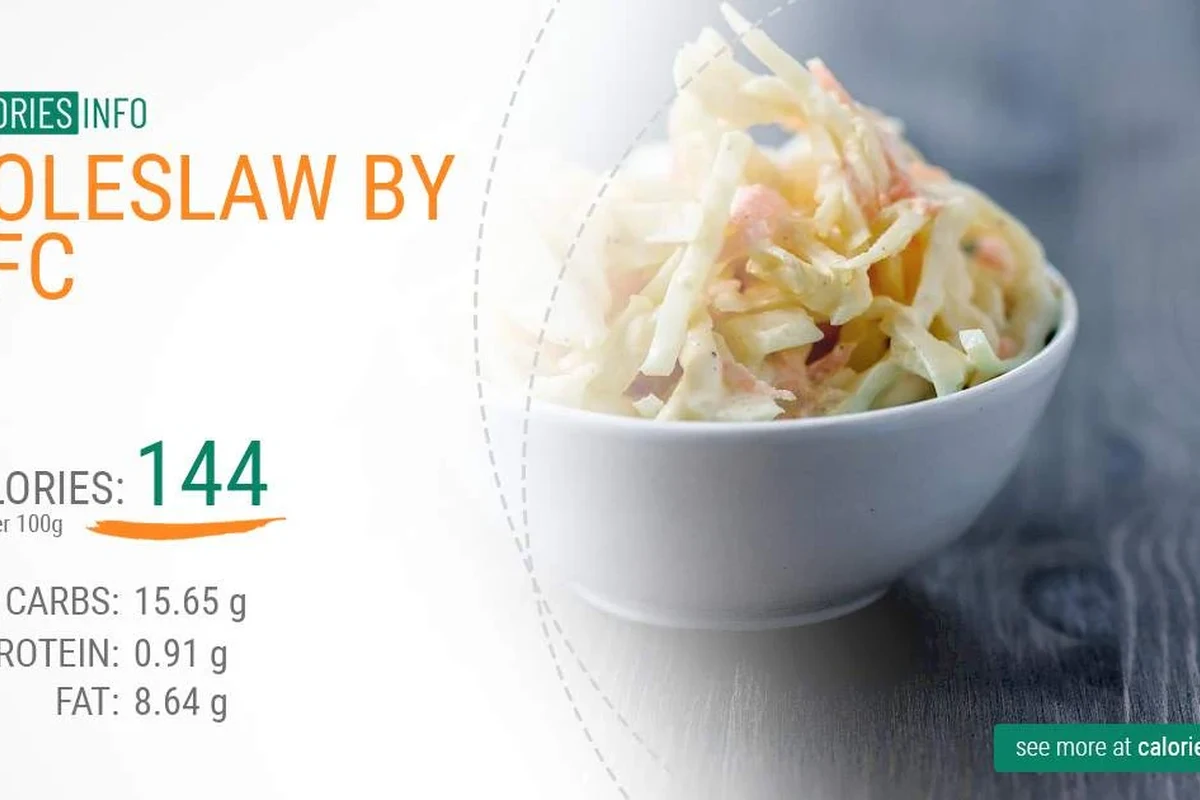
A standard serving of slaw—typically about 1/2 cup—ranges from as low as 30 calories to upwards of 150 calories. A simple vinegar-based slaw is usually the lightest option, keeping the count under 50 calories per serving. Conversely, a restaurant-style creamy slaw, which often features a heavy mayonnaise base and added sugar, can easily exceed 150 calories per serving.
The Impact of Dressings on Caloric Density
Dressings are the primary variable. Mayonnaise-based dressings provide a rich mouthfeel but carry a high fat content. Vinaigrettes, while lower in total calories, rely on oils that should be measured carefully. In 2026, many home cooks are experimenting with yogurt or avocado-based emulsions to maintain creaminess while improving the nutritional profile of their sides.
Key Ingredients That Influence Caloric Content
To master the calorie count of your slaw, you must look at the impact of each ingredient you add to the bowl.
The Base: Cabbage, Carrots, and Cruciferous Crunch
Cabbage is the foundation of almost every slaw. It is naturally low in calories and high in water content. Shredded cabbage, carrots, and kale provide the bulk of the dish without adding significant caloric weight. These vegetables are nutrient-dense, meaning they offer vitamins and minerals without “empty” calories.
The Emulsion: Mayo vs. Vinaigrette vs. Yogurt
Your choice of emulsion dictates the final tally. Traditional mayonnaise provides about 100 calories per tablespoon. If you are looking to reduce the density, consider using Greek yogurt, which provides a similar tang and texture but with significantly fewer calories and more protein. Vinaigrettes made with apple cider vinegar and a touch of honey are also effective ways to keep the dish light.
Add-ins and Texture Boosters: Nuts, Seeds, and Fruits
While slaw is traditionally just vegetables, many modern recipes include extras. Adding toasted walnuts, sunflower seeds, or dried cranberries adds flavor and texture, but these ingredients are calorie-dense. A small handful of nuts can add 50 to 100 calories to your bowl, so treat these as garnishes rather than base ingredients.
If you are meal prepping for a busy week, keep your dressing separate from your shredded vegetables until just before serving. This prevents the cabbage from becoming soggy and helps you control the exact portion of dressing used.
Health Benefits and Nutritional Value of Homemade Slaw
Homemade slaw is an excellent way to incorporate more raw vegetables into your diet. Because you control the ingredients, you can ensure your side dish is free from the stabilizers or excessive sweeteners often found in pre-packaged store versions.
Fiber Content and Digestive Health
Cabbage is a powerhouse of dietary fiber. Consuming fiber-rich foods like slaw supports healthy digestion and helps you feel fuller for longer. By making your own, you can maximize this benefit by adding extra fibrous ingredients like shredded broccoli stems or thinly sliced radish.
Micronutrient Profiles: More Than Just Empty Calories
Slaw is frequently overlooked as a nutritional supplement. Cabbage provides Vitamin C and Vitamin K, while carrots add beta-carotene. When you choose a healthy dressing—like one based on olive oil or yogurt—you enhance the bioavailability of the fat-soluble vitamins present in the vegetables.
Mastering the Low-Calorie Slaw: A Chef’s Guide
Creating a low-calorie slaw doesn’t mean sacrificing flavor. The secret lies in using acids and herbs to create a “bright” profile that makes the dish satisfying.
Techniques for Achieving Maximum Flavor with Minimum Fat
Use fresh herbs like cilantro, parsley, or green onions to provide a flavor punch without calories. Fresh lime juice or lemon zest can also lift the flavors of the cabbage, reducing the need for heavy, high-fat dressings.
Ingredient Substitutions for Calorie-Conscious Cooking
| Ingredient | Low-Calorie Substitute | Benefit |
|---|---|---|
| Mayonnaise | Plain Greek Yogurt | Higher protein, lower fat |
| Sugar | Apple Cider Vinegar/Lime | Adds tang without refined sugar |
| Vegetable Oil | Citrus Juice/Mustard | Zero fat, high flavor |
Step-by-Step: Crafting a Nutrient-Dense Belizean-Inspired Slaw
A fresh, Belizean-inspired slaw often balances heat and acid. This approach yields a vibrant side that pairs perfectly with grilled meats or fresh seafood.
Finely shred green cabbage and carrots. Using a mandoline or a sharp knife ensures even texture, which is key for a consistent bite.
Whisk together lime juice, a small amount of olive oil, and finely minced habanero (optional for heat). Use fresh herbs like cilantro to boost the flavor profile.
Combine the vegetables and dressing. Let the mixture sit for at least 15 minutes to allow the flavors to meld and the cabbage to soften slightly.
Food Safety, Storage, and Shelf Life
Raw vegetables require careful handling to ensure safety. Always wash your produce thoroughly under running water before shredding.
Because slaw contains raw vegetables and often dairy or oil-based dressings, it is highly perishable. Keep your slaw refrigerated at 40°F (4°C) or below at all times. Discard any slaw that has been left at room temperature for more than two hours.
Proper Storage Methods to Maintain Crispness
To keep your slaw crisp, store it in an airtight container. If you have already dressed the slaw, it is best consumed within 24 hours. Undressed, shredded cabbage can stay crisp in the refrigerator for up to three days.
Final Verdict: Balancing Flavor and Nutrition in Your Kitchen
The number of calories in your slaw is entirely within your control. By opting for yogurt or vinegar-based dressings and prioritizing fresh, colorful vegetables, you can enjoy a nutrient-dense side that supports your dietary goals. Remember that the best slaw is one that balances your personal taste preferences with the freshness of the season.
Frequently Asked Questions
A standard 1/2 cup serving typically ranges from 30 calories for vinegar-based versions to 150+ calories for creamy, mayonnaise-based versions.
Yes, slaw is healthy because it is primarily made of cruciferous vegetables like cabbage, which are rich in fiber and vitamins. The health benefits depend largely on the dressing used.
You can reduce calories by replacing mayonnaise with plain Greek yogurt or using a light vinaigrette made with vinegar and citrus juice instead of oil.
Dressed slaw should be consumed within 24 hours for the best quality and safety. Undressed, shredded cabbage can be stored for up to three days.
Nuts and seeds add great texture and nutrients, but they are calorie-dense. Use them sparingly as a garnish to avoid significantly increasing the calorie count.
Keep your dressing separate from the shredded vegetables until just before you are ready to serve. This maintains the crunch of the cabbage.