How Long to Boil a Chicken Whole

A whole chicken typically takes 45 to 60 minutes to boil until tender. Always use a meat thermometer to ensure the thickest part of the thigh reaches 165°F (74°C).
Boiling a whole chicken is a foundational skill for any home cook, serving as the starting point for everything from hearty soups to quick weekday meals. In 2026, many of us are returning to these classic, efficient techniques to maximize our grocery budgets and minimize kitchen waste.
- Target Temperature: Always verify the chicken reaches 165°F (74°C) for food safety.
- Gentle Heat: A slow simmer is superior to a rolling boil for preventing tough, stringy meat.
- Aromatics: Add vegetables and herbs to the water to create a flavorful, usable bone broth.
- Skimming: Remove foam from the surface early in the process for a clearer, cleaner stock.
How Long to Boil a Whole Chicken: The Definitive Timing Guide
The Short Answer: Determining Total Cook Time
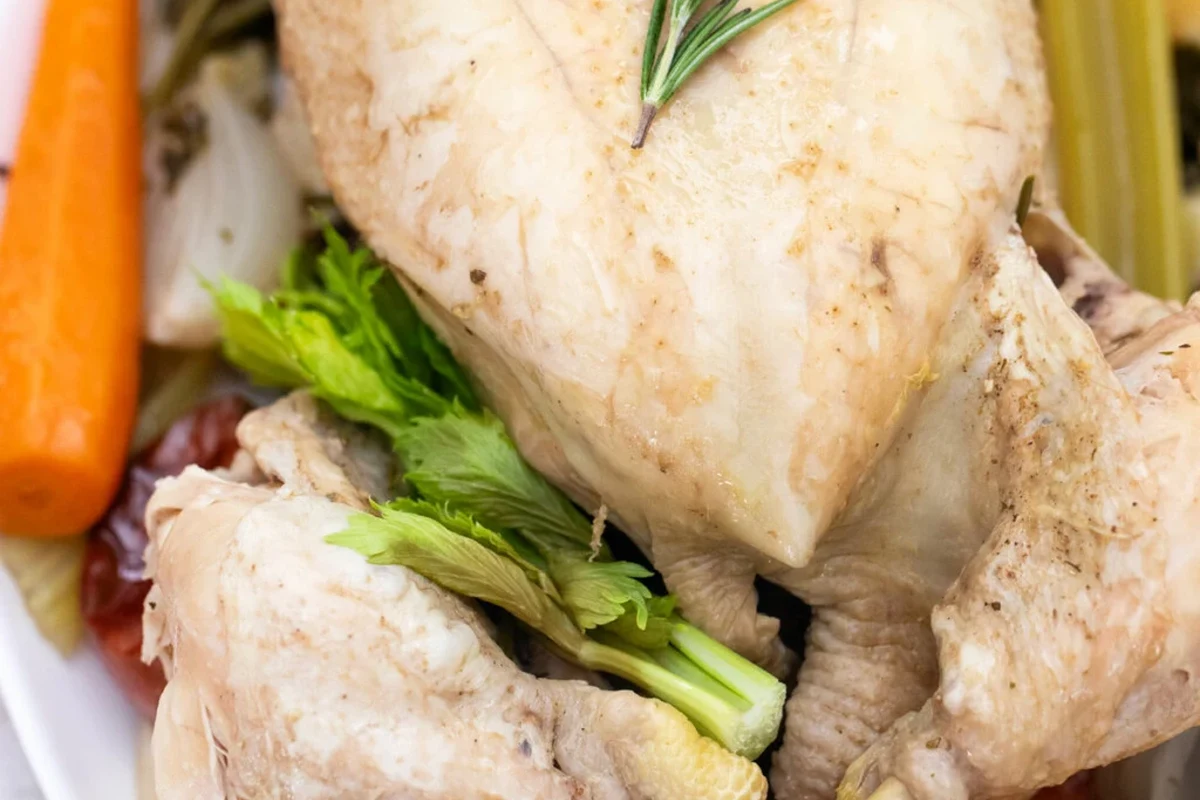
On average, a whole chicken requires approximately 45 to 60 minutes of gentle simmering once the water has returned to a boil. This timing is based on a standard 3.5 to 4-pound bird. Because every chicken varies in size and shape, the most reliable method for ensuring safety is using an instant-read meat thermometer to verify the internal temperature reaches 165°F (74°C).
Understanding the Boiled Chicken Method: Why It Matters in 2026
The Kitchen Benefits: Efficiency, Broth, and Meal Prep
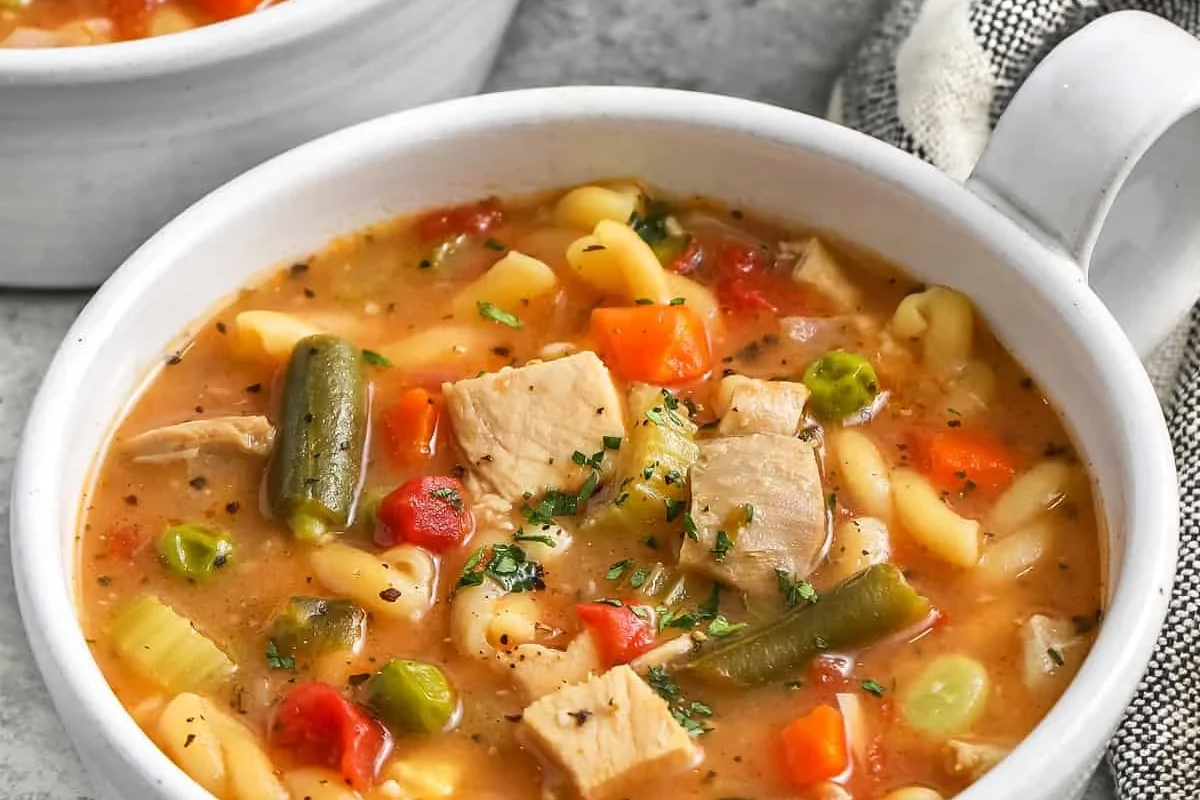
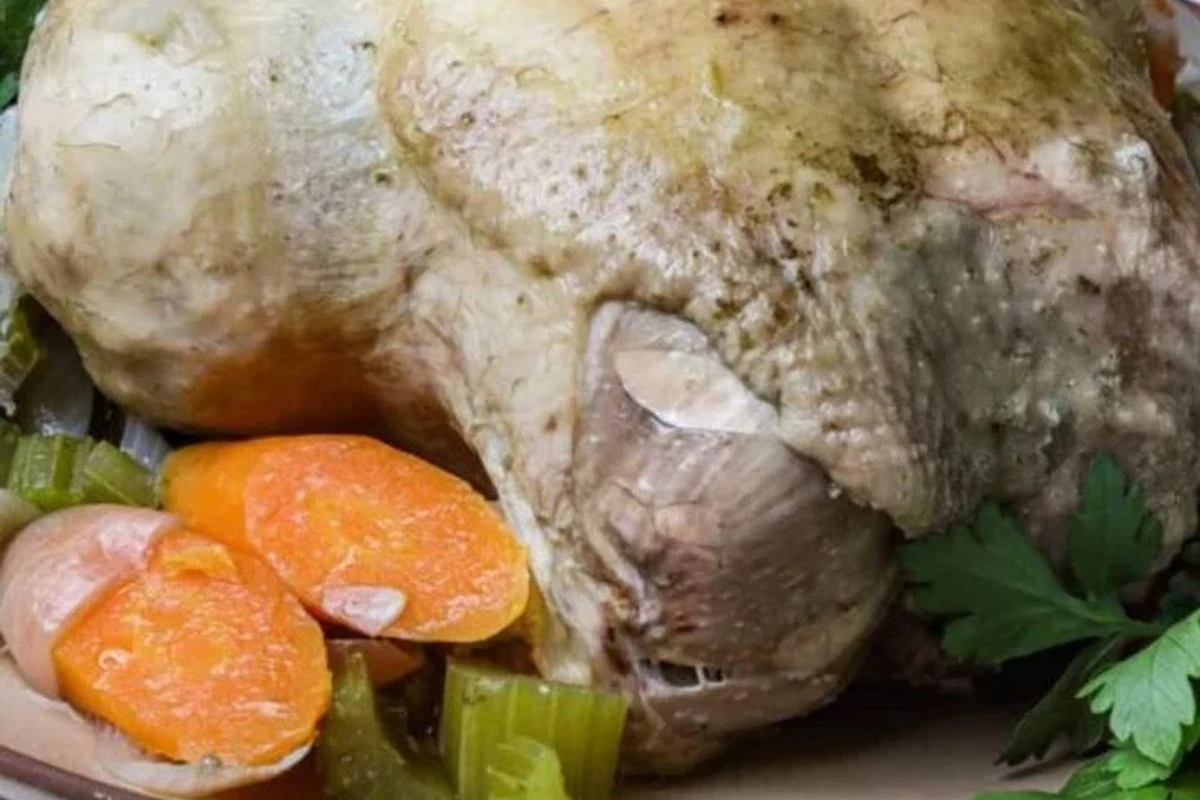
Boiling is perhaps the most efficient way to process a large amount of protein at once. Beyond providing succulent, tender meat that can be shredded for tacos or salads, the process rewards you with a nutrient-dense bone broth. This golden liquid is far superior to store-bought alternatives and can be used as a base for Zupas chicken noodle soup or other classic comfort dishes. By preparing your chicken this way, you ensure that no part of the bird goes to waste.
Limitations of Boiling: Texture and Flavor Considerations
While efficient, boiling does not result in the crispy, golden skin associated with roasting or using a Belizean BBQ chicken recipe. The texture of boiled skin can be soft and unappealing to some, so many home cooks choose to remove it before serving. Additionally, boiling can dilute the natural flavor of the meat if the water is not properly seasoned with aromatics.
If you find that the skin is too soft, you can quickly broil the cooked chicken for 3–5 minutes after removing it from the pot to achieve a bit of texture, though this is purely optional.
Selecting the Perfect Bird: A Buyer’s Guide for Belizean Kitchens
Weight and Size: How Dimensions Affect Cooking Duration
The weight of the chicken is the primary factor in determining cook time. A smaller bird (around 3 pounds) may be ready in 40 minutes, while a larger roaster (5 pounds or more) could take upwards of 75 minutes. Always account for the weight of your bird when planning your meal schedule.
Fresh vs. Frozen: Decision Criteria for Safety and Quality
It is strongly recommended to fully thaw a frozen chicken in the refrigerator before boiling. Attempting to boil a partially frozen bird leads to uneven cooking, where the exterior becomes overcooked and stringy while the interior remains in the “danger zone,” risking foodborne illness.
Essential Ingredients and Aromatics for a Flavorful Boil
Building the Base: Vegetables, Herbs, and Spices
Water alone will result in a bland bird. To infuse the meat and the resulting broth with deep, complex flavors, add a mirepoix (onions, carrots, and celery) to the pot. Garlic cloves, black peppercorns, bay leaves, and a sprig of fresh thyme or parsley are also excellent additions. If you are looking for a unique flavor profile, consider adding a dash of pimento or fresh ginger.
The Role of Liquid: Water vs. Stock vs. Acidulated Broth
While water is the standard, starting with a light vegetable stock can jump-start the flavor profile. Adding a small amount of acid, such as a splash of vinegar or a squeeze of lime juice, helps break down connective tissues, resulting in a more tender final product.
Step-by-Step Technique: How to Properly Boil a Whole Chicken
Remove the giblets from the cavity. Rinse the chicken under cold water and pat it dry. Trussing the legs and wings against the body helps the bird maintain its shape and ensures more even heat distribution.
Place the chicken in a large stockpot and cover with cold water by about an inch. Bring to a boil, then immediately reduce to a gentle simmer. Use a spoon to skim off any gray foam (impurities) that rises to the surface during the first 10 minutes.
After 45–60 minutes, check the thickest part of the thigh with a thermometer. Once it reads 165°F (74°C), the chicken is safe to remove from the heat.
Food Safety Protocols: Handling Raw Poultry and Preventing Cross-Contamination
Never wash raw chicken in the sink, as this splashes bacteria onto your countertops and utensils. Simply pat the bird dry with paper towels and dispose of them immediately.
Always sanitize your workspace after handling raw poultry. Use hot, soapy water to clean all surfaces, cutting boards, and knives that came into contact with the meat to prevent cross-contamination.
Common Mistakes to Avoid for Succulent Results
Overcooking: Identifying the Signs of Stringy, Dry Meat
The most common mistake is boiling the chicken at a rapid, rolling boil. This harsh heat causes the muscle fibers to tighten, resulting in tough, dry meat. Always keep the liquid at a “lazy” simmer—where only a few bubbles break the surface occasionally.
Flavor Loss: Why Rushing the Process Compromises the Broth
If you don’t allow the aromatics to meld with the chicken, your broth will lack depth. Remember that the broth is essentially a secondary dish; treat it with the same care you would if you were making a pot of chicken leek and potato soup.
Storage, Reheating, and Repurposing Your Boiled Chicken
Safe Storage Guidelines for Long-Term Freshness
Store cooked chicken in an airtight container in the refrigerator for up to 3–4 days. The cooled broth can be stored in the refrigerator for the same amount of time or frozen for up to 3 months for future use.
Reviving the Bird: Best Methods for Reheating
To reheat without drying out the meat, place the chicken pieces in a shallow pan with a small amount of broth or water. Cover and heat gently on the stove or in the oven at a low temperature.
Final Recommendation: Mastering the Boil for Versatile Home Cooking
Boiling a whole chicken is a low-stress, high-reward technique that supports a variety of kitchen projects. By focusing on a gentle simmer and ensuring the internal temperature reaches the safe threshold of 165°F, you will consistently produce tender meat and a flavorful broth that can be repurposed in countless ways. Whether you are meal prepping for the week or building a base for a complex soup, this method remains a cornerstone of efficient, delicious home cooking.
Common Questions
A 4-pound bird usually takes about 50 to 60 minutes to cook through at a gentle simmer.
Yes, ensure the chicken is submerged by at least one inch of water to promote even cooking.
No, always remove the giblets from the cavity before boiling to ensure safe and clean cooking.
It is best to remove it promptly to cool; leaving it in the hot liquid too long can lead to overcooking.
While the skin will not be crispy, you can remove it immediately after cooking if the texture is not preferred.
Frequently Asked Questions
The only safe way to check is with a meat thermometer. Ensure the thickest part of the thigh reaches an internal temperature of 165°F (74°C).
It is best to leave the skin on during the boiling process to protect the meat and add flavor to the broth. You can easily remove it afterward.
Absolutely. The liquid remaining in the pot is a nutrient-rich stock that is perfect for soups, stews, or cooking rice.
Do not boil at a high heat. Keep the water at a gentle simmer, where only small bubbles appear, to ensure the meat stays tender.
Cooked chicken should be stored in an airtight container and consumed within 3 to 4 days for the best quality and safety.
Yes, but add them toward the end of the cooking process so they don’t become mushy. Fresh aromatics are better for the initial long-boil phase.