How Long to Bake Chicken Legs at 400 Uncovered

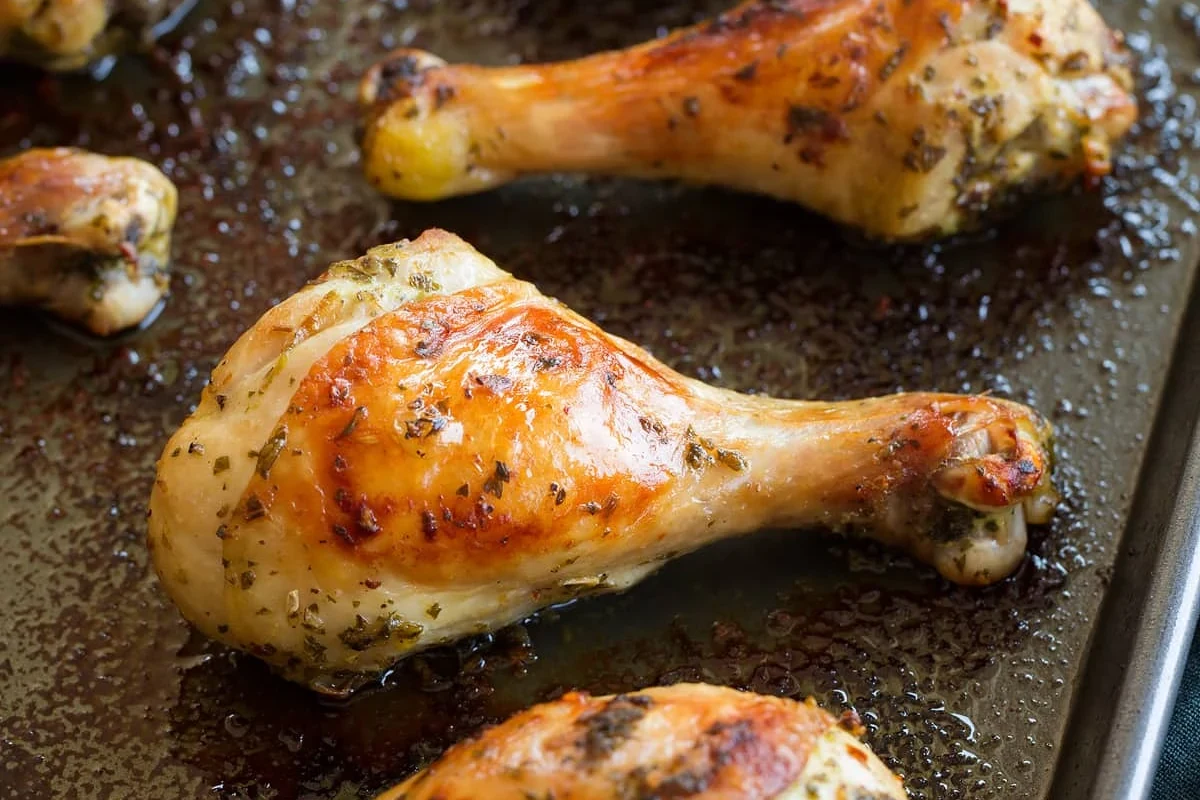
Bake chicken legs at 400°F uncovered for 40 to 50 minutes until the skin is crispy and golden. Always use a meat thermometer to ensure the internal temperature reaches at least 165°F.
Baking chicken legs at 400°F uncovered is the most reliable way to achieve golden, crispy skin while keeping the meat succulent. This method relies on high-heat convection to render fat effectively, resulting in a restaurant-quality finish right in your home oven.
- Target Temp: Bake at 400°F for 40-50 minutes.
- Crispiness: Always pat the chicken skin dry before seasoning.
- Airflow: Use a wire rack for even browning on all sides.
- Safety: Target an internal temperature of 165°F-180°F.
- Resting: Let chicken rest for 5-10 minutes before serving.
How Long to Bake Chicken Legs at 400 Uncovered: The Golden Standard
The Quick Answer: Timing and Temperature
For standard-sized chicken legs (drumsticks), baking at 400°F uncovered typically takes between 40 and 50 minutes. Because ovens vary, always rely on an internal temperature check rather than the clock alone to ensure the meat is fully cooked and safe to consume.
Why Baking Chicken Legs Uncovered is the Secret to Crispy Skin
The Science of Heat Circulation and Moisture Reduction
When you bake chicken covered, you effectively steam the meat, which softens the skin and prevents it from ever achieving that desirable snap. By baking uncovered, you allow the ambient heat to circulate freely around the entire surface of the leg. This process evaporates surface moisture—the primary enemy of crispiness—and allows the chicken fat to render and fry the skin in place.
Benefits of the 400°F Method for Home Cooks
The 400°F temperature is the “sweet spot” for roasting. It is high enough to trigger the Maillard reaction (the browning process that creates savory flavor) but low enough to prevent the exterior from burning before the bone-in meat is cooked through. If you are looking for other ways to prepare poultry, you might find our Belizean BBQ chicken recipe offers a great alternative for flavor-packed results.
Use a wire rack set inside a rimmed baking sheet. This allows hot air to circulate underneath the legs, ensuring they crisp on the bottom just as well as the top.
Essential Ingredients and Prep for Belizean-Inspired Roasted Legs
Selecting the Best Chicken Legs: Fresh vs. Frozen
Fresh chicken legs are always preferred for roasting because they contain less excess water. If you are using frozen legs, ensure they are completely thawed in the refrigerator before seasoning. Patting them dry is non-negotiable for achieving a crispy texture.
The Importance of Surface Dryness for Texture
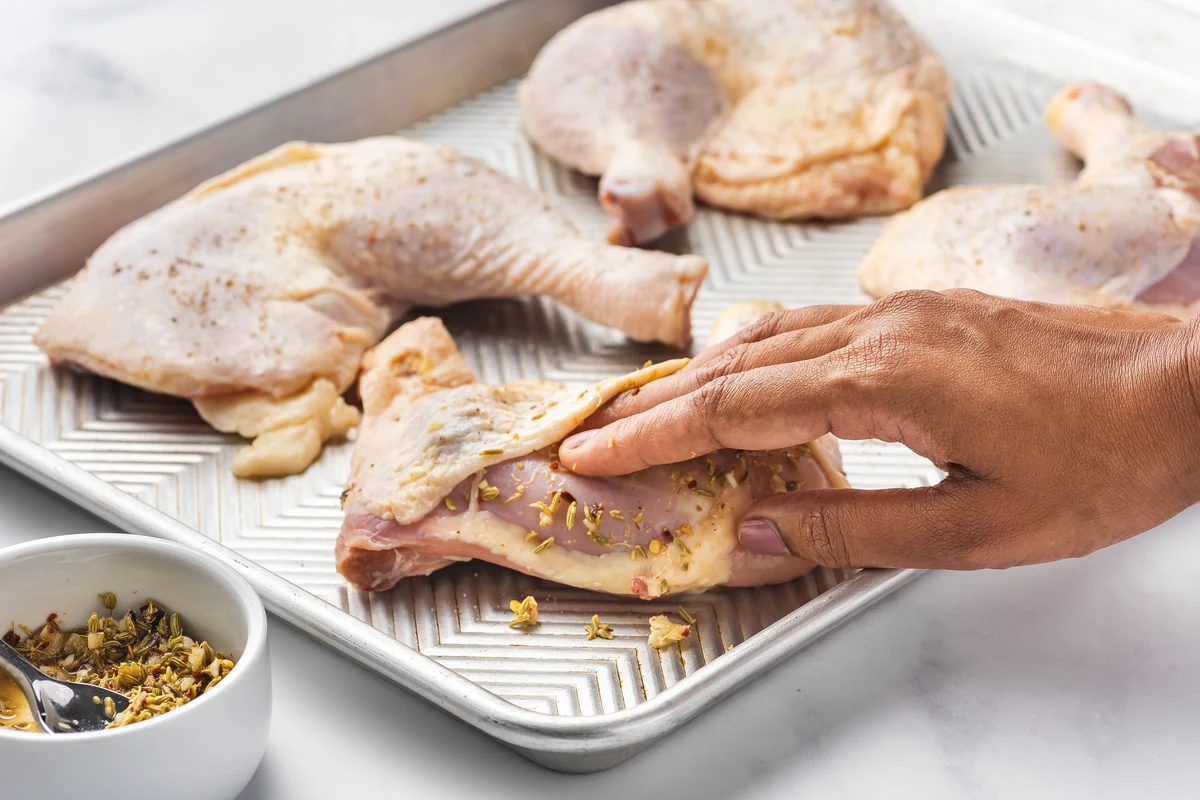
Before applying any oil or seasoning, take a paper towel and thoroughly pat the chicken skin dry. Any moisture left on the surface will create steam, leading to rubbery skin. A dry surface allows the fat to crisp up almost immediately upon entering the oven.
Seasoning Profiles: From Simple Salt and Pepper to Caribbean Jerk
Chicken legs are a versatile canvas. For a classic profile, a simple mix of salt, black pepper, garlic powder, and paprika works wonders. If you prefer something with more depth, consider a dry rub inspired by local flavors. Much like how you might use soup packets in a Belizean kitchen to boost flavor in a stew, you can use high-quality dried herbs and spices to create a potent crust on your roasted legs.
Step-by-Step Technique: Achieving the Perfect Roast
Preheat your oven to 400°F and position your rack in the center for even heat distribution.
Toss the dried chicken legs in a small amount of oil (avocado or vegetable oil works well) and your chosen spices.
Place them on your rack or sheet pan, ensuring they are not touching. Airflow is key to crisping.
Roast for 40-50 minutes, checking the internal temperature around the 35-minute mark.
How to Determine Doneness and Ensure Food Safety
Internal Temperature Guidelines for Dark Meat
According to the USDA, chicken must reach an internal temperature of 165°F. However, for chicken legs, many home cooks prefer cooking them to 175°F-180°F, as the higher fat and connective tissue content in dark meat benefits from the extra heat, making it more tender and easier to pull from the bone.
Visual Cues: The “Pull-Back” Test and Juices
Beyond the thermometer, you can look for the skin pulling back from the end of the bone, which indicates the meat has shrunk during the cooking process. Additionally, when pierced with a fork, the juices should run clear, not pink.
Common Mistakes to Avoid When Baking Chicken Legs
Overcrowding the Sheet Pan
If the legs are touching, they will steam each other. Space them out by at least an inch to ensure the heat can reach every side of the chicken.
Skipping the Resting Period
Let the chicken rest for 5-10 minutes after removing it from the oven. This allows the juices to redistribute throughout the meat, ensuring every bite is moist.
- Use a digital meat thermometer for accuracy.
- Rest the meat before serving.
- Don’t crowd the pan.
- Don’t rely solely on the timer.
Storage, Reheating, and Quality Maintenance
Store leftover chicken in an airtight container in the refrigerator for up to 3-4 days. To reheat without drying it out, place the legs back in a 350°F oven for about 10-15 minutes. While not the same as a fresh meal, it remains a fantastic option for quick lunches, much like how you might enjoy a hearty Belizean curry chicken recipe the next day.
Final Recommendation: Mastering the Uncovered Bake for Busy Weeknights
Baking chicken legs at 400°F uncovered is a low-effort, high-reward method perfect for busy schedules in 2026. By prioritizing surface dryness and utilizing a wire rack for airflow, you can consistently achieve crispy, flavorful results that rival any deep-fried alternative.
Common Questions
Yes, a light coating of oil helps the spices adhere and promotes even browning.
Only if they are fully thawed first; cooking from frozen results in uneven texture and safety issues.
Check the chicken 10 minutes early to prevent over-browning or drying out.
This usually happens if the chicken wasn’t patted dry or if it was crowded on the pan.
Only if you prefer, but the skin provides fat that keeps the meat moist during the high-heat roasting process.
Frequently Asked Questions
It typically takes 40 to 50 minutes at 400°F. Always use a meat thermometer to ensure they reach the safe internal temperature of 165°F.
Flipping is optional, especially if you use a wire rack. If baking directly on a pan, flipping halfway through can help ensure even browning.
Ensure the chicken is patted completely dry with paper towels before seasoning. Using a wire rack to promote airflow is also highly effective.
You can, but the skin will be soft rather than crispy. If you want a crispy exterior, always bake uncovered.
Yes, 165°F is the safe minimum. For dark meat like legs, many people prefer cooking to 175°F for a better texture.
Place cooled chicken in an airtight container and refrigerate for up to 4 days. Reheat in the oven to maintain the best texture.