How Long Does Chicken Have to Boil

Chicken needs to boil until it reaches an internal temperature of 165°F (74°C). This usually takes 15 to 40 minutes depending on the cut and size of the meat.
Boiling chicken is a foundational skill in the Belizean kitchen, providing the base for everything from hearty stews to comforting soups. Understanding exactly how long your poultry needs to spend in the pot ensures that you achieve tender, flavorful meat without sacrificing safety or texture. As of 2026, home cooks continue to rely on this essential method to create wholesome, cost-effective meals for their families.
- Temperature: Always aim for an internal temperature of 165°F for food safety.
- Simmering: Use a gentle simmer rather than a hard boil to keep meat tender.
- Timing: Adjust your cook time based on whether the chicken is boneless or bone-in.
- Flavor: Add aromatics like garlic and herbs to the water to create a tasty broth.
How Long Does Chicken Have to Boil: The Definitive Guide
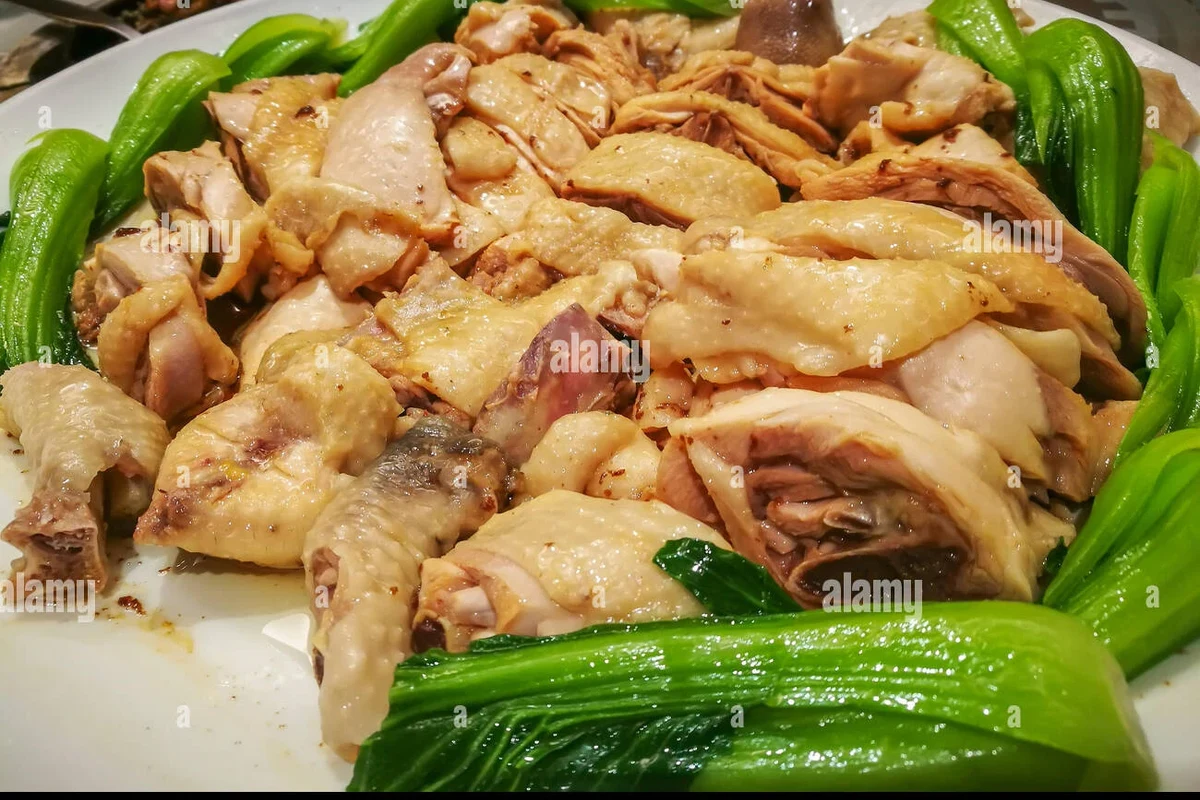
The time required to boil chicken depends primarily on the cut, whether the meat is bone-in or boneless, and if it is fresh or frozen. While there is no single “magic number,” the primary goal is reaching a safe internal temperature throughout the meat. Achieving this balance requires attention to heat levels and consistent monitoring of the pot.
Boiling Times by Cut and Preparation
To ensure consistency in your cooking, use these general guidelines as a starting point for your preparations:
- Boneless Chicken Breasts: Typically cook through in 15 to 20 minutes of steady simmering.
- Bone-in Chicken Breasts: These require more time, usually 25 to 35 minutes, due to the density of the bone.
- Chicken Thighs and Drumsticks: These cuts are more forgiving and generally take 30 to 40 minutes to become tender and pull away from the bone.
- Whole Chicken: Depending on the size, a whole bird can take anywhere from 60 to 90 minutes.
Why Boiling Time Matters for Texture and Safety
Boiling is often misunderstood; many cooks believe that a rapid, aggressive boil is the fastest way to cook meat. However, a violent boil often causes the outer layers of the chicken to become stringy and tough before the center reaches a safe temperature. A controlled simmer—where small bubbles gently break the surface—is the most effective way to ensure uniform cooking. Furthermore, proper timing prevents the meat from becoming waterlogged, which dilutes the flavor of your final dish.
The Belizean Approach: Preparing Chicken for the Pot
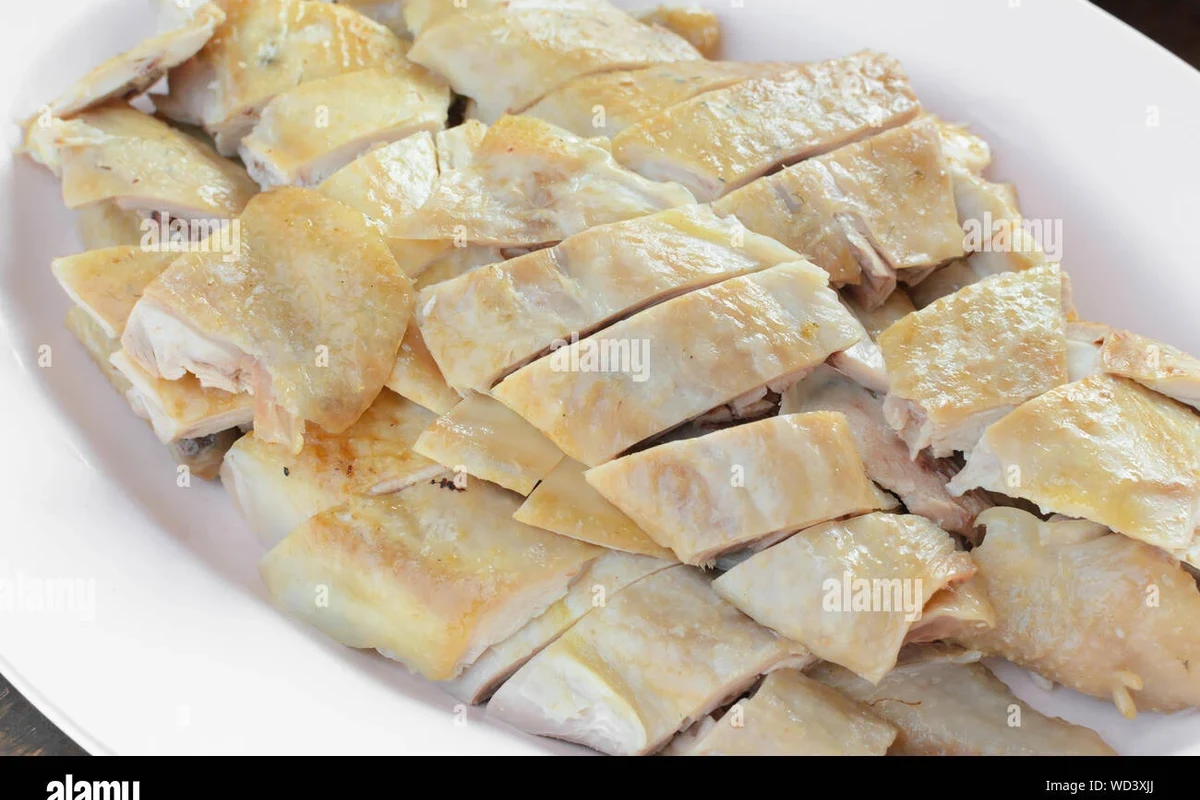
In Belizean cooking, we rarely boil chicken in plain water. The goal is to infuse the meat with aromatics from the very start. Whether you are preparing a Belizean Curry Chicken recipe or a simple broth, the preparation stage is where depth of flavor is born.
Key Ingredients for Flavorful Boiled Chicken
Start your pot with a base of water or stock, then add aromatics such as onion, garlic, black pepper, and fresh herbs like cilantro or thyme. Some home cooks prefer to incorporate soup packets to boost the savory profile of the broth, which is particularly useful when you need a quick, flavorful base for a meal. The goal is to create a poaching liquid that complements the natural sweetness of the chicken.
Selecting the Right Chicken Cuts for Your Dish
Choosing the right cut is essential for the intended result. Breasts are lean and best for dishes where the meat will be shredded, such as tacos or salads. Bone-in cuts like legs and thighs are superior for long-simmering dishes, as the collagen in the joints breaks down, adding body and richness to the liquid.
If you are planning to make a soup or stew, always start with cold water. This allows the temperature to rise gradually, which helps extract more flavor from the chicken bones and connective tissues into the broth.
Step-by-Step Technique: Boiling Chicken the Right Way
Achieving the Perfect Simmer vs. Boil
A “boil” is characterized by large, rolling bubbles, while a “simmer” shows small, slow-moving bubbles. For the best texture, always maintain a simmer. If the liquid becomes too turbulent, the meat will likely turn rubbery.
How to Tell When Chicken is Fully Cooked
The most reliable way to check for doneness is using a food thermometer. The internal temperature of the chicken must reach 165°F (74°C). If you do not have a thermometer, cut into the thickest part of the meat; the juices should run clear, and there should be no pink color remaining.
Food Safety Protocols: Avoiding Common Kitchen Mistakes
Never leave raw chicken out at room temperature for more than two hours. Always store raw poultry on the bottom shelf of your refrigerator to prevent juices from dripping onto other foods.
Internal Temperature Guidelines
According to standard food safety guidelines, 165°F is the minimum safe internal temperature for all poultry. Relying on visual cues alone can be deceptive, as chicken can sometimes appear white while still being under-cooked near the bone.
The Dangers of Under-Boiling
Under-boiling poses significant health risks, including the potential for foodborne illnesses caused by bacteria like Salmonella or Campylobacter. Always ensure the center of the thickest portion of the meat has reached the required temperature.
Safe Handling and Cross-Contamination Prevention
Wash your hands thoroughly with soap and warm water for at least 20 seconds after handling raw chicken. Use a dedicated cutting board for raw poultry, and sanitize all surfaces that come into contact with raw meat immediately after use.
Troubleshooting Common Boiling Issues
- Creates a rich, flavorful broth
- Very cost-effective for large families
- Versatile for many different recipes
- Can become dry if overcooked
- Requires active monitoring
- Less surface browning compared to roasting
Why Your Chicken Turned Out Tough or Rubbery
If your chicken is tough, it was likely boiled at too high a temperature or for too long. If you find the meat is becoming dry, try removing it from the heat as soon as it hits 165°F and letting it rest in the liquid for a few minutes before serving.
Dealing with Broth Cloudiness
Cloudy broth is usually caused by a rapid boil. To keep your broth clear, skim the surface periodically to remove any foam or impurities that rise to the top during the initial boiling phase.
Storage, Shelf Life, and Reheating Best Practices
Proper storage is vital for maintaining the quality of your boiled chicken. Once cooked, allow the meat to cool to room temperature before placing it in an airtight container. It can be safely stored in the refrigerator for up to 3 to 4 days.
Proper Freezing Techniques for Boiled Chicken
If you have extra, you can freeze your boiled chicken for up to 3 months. Shred the meat or leave it in chunks, and store it with a small amount of broth to prevent it from drying out in the freezer. When you are ready to use it in a recipe, such as a hearty chicken with escarole soup, thaw it overnight in the refrigerator.
Reheating Without Drying Out the Meat
To reheat, add the chicken to a simmering sauce or soup rather than microwaving it directly. This keeps the meat moist and ensures it absorbs the flavors of the dish you are preparing.
Value and Versatility: Why Boiling Remains a Kitchen Essential
Boiling is one of the most economical ways to prepare protein. It allows you to utilize more affordable, bone-in cuts, which often pack more flavor than boneless alternatives. Furthermore, the byproduct of boiling—a nutrient-dense stock—provides a foundation for countless other meals, reducing food waste and maximizing your grocery budget.
Final Recommendations for the Home Cook
Mastering the art of boiling chicken is about patience and precision. Focus on maintaining a gentle simmer, seasoning your water, and using a thermometer to verify safety. By controlling these variables, you can transform simple ingredients into a reliable, delicious component of your weekly cooking routine.
Common Questions
Boneless chicken breasts typically take 15 to 20 minutes to reach a safe temperature.
Yes, boiling chicken for too long will result in stringy, dry, and rubbery meat.
A larger pot with more water allows for more even temperature distribution, which improves the final texture.
Covering the pot helps maintain a steady simmer and prevents the liquid from evaporating too quickly.
If the meat is still pink near the bone, it is not fully cooked and should continue simmering until it reaches 165°F.
Frequently Asked Questions
The only way to be certain is to use a food thermometer. The internal temperature must reach at least 165°F (74°C).
Yes, you can boil frozen chicken, but it will take about 50% longer to cook through. Ensure the internal temperature reaches 165°F.
Rubbery chicken is usually caused by boiling at too high a temperature. Always use a gentle simmer instead of a rolling boil.
Cooked chicken can be stored in an airtight container in the refrigerator for 3 to 4 days. Always refrigerate promptly after cooling.
It is a matter of preference. Removing the skin reduces fat in the broth, while leaving it on can add extra flavor and richness.
Yes, this water becomes a flavorful chicken stock. Use it immediately in soups or store it in the refrigerator for a few days.