Frozen Chicken in the Instapot

Yes, you can safely cook frozen chicken in the Instant Pot by increasing the pressure cooking time to account for the frozen state. Always verify that the meat reaches an internal temperature of 165°F before serving.
Yes, you can safely and effectively cook frozen chicken in the Instant Pot. This method is a lifesaver for busy weeknights when you forgot to thaw your meat in advance, allowing you to go from freezer to table in under an hour.
- Safety First: Always verify that the internal temperature reaches 165°F.
- Liquid Matters: Use at least one cup of broth or water to build pressure.
- Use the Trivet: Keep the chicken off the bottom to prevent rubbery texture.
- Natural Release: Allow for a natural pressure release to keep the meat moist.
Can You Cook Frozen Chicken in the Instant Pot? The Quick Answer
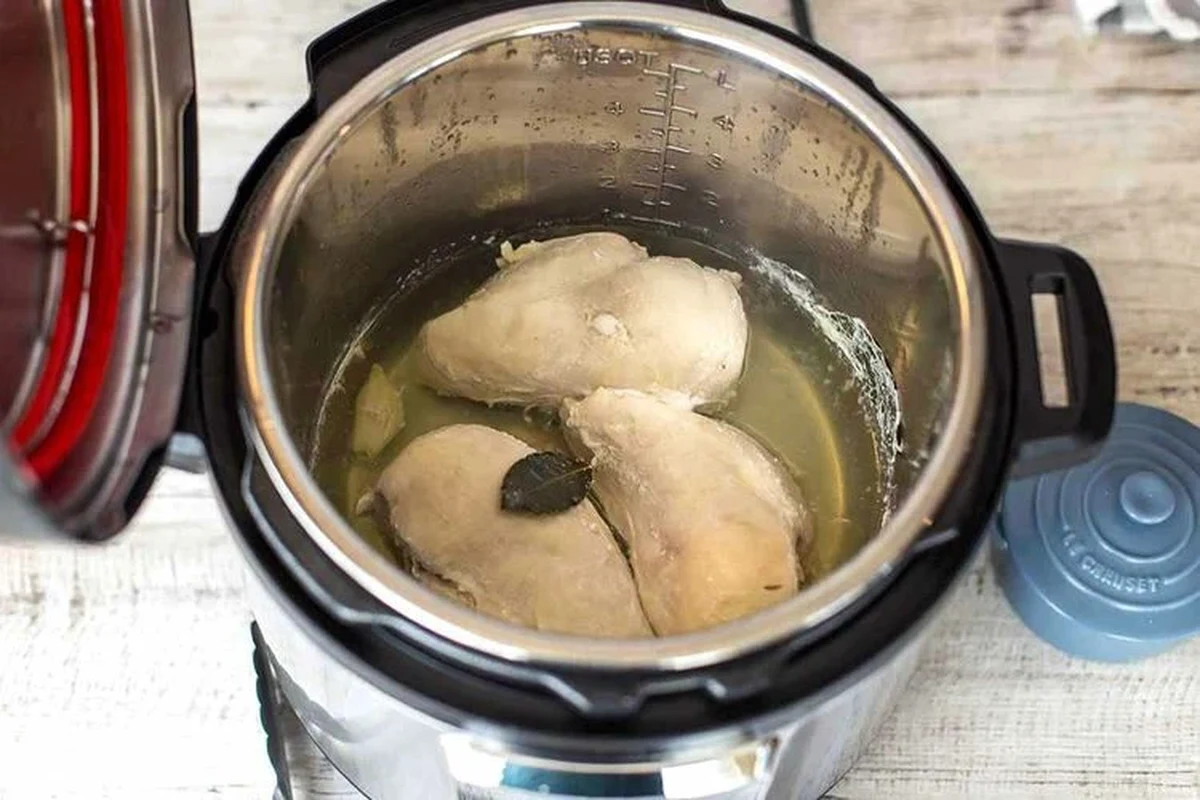
Cooking frozen chicken in a pressure cooker is entirely safe, provided you follow specific time adjustments to ensure the meat reaches the recommended internal temperature of 165°F (74°C). Because the chicken starts frozen, you must account for extra time for the pot to come to pressure and ensure the heat penetrates the center of the meat thoroughly.
Why the Instant Pot is a Game-Changer for Busy Home Cooks
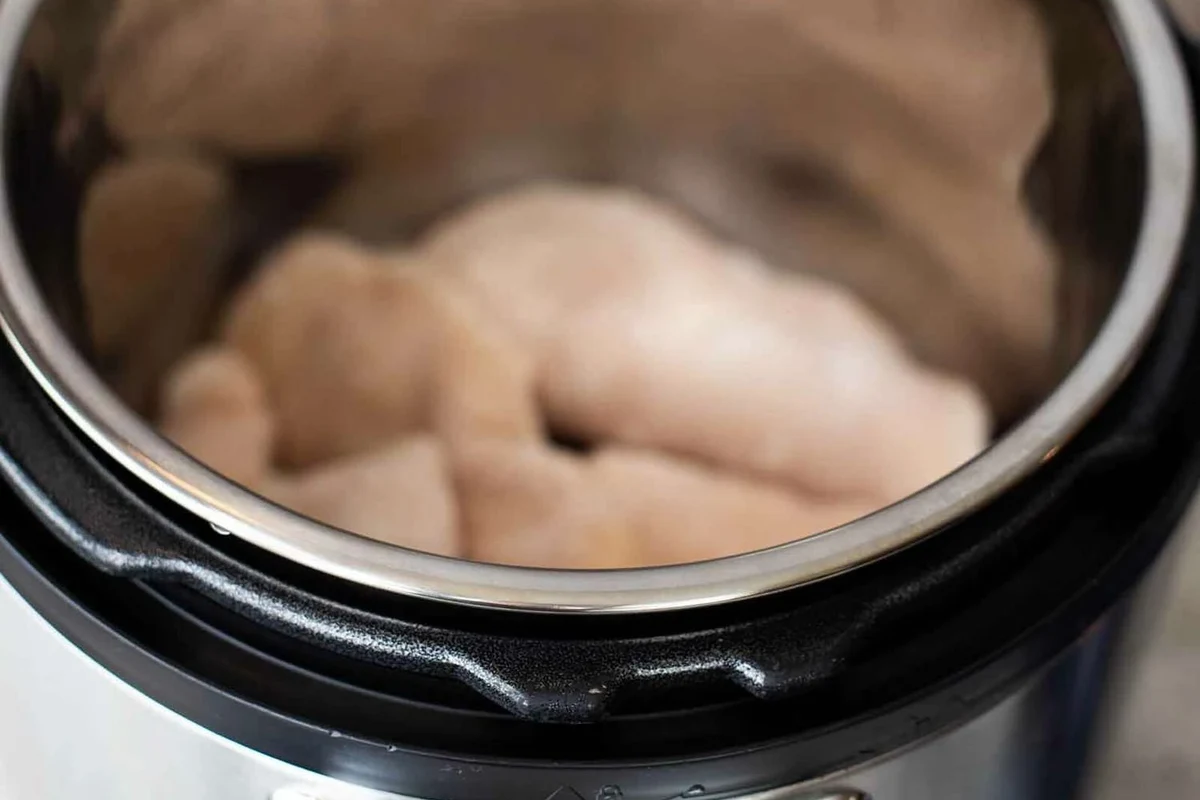
In 2026, the Instant Pot remains a staple in kitchens that value efficiency. For those who juggle work, family, and meal prep, the ability to bypass the thawing stage is a significant advantage. It transforms a frozen block of poultry into a tender, shreddable protein suitable for tacos, salads, or quick casseroles.
The Science of Pressure Cooking Frozen Poultry
Pressure cooking works by raising the boiling point of water trapped inside a sealed vessel. When you add frozen chicken, the initial “come-to-pressure” time is naturally longer because the cold meat acts as a heat sink. Once the pot reaches the desired pressure, the steam environment cooks the meat evenly. It is vital to understand that the cooking timer only begins once the pot is fully pressurized, not when you press the “Start” button.
Who This Cooking Method Is Best For
This method is ideal for home cooks who prioritize convenience over a crispy exterior. If you are looking for meal prep ideas with chicken breast that can be shredded and stored for the week, this is your most reliable technique. It is less suited for those expecting a golden-brown skin, which usually requires a secondary step like broiling or pan-searing.
If you have the time, seasoning your chicken *before* freezing it in individual portions can save you even more time during the prep phase.
Essential Equipment and Safety Considerations
Selecting the Right Instant Pot Size for Frozen Cuts
For frozen poultry, a 6-quart or 8-quart model is usually best. You need enough room to ensure the chicken isn’t packed too tightly, which allows steam to circulate properly. If you are preparing instant pot frozen chicken breast, avoid stacking them in a way that creates a solid, impenetrable mass; try to keep them slightly separated if possible.
Food Safety 101: Navigating Internal Temperatures and Bacteria
According to the USDA, poultry must reach an internal temperature of 165°F (74°C) to be considered safe. Always use a digital meat thermometer inserted into the thickest part of the chicken to verify doneness.
Step-by-Step Guide: Cooking Frozen Chicken Safely
Liquid Ratios and Pressure Cooking Times
When learning how long to cook frozen chicken breast instant pot, remember that density matters. Large, thick breasts take longer than smaller tenders. Always err on the side of caution by checking the internal temperature before serving.
Flavor Profiles: Seasoning Strategies for Frozen Meat
Dry Rubs vs. Wet Marinades: What Works Best
Dry rubs are generally more effective for frozen cooking because they adhere better to the surface as the moisture on the meat thaws slightly during the initial heating phase. If you prefer wet marinades, it is often better to glaze the chicken *after* the pressure cooking cycle is complete.
Tips for Avoiding Bland Results
Because the steam can dilute flavors, use high-quality aromatics. Adding garlic cloves, lemon slices, or herbs like rosemary and thyme to the cooking liquid can infuse the chicken with flavor from the inside out.
Common Mistakes and Troubleshooting
- Extremely time-efficient
- Consistent texture for shredding
- No crispy skin
- Requires careful internal temperature monitoring
Final Verdict: Is Cooking Frozen Chicken in the Instant Pot Worth It?
Cooking frozen chicken in the Instant Pot is a highly effective, safe, and practical method for busy households. While it will not replace the texture of a roasted or grilled bird, it is an unbeatable tool for quick, healthy, and versatile protein preparation in 2026 and beyond.
Common Questions
You can, but the chicken may boil in the liquid and become rubbery. Using a trivet is highly recommended for better texture.
Yes, thicker or bone-in pieces require longer cook times than thin, boneless fillets.
It is best to add vegetables after the chicken is cooked, as they will turn to mush during the extended time required for frozen meat.
If the internal temperature is below 165°F, return the lid, seal it, and pressure cook for an additional 2-3 minutes.
Yes, a natural release allows the meat fibers to relax, which keeps the chicken juicy rather than tough.
Frequently Asked Questions
Yes, it is perfectly safe as long as the chicken reaches an internal temperature of 165°F (74°C). The pressure cooking environment is excellent for ensuring the heat reaches the center of the meat.
For boneless breasts, aim for 10-12 minutes on high pressure. Bone-in pieces will need 15-18 minutes; always use a meat thermometer to confirm doneness.
Yes, you need at least one cup of liquid to allow the pot to pressurize correctly. Using broth instead of water adds extra flavor to the meat.
Yes, but be careful with timing. Because they are smaller, they cook in about 5-7 minutes. Overcooking them will result in a dry, stringy texture.
Rubbery chicken is often the result of overcooking or using a quick pressure release. Allow the pot to release pressure naturally for at least 10 minutes to maintain moisture.
If your thermometer reads below 165°F, simply reseal the Instant Pot and cook for another 2-3 minutes. It is better to check early and add time than to overcook it initially.