Frozen Chicken Breasts in Instant Pot

Cooking frozen chicken breasts in an Instant Pot is a safe, efficient method that eliminates the need for prior thawing. By using high-pressure steam, you can achieve tender, fully cooked results in less than 20 minutes.
Cooking frozen chicken breasts in an Instant Pot is a reliable, time-saving technique that allows you to transition from freezer to table without the need for advance thawing. By utilizing high-pressure steam, this method ensures the poultry reaches a safe internal temperature while maintaining a moist texture, making it an ideal solution for busy households in 2026.
- No Thawing Required: Save time by cooking chicken directly from a frozen state.
- Safety First: Always verify an internal temperature of 165°F using a digital thermometer.
- Liquid Necessity: Use at least one cup of broth or water to ensure proper pressure buildup.
- Natural Release: Allow for a 5-10 minute natural pressure release to keep the meat tender.
Can You Cook Frozen Chicken Breasts in an Instant Pot?
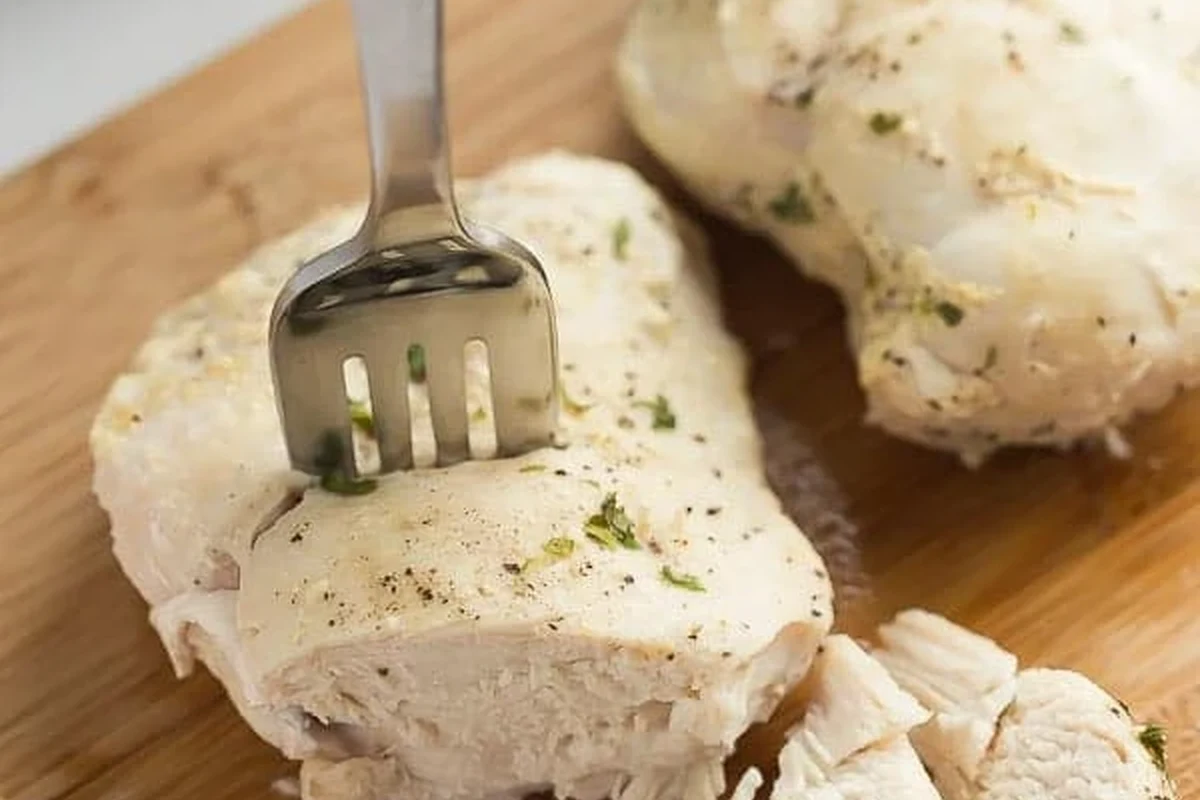
The Short Answer: Yes, It’s Perfectly Safe and Efficient
According to standard food safety guidelines, you can safely cook frozen poultry in a pressure cooker. The intense heat and pressure generated by the Instant Pot are sufficient to bring the meat through the danger zone quickly. While the process takes slightly longer than cooking thawed chicken because the pot must first thaw the exterior before pressure builds, it remains one of the most efficient ways to prepare dinner on short notice.
Why This Method is a Game-Changer for Busy Home Cooks
For those days when you forget to move meat to the refrigerator, this method acts as a culinary safety net. It eliminates the need for microwave thawing, which often results in unevenly cooked or rubbery edges. Whether you are prepping for an easy Instant Pot soup or looking to shred chicken for tacos, this technique provides a consistent, hands-off result that fits perfectly into a modern, fast-paced schedule.
The Science of Pressure Cooking Frozen Poultry

How Instant Pot Technology Handles Ice Crystals
When you place frozen chicken into the pot, the initial phase of the cooking cycle involves melting the ice crystals surrounding the meat. The steam generated during this phase begins to cook the outer layers. As the pressure increases, the heat is forced into the center of the breasts, ensuring the entire piece of poultry is cooked thoroughly and safely.
The Critical Role of Liquid and Steam Pressure
Pressure cooking relies entirely on the creation of steam. You must have enough liquid—typically water or broth—to generate that steam. Without adequate liquid, the Instant Pot will not reach or maintain the necessary pressure, and you risk triggering a “burn” error. The liquid also acts as a conductor, helping to distribute heat evenly across the frozen surface.
Always ensure your chicken breasts are not frozen in a solid, inseparable block. If they are clumped together, the center will remain raw while the outside overcooks. Try to freeze them individually or break them apart before adding them to the pot.
Mastering the Technique: Step-by-Step Guide
Essential Equipment and Prep Requirements
To begin, you will need your Instant Pot, the stainless steel inner liner, and a trivet if you prefer to keep the chicken elevated. While you don’t need to thaw the meat, it is helpful to rinse off any surface ice crystals under cold water to prevent excess moisture from diluting your flavors.
The Golden Ratio: Liquid-to-Chicken Measurements
A general rule of thumb is to use at least one cup of liquid for a standard 6-quart pressure cooker. If you are cooking more than two pounds of chicken, you may increase this to one and a half cups. Using flavorful liquids like chicken stock or vegetable broth will infuse the meat with seasoning during the cooking process.
Timing Chart: Adjusting for Breast Size and Thickness
| Breast Size | Cook Time (High Pressure) |
|---|---|
| Small/Thin (6-8 oz) | 10-12 minutes |
| Large/Thick (10-12 oz) | 15-18 minutes |
Key Ingredients for Flavorful Results
Choosing the Right Broths and Aromatics
Since frozen chicken releases water as it melts, it can dilute your seasonings. To compensate, use a high-quality, concentrated broth or add aromatics like garlic cloves, onion chunks, or dried herbs directly into the liquid. This ensures your chicken is seasoned from the inside out, similar to the flavor profiles found in a Belizean curry chicken recipe.
Best Seasoning Blends for Instant Pot Chicken
Dry rubs are excellent for this method. Apply your favorite blend—such as paprika, cumin, garlic powder, and salt—directly to the frozen chicken before adding it to the pot. Because the moisture in the pot is significant, the rub will form a flavorful, light crust as the meat cooks.
Why Adding Fats and Acids Enhances Texture
Adding a tablespoon of olive oil or butter to the liquid helps prevent the chicken from sticking to the bottom of the pot. A splash of lemon juice or apple cider vinegar can also help break down fibers, ensuring the final result is tender rather than stringy.
Crucial Food Safety and Quality Guidelines
The USDA recommends that poultry reach a minimum internal temperature of 165°F (74°C). Always use a digital meat thermometer inserted into the thickest part of the breast to verify doneness before serving.
How to Avoid the “Rubberiness” Factor
Rubberiness in pressure-cooked chicken often comes from overcooking. Because frozen chicken requires longer times, it is easy to overshoot the mark. If you find the texture is still not to your liking, consider using the meat in recipes that involve liquid, such as zoup white chicken chili, where the sauce helps mask any minor texture variations.
Troubleshooting: What to Do If Your Chicken is Underdone
If your thermometer reads below 165°F after the cooking cycle, return the lid to the pot, seal the valve, and cook on high pressure for an additional 2–3 minutes. The pot will come to pressure much faster this time since the contents are already hot.
Common Mistakes and How to Avoid Them
- Arrange chicken in a single layer if possible.
- Use a natural pressure release for 5-10 minutes.
- Stacking frozen breasts in a dense, solid block.
- Quick-releasing pressure immediately, which can toughen the meat.
Storage, Reheating, and Repurposing
Once cooked, store any leftovers in an airtight container in the refrigerator for up to three to four days. When reheating, add a small amount of liquid or cover the container with a damp paper towel to prevent the meat from drying out. This pre-cooked chicken is versatile and can be used in everything from salads to wraps.
The Verdict: Is This Method Right for Your Kitchen?
Cooking frozen chicken breasts in an Instant Pot is an incredibly practical skill for 2026, offering a balance of safety, speed, and convenience. While it may not yield the crispy skin of a roasted chicken, it provides perfectly cooked, tender meat that serves as an excellent foundation for countless meals. For those who prioritize efficiency without sacrificing food safety, this technique is a must-have in your culinary repertoire.
Common Questions
Yes, it is perfectly safe as long as the chicken reaches an internal temperature of 165°F.
Depending on the thickness, it typically takes between 10 to 18 minutes on high pressure.
Not if you follow the liquid ratios and use a natural pressure release to keep the moisture inside the meat.
Yes, applying a dry rub or seasoning blend to the frozen surface helps infuse flavor as the ice melts.
Simply return the lid and cook for an additional 2–3 minutes at high pressure.
Frequently Asked Questions
No, you do not need to thaw the chicken. The Instant Pot is designed to handle frozen ingredients safely by using pressurized steam to cook the meat thoroughly.
Avoid overcooking by sticking to the recommended time charts and utilizing a natural pressure release for at least 5-10 minutes. This allows the meat fibers to relax.
It is best to place them in a single layer. If you must stack them, ensure they are not frozen together in a solid block, as this prevents even heat distribution.
You should use at least one cup of liquid, such as water or broth, to ensure the pot can come to pressure and avoid a burn error.
Always use a meat thermometer to check that the internal temperature has reached 165°F (74°C) at the thickest part of the breast.
Yes, but keep in mind that vegetables may overcook if added at the same time as the frozen chicken. It is often better to cook the chicken first, then add vegetables later.