Caesar Dressing No Mayo

Caesar dressing without mayo is made by emulsifying egg yolks with oil, lemon juice, and seasonings for a superior, scratch-made flavor. This traditional method provides a lighter, more complex profile compared to store-bought mayonnaise-based alternatives.
Caesar dressing without mayo relies on the emulsification of egg yolks, olive oil, and acidic components to achieve a creamy, velvety texture without relying on processed store-bought spreads. By returning to the traditional method, you gain full control over the flavor profile, allowing the sharp, savory notes of anchovy, garlic, and parmesan to take center stage.
- Emulsion technique: Slowly adding oil to egg yolks is the key to achieving the perfect creamy.
- Flavor depth: Anchovies and aged parmesan provide the essential umami punch that defines a classic Caesar.
- Ingredient quality: Using fresh lemon juice and high-quality olive oil significantly elevates the final result.
- Safety first: Due to the raw egg content, this dressing should be kept cold and consumed.
What is Caesar Dressing Without Mayo? A Modern Take on a Classic

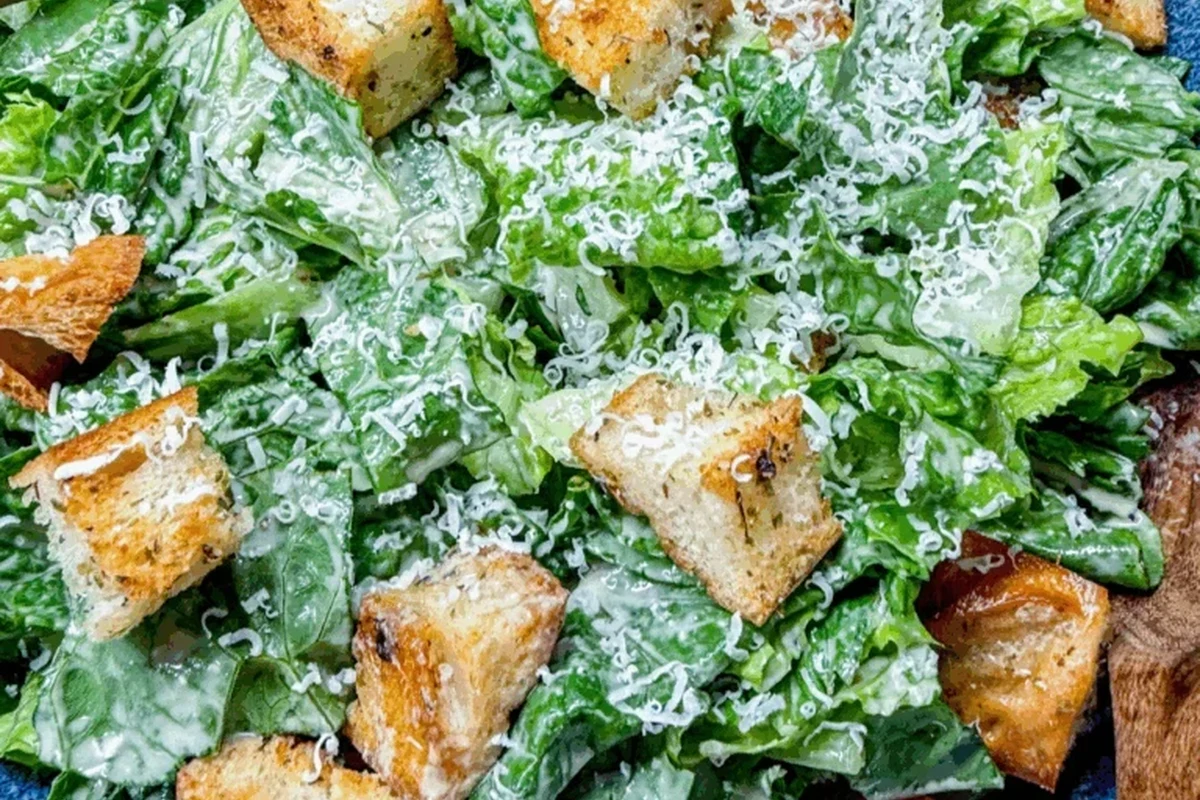
In the culinary world, the “modern” move away from mayonnaise-based dressings is actually a return to the roots of the original Caesar salad. Traditional recipes utilize the natural emulsifying properties of raw or coddled egg yolks combined with high-quality oil. When prepared correctly in 2026, this method offers a cleaner taste profile and a lighter mouthfeel that doesn’t mask the freshness of crisp romaine lettuce.
The Philosophy Behind the Mayo-Free Approach
The philosophy here is ingredient transparency. Store-bought mayonnaise often contains stabilizers, sugar, and neutral vegetable oils that can mute the complex, punchy flavors essential to a great Caesar. By skipping the jarred mayo, you are forced to build the emulsion from scratch, which ensures that every ingredient—from the quality of your extra virgin olive oil to the pungency of your garlic—is highlighted rather than hidden.
Who Benefits from This Version?
This approach is perfect for home cooks who prioritize scratch-made components and those looking to avoid the additives found in industrial-processed condiments. It is also an excellent choice for anyone who finds commercial mayonnaise-based dressings too heavy or cloying, as the egg-and-oil emulsion provides a sophisticated, savory richness that feels more “restaurant-quality” than “cafeteria-style.”
The original Caesar salad, invented in the 1920s, did not use mayonnaise; it relied entirely on the technique of emulsifying egg yolk and oil with Worcestershire sauce and lemon juice.
Key Ingredients for an Authentic-Tasting Caesar Dressing
The Foundation: Emulsifiers and Fats
The structure of the dressing comes from the egg yolk. It acts as the bridge between the fat (olive oil) and the water-based ingredients (lemon juice and Worcestershire). Using a high-quality, cold-pressed extra virgin olive oil provides a robust, fruity backbone, though some prefer a mix of neutral grapeseed oil if they want the other flavors to shine more prominently.
Achieving That Signature Umami Punch
Umami is the secret to a memorable Caesar. Anchovy fillets are the traditional standard; they dissolve into the dressing, providing a salty, savory depth that is impossible to replicate with salt alone. For those who prefer a vegetarian route, capers or a high-quality miso paste can mimic that fermented, salty bite.
The Role of Acid and Aromatics
Fresh lemon juice is non-negotiable. It provides the brightness needed to cut through the fat. Aromatics, specifically fresh garlic and aged Parmesan or Pecorino Romano cheese, round out the profile. Grating the cheese finely ensures it integrates into the emulsion rather than settling at the bottom of the bowl.
The Master Recipe: How to Make Creamy Caesar Dressing Without Mayo
In a medium bowl, whisk together the egg yolk, minced garlic, finely chopped anchovies, and a squeeze of fresh lemon juice until smooth.
Slowly drizzle in your oil, drop by drop at first while whisking vigorously, then in a thin, steady stream once the mixture begins to thicken into a creamy consistency.
Stir in the grated cheese and Worcestershire sauce. Taste and adjust with more lemon juice or salt as needed.
The Secret to a Perfect Emulsion
Temperature is the hidden variable. Ensure your egg yolk is at room temperature before you begin. If the oil is added too quickly, the emulsion will “break,” resulting in a greasy, separated mess. If this happens, start a new bowl with a fresh yolk and slowly whisk the broken mixture into the new one to rescue it.
Consuming raw or lightly cooked eggs carries a risk of foodborne illness. To minimize this, use pasteurized eggs if available, especially when serving vulnerable populations.
Common Mistakes and How to Avoid Them
- Use room-temperature eggs.
- Whisk continuously in one direction.
- Use a microplane for garlic and cheese.
- Adding oil too quickly.
- Using cold ingredients directly from the fridge.
- Over-salting before adding the anchovies and cheese.
Substitution Guide: Customizing Your Dressing
Cashew Cream
Soaked, blended cashews provide a rich, creamy texture that mimics egg yolk perfectly for plant-based diets.
For a tangy, lower-calorie version, substitute half the oil with thick, plain Greek yogurt, though this will significantly change the texture.
Food Safety and Proper Storage
Because this dressing contains fresh egg, it is highly perishable. Store it in an airtight glass jar in the coldest part of your refrigerator. It should be consumed within 24 to 48 hours for the best safety and quality. If the dressing develops an “off” smell, discoloration, or any signs of mold, discard it immediately.
Never leave egg-based dressings at room temperature for more than two hours. If the temperature is above 90°F (32°C), limit this to one hour.
Real-Kitchen Benefits: Why Switch to a Mayo-Free Recipe?
Switching away from mayo-based dressings allows you to eliminate hidden sugars and preservatives common in processed foods. The flavor complexity of a scratch-made dressing is noticeably superior; you can actually taste the sharpness of the lemon and the brine of the anchovy, rather than a generic “creamy” base. In 2026, as home cooks lean further into high-quality, whole-food ingredients, this method stands out as a hallmark of intentional, elevated cooking.
Making Caesar dressing without mayo is a rewarding technique that yields a fresher, more vibrant result. While it requires a bit more patience and attention during the emulsification process, the depth of flavor is unmatched. It is the ideal choice for those who want to master a classic, restaurant-style salad in their own kitchen.
Frequently Asked Questions
Yes, you can use pasteurized eggs, which are heat-treated to kill bacteria while remaining raw in consistency. Alternatively, you can use a coddled egg (dipped in boiling water for 60 seconds) or substitute with a high-quality vegan base like cashew cream.
Separation usually happens because the oil was added too quickly or the ingredients were too cold. To fix it, start a new bowl with a fresh egg yolk and slowly whisk the broken mixture into the new yolk.
Because it contains raw egg, it should be stored in the refrigerator and consumed within 48 hours for optimal safety and flavor.
If you prefer to avoid anchovies, you can use capers for a salty brine or a small amount of miso paste to provide the necessary umami depth.
Yes, the oil defines the flavor profile. A light extra virgin olive oil works well, but if you find the flavor too strong, you can blend it with a neutral oil like grapeseed or sunflower oil.
This dressing is made with whole-food ingredients, offering better transparency than processed mayo. However, it is high in healthy fats, so it should be enjoyed as part of a balanced diet.