Fajita Seasoning Recipe for Chicken

Combine chili powder, smoked paprika, cumin, garlic powder, and onion powder for a balanced, flavorful fajita rub. This homemade blend provides better control over salt and intensity than store-bought packets.
Creating your own fajita seasoning at home allows you to control the balance of smoky, zesty, and savory notes that elevate simple poultry into a vibrant meal. This guide provides a foundational blend tailored for chicken, ensuring your next fajita night is packed with fresh, bold flavor.
- Customization: Adjust heat levels by modifying the amount of chili powder or cayenne.
- Freshness: Toast whole spices before grinding to maximize aromatic intensity.
- Technique: Use high-smoke-point oil to ensure a perfect sear without burning the spices.
- Safety: Always verify chicken doneness with a food thermometer reaching 165°F (74°C).
The Ultimate Fajita Seasoning Recipe for Chicken: A Belizean Twist
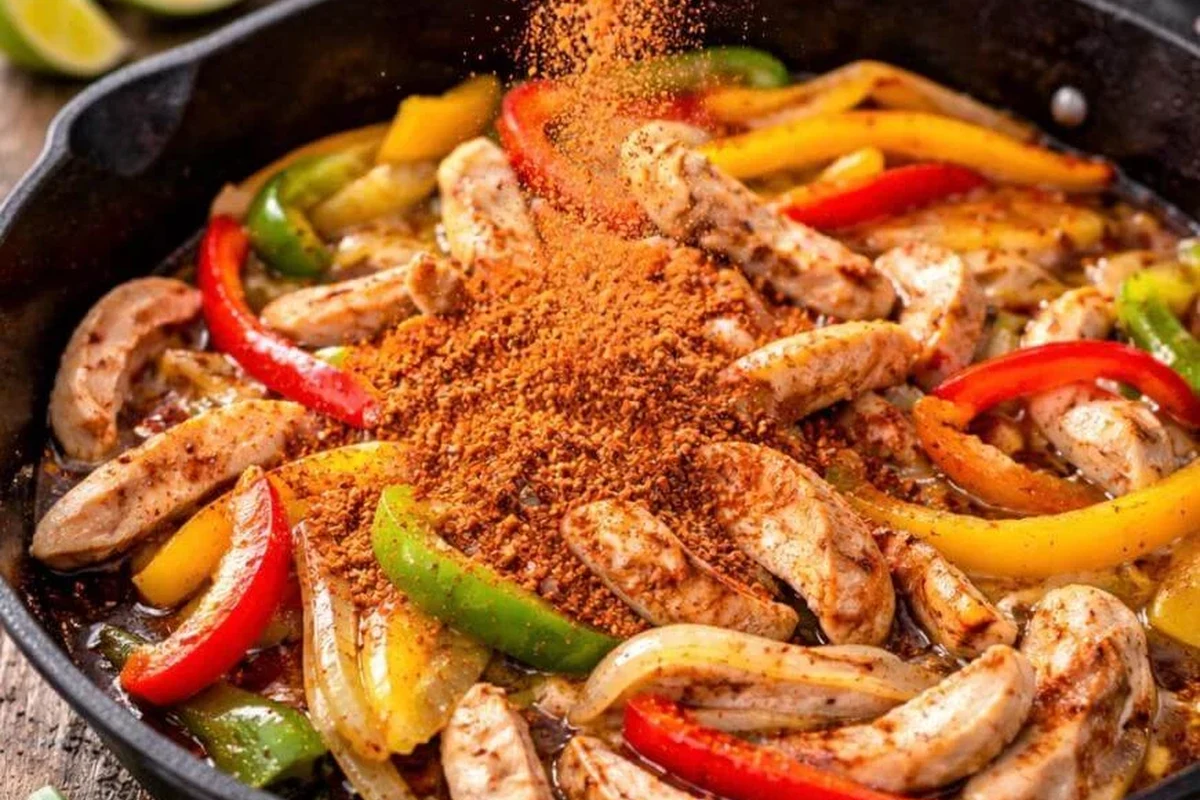
In Belizean kitchens, we appreciate spices that provide depth without masking the natural sweetness of fresh chicken. While store-bought packets are convenient, they often contain excessive salt and anti-caking agents that can dull the vibrancy of your dish. By mixing your own blend, you can adjust the heat levels and aromatics to suit your personal preference, much like when preparing our classic Belizean chicken tacos recipe.
What Makes This Blend Essential for Your Kitchen
A high-quality seasoning mix acts as the backbone of your dinner. When you master the ratios of chili powder, cumin, and smoked paprika, you create a versatile rub that works across various cooking methods—from a quick stovetop sear to the high heat of an outdoor grill. Understanding these flavor profiles is just as important as knowing the best spices for chicken to keep in your pantry.
The Science of Flavor: Essential Ingredients for Authentic Fajita Seasoning
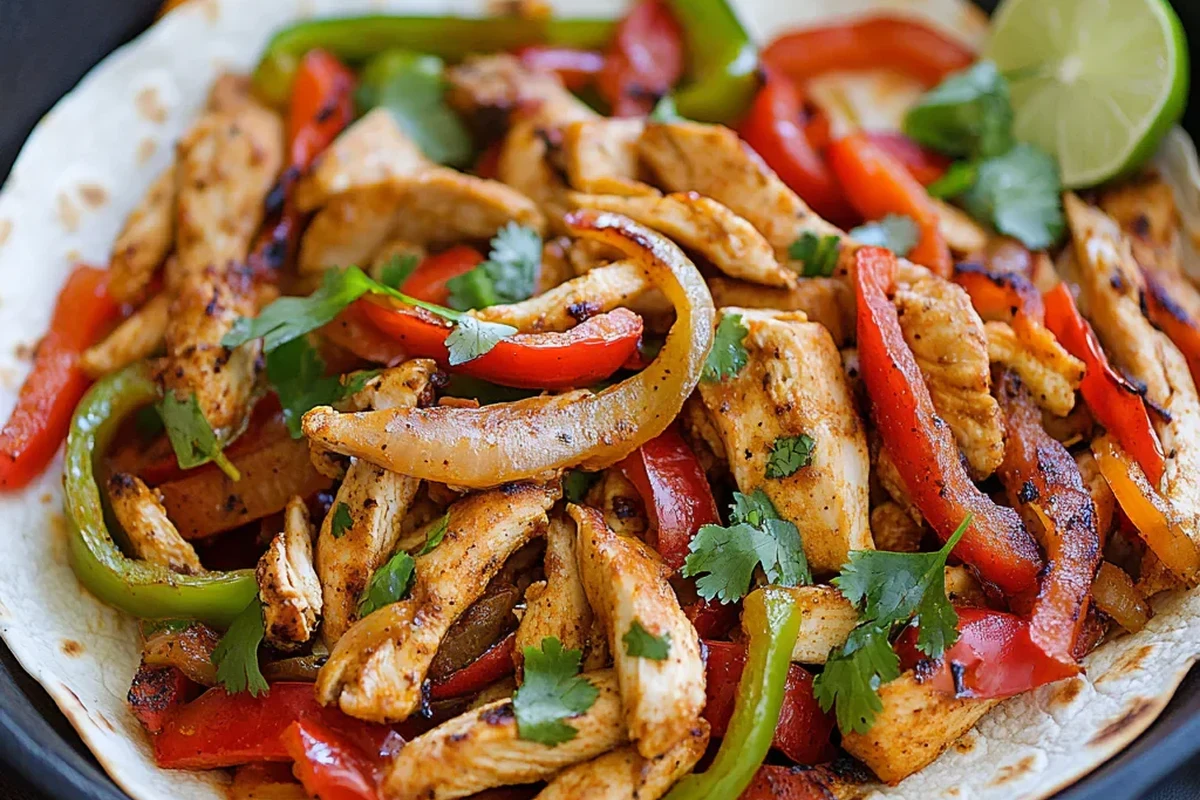
Authentic fajita seasoning relies on a specific interplay of spices. You need a base of chili powder for earthiness, ground cumin for a nutty aroma, and smoked paprika to provide that signature “charred” flavor profile. A touch of onion powder and garlic powder rounds out the savory notes, while a pinch of dried oregano adds a subtle, herbaceous lift.
Balancing Heat, Earthiness, and Acidity
The secret to a great fajita mix is balance. If your blend feels one-dimensional, it is likely missing acidity or heat. While the dry spices provide the foundation, adding a splash of lime juice during the cooking process is essential to “wake up” the dried herbs. For those who enjoy extra depth, consider exploring how different seasonings complement your protein, similar to the techniques used in our Belizean BBQ chicken recipe.
Why Freshly Toasted Spices Matter
If your spice rack has been stagnant, your seasoning will lack punch. Toasting whole spices like cumin seeds in a dry pan for 30 seconds before grinding them releases essential oils that pre-ground powders simply cannot match. This step ensures your 2026 home-cooked meals have the aromatic complexity of a restaurant-grade dish.
Always store your homemade seasoning in an airtight glass jar away from direct sunlight and heat sources to maintain peak potency for up to six months.
How to Craft the Perfect Fajita Seasoning Mix
To create a standard batch, aim for a ratio that prioritizes chili powder and paprika as your primary volume, with cumin and aromatics playing supporting roles. Start with 2 tablespoons of chili powder, 1 tablespoon of smoked paprika, 1 tablespoon of ground cumin, 1 teaspoon of garlic powder, 1 teaspoon of onion powder, and 1/2 teaspoon of dried oregano. Add salt and black pepper to taste.
Step-by-Step Preparation and Ratios
Pro Tip: Achieving the Ideal Texture for Chicken Coating
For a better crust, avoid adding salt to the spice mix itself. Salt the chicken lightly just before it hits the pan. This prevents moisture from being drawn out of the meat too early, which can lead to steaming instead of searing.
Cooking Techniques: Marinating vs. Dry Rubbing for Maximum Flavor
Deciding between a dry rub and a marinade depends on your schedule. A dry rub is perfect for a quick, high-heat sear, creating a caramelized crust. A marinade—which incorporates your seasoning mix with oil and lime juice—penetrates the meat, resulting in a more tender, flavorful bite.
The Role of Citrus and Oil in Chicken Fajitas
Oil is the delivery vehicle for flavor. It helps the spices adhere to the chicken and conducts heat to create a beautiful golden-brown sear. Using a high-smoke-point oil like avocado or grapeseed oil is recommended for the high heat required for fajitas.
Achieving the Perfect Sear: Heat Management and Sizzle
The “sizzle” is not just for show; it is the sound of the Maillard reaction. Ensure your pan is preheated before adding the chicken. Overcrowding the pan will lower the temperature, causing the chicken to release its juices and boil. Work in batches if necessary to maintain the heat intensity.
Always ensure chicken reaches an internal temperature of 165°F (74°C) as measured by a food thermometer to ensure it is safe to eat.
Substitution Guide: Customizing Your Blend When Ingredients Run Low
If you are missing a specific spice, don’t worry. You can swap chili powder for a mix of paprika and a dash of cayenne. If you lack dried oregano, thyme or marjoram are excellent Mediterranean alternatives that hold up well under high heat.
Adapting for Dietary Preferences and Heat Sensitivity
For those sensitive to heat, omit the cayenne or crushed red pepper flakes entirely. If you are watching sodium intake, simply reduce or remove the added salt, as the intensity of the toasted spices provides plenty of flavor on its own.
Food Safety and Best Practices for Handling Raw Chicken
Raw chicken requires diligent handling to prevent cross-contamination. Always wash your hands thoroughly with soap and warm water for at least 20 seconds after touching raw meat. Use a dedicated cutting board for poultry that can be sanitized effectively.
Temperature Cues: How to Tell When Your Fajita Chicken is Done
Visual cues can be deceiving. The juices should run clear, and the meat should be opaque throughout. However, a digital meat thermometer is the only truly reliable way to confirm doneness. Insert the probe into the thickest part of the chicken, ensuring it does not touch the bone.
Storage, Shelf Life, and Preservation Tips
While dried spices do not technically “spoil,” they lose their essential oils and intensity over time. By 2026, most households should aim to rotate their pantry stock at least once a year. If your spices no longer smell aromatic when you open the jar, it is time to refresh your supply.
Common Mistakes to Avoid When Seasoning Chicken
The most common mistake is burning the spices. Because many fajita blends contain sugar (or natural sugars in the chili powder) and dried herbs, they can turn bitter if exposed to direct flame for too long. Add your seasoning toward the end of the searing process if you are cooking over extremely high heat, or coat the chicken thoroughly with oil to act as a protective barrier.
Value and Versatility: Why Homemade Seasoning Beats Store-Bought
Homemade seasoning is not only more cost-effective but allows you to avoid the fillers and excessive sodium found in commercial packets. When you buy spices in bulk, you save money over time and have the freedom to tweak the recipe to suit your family’s palate. It is a simple upgrade that makes a significant difference in the quality of your home-cooked meals.
A homemade fajita seasoning recipe is an essential skill for any home cook. It offers superior flavor, better health control, and total customization. Whether you are a beginner or a seasoned pro, mastering this blend will turn your chicken fajitas into a standout weekly meal.
Common Questions
Cumin and chili powder are the most critical, as they provide the essential earthy and smoky base flavor.
A good rule of thumb is to use approximately 1 to 1.5 tablespoons of seasoning per pound of chicken breast.
It is best to keep the spice mix salt-free and season your chicken just before cooking to prevent moisture loss.
It is not necessary; a cool, dark pantry shelf is the ideal environment to keep spices dry and shelf-stable.
Dry chicken is often a result of overcooking or overcrowding the pan, which causes the meat to steam rather than sear.
Frequently Asked Questions
Yes, this blend is highly versatile and works beautifully on steak, shrimp, or even roasted vegetables. Simply adjust the cooking time based on the protein type.
When stored in an airtight container in a cool, dark place, your seasoning will maintain its potency for about six months. Check for aroma before use; if it smells faint, it may be time for a new batch.
While not strictly necessary, toasting spices releases aromatic oils that provide a deeper, more professional flavor. It is a quick step that significantly improves the final result.
Ensure your chicken is well-coated in oil before adding the seasoning. If you are cooking over very high heat, add the spices during the last few minutes of searing to prevent the dried herbs from scorching.
Yes, this recipe is naturally gluten-free. Always check the labels of your individual spice containers to ensure they were not processed in a facility with cross-contamination risks.
If your blend is too hot, dilute it by adding more onion powder, garlic powder, or smoked paprika. These additions will soften the heat while maintaining the overall flavor profile.