Do Induction Cooktops Get Hot

Induction cooking is a staple of the modern kitchen, yet it remains one of the most misunderstood technologies. If you are curious whether induction cooktops get hot, the answer is nuanced: while the surface does not generate its own heat, it can certainly become hot through contact with your cookware.
- No Direct Heat: Induction uses magnetic fields to heat the pan, not the cooktop surface.
- Residual Warmth: The glass surface gets hot only because of heat transferred back from your cookware.
- Safety First: Modern models include residual heat indicators to warn you when the surface is still.
- Cookware Matters: You must use magnetic-compatible pots and pans for the cooktop to function.
- Efficiency: Induction is faster and more energy-efficient than traditional gas or electric ranges.
Do Induction Cooktops Get Hot? The Quick Answer

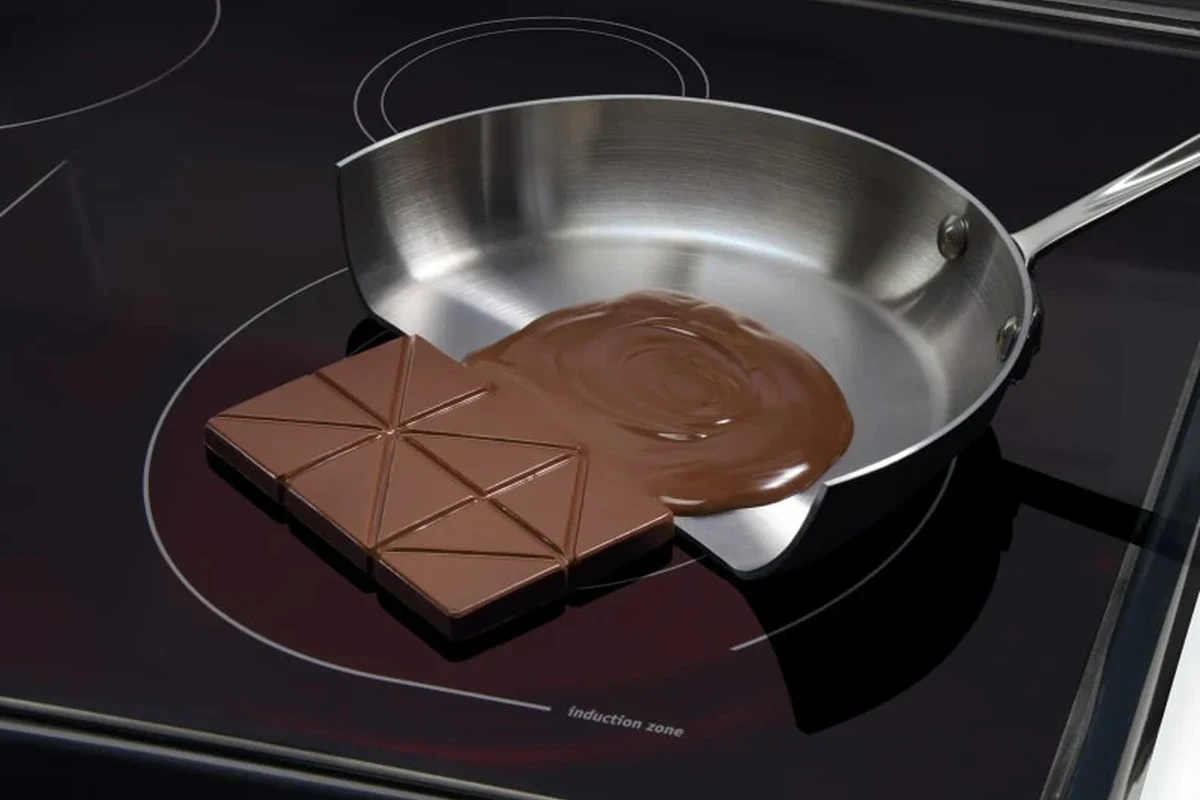
Induction cooktops do not get hot themselves because they use magnetic energy to heat the cookware directly rather than relying on a heating element. However, the glass surface will become hot to the touch due to residual heat transferred from the bottom of a hot pan or pot.
How Induction Technology Actually Works
The Science of Electromagnetic Fields
Induction technology operates on a simple but clever principle of physics. Beneath the glass-ceramic surface lies a copper coil. When you switch the unit on, an alternating electric current passes through this coil, creating a fluctuating magnetic field. This field induces an electric current—known as an eddy current—directly into the metal of your cookware. Because the cookware itself is the source of resistance, it generates the heat needed to cook your food.
Why the Surface Stays Cooler Than Traditional Stoves
Unlike gas or standard radiant electric stoves, there is no flame or glowing red burner involved. Because the cooktop does not need to get hot to transfer heat to your food, the area surrounding the pan remains significantly cooler. This makes the kitchen environment more comfortable, especially during the warmer months when you want to avoid adding extra heat to the room.
The Reality of Residual Heat: Why Your Cooktop Isn’t Always “Cold”
Understanding Heat Transfer from Cookware
While the cooktop doesn’t generate heat, it is not immune to it. Think of it like placing a hot coffee mug on a wooden table; the table didn’t create the heat, but it becomes warm because the mug is hot. Similarly, after you finish sautéing or boiling, the cookware retains a high temperature. That heat is conducted back into the glass-ceramic surface. If you touch the spot where your pan was just resting, you will feel significant warmth.
The Role of Glass-Ceramic Surface Conductivity
Modern induction cooktops are made from specialized glass-ceramic materials. These materials are designed to withstand high temperatures and thermal shock, but they are not perfect insulators. They are engineered to be durable, yet they will absorb heat from the pan. Most modern units manufactured in 2026 feature indicator lights that stay illuminated as long as the surface temperature is above a safe threshold, warning you to avoid touching the area.
Benefits of Induction for the Modern Belizean Kitchen
Precision Temperature Control for Delicate Sauces and Stews
The ability to adjust heat instantly is a game-changer. Whether you are simmering a delicate coconut-based sauce or bringing a large pot of water to a boil for rice, induction offers response times that rival high-end gas ranges. You have granular control over the power levels, allowing for consistent results that are difficult to achieve with traditional electric coils.
Energy Efficiency and Faster Boiling Times
Because the heat is generated directly in the vessel, the energy efficiency of induction is superior. You will notice that water boils significantly faster, saving time during busy meal prep. This efficiency is consistent across different brands and models available in 2026.
Enhanced Safety for Families and Small Kitchen Spaces
The lack of an open flame or exposed red-hot coil reduces the risk of accidental burns or kitchen fires. Many units also include auto-shutoff features if a pan is removed or if no cookware is detected. This provides peace of mind for households with children or pets.
Key Decision Criteria: What to Look for When Buying Induction
Compatibility and Cookware Requirements
Induction requires magnetic-based cookware. If a magnet does not stick to the bottom of your pot or pan, it will not work on an induction cooktop. Before buying, check your current collection; stainless steel and cast iron are usually excellent choices, while copper, glass, and aluminum generally are not compatible unless they have a magnetic base.
Power Levels and Zone Flexibility
Look for models that offer “bridge” zones, which allow you to combine two cooking areas into one larger surface. This is ideal for griddles or oversized pots. Additionally, ensure the power levels are easy to adjust, as high-end models offer more precise increments for complex cooking tasks.
Ease of Cleaning and Maintenance
Because the surface around the pan stays relatively cool, food spills are less likely to bake onto the glass. This makes cleanup significantly easier compared to gas grates or electric coil stoves. A simple wipe-down with a damp cloth or a specialized glass cleaner is usually sufficient.
Common Mistakes and Safe Handling Practices
Using Incompatible Cookware Materials
Attempting to use non-magnetic cookware is the most common mistake. Not only will the cooktop fail to heat the pan, but some units may trigger an error code or simply remain idle. Always verify compatibility before purchasing new sets.
Ignoring Residual Heat Indicators
Always respect the “H” or “Hot” warning light on your control panel. Even if you have finished cooking, the glass surface can retain heat for several minutes. Do not place plastic utensils or heat-sensitive items on the burner area until the indicator light has turned off.
Preventing Scratches and Surface Damage
Glass-ceramic surfaces can scratch if heavy pots are dragged across them. Lift your cookware rather than sliding it, and ensure the bottom of your pans are clean and free of grit or salt, which can act as an abrasive during the cooking process.
Induction vs. Gas and Electric: A Comparative Overview
| Feature | Induction | Gas | Electric (Radiant) |
|---|---|---|---|
| Surface Heat | Low (Residual only) | High | High |
| Speed | Fastest | Moderate | Slow |
| Control | Instant | High | Moderate |
| Cleaning | Easy | Difficult | Moderate |
Performance and Heat Distribution
Induction excels in even heat distribution because the entire bottom of the pan is heated simultaneously. Gas can create “hot spots” depending on the flame pattern, and electric coils often heat unevenly. For consistent searing or delicate simmering, induction is highly regarded.
Installation and Kitchen Suitability
Induction requires a dedicated electrical circuit, similar to a traditional electric range. If you are switching from gas, you may need an electrician to upgrade your kitchen’s wiring. Ensure your kitchen space is properly ventilated, though induction produces much less waste heat than gas.
Long-term Value and Operational Costs
While the initial investment for an induction cooktop can be higher, the operational cost is often lower due to superior energy efficiency. When considering the longevity of your appliances, it is helpful to research general maintenance requirements for your home, much like understanding the long-term needs for other major purchases.
Final Verdict: Is an Induction Cooktop Right for You?
An induction cooktop is an excellent choice for home cooks who prioritize safety, precision, and ease of cleaning. If you enjoy cooking with responsive heat and want to keep your kitchen cooler during daily meal preparation, the benefits heavily outweigh the initial learning curve of using magnetic cookware. While it requires an investment in compatible pots and pans, the performance and efficiency make it a modern standard in many kitchens today.
Common Questions
The surface stays significantly cooler than gas or electric stoves, but it will get hot where the pan makes contact due to heat transfer.
Yes, if you touch the area where a hot pan was recently sitting, as that part of the glass will be hot.
No, you need cookware with a magnetic base, such as cast iron or magnetic stainless steel.
They are generally easier to clean than other stoves because spills are less likely to burn onto the glass surface.
Many users find the speed, safety, and energy efficiency make it a valuable long-term investment for a modern kitchen.
Frequently Asked Questions
No, only the specific area directly beneath the cookware becomes hot. This is due to residual heat transferred from the pan to the glass surface. Do Induction Cooktops Get Hot
The area surrounding the pan remains cool, but you should never touch the area directly under the pot. Always check for residual heat indicator lights before touching the surface.
The cooktop will not generate heat. The magnetic field requires a ferromagnetic material to create the energy transfer necessary for cooking.
Yes, they are generally considered safer because there is no open flame and the surface cools down much faster than traditional electric or gas stoves.
Wait for the surface to cool completely. Use a soft cloth with a mild cleaner specifically designed for glass-ceramic cooktops to avoid scratching the surface.
Yes, induction is typically faster at boiling water and heating pans because energy is transferred directly into the cookware with minimal loss.