Chinese House Special Soup (Easy Homemade Recipe)

Chinese House Special Soup is a hearty, multi-protein broth that serves as a staple in Belizean-Chinese cuisine, blending savory umami depths with fresh local vegetables. By layering delicate proteins like shrimp, chicken, and pork with crisp bok choy and aromatic ginger, home cooks can replicate this comforting restaurant classic in their own kitchens.
- Protein Prep: Slice all meats thinly and uniformly to ensure even cooking.
- Broth Clarity: Keep the heat at a gentle simmer and skim the surface frequently.
- Ingredient Timing: Add vegetables and delicate seafood last to preserve their texture.
- Flavor Balance: Use fresh aromatics like ginger and garlic for a clean, authentic base.
What is Chinese House Special Soup? Understanding the Belizean Connection
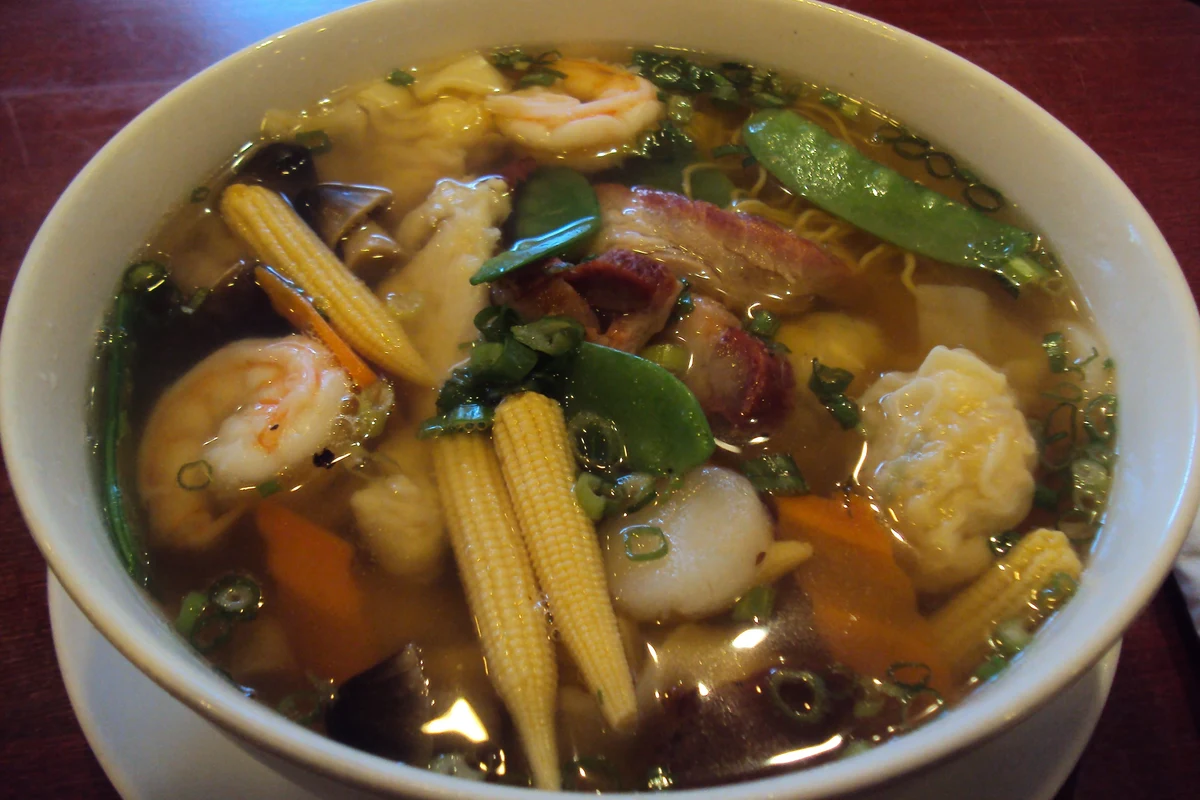
In Belize, the influence of Chinese culinary traditions is woven into the fabric of everyday dining. The “House Special” label typically signifies a signature dish that showcases a variety of ingredients, highlighting the cook’s ability to balance diverse textures and flavors in a single bowl.
The Evolution of Chinese-Belizean Fusion Cuisine
Over the decades, Chinese-Belizean fusion has evolved by marrying traditional Cantonese techniques—such as quick stir-frying and silk-smooth broth preparation—with ingredients readily available in local markets. This evolution has resulted in a soup that feels familiar to local palates while maintaining its roots in East Asian culinary methodology.Chinese House Special Soup
What Defines the “House Special” Profile?
A true “House Special” is defined by its “everything-in” approach. Unlike a dedicated chicken or wonton soup, the House Special relies on a “surf and turf” philosophy, often combining shrimp, sliced pork, and chicken breast. The profile is clean, savory, and aromatic, relying on a clear, high-quality stock rather than heavy creams or fats.
Key Ingredients for an Authentic House Special Soup
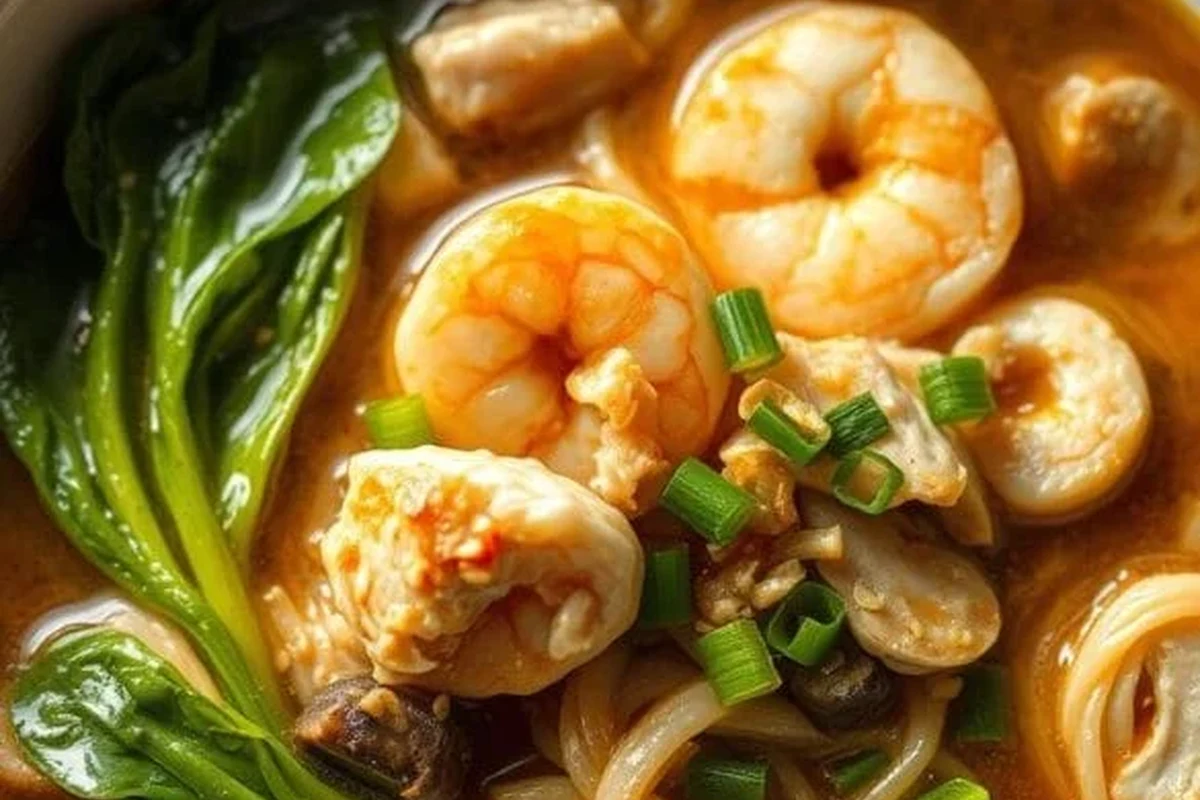
The Foundation: Selecting the Right Proteins
The soul of the soup lies in the quality of the proteins. You will typically need a combination of thinly sliced chicken breast, lean pork, and peeled, deveined shrimp. The key is to cut these into uniform, bite-sized pieces to ensure they cook evenly and quickly.
Building the Aromatics and Umami Base
Aromatics are the backbone of the broth. Fresh ginger, minced garlic, and the white parts of scallions are essential. For the umami base, a splash of high-quality soy sauce, a drop of sesame oil, and sometimes a whisper of oyster sauce help deepen the flavor profile without clouding the broth.Chinese House Special Soup
Essential Vegetables and Garnishes
To provide texture and brightness, choose vegetables that maintain a slight crunch. Bok choy, snap peas, carrots sliced into thin rounds, and wood ear mushrooms are traditional favorites. Always finish the soup with fresh cilantro or the green parts of scallions for a burst of color and herbaceous freshness.
- Ensure all proteins are sliced against the grain to maintain tenderness.
- Verify that your broth is low-sodium if you prefer to control the salt levels manually.
- Have all ingredients prepped (mise en place) before turning on the heat, as the cooking process is rapid.
Step-by-Step Cooking Technique: Mastering the Broth
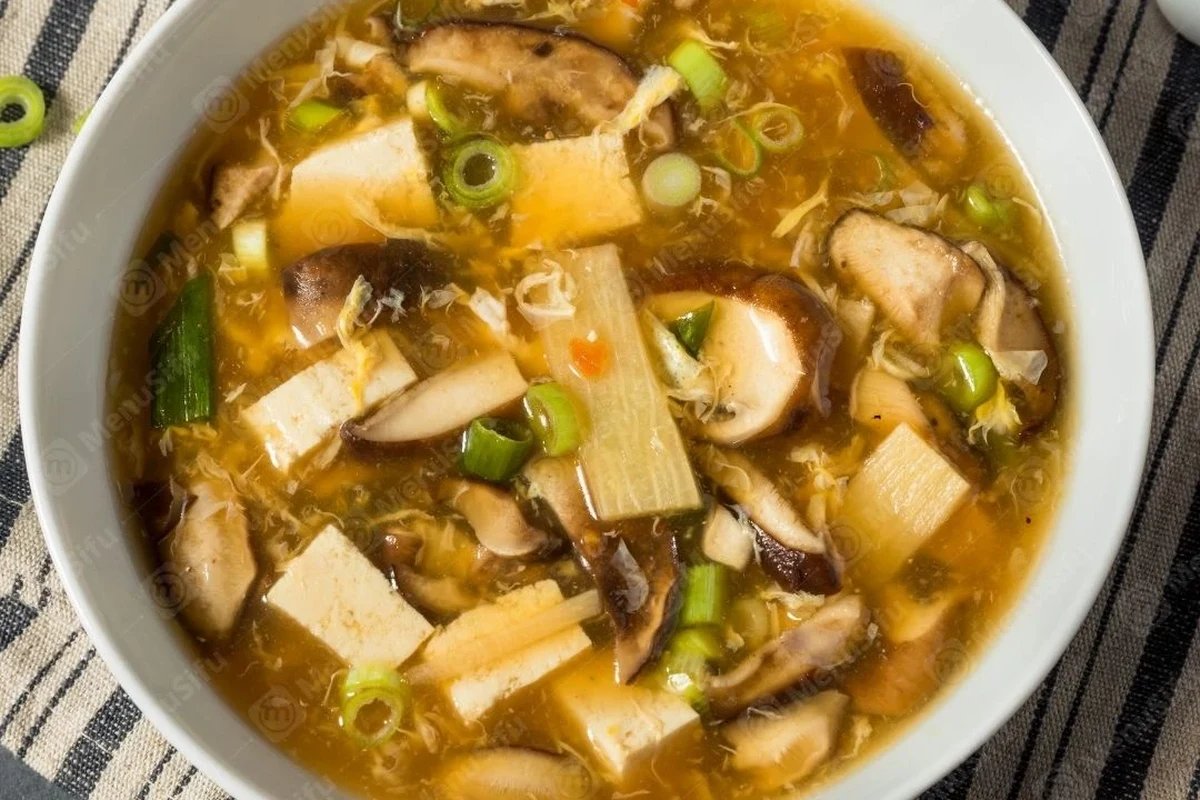
The Secret to a Clear, Flavorful Stock
Avoid a cloudy broth by skimming the surface periodically as the stock comes to a gentle simmer. Never let the soup reach a vigorous boil once the proteins are added; a steady, gentle simmer keeps the stock crystal clear and the proteins tender.
Layering Ingredients for Perfect Texture
Add ingredients based on their cook time. Harder vegetables like carrots go in first, followed by the proteins, and finally the leafy greens, which only need a few seconds in the hot liquid to wilt perfectly. Chinese House Special Soup
Balancing Flavors: Salt, Sweet, and Spice
Taste your broth halfway through the process. A balance is achieved when the saltiness of the soy sauce is tempered by the natural sweetness of the shrimp and vegetables. If the soup feels “flat,” a tiny pinch of sugar or a drop of sesame oil can pull the flavors together.
A wok sears aromatics fast — see top-rated woks here.
Common Mistakes and How to Avoid Them
- Use room-temperature proteins to prevent drastic temperature drops in the pot.
- Skim the foam off the top during the first five minutes of simmering.
- Overcooking the shrimp, which leads to a rubbery texture.
- Adding too much soy sauce, which ruins the clarity and color of the broth.
Substitutions and Customization for the Home Kitchen
Protein Alternatives for Dietary Preferences
If you prefer to omit pork, firm tofu or extra mushrooms can provide a satisfying, earthy texture. For a pescatarian version, swap the chicken stock for a light vegetable or dashi stock.
Adapting Ingredients Based on Local Availability
If bok choy isn’t available, chaya or spinach are excellent local alternatives in Belize. These greens provide a similar nutritional profile and wilting texture that complements the soup’s base.
Food Safety, Storage, and Reheating Guidelines
Reheating Without Compromising Texture
Reheat only what you plan to eat. Bring the soup to a gentle simmer on the stove rather than using a microwave, which can cause the delicate proteins to toughen unevenly.
Value and Versatility: Why This Soup is a Kitchen Staple
Cost-Effectiveness and Batch Cooking Benefits
This soup is highly economical because you can use small portions of various proteins. It is perfect for batch cooking, as the flavors often meld better the next day.
Pairing Suggestions for a Complete Belizean Meal
Serve this soup alongside a small portion of steamed jasmine rice or crispy fried wontons to create a balanced, satisfying meal for any occasion.
Final Thoughts: Elevating Your Homemade Soup Game
Mastering Chinese House Special Soup is about respecting the ingredients and maintaining a delicate balance of flavors. By focusing on high-quality aromatics and precise cook times, you can create a restaurant-quality meal that brings the warmth of Belizean-Chinese fusion directly to your table in 2026 and beyond.
More soups: cha cha white chicken chili.
Frequently Asked Questions
Yes, frozen shrimp works well. Ensure they are fully thawed and patted dry before adding them to the pot to prevent the broth from becoming watery.
Keep the heat low and avoid boiling. Skim the surface foam regularly during the initial simmering stage to remove impurities.
Slice your chicken and pork against the grain into thin, bite-sized strips. This ensures the meat remains tender and cooks uniformly.
While the broth freezes well, the vegetables and proteins may lose texture. It is best enjoyed fresh or stored in the refrigerator for up to 3 days.
Spinach, chaya, or even thinly sliced cabbage are great substitutes that provide a similar crunch and wilting quality.
Add the proteins toward the end of the cooking process. Once they are opaque and cooked through, remove the pot from the heat immediately.