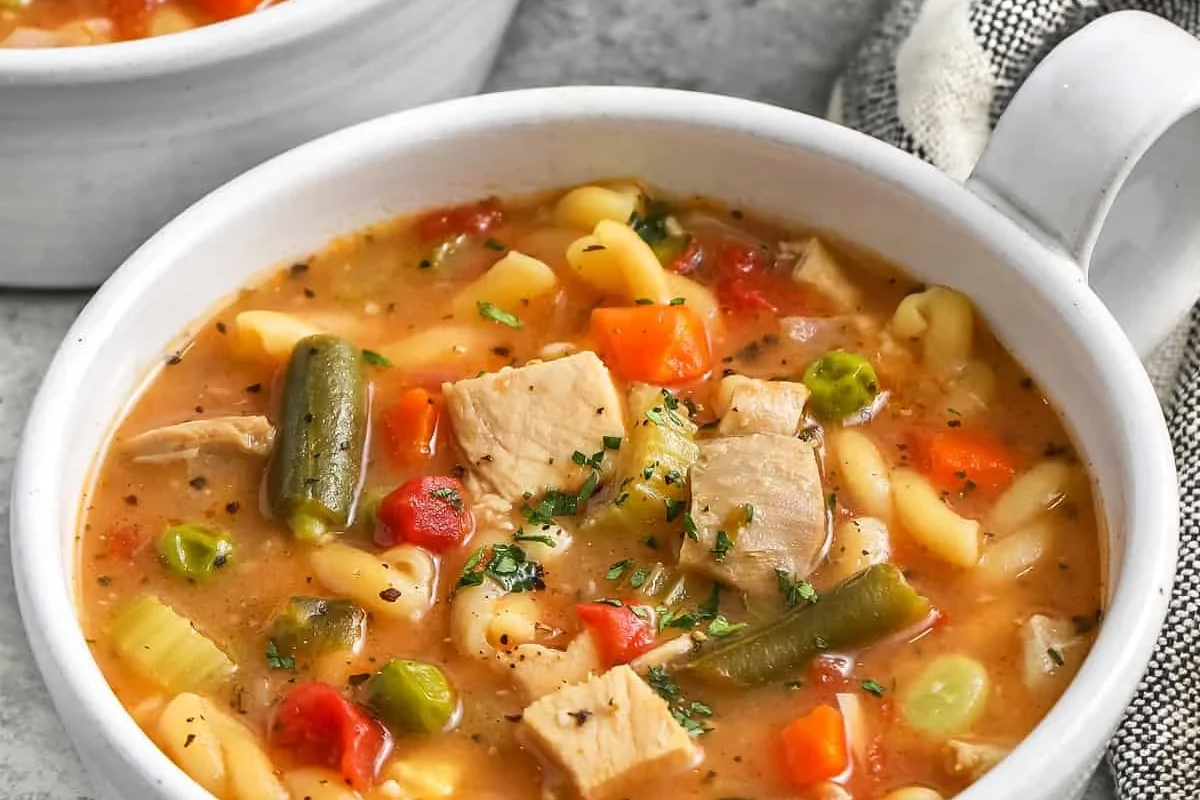
Carcass Chicken Noodle Soup

Carcass chicken noodle soup is made by simmering roasted chicken bones with aromatics to create a rich, nutrient-dense broth. This zero-waste method produces a superior flavor compared to store-bought alternatives.
Carcass chicken noodle soup is the ultimate expression of kitchen resourcefulness, transforming leftover roasted bones into a rich, golden broth that serves as the heart of a comforting meal. By extracting every bit of flavor from the carcass, you create a soup that far surpasses anything from a can, embodying the zero-waste philosophy essential to the modern 2026 home kitchen.
- Zero-Waste: Use leftover roasted bones to create a flavorful, cost-effective base.
- Broth Clarity: Use a gentle, low simmer and skim the surface to avoid a cloudy soup.
- Noodle Texture: Cook noodles separately to prevent them from absorbing too much broth and becoming mushy.
- Storage Safety: Cool broth quickly in shallow containers and store in the refrigerator for up to.
What is Carcass Chicken Noodle Soup? The Ultimate Zero-Waste Comfort Food

At its core, this dish is about maximizing ingredients. When you roast a whole chicken for dinner, the remaining bones, cartilage, and bits of meat are not trash—they are the foundation for a deeply nourishing stock. Unlike quick-fix soups, this version relies on a slow extraction process that pulls collagen and minerals from the bones, resulting in a silky, nutrient-dense liquid that coats the palate. It is a humble, traditional approach to cooking that prioritizes depth of flavor over convenience.
Why This Recipe Fits the Modern Belizean Kitchen
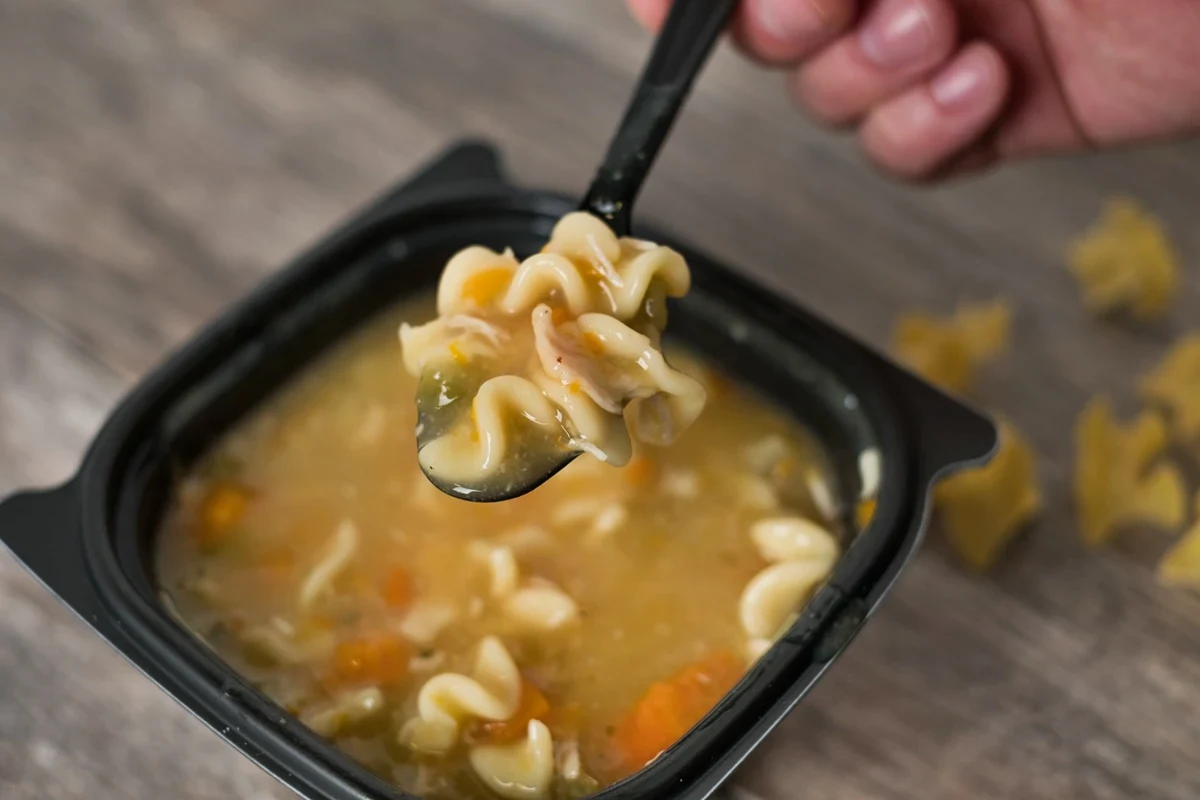
In Belize, where the kitchen is often the center of the home, the ability to stretch a single protein across multiple meals is a valued skill. Making soup from a carcass aligns perfectly with our culinary traditions of using every part of the bird to create hearty, warming meals. Whether you are looking for a simple Belizean peasant soup recipe style of cooking or something more refined, this method provides a versatile base that adapts to whatever fresh vegetables or herbs you have on hand.
Keep a “stock bag” in your freezer. Every time you roast a chicken, add the carcass to the bag. Once you have two or three carcasses, you are ready to make a large batch of concentrated, golden broth.
Essential Ingredients for a Deeply Flavorful Stock
Selecting the Right Chicken Carcass and Aromatics
The quality of your soup begins with the carcass. If the bones were roasted until deeply browned, your stock will have a rich, mahogany color and intense savory notes. Aromatics are equally critical; onions, carrots, and celery (the classic mirepoix) provide the necessary sweetness and complexity. In the Belizean kitchen, adding a few sprigs of fresh thyme, a bay leaf, and perhaps a whole clove of garlic can elevate the profile significantly.
Choosing the Best Noodles for Texture and Absorption
The choice of noodle depends on your personal preference, but for a classic soup, egg noodles are standard because they hold their shape well. If you are looking for alternatives, consider how different noodles affect the broth. Some cooks prefer thin vermicelli, while others enjoy hearty shapes that soak up the liquid. Regardless of your choice, remember that noodles should ideally be cooked separately or added at the very last minute to prevent them from becoming mushy.
Step-by-Step Cooking Technique: From Roasted Bones to Golden Broth
The Art of the Slow Simmer and Clarification
To achieve a clear, golden broth, patience is your best tool. Place your roasted carcasses in a large pot, cover with cold water, and bring to a gentle simmer—never a rolling boil. A boil emulsifies the fat into the water, resulting in a cloudy stock. As the soup simmers, use a ladle to skim off any foam or impurities that rise to the surface. This process of clarification ensures a clean, professional finish.
Place roasted bones in a pot with roughly chopped aromatics and cover with cold, filtered water.
Simmer on low heat for at least 3 to 4 hours, skimming the surface periodically.
Remove the solids with a slotted spoon, then strain the liquid through a fine-mesh sieve or cheesecloth.
Achieving the Perfect Noodle Consistency
The biggest mistake home cooks make is boiling the noodles directly in the main pot of soup. This releases excess starch into your carefully clarified broth, thickening it and making it cloudy. Instead, boil your noodles in a separate pot of salted water until *al dente*. Add the cooked noodles to individual serving bowls, then ladle the hot, clear broth over them just before serving.
Common Mistakes to Avoid When Making Chicken Soup
Preventing Cloudy Broth and Overcooked Noodles
Cloudiness is usually the result of rapid boiling or failing to skim the surface. If you find your broth has become cloudy, don’t worry—it will still taste delicious, though it may lack that “restaurant-style” clarity. For texture, remember that noodles continue to absorb liquid even after the stove is off. If you are planning for leftovers, store the broth and noodles separately to ensure the noodles don’t turn into a soggy mess.
Balancing Salt and Fresh Seasonings
Salt should be added gradually. Because the broth reduces as it simmers, it is easy to over-salt early in the process. Always taste your broth in the final 30 minutes of cooking. If you enjoy variety, you might also look into a low-fodmap chicken noodle soup approach by substituting traditional aromatics with green onion tops or ginger for a different flavor profile.
Safe Handling and Storage: Keeping Your Broth Fresh
Proper Cooling and Refrigeration Techniques
Food safety is paramount when working with stocks. Never leave a large pot of hot soup on the counter to cool to room temperature, as this invites bacterial growth. Instead, divide the broth into smaller, shallow containers to help it cool rapidly. Once it has stopped steaming, place it in the refrigerator. The fat will form a solid layer on top, which acts as a natural seal to keep the broth fresh for up to 3-4 days.
According to food safety guidelines, perishable food should not stay in the “danger zone” (between 40°F and 140°F) for more than two hours. Always refrigerate or freeze your broth promptly after it has cooled.
Reheating Guidelines for Best Flavor Retention
When you are ready to eat, reheat only the amount of broth you intend to consume. Bring it to a rolling boil for a minute before adding your noodles or fresh vegetables. For those who enjoy a hearty meal, this broth is also an excellent base for a chicken leek and potato soup recipe, allowing you to build layers of flavor using the same foundational stock.
Substitutions and Variations for Every Pantry
Adapting Your Soup with Local Belizean Vegetables
Feel free to incorporate local favorites like chayote, pumpkin, or even a bit of fresh cilantro toward the end of the cooking process. These additions provide a distinct character and nutritional boost. If you are missing a carcass, you can use chicken wings or necks to achieve a similar gelatinous texture, as they are rich in connective tissue.
The Value of Homemade: Why This Recipe Outperforms Store-Bought
Store-bought broths often contain high levels of sodium and preservatives to ensure shelf stability. By making your own, you control exactly what goes into your pot. You are not just saving money; you are creating a product that is free from additives and tailored to your family’s taste. The time invested in a homemade carcass soup rewards you with a depth of flavor that is simply unattainable in mass-produced alternatives.
Final Recommendation: Mastering the Craft of the Chicken Carcass
Mastering carcass chicken noodle soup is a rite of passage for any home cook. It requires little more than time and basic ingredients, yet it yields one of the most rewarding results in the kitchen. By focusing on a slow simmer, careful straining, and keeping your noodles separate, you can produce a consistently high-quality soup that honors the ingredients and elevates your weekly meal rotation.
Common Questions
Yes, adding onions, carrots, and celery creates a flavorful foundation for your broth.
Simmering for 3 to 4 hours is usually sufficient to extract the collagen and flavor from the bones.
Yes, straining through a fine-mesh sieve ensures a smooth, professional consistency without bone fragments or vegetable bits.
Yes, broth freezes very well for up to three months. It is best to freeze the broth without the noodles.
It is a nutrient-dense, homemade option that allows you to control sodium levels and ingredient quality.
Frequently Asked Questions
You can safely store chicken stock in an airtight container in the refrigerator for 3 to 4 days. If you need to keep it longer, freezing is the best option.
Cloudy broth is usually caused by boiling the stock too vigorously or failing to skim the impurities from the surface. Keep the heat at a low, gentle simmer for a clearer result.
Yes, absolutely. Keeping a bag of roasted carcasses in the freezer is a great way to save them until you have enough to make a full batch of stock.
It is best to cook noodles separately. Adding them directly to the broth releases starch, which can make the soup cloudy and cause the noodles to become overcooked.
You can use chicken wings, necks, or backs. These cuts are high in collagen, which is essential for creating a rich and flavorful broth.
No, you should not leave hot soup on the counter to cool, as it can enter the ‘danger zone’ for bacterial growth. Cool it quickly in shallow containers before refrigerating.